
British Shorthair Lifespan by Living Environment: Secret?

Have you ever wondered how long your cat will live? Did you know where a cat lives can change its life? The British Shorthair lifespan by living environment is something many pet owners think about. Let’s find out how to help your furry friend live a long, happy life.
Key Takeaways
- Indoor British Shorthairs generally live longer due to safer conditions.
- Outdoor cats face dangers that can shorten their lifespan.
- Proper diet and exercise help British Shorthairs live longer, healthier lives.
- Regular vet visits are key to spotting and treating health issues early.
- Understanding the British Shorthair lifespan by living environment helps owners provide better care.
How Does Living Indoors Affect Lifespan?

Living indoors can really change how long a British Shorthair lives. When cats stay inside, they don’t face as many dangers. Cars, wild animals, and diseases are less of a threat. Indoor cats also get regular food and water. They have a warm, safe place to sleep. All these things help them live longer. Keeping your cat indoors is a great way to protect it. It lets them enjoy a longer and healthier life. They can play, nap, and get lots of love without the risks of the outside world. It’s like giving them a cozy, safe bubble to live in!
- Indoor cats avoid car accidents.
- They are less likely to fight with other animals.
- Indoor cats have a lower risk of getting diseases.
- They always have access to food and water.
- Indoor cats are safe from extreme weather.
Indoor cats often live much longer than outdoor cats. This is because they are safe from many dangers. Think about it: no busy roads, no mean dogs, and no scary diseases from other animals. Plus, indoor cats get all the food and water they need, right on time. They also have a cozy bed and a warm house. This makes a big difference in how long they live. Owners who keep their British Shorthairs inside are giving them a much better chance at a long and happy life. It’s one of the best ways to show you care!
What are the Benefits of an Indoor Life?
Imagine your cat living in a super safe, cozy place all the time. That’s what an indoor life is like! Indoor cats don’t have to worry about cars or mean animals. They also don’t get sick as often because they aren’t around other sick animals. Think of it like this: your house is like a big, safe playground just for your cat. They get to play with toys, nap in sunny spots, and get lots of love from you. All of this helps them stay healthy and happy. It’s like they’re living in a kitty paradise where nothing can hurt them. So, keeping your cat inside is a great way to make sure they live a long and happy life!
Are There Any Downsides to Keeping Cats Indoors?
Even though living inside is safer, there can be a few downsides. Indoor cats might not get as much exercise. They might get bored if they don’t have enough toys or things to do. Imagine being stuck inside all day with nothing to do – you’d get bored, right? It’s the same for cats. To help with this, make sure your cat has lots of toys to play with. You can also play with them every day to keep them active. Some cats also like looking out the window, so give them a comfy spot to watch the world go by. Just a little bit of fun and games can make a big difference!
How Can Owners Enrich an Indoor Cat’s Life?
Making an indoor cat’s life fun and exciting is easy! Start with lots of toys. Things like toy mice, balls, and feather wands are great. You can also get a cat tree for them to climb on. Cat trees give them a place to scratch and a high spot to look down from. Play with your cat every day. Even just 15 minutes of play can make a big difference. You can also hide treats around the house for them to find. This keeps them active and uses their hunting skills. A happy cat is a healthy cat, so make sure they have lots to do!
Fun Fact or Stat: Indoor cats can live up to 17 years or more, while outdoor cats often live only 5 years on average!
What Dangers Do Outdoor Cats Face?

Being an outdoor cat can be risky. Imagine crossing a busy street every day. Cars are a big danger. So are other animals, like dogs or even other cats. They might fight, and your cat could get hurt. Outdoor cats can also catch diseases from other animals. Things like feline leukemia or rabies can be very serious. They can also get parasites like fleas and ticks. Weather is another problem. Hot summers and cold winters can be hard on cats without shelter. All these things can make an outdoor cat’s life shorter and less healthy. It’s important to know these dangers to protect your furry friend.
- Cars pose a significant threat to outdoor cats.
- Fights with other animals can cause injuries.
- Outdoor cats are more likely to contract diseases.
- Parasites like fleas and ticks can cause health problems.
- Extreme weather can be dangerous for cats without shelter.
- Poisons and toxins are more accessible to outdoor cats.
Outdoor cats face many challenges. They have to find their own food, which can be hard. They also have to deal with weather changes, like rain, snow, and heat. Finding a safe place to sleep can be tough too. All these things add stress to their lives. Stress can make them more likely to get sick. Plus, they might not get regular vet care. This means small problems can become big problems quickly. Knowing about these challenges helps us understand why outdoor cats often don’t live as long as indoor cats. It also shows how important it is to keep our pets safe and healthy.
How Do Cars Threaten Outdoor Cats?
Cars are a big danger for outdoor cats. Imagine trying to cross a busy road. Cars move fast, and cats might not see them in time. Even if a cat is careful, accidents can happen. Cars can cause serious injuries. Cats can get hit by cars at any time of day. This is why it’s so important to keep cats away from roads. If you let your cat outside, make sure it’s in a safe area. Far away from traffic. Keeping your cat indoors is the best way to protect it from cars.
What Diseases Are Common in Outdoor Cats?
Outdoor cats can catch lots of different diseases. Some common ones are feline leukemia and feline immunodeficiency virus (FIV). These diseases can weaken their immune system. This makes it harder for them to fight off other infections. They can also get rabies from wild animals. Parasites like fleas, ticks, and worms are also common. These can cause skin problems, anemia, and other health issues. Regular vet visits and vaccinations can help protect outdoor cats. But keeping them indoors is the best way to avoid these diseases.
How Does Weather Affect Outdoor Cats?
Weather can be tough on outdoor cats. In the winter, they can get too cold and even freeze. They need a warm place to shelter from the wind and snow. In the summer, they can get too hot and dehydrated. They need shade and plenty of water. Rain can also be a problem. Getting wet can make them cold and increase their risk of getting sick. Cats need protection from extreme weather. If you have an outdoor cat, make sure they have a safe, dry place to go. Even better, bring them inside during bad weather!
Fun Fact or Stat: Outdoor cats are 2.8 times more likely to develop Feline Immunodeficiency Virus (FIV) compared to indoor cats.
What Role Does Diet Play in a Cat’s Longevity?

What a cat eats is super important for how long it lives! Good food gives them energy and helps them stay healthy. It’s like giving them the right fuel to run their bodies. A balanced diet has all the things they need, like protein, vitamins, and minerals. Protein helps them build strong muscles. Vitamins and minerals keep their immune system strong. This helps them fight off diseases. Bad food can make them sick and shorten their lives. So, feeding your cat good food is one of the best ways to help them live a long, happy life. It’s like giving them the gift of health!
- A balanced diet provides essential nutrients.
- Proper nutrition supports a strong immune system.
- High-quality food helps maintain a healthy weight.
- Good food can prevent many health problems.
- Water is very important for a healthy diet.
- A healthy diet keeps your cat’s coat shiny.
Think of your cat’s food as medicine. Good food can prevent lots of health problems. It can help them avoid things like obesity, diabetes, and kidney disease. It also keeps their fur shiny and their skin healthy. Make sure to choose a food that’s right for your cat’s age and health. Kittens need different food than older cats. If your cat has any health problems, talk to your vet. They can help you choose the best food for your cat. A healthy diet is one of the best ways to show your cat you care!
How Does Food Quality Impact Lifespan?
Food quality makes a huge difference! Imagine eating only junk food every day. You wouldn’t feel very good, right? It’s the same for cats. High-quality food has lots of good stuff in it. Things like real meat, vitamins, and minerals. Low-quality food might have fillers and things that aren’t good for your cat. These things can make them sick and shorten their lives. Always read the label and choose food with good ingredients. It’s worth spending a little more on good food to keep your cat healthy!
What are the Best Foods for British Shorthairs?
British Shorthairs need food that’s high in protein. Protein helps them build strong muscles. Look for food that has real meat as the first ingredient. Chicken, turkey, or fish are all good choices. Avoid food that has lots of fillers, like corn or wheat. These aren’t very good for your cat. You can also ask your vet for recommendations. They can help you choose the best food for your British Shorthair. Remember, a healthy cat is a happy cat!
How Important is Fresh Water for Cats?
Water is super important for cats! Just like us, cats need water to stay healthy. Water helps their bodies work right. It helps them digest food and get rid of waste. If cats don’t drink enough water, they can get sick. They can get kidney problems or other health issues. Make sure your cat always has fresh, clean water available. You can also try giving them wet food. Wet food has more water in it than dry food. This can help them stay hydrated. So, don’t forget the water!
Fun Fact or Stat: Cats eating dry food need to drink at least one cup of water per day to stay properly hydrated.
How Does Exercise Affect Cat Longevity?
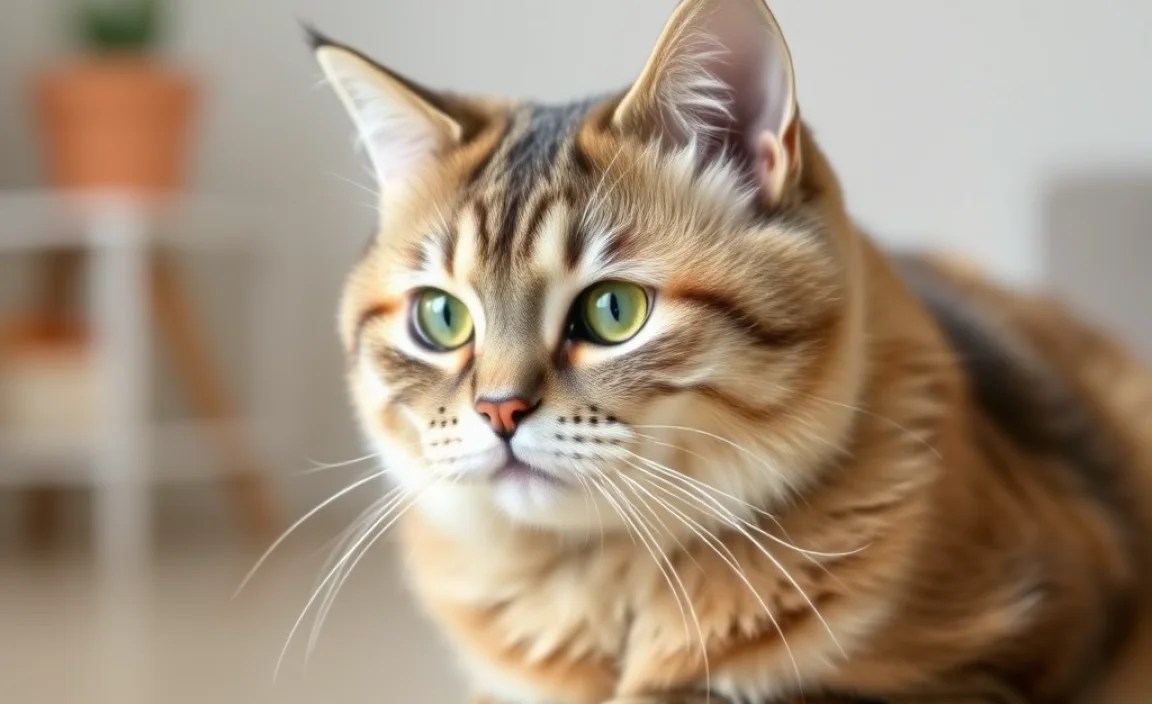
Exercise is super important for cats! It keeps them healthy and strong. Just like people, cats need to move their bodies. Exercise helps them burn calories and stay at a good weight. If cats don’t exercise, they can get fat. Being overweight can lead to health problems like diabetes and heart disease. Exercise also keeps their muscles strong. It helps them jump, climb, and play. Playing with your cat every day is a great way to give them exercise. It’s also a fun way to bond with your furry friend. So, get your cat moving!
- Exercise helps maintain a healthy weight.
- It strengthens muscles and bones.
- Exercise improves mental stimulation.
- Regular play reduces stress and boredom.
- It can prevent obesity-related health issues.
- Exercise helps cats sleep better.
Think of exercise as playtime! It’s not just about running around. It’s about having fun and using their bodies. Cats love to chase things, pounce, and climb. You can use toys to get them moving. Things like feather wands, laser pointers, and toy mice are great. You can also get a cat tree for them to climb on. Make sure to play with your cat every day, even if it’s just for a few minutes. It will make a big difference in their health and happiness. A playful cat is a happy cat!
What are the Best Exercises for Cats?
Cats love to chase things! A feather wand is a great way to get them running and jumping. Laser pointers are also fun, but be careful not to shine them in their eyes. Toy mice are good for pouncing and batting around. You can also hide treats around the house for them to find. This gets them moving and uses their hunting skills. Cat trees are also great for climbing and scratching. Just make sure to keep it interesting and fun for your cat!
How Much Exercise Do Cats Need Daily?
Most cats need about 15-30 minutes of exercise each day. This can be broken up into smaller play sessions. Even just a few minutes of play in the morning and evening can make a big difference. Pay attention to your cat’s energy level. If they seem bored or restless, they might need more exercise. You can also try different toys and games to keep them interested. The most important thing is to make it fun for both of you!
How Can Owners Encourage Indoor Cats to Exercise?
It can be tricky to get indoor cats to exercise. They don’t have as much space to run around. But there are lots of things you can do! Start with a cat tree. This gives them a place to climb and scratch. You can also create a play area with lots of toys. Rotate the toys to keep them interested. Use a feather wand or laser pointer to get them moving. You can also try puzzle toys that make them work for their food. The key is to make it fun and engaging for your cat!
Fun Fact or Stat: A study showed that cats who engage in daily interactive play with their owners are less likely to develop behavioral problems.
Importance of Vet Visits in Extending Lifespan

Going to the vet is super important for keeping your cat healthy! Vets are like doctors for cats. They can check them for any problems and make sure they’re growing up healthy. Regular vet visits can help catch problems early, before they become serious. Vets can also give cats vaccinations to protect them from diseases. They can also give you advice on how to care for your cat. Like what food to feed them and how to keep them active. Taking your cat to the vet is one of the best ways to help them live a long, happy life. It’s like giving them a health check-up!
| Aspect | Indoor Cat | Outdoor Cat |
|---|---|---|
| Vaccinations | Core vaccines | Core + feline leukemia |
| Parasite Control | Less frequent | More frequent |
| Dental Care | Important | Very important |
| Check-ups | Annually | Twice a year |
- Regular check-ups help catch problems early.
- Vaccinations protect against serious diseases.
- Vets can provide advice on diet and exercise.
- Early treatment can improve outcomes.
- Dental care is crucial for overall health.
- Vets can detect hidden health issues.
Think of vet visits as a way to keep your cat in tip-top shape. Just like you go to the doctor for check-ups, cats need them too. Vets can check their teeth, listen to their heart, and feel their tummy. They can also run tests to check for any problems. Early detection is key. If a problem is caught early, it’s much easier to treat. Plus, vets can give you advice on how to keep your cat healthy. Like what food to feed them and how to keep them active. Vet visits are an important part of responsible pet ownership.
How Often Should Cats Visit the Vet?
Kittens need to visit the vet more often than adult cats. They need vaccinations and check-ups to make sure they’re growing up healthy. Adult cats should visit the vet at least once a year. Senior cats might need to visit more often. Your vet can tell you how often your cat needs to be seen. It depends on their age and health. If you notice any changes in your cat’s behavior or health, call your vet right away. Don’t wait until their next check-up!
What Happens During a Vet Check-Up?
During a vet check-up, the vet will do a physical exam. They’ll check your cat’s eyes, ears, mouth, and skin. They’ll listen to their heart and lungs. They’ll also feel their tummy to check for any lumps or bumps. The vet might also take your cat’s temperature and weigh them. They might also run some tests, like a blood test or urine test. This helps them check for any hidden health problems. The vet will also ask you about your cat’s behavior and diet. Be sure to tell them about any changes you’ve noticed.
How Can Owners Prepare Their Cat for a Vet Visit?
Some cats get stressed out when they go to the vet. There are things you can do to make it easier. Start by getting your cat used to their carrier. Leave it out where they can explore it. Put a soft blanket inside to make it cozy. You can also put some treats or toys inside. When it’s time to go to the vet, speak in a calm voice. Cover the carrier with a towel to help them feel safe. Once you get to the vet, stay calm and reassure your cat. A little bit of preparation can make a big difference!
Fun Fact or Stat: Regular dental check-ups at the vet can add 1-2 years to your cat’s lifespan!
Genetic Factors Influencing Cat Longevity
Genes play a big role in how long a cat lives. Think of genes like a set of instructions. These instructions tell the body how to grow and work. Some genes can make cats more likely to get certain diseases. Other genes can help them stay healthy and live longer. Some breeds of cats are known for living longer than others. This is because of their genes. It’s like they’re born with a head start on a long life. But genes aren’t the only thing that matters. How you care for your cat also makes a big difference. Good food, exercise, and vet care can help them live a long, happy life, no matter what their genes say.
- Certain breeds are predisposed to longer lifespans.
- Genetic predispositions can influence disease risk.
- Responsible breeding can improve genetic health.
- Genetic testing can identify potential health issues.
- Hybrid vigor can sometimes enhance longevity.
- Genes are only one part of the longevity puzzle.
Imagine your cat’s genes as a blueprint. This blueprint tells the body how to build itself. Some blueprints are stronger than others. Cats with good genes might be less likely to get sick. They might also be better at fighting off diseases. But even cats with good genes need good care. They still need good food, exercise, and vet visits. It’s like having a good foundation for a house. You still need to build the walls and roof! Genes are important, but they’re not the whole story. A healthy lifestyle is just as important.
Do Some Breeds Live Longer Than Others?
Yes, some breeds of cats tend to live longer than others. For example, Siamese and Burmese cats are known for their long lifespans. On the other hand, some breeds are more prone to certain health problems. These problems can shorten their lives. Mixed-breed cats often have a wider range of genes. This can make them less likely to inherit genetic diseases. But every cat is different. How you care for your cat is just as important as their breed.
How Do Genes Affect Disease Risk?
Genes can make cats more likely to get certain diseases. For example, some breeds are more prone to kidney disease. Other breeds are more prone to heart problems. If you know your cat’s breed, you can learn about the health problems they might be at risk for. This can help you take steps to prevent these problems. Regular vet visits are especially important for cats with genetic predispositions. Early detection and treatment can make a big difference.
Can Genetic Testing Help Cats Live Longer?
Genetic testing can help identify potential health problems. It can tell you if your cat is at risk for certain diseases. This can help you take steps to prevent these problems. For example, if you know your cat is at risk for kidney disease, you can feed them a special diet. You can also monitor their kidney function with regular blood tests. Genetic testing is not a guarantee of good health. But it can give you valuable information to help your cat live a longer, healthier life.
Fun Fact or Stat: A study found that mixed-breed cats tend to live 1.5 years longer than purebred cats due to greater genetic diversity.
How Social Interaction Impacts Well-being
Social interaction is super important for cats! Cats need love and attention, just like people. Playing with your cat, petting them, and talking to them can make them feel happy and secure. Cats who get lots of social interaction are less likely to be stressed or bored. Stress and boredom can lead to health problems. Social interaction also helps cats bond with their owners. This bond can make them feel safe and loved. If you have a cat, make sure to spend time with them every day. It will make a big difference in their happiness and health. It’s like giving them a big hug!
- Social interaction reduces stress in cats.
- It prevents boredom and destructive behaviors.
- Interaction strengthens the bond with owners.
- Cats feel more secure with regular attention.
- Social cats are often more playful and active.
- Companionship can alleviate loneliness.
Think of social interaction as a way to fill your cat’s emotional tank. When their tank is full, they feel happy and content. When it’s empty, they can feel lonely and stressed. You can fill their tank by playing with them, petting them, and talking to them. Some cats also enjoy being brushed or groomed. Pay attention to your cat’s body language. If they purr and rub against you, they’re enjoying the attention. If they hiss or swat, they might need some space. Every cat is different. It’s important to find what works best for your furry friend.
Do Cats Need Social Interaction with Humans?
Yes, cats need social interaction with humans! Even though they’re independent animals, they still crave attention and affection. Playing with your cat, petting them, and talking to them can make them feel loved and secure. It also helps them bond with you. A strong bond can make them feel safer and more confident. Social interaction is an important part of a cat’s overall well-being. It helps them live a happier, healthier life.
Can Cats Benefit from Other Animal Companions?
Some cats enjoy having other animal companions. This can be another cat, a dog, or even a rabbit. Having a friend can help them feel less lonely and bored. But not all cats get along. It’s important to introduce them slowly and carefully. Make sure they have their own space and resources. Like food, water, and litter boxes. If they get along, they can play together and groom each other. This can make them feel more secure and content. But if they don’t get along, it’s best to keep them separate.
How Can Owners Tell if Their Cat Needs More Attention?
There are signs that your cat might need more attention. They might become more vocal, meowing more often. They might also become more clingy, following you around the house. Some cats might start engaging in destructive behaviors, like scratching furniture. If you notice any of these signs, try spending more time with your cat. Play with them, pet them, and talk to them. This can help them feel more loved and secure. If the problem persists, talk to your vet. There might be an underlying health issue.
Fun Fact or Stat: Cats who receive regular social interaction from their owners are less likely to develop behavioral problems like excessive meowing or scratching.
Summary
The British Shorthair lifespan by living environment is affected by many things. Indoor cats usually live longer than outdoor cats. This is because they are safer from dangers like cars and diseases. A good diet is also important. It gives cats the nutrients they need to stay healthy. Exercise keeps them active and prevents obesity. Regular vet visits help catch problems early. Genes also play a role in how long a cat lives. Social interaction makes them feel happy and secure. By understanding these things, you can help your British Shorthair live a long and happy life.
Conclusion
Taking care of a British Shorthair means giving them the best life possible. This includes a safe place to live, good food, and lots of love. Regular vet visits are also important. They help catch any problems early. Remember, the British Shorthair lifespan by living environment is something you can influence. By making smart choices, you can help your furry friend live a long, happy, and healthy life. Every cat is unique. Enjoy the time you have with your British Shorthair.
Frequently Asked Questions
Question No 1: How long do British Shorthairs usually live?
Answer: British Shorthairs typically live for 12 to 17 years. This can depend on many things. Their living environment, diet, and health care all matter. Indoor cats often live longer because they are safer. Outdoor cats face more dangers, which can shorten their lifespan. Proper care and regular vet visits can help them live longer. The British Shorthair lifespan by living environment is an important thing to consider.
Question No 2: What are the main reasons British Shorthairs die?
Answer: British Shorthairs can die from different things. Common causes include heart disease and kidney problems. Cancer and other age-related illnesses are also factors. Accidents and injuries can affect outdoor cats. Getting regular check-ups with the vet can help catch problems early. Early treatment can make a big difference. The British Shorthair lifespan by living environment also plays a role. Indoor cats are less likely to die from accidents.
Question No 3: How does living indoors affect a British Shorthair’s health?
Answer: Living indoors can be very good for a British Shorthair’s health. Indoor cats are safe from cars, wild animals, and diseases. They also get regular food and water. They have a warm, safe place to sleep. This helps them stay healthy and live longer. Indoor cats are less likely to get hurt or sick. This makes a big difference in their lifespan. The British Shorthair lifespan by living environment clearly shows that indoor cats live longer.
Question No 4: What should I feed my British Shorthair to help them live longer?
Answer: Feeding your British Shorthair a good diet is key. Choose high-quality cat food. Look for food that has real meat as the first ingredient. Avoid food with lots of fillers. Make sure they get enough protein, vitamins, and minerals. Fresh water is also important. Talk to your vet about the best food for your cat. A healthy diet can help them live longer. This can positively affect the British Shorthair lifespan by living environment.
Question No 5: How important are vaccinations for British Shorthairs?
Answer: Vaccinations are very important for British Shorthairs. They protect them from serious diseases. Kittens need a series of vaccinations. Adult cats need booster shots. Talk to your vet about which vaccinations your cat needs. Vaccinations can prevent diseases that could shorten their life. Regular vet visits are a must. Especially when considering the British Shorthair lifespan by living environment and health factors.
Question No 6: Can genetics affect how long my British Shorthair lives?
Answer: Yes, genetics can play a role. Some breeds are more prone to certain health problems. These problems can shorten their lives. Responsible breeding can help improve genetic health. Genetic testing can identify potential health issues. But genes aren’t the only thing that matters. How you care for your cat also makes a big difference. Good food, exercise, and vet care can help them live longer. Knowing the British Shorthair lifespan by living environment can help you plan better care.


