
British Shorthair Lifespan: Owner Knowledge is POWER!

Have you ever wondered how long your furry friend will be with you? Owning a cat is a big joy. You want them around for many years. A British Shorthair is a popular cat breed. Many things affect how long they live. British Shorthair lifespan by owner knowledge is very important.
Key Takeaways
- Proper care greatly improves a British Shorthair’s quality of life.
- Genetics play a big role in how long your cat might live.
- Good nutrition is key to a long and healthy life for your cat.
- Regular vet visits can help catch problems early and extend lifespan.
- British Shorthair lifespan by owner knowledge impacts their health and longevity.
How Does Owner Knowledge Affect Lifespan?
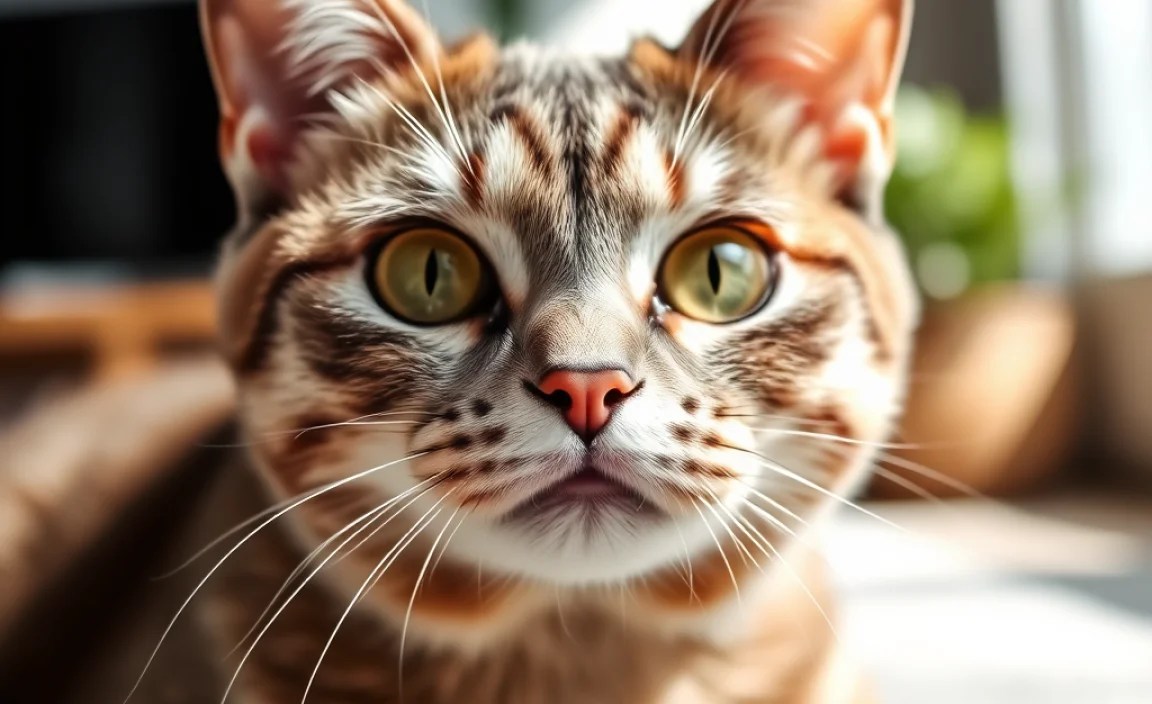
Owner knowledge is very important for a cat’s health. Owners must know how to care for their cats. This includes feeding them good food. It also means taking them to the vet. Owners should also know how to keep their cats safe and happy. When owners know more, their cats live longer. British Shorthairs need special care. They can be prone to certain health problems. Knowing about these problems helps owners take better care of their cats. This helps their cats live longer, happier lives. We should learn all we can to help our furry friends.
- Learn about common health issues in British Shorthairs.
- Know what a healthy diet looks like for your cat.
- Understand the importance of regular check-ups.
- Create a safe and stimulating environment for your cat.
- Recognize signs of illness early.
British Shorthairs are prone to certain health problems. These include heart disease and kidney problems. Owners who know about these risks can take steps to prevent them. They can feed their cats special diets. They can also take them to the vet for regular check-ups. Early detection of problems is key. It can help cats live longer. Owners should also know about cat behavior. This helps them understand when their cat is not feeling well. They can then take them to the vet sooner.
Fun Fact or Stat: British Shorthairs can live up to 20 years with proper care!
What Diet Is Best?
What do British Shorthairs eat? A good diet is very important. It helps them stay healthy. It also helps them live longer. Cats need food that is high in protein. They also need some fat. They do not need many carbohydrates. Look for cat food that lists meat as the first ingredient. Avoid foods with a lot of fillers. These include corn and wheat. Also, give your cat fresh water every day. Some owners feed their cats wet food. Wet food can help cats stay hydrated.
How Much Exercise Do They Need?
Do British Shorthairs need exercise? Yes, they do! Exercise helps them stay healthy. It also helps them avoid getting overweight. Overweight cats are more likely to get sick. Play with your cat every day. Use toys that they like. Some cats like to chase lasers. Others like to play with toy mice. Make sure your cat has a scratching post. This helps them stretch their muscles. It also helps them keep their claws healthy. Even a little exercise can make a big difference.
Why Are Vet Visits Important?
Why do cats need to go to the vet? Vet visits are very important. They help catch problems early. Vets can check your cat for diseases. They can also give them vaccines. Vaccines protect cats from getting sick. Take your cat to the vet at least once a year. Older cats may need to go more often. If you notice anything unusual about your cat, take them to the vet right away. Early treatment can save your cat’s life.
Genetic Factors Affecting Lifespan

Genetics play a big role in how long a cat lives. Some breeds are more prone to certain diseases. British Shorthairs can have heart problems. They can also have kidney disease. If your cat’s parents had these problems, your cat might too. Talk to your vet about genetic testing. This can help you know if your cat is at risk. Knowing the risks helps you take better care. Genetics are not the only factor. Good care can still help your cat live a long life.
- Understand the genetic predispositions of British Shorthairs.
- Talk to breeders about the health history of the parents.
- Consider genetic testing to identify potential risks.
- Monitor your cat for early signs of genetic diseases.
- Work with your vet to manage any identified genetic risks.
- Choose breeders that test their cats before breeding.
When choosing a British Shorthair, ask the breeder about the parents’ health. Good breeders test their cats for genetic problems. They will be honest about any risks. This helps you make an informed decision. Even if your cat has a genetic risk, you can still help them. Provide a healthy diet. Take them to the vet regularly. Watch for any signs of illness. Early detection and treatment can make a big difference. Remember, genetics are just one piece of the puzzle.
Fun Fact or Stat: Cats with mixed breeds often live longer than purebred cats!
What Are Common Genetic Issues?
What are some common genetic issues in British Shorthairs? One is hypertrophic cardiomyopathy (HCM). This is a heart disease. Another is polycystic kidney disease (PKD). This affects the kidneys. These problems can shorten a cat’s life. Genetic testing can help identify these risks. Talk to your vet about testing. Knowing about these risks can help you take better care of your cat. You can feed them a special diet. You can also take them to the vet more often.
How Can Breeders Help?
How can breeders help reduce genetic risks? Good breeders test their cats. They do this before breeding them. They want to make sure they are healthy. They do not want to pass on genetic problems. Ask breeders about their testing practices. Choose a breeder who cares about the health of their cats. This will give you a better chance of getting a healthy kitten. Responsible breeding is important for the breed.
Can Diet Help With Genetic Problems?
Can diet help with genetic problems? Yes, it can! A good diet is important for all cats. But it is especially important for cats with genetic risks. A diet low in sodium can help cats with heart problems. A diet low in protein can help cats with kidney problems. Talk to your vet about the best diet for your cat. They can recommend a special food. They can also tell you what to avoid. Diet can make a big difference in your cat’s health.
Nutrition’s Role in British Shorthair Longevity

Nutrition is very important for a British Shorthair’s health. It affects how long they live. A good diet provides energy. It also helps their body work well. Cats need protein, fat, and some vitamins. Avoid foods with a lot of fillers. These don’t give your cat any nutrients. They can also cause weight gain. Overweight cats are more likely to get sick. Choose a high-quality cat food. Make sure it has meat as the first ingredient.
- Choose high-quality cat food with meat as the primary ingredient.
- Avoid foods with excessive fillers or artificial additives.
- Ensure your cat gets the right balance of protein and fats.
- Provide fresh, clean water at all times.
- Consider supplementing with omega-3 fatty acids for joint health.
- Monitor your cat’s weight and adjust food portions accordingly.
Water is also very important. Cats need to stay hydrated. Always have fresh water available. Some cats like to drink from a fountain. This can encourage them to drink more. If your cat is not eating well, talk to your vet. They can help you find a food that your cat likes. They can also check for any health problems. Good nutrition is a key part of keeping your British Shorthair healthy and happy. This is important for British Shorthair lifespan by owner knowledge.
Fun Fact or Stat: Cats can’t taste sweetness, so don’t give them sugary treats!
What About Wet vs. Dry Food?
What is better, wet or dry food? Both have their pros and cons. Dry food is convenient. It can also help clean your cat’s teeth. Wet food has more moisture. This can help prevent dehydration. Some owners feed their cats a mix of both. This gives them the benefits of both types of food. Talk to your vet about what is best for your cat. They can help you choose the right food.
Are Treats Okay?
Are treats okay for cats? Yes, treats are okay in moderation. But don’t give your cat too many treats. Treats should only be a small part of their diet. Choose healthy treats. Avoid treats with a lot of sugar or salt. Some cats like treats made from meat or fish. You can also use small pieces of their regular food as treats. Training your cat with treats can be fun.
How Do I Know If My Cat Is Overweight?
How do you know if your cat is overweight? You should be able to feel their ribs easily. If you can’t, they might be overweight. You can also weigh your cat. Ask your vet what a healthy weight is for your cat. If your cat is overweight, talk to your vet. They can help you create a weight loss plan. This might involve changing their food. It might also involve increasing their exercise.
The Importance of Regular Veterinary Care

Regular vet visits are very important for your British Shorthair. Vets can catch problems early. This helps your cat live longer. Take your cat to the vet at least once a year. Kittens need more frequent visits. They need vaccines and check-ups. Older cats also need more frequent visits. They are more likely to develop health problems. Your vet can help you keep your cat healthy.
- Schedule annual check-ups for your British Shorthair.
- Ensure your cat receives all necessary vaccinations.
- Discuss any health concerns with your vet promptly.
- Follow your vet’s recommendations for preventative care.
- Consider regular dental cleanings to prevent dental disease.
- Ask your vet about age-related health concerns.
Vaccines protect your cat from diseases. These diseases can be very serious. Some can even be fatal. Your vet can also check your cat for parasites. These include fleas and worms. Parasites can make your cat sick. Your vet can recommend treatments to get rid of them. Regular vet visits are an important part of keeping your British Shorthair healthy. This is vital for British Shorthair lifespan by owner knowledge.
Fun Fact or Stat: A cat’s nose print is as unique as a human’s fingerprint!
What Vaccines Does My Cat Need?
What vaccines does your cat need? The core vaccines are rabies, feline distemper, feline calicivirus, and feline herpesvirus. These protect against common and serious diseases. Your vet may also recommend other vaccines. These depend on your cat’s lifestyle. If your cat goes outside, they might need a feline leukemia vaccine. Talk to your vet about what is best for your cat. They can help you create a vaccine schedule.
How Often Should I Get Dental Cleanings?
How often should you get dental cleanings? Dental disease is common in cats. It can lead to serious health problems. Regular dental cleanings can help prevent this. Your vet can tell you how often your cat needs a cleaning. Some cats need them every year. Others need them less often. Brushing your cat’s teeth at home can also help. Use a special toothpaste made for cats.
What Are Signs of Illness?
What are some signs of illness in cats? These include changes in appetite, weight loss, and vomiting. Other signs include diarrhea, coughing, and sneezing. If you notice any of these signs, take your cat to the vet. Early detection is important. It can help your cat get better sooner. Don’t wait to see if the problem goes away on its own.
Creating a Safe and Stimulating Environment

A safe and stimulating environment is important for your British Shorthair. Cats need a place to feel safe and secure. They also need things to keep them entertained. This helps them stay happy and healthy. Provide your cat with a comfortable bed. Give them toys to play with. Make sure they have a scratching post. Cats need to scratch to keep their claws healthy.
- Provide a comfortable and safe indoor environment.
- Offer plenty of toys and opportunities for play.
- Install scratching posts to satisfy their natural instincts.
- Create vertical spaces with cat trees or shelves.
- Ensure access to fresh air and sunlight.
- Protect your cat from household hazards.
Cats also need a place to hide. This helps them feel safe. A cardboard box can be a good hiding place. You can also buy special cat houses. Make sure your cat has access to fresh air and sunlight. Open a window sometimes. But make sure it is secure. You don’t want your cat to escape. A safe and stimulating environment can help your British Shorthair live a long and happy life. This can influence British Shorthair lifespan by owner knowledge.
Fun Fact or Stat: Cats sleep an average of 12-16 hours per day!
How Can I Keep My Cat Entertained?
How can you keep your cat entertained? Play with them every day. Use toys that they like. Some cats like to chase lasers. Others like to play with toy mice. Rotate their toys. This keeps them interested. You can also give them puzzle toys. These toys make them work for their food. This can keep them mentally stimulated. A bored cat is more likely to get into trouble.
What Are Household Hazards?
What are some household hazards for cats? These include cleaning products, medications, and poisonous plants. Keep these things out of your cat’s reach. Also, be careful with string and yarn. Cats can swallow these things. This can cause serious problems. Make sure your home is safe for your cat. This will help them avoid accidents.
Why Is Vertical Space Important?
Why is vertical space important for cats? Cats like to climb. It is part of their nature. Give your cat a cat tree or shelves. This gives them a place to climb and explore. They can also use it to get away from other pets. Vertical space can make your cat feel more secure. It also gives them a better view of their surroundings.
Recognizing and Addressing Health Issues Early
Recognizing health issues early is very important. It helps your British Shorthair live longer. Watch for any changes in your cat’s behavior. These can be signs of illness. If you notice anything unusual, take them to the vet. Early detection and treatment can make a big difference. Don’t wait to see if the problem goes away on its own.
- Be observant of any changes in your cat’s behavior or appetite.
- Monitor their litter box habits for irregularities.
- Check for any lumps, bumps, or skin irritations.
- Note any signs of pain or discomfort.
- Consult your vet promptly if you notice any concerning symptoms.
- Keep a record of your cat’s health history.
Some common signs of illness in cats include changes in appetite, weight loss, and vomiting. Other signs include diarrhea, coughing, and sneezing. If your cat is hiding more than usual, this could also be a sign. Trust your instincts. If you think something is wrong, take them to the vet. Your vet can diagnose the problem. They can also recommend the best treatment. British Shorthair lifespan by owner knowledge increases with early detection.
Fun Fact or Stat: A cat’s purr can vibrate at a frequency that can heal bones and tissues!
What Should I Look for in the Litter Box?
What should you look for in the litter box? Check the color and consistency of their urine and feces. Blood in the urine can be a sign of a urinary tract infection. Diarrhea can be a sign of a digestive problem. If you notice anything unusual, take a sample to the vet. They can test it to see what is wrong.
How Can I Check for Lumps and Bumps?
How can you check for lumps and bumps? Pet your cat regularly. Feel for anything unusual. If you find a lump or bump, take them to the vet. It could be a cyst or a tumor. Your vet can determine what it is. They can also recommend the best treatment. Early detection is key for treating cancer.
What If My Cat Is Hiding More Than Usual?
What if your cat is hiding more than usual? This could be a sign of illness or stress. If your cat is normally social, hiding is a red flag. Take them to the vet to rule out any medical problems. If they are healthy, try to reduce their stress. Provide them with a safe and comfortable place to hide.
Breed-Specific Health Concerns and Lifespan
British Shorthairs have some breed-specific health concerns. These can affect their lifespan. One is hypertrophic cardiomyopathy (HCM). This is a heart disease. Another is polycystic kidney disease (PKD). This affects the kidneys. Owners should be aware of these risks. They should also take steps to prevent them. This can help their cats live longer, healthier lives.
- Be aware of common breed-specific health issues.
- Discuss potential genetic risks with your vet.
- Monitor your cat for early signs of these conditions.
- Follow your vet’s recommendations for preventative care.
- Consider genetic testing to identify potential risks.
- Maintain a healthy lifestyle to minimize risks.
HCM can cause sudden death in cats. It is important to get your cat checked for this disease. Your vet can perform an echocardiogram. This is a test that looks at the heart. PKD can cause kidney failure. There is no cure for this disease. But you can manage it with diet and medication. Early detection and treatment can help your cat live longer.
Fun Fact or Stat: The oldest cat on record lived to be 38 years old!
What Is Hypertrophic Cardiomyopathy?
What is hypertrophic cardiomyopathy (HCM)? It is a heart disease. It causes the heart muscle to thicken. This makes it harder for the heart to pump blood. It can lead to heart failure. There is no cure for HCM. But you can manage it with medication. Early detection is important. It can help your cat live longer.
What Is Polycystic Kidney Disease?
What is polycystic kidney disease (PKD)? It is a kidney disease. It causes cysts to form on the kidneys. These cysts can damage the kidneys. This can lead to kidney failure. There is no cure for PKD. But you can manage it with diet and medication. Early detection is important. It can help your cat live longer.
How Do I Prevent These Diseases?
How can you prevent these diseases? You can’t always prevent them. But you can take steps to reduce the risk. Feed your cat a healthy diet. Take them to the vet for regular check-ups. Watch for any signs of illness. Early detection and treatment can make a big difference. Also choose a breeder that tests their cats before breeding. This can help reduce the risk of genetic problems.
| Factor | Impact on Lifespan | Owner Action |
|---|---|---|
| Genetics | Predisposition to diseases | Choose breeders carefully, consider testing |
| Nutrition | Overall health and vitality | Feed high-quality food, monitor weight |
| Veterinary Care | Early detection and treatment | Regular check-ups, vaccinations |
| Environment | Safety and stimulation | Provide a safe and enriching home |
Summary
British Shorthair lifespan by owner knowledge is very important. Owners who know how to care for their cats can help them live longer. This includes feeding them a good diet. It also means taking them to the vet regularly. Owners should also know how to keep their cats safe and happy. Genetics play a role in how long a cat lives. Some breeds are more prone to certain diseases.
Proper nutrition, regular vet visits, and a safe environment are all key. Owners should watch for any signs of illness. Early detection and treatment can make a big difference. By taking good care of your British Shorthair, you can help them live a long and happy life.
Conclusion
Owning a British Shorthair is a wonderful experience. These cats are loving and loyal. They can bring joy to your life for many years. Remember that British Shorthair lifespan by owner knowledge is key. By providing good care, you can help your cat live a long and healthy life. Take the time to learn about their needs. Be a responsible and loving owner.
Frequently Asked Questions
Question No 1: How long do British Shorthairs usually live?
Answer: British Shorthairs typically live between 12 and 17 years. Some can even live longer with proper care. Genetics, diet, and lifestyle all play a role. Regular vet visits are also important. They can help catch problems early. Good owner knowledge is key to a long life.
Question No 2: What are some common health problems in British Shorthairs?
Answer: Common health problems include hypertrophic cardiomyopathy (HCM) and polycystic kidney disease (PKD). HCM is a heart condition. PKD affects the kidneys. These conditions can shorten a cat’s life. Regular vet check-ups can help detect these problems early. Early detection can help with treatment. This requires British Shorthair lifespan by owner knowledge of these conditions.
Question No 3: What kind of food should I feed my British Shorthair?
Answer: Feed your British Shorthair a high-quality cat food. Look for food with meat as the first ingredient. Avoid foods with a lot of fillers. Provide fresh water at all times. You can feed them wet or dry food. Talk to your vet about what is best for your cat. Good nutrition is very important for their health.
Question No 4: How can I keep my British Shorthair active and happy?
Answer: Play with your cat every day. Use toys that they like. Provide a scratching post. Give them a comfortable bed. Make sure they have access to fresh air and sunlight. A safe and stimulating environment is important. This helps them stay happy. It also helps them stay healthy. Lack of British Shorthair lifespan by owner knowledge will impact their quality of life.
Question No 5: How often should I take my British Shorthair to the vet?
Answer: Take your British Shorthair to the vet at least once a year. Kittens need more frequent visits. Older cats also need more frequent visits. Your vet can check for health problems. They can also give them vaccines. Regular vet visits are very important. They help keep your cat healthy. They improve British Shorthair lifespan by owner knowledge greatly.
Question No 6: Can I increase my cat’s lifespan?
Answer: While genetics play a role, you can definitely influence your cat’s lifespan. Provide a healthy diet. Ensure regular vet check-ups. Create a safe and stimulating environment. Address any health issues promptly. British Shorthair lifespan by owner knowledge has a huge influence. Loving care can help your cat live a long and happy life.


