
Indoor Activity Tracker Ideas for British Shorthairs: Easy!

Quick Summary: Keeping your British Shorthair active indoors is vital for their health. Try interactive toys like laser pointers and puzzle feeders, create climbing opportunities with cat trees, and schedule daily playtime. Consider a cat wheel for exercise and monitor their activity levels to adjust their routine as needed. This ensures your furry friend stays happy and fit!
Is your British Shorthair spending a little too much time napping? It’s common! These lovely cats are known for their relaxed personalities, but that doesn’t mean they should skip exercise. Just like us, British Shorthairs need regular activity to stay healthy, both physically and mentally. A bored cat can become an overweight cat, and that can lead to health problems down the road.
But don’t worry! Getting your indoor British Shorthair moving doesn’t have to be a chore. With a few clever ideas, you can create an engaging and stimulating environment that encourages them to play and explore. Let’s dive into fun and effective ways to keep your furry friend active and happy indoors.
Understanding Your British Shorthair’s Activity Needs

Before we jump into activity ideas, it’s important to understand your British Shorthair’s specific needs. These cats are naturally sturdy and muscular, but they can also be prone to weight gain if they don’t get enough exercise. According to the RSPCA, regular physical activity helps prevent obesity and related health issues in cats.
British Shorthairs aren’t typically as energetic as some other breeds, but they still need daily playtime to stay in shape. Aim for at least 15-20 minutes of active play each day. This can be broken up into shorter sessions throughout the day to fit your cat’s natural rhythm.
Factors Affecting Activity Levels
Several factors can influence your British Shorthair’s activity levels:
- Age: Kittens and younger cats generally have more energy than older cats.
- Health: Any underlying health conditions, such as arthritis, can affect their ability to move and play.
- Personality: Some British Shorthairs are naturally more playful than others.
- Environment: A stimulating environment with plenty of opportunities for play will encourage more activity.
Indoor Activity Tracker Ideas

Now, let’s explore some fun and effective indoor activity ideas for your British Shorthair:
1. Interactive Toys
Interactive toys are a fantastic way to engage your cat’s natural hunting instincts and encourage them to move. Here are a few popular options:
- Laser Pointers: Cats love chasing the elusive red dot! Just be sure to end the session with a tangible reward, like a treat or toy, so they don’t get frustrated.
- Puzzle Feeders: These toys require your cat to work for their food, stimulating their mind and body.
- Wand Toys: These toys mimic the movement of prey, encouraging your cat to pounce, chase, and bat.
- Automatic Toys: Battery-operated toys that move on their own can provide entertainment even when you’re not available to play.
2. Creating a Climbing Paradise
Cats love to climb, and providing them with vertical space is a great way to encourage exercise and exploration. Consider these options:
- Cat Trees: These multi-tiered structures offer climbing, scratching, and perching opportunities.
- Shelves: Install shelves at varying heights to create a cat-friendly climbing wall.
- Window Perches: Cats love to watch the world go by, and a window perch provides a comfortable spot to observe their surroundings.
3. Scheduled Playtime
Just like dogs, cats benefit from scheduled playtime. Set aside 15-20 minutes each day to engage in active play with your British Shorthair. This could involve chasing a wand toy, playing fetch with a small ball, or simply tossing a toy mouse for them to pounce on. Regular playtime not only provides exercise but also strengthens the bond between you and your cat.
4. The Magic of Catnip
Catnip is a natural herb that can induce a temporary state of euphoria in cats, encouraging them to play and be active. Sprinkle some catnip on a toy or scratching post to entice your British Shorthair to engage with it. According to The International Cat Association (TICA), about 50-75% of cats are affected by catnip.
5. Cat Wheel
A cat wheel is essentially a hamster wheel for cats! While it may seem unusual, many cats enjoy running on a cat wheel, especially if they’re introduced to it gradually. This can be a great way to provide a high-intensity workout for your British Shorthair, especially if they have a lot of pent-up energy.
6. Food Scavenger Hunt
Turn mealtime into an adventure by hiding small portions of your cat’s food around the house. This encourages them to explore and use their hunting instincts to find their meals. You can use puzzle feeders or simply hide the food in different locations, such as on top of shelves or under furniture (in safe, accessible spots, of course!).
7. Rotate Toys Regularly
Cats can get bored with the same toys over time. Keep things interesting by rotating your cat’s toys regularly. Put some toys away for a week or two and then bring them back out. This will make them seem new and exciting again, encouraging your cat to play with them.
Monitoring Your British Shorthair’s Activity
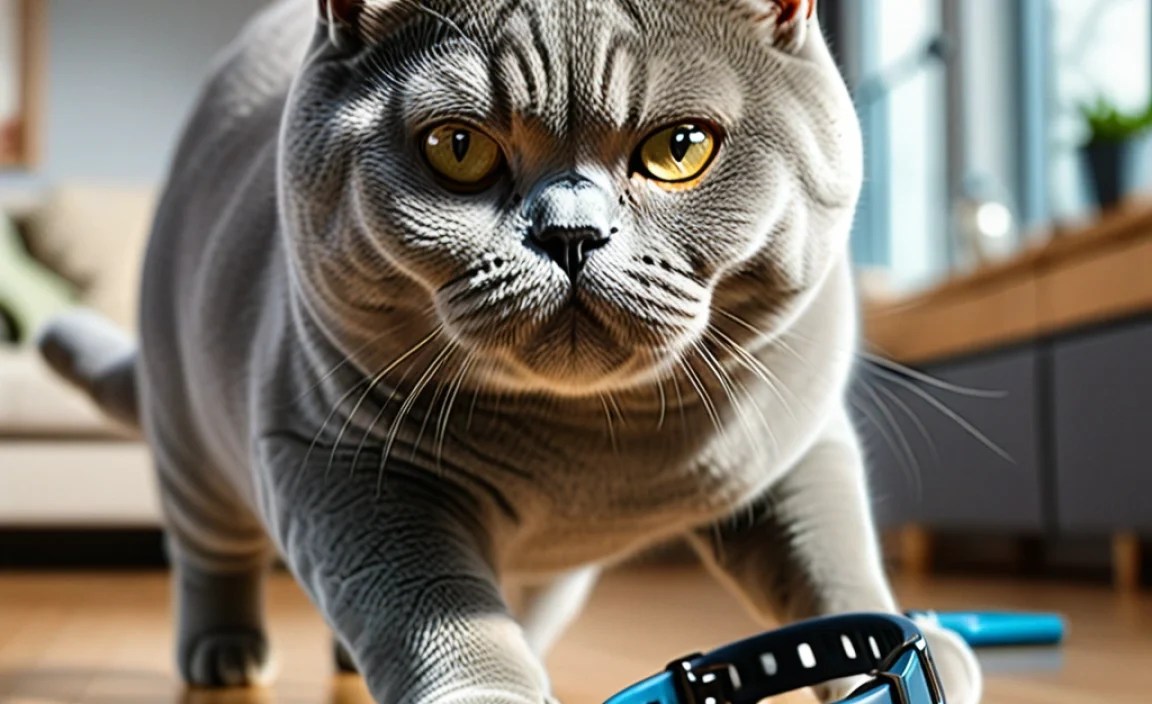
It’s important to monitor your British Shorthair’s activity levels to ensure they’re getting enough exercise. Here are a few things to look for:
- Weight: Weigh your cat regularly to ensure they’re maintaining a healthy weight.
- Energy Levels: Observe your cat’s energy levels throughout the day. Are they playful and engaged, or are they mostly sleeping?
- Mobility: Watch for any signs of stiffness or difficulty moving, which could indicate a health problem.
Using Activity Trackers
Consider using a pet activity tracker to get a more detailed picture of your cat’s activity levels. These devices attach to your cat’s collar and track their movements throughout the day. Some activity trackers also monitor sleep patterns and other health metrics.
Here’s a comparison of some popular pet activity trackers:
| Tracker | Features | Pros | Cons | Approximate Price |
|---|---|---|---|---|
| Whistle GO Explore | GPS tracking, activity monitoring, health alerts | Comprehensive features, reliable GPS | Subscription required | £99.99 |
| FitBark 2 | Activity monitoring, sleep tracking, breed-specific insights | Long battery life, durable | No GPS tracking | £69.95 |
| Tractive GPS Cat Tracker | GPS tracking, activity monitoring, escape alerts | Affordable, good GPS accuracy | Can be bulky for smaller cats | £44.99 |
Addressing Common Challenges

Sometimes, despite your best efforts, your British Shorthair may still be reluctant to exercise. Here are some common challenges and how to address them:
1. Overweight Cats
If your British Shorthair is overweight, it’s important to address this issue gradually. Start by reducing their food intake and increasing their activity levels. Consult with your veterinarian to determine the best weight loss plan for your cat. They may recommend a special diet or suggest specific exercises to help your cat shed those extra pounds.
2. Senior Cats
As cats age, their activity levels naturally decline. However, it’s still important to encourage them to stay active to maintain their mobility and prevent stiffness. Choose low-impact activities, such as gentle stretching or short walks around the house. Consider providing them with comfortable, supportive bedding to ease any joint pain.
3. Cats with Health Issues
If your British Shorthair has any underlying health conditions, such as arthritis or heart disease, it’s important to consult with your veterinarian before starting any new exercise program. They can advise you on safe and appropriate activities for your cat’s specific condition. According to the Cornell Feline Health Center, modified play and environmental adjustments can significantly improve the quality of life for cats with health issues.
4. Boredom
Sometimes, cats simply get bored with their surroundings. To combat boredom, try to vary your cat’s environment and provide them with new and interesting things to explore. This could involve rearranging the furniture, introducing new toys, or simply opening up a new window for them to look out of.
Creating an Engaging Environment
Ultimately, the key to keeping your British Shorthair active indoors is to create an engaging and stimulating environment that encourages them to play and explore. This means providing them with plenty of opportunities for climbing, scratching, and playing, as well as ensuring they have access to fresh food, water, and a clean litter box. A happy and stimulated cat is more likely to be an active cat!
Frequently Asked Questions
Here are some frequently asked questions about keeping British Shorthairs active indoors:
- Q: How much exercise does a British Shorthair need?
- A: Aim for at least 15-20 minutes of active play each day, broken up into shorter sessions.
- Q: What are some good toys for British Shorthairs?
- A: Interactive toys like laser pointers, puzzle feeders, and wand toys are great options.
- Q: How can I encourage my cat to climb?
- A: Provide cat trees, shelves, and window perches to create vertical space for climbing.
- Q: Is catnip safe for cats?
- A: Yes, catnip is generally safe for cats. However, some cats may not react to it.
- Q: What if my cat is overweight?
- A: Reduce their food intake and increase their activity levels. Consult with your veterinarian for a weight loss plan.
- Q: How can I keep my senior cat active?
- A: Choose low-impact activities and provide comfortable bedding. Consult with your veterinarian for advice.
- Q: Are activity trackers useful for cats?
- A: Yes, activity trackers can provide valuable insights into your cat’s activity levels and health.
Conclusion
Keeping your British Shorthair active indoors is essential for their physical and mental well-being. By incorporating interactive toys, climbing opportunities, scheduled playtime, and other creative ideas, you can create an engaging environment that encourages them to stay active and healthy. Remember to monitor their activity levels and adjust their routine as needed. With a little effort, you can ensure your furry friend enjoys a long, happy, and active life indoors.


