
Indoor Hairball Prevention for British Shorthairs: Easy Guide

**Quick Summary:** British Shorthairs are prone to hairballs due to their dense coats. Indoor hairball prevention focuses on regular grooming (brushing several times a week), a high-fiber diet, hairball-specific food or treats, encouraging hydration, and providing a stress-free environment. These steps help minimize shedding and assist your cat in naturally passing any ingested hair, keeping them happy and healthy.
Is your British Shorthair coughing up hairballs? Don’t worry, you’re not alone! These adorable cats are known for their thick, plush coats, which unfortunately means they’re also prone to hairballs. It’s a common issue, but thankfully, there are plenty of things you can do to help your furry friend. I’m Frances O’Brien, and I’ve spent years helping British Shorthair owners just like you manage this problem. Together, we’ll explore simple, effective ways to keep your kitty comfortable and hairball-free.
Understanding Hairballs in British Shorthairs

Before we dive into prevention, let’s understand why British Shorthairs are so susceptible to hairballs. Their dense coat means they ingest a lot of hair when they groom themselves. While cats can usually pass this hair through their digestive system, sometimes it clumps together, forming a hairball. This hairball then gets coughed up. While occasional hairballs are normal, frequent ones can indicate a need for preventive measures.
Why British Shorthairs?
- Dense Coat: The breed’s thick fur leads to increased shedding and hair ingestion.
- Grooming Habits: British Shorthairs are meticulous groomers, increasing hair intake.
- Indoor Lifestyle: Indoor cats often shed more consistently year-round.
Step-by-Step Guide to Indoor Hairball Prevention

Here’s a comprehensive guide to preventing hairballs in your indoor British Shorthair. These steps focus on reducing shedding, promoting healthy digestion, and creating a comfortable environment for your cat.
Step 1: Regular Grooming
Grooming is the most important step in hairball prevention. By regularly brushing your British Shorthair, you remove loose hair before they can ingest it.
How to Groom:
- Frequency: Brush your cat several times a week, ideally daily during shedding season (spring and fall).
- Tools: Use a slicker brush or a de-shedding tool designed for cats.
- Technique: Gently brush in the direction of hair growth, paying attention to areas where they shed the most, such as the back and sides.
- Deshedding: Consider professional grooming for deshedding treatments if your cat sheds excessively.
Step 2: Diet and Nutrition
What your British Shorthair eats plays a significant role in hairball prevention. A high-fiber diet can help move hair through their digestive system more efficiently.
Dietary Tips:
- High-Fiber Food: Choose a cat food formulated for hairball control. These often contain higher fiber levels.
- Wet Food: Incorporating wet food into their diet adds moisture, which can aid digestion.
- Hairball Treats: Offer hairball treats that contain lubricants like mineral oil or petroleum jelly.
Step 3: Hairball Remedies and Supplements
Several remedies and supplements can help your cat pass hair more easily.
Options to Consider:
- Hairball Lubricants: These come in gel or paste form and help lubricate the digestive tract. Follow the product instructions carefully.
- Psyllium Husk: A natural fiber supplement that can be added to their food. Consult your vet for the correct dosage.
- Olive Oil: A small amount (around a teaspoon) can be added to their food to act as a lubricant. Use sparingly.
Step 4: Hydration is Key
Proper hydration is essential for healthy digestion and helps prevent hair from clumping together in the stomach.
Encouraging Hydration:
- Fresh Water: Always provide fresh, clean water.
- Water Fountain: Cats often prefer running water, so consider a pet water fountain.
- Wet Food: As mentioned earlier, wet food is a great way to increase their water intake.
Step 5: Create a Stress-Free Environment
Stress can contribute to excessive grooming, which in turn leads to more hairballs. A calm and stable environment can help reduce this behavior.
Stress Reduction Tips:
- Safe Spaces: Provide plenty of comfortable and secure resting spots.
- Routine: Stick to a consistent feeding and playtime schedule.
- Enrichment: Offer toys and scratching posts to keep them entertained and reduce boredom.
- Feliway Diffusers: Consider using Feliway diffusers, which release synthetic feline pheromones to help calm your cat.
Step 6: Monitor and Consult Your Vet
Keep a close eye on your British Shorthair’s hairball frequency and overall health. If you notice any concerning symptoms, consult your veterinarian.
When to See a Vet:
- Frequent Hairballs: More than once a month.
- Loss of Appetite: If they stop eating or show a decreased appetite.
- Lethargy: If they seem unusually tired or weak.
- Constipation or Diarrhea: Changes in their bowel movements.
- Persistent Coughing or Vomiting: If they’re constantly trying to expel a hairball but can’t.
Choosing the Right Products

Selecting the right products can make a significant difference in managing hairballs. Here’s a guide to choosing the best options for your British Shorthair.
Brushes and Grooming Tools
Different brushes serve different purposes. Here’s a breakdown:
- Slicker Brush: Effective for removing loose hair and preventing mats.
- De-Shedding Tool: Designed to reach deep into the coat and remove undercoat.
- Grooming Glove: A gentle option for cats who dislike traditional brushes.
Hairball Control Cat Food
Look for foods with these key ingredients:
- High Fiber: Beet pulp, cellulose, or psyllium.
- Omega Fatty Acids: To promote healthy skin and coat, reducing shedding.
- Digestible Protein: Easy for your cat to process.
Hairball Remedies
Choose remedies based on your cat’s preferences and your vet’s recommendations.
- Gels and Pastes: Often flavored to be palatable for cats.
- Treats: A convenient and tasty way to administer lubricants.
- Supplements: Psyllium husk or other fiber supplements.
Troubleshooting Common Issues
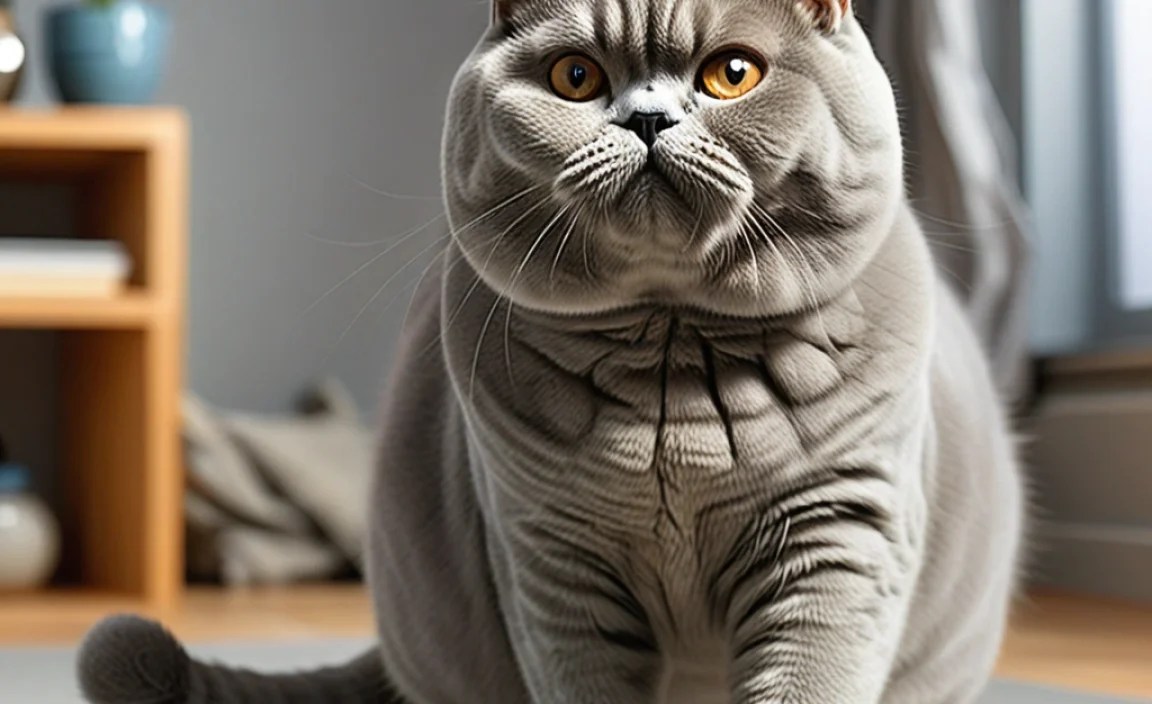
Sometimes, despite your best efforts, your British Shorthair might still experience hairballs. Here are some common issues and how to address them.
Problem: Picky Eaters
If your cat refuses hairball control food, try these tips:
- Gradual Transition: Slowly mix the new food with their old food.
- Flavor Enhancers: Add a small amount of tuna juice or chicken broth to make it more appealing.
- Different Brands: Experiment with different brands and flavors to find one they like.
Problem: Resistance to Grooming
If your cat dislikes being brushed, try these strategies:
- Positive Reinforcement: Reward them with treats and praise during and after grooming sessions.
- Short Sessions: Start with short grooming sessions and gradually increase the duration.
- Gentle Approach: Use a soft brush and avoid pulling or tugging on their fur.
Problem: Persistent Hairballs Despite Prevention
If your cat continues to have frequent hairballs despite your efforts, consult your veterinarian to rule out any underlying health issues.
The Role of Genetics

While environmental factors play a significant role in hairball formation, genetics can also contribute. Some British Shorthairs may simply be predisposed to shedding more than others, regardless of their diet or grooming routine.
Understanding Genetic Predisposition
- Breeding: Responsible breeders often select for traits that minimize shedding.
- Individual Variation: Even within the same litter, some cats may shed more than others.
- Consultation: Discuss any concerns about excessive shedding with your vet, who can assess whether genetics play a role.
Creating a Safe and Comfortable Indoor Environment
Beyond addressing hairballs directly, creating a comfortable indoor environment for your British Shorthair can contribute to their overall well-being and reduce stress-related grooming.
Environmental Enrichment
- Vertical Space: Provide cat trees or shelves to allow them to climb and explore.
- Scratching Posts: Offer a variety of scratching surfaces to satisfy their natural instincts.
- Playtime: Engage them in regular play sessions to keep them mentally stimulated and physically active.
Maintaining a Clean Home
- Regular Vacuuming: Vacuum frequently to remove loose hair from carpets and furniture.
- Air Purifiers: Consider using an air purifier to reduce allergens and dust in the air.
- Litter Box Hygiene: Keep their litter box clean to encourage good hygiene habits.
Long-Term Management and Care
Preventing hairballs is an ongoing process that requires consistent effort and attention. By incorporating these strategies into your daily routine, you can help your British Shorthair live a happier and healthier life.
Regular Veterinary Check-ups
- Annual Exams: Schedule annual check-ups with your vet to monitor their overall health.
- Dental Care: Maintain good dental hygiene to prevent dental issues that can affect their appetite and grooming habits.
- Vaccinations and Parasite Control: Keep them up-to-date on vaccinations and parasite control to protect them from diseases.
Adjusting Your Approach Over Time
- Age-Related Changes: As your cat ages, their needs may change. Adjust their diet, grooming routine, and environment accordingly.
- Seasonal Variations: Be prepared to increase grooming frequency during shedding season.
- Ongoing Monitoring: Continue to monitor their hairball frequency and overall health, and adjust your approach as needed.
Table: Hairball Prevention Methods Compared
| Method | Description | Frequency | Benefits | Considerations |
|---|---|---|---|---|
| Grooming | Brushing to remove loose hair | Several times a week (daily during shedding season) | Reduces hair ingestion, prevents mats | Requires patience, may need to try different brushes |
| High-Fiber Diet | Hairball control cat food | Daily | Aids digestion, helps move hair through the digestive system | May need to transition gradually, check ingredient list |
| Hairball Remedies | Lubricants in gel or treat form | As directed on the product label | Lubricates the digestive tract, helps hair pass more easily | Follow instructions carefully, some cats may dislike the taste |
| Hydration | Fresh water, wet food, water fountain | Daily | Promotes healthy digestion, prevents hair from clumping | Ensure constant access to fresh water, clean water fountain regularly |
| Stress Reduction | Safe spaces, routine, enrichment | Ongoing | Reduces excessive grooming, promotes overall well-being | Requires consistent effort, identify and address stressors |
Table: Common Ingredients in Hairball Cat Food
| Ingredient | Purpose | Examples |
|---|---|---|
| Fiber | Aids digestion and helps move hair through the digestive system. | Beet pulp, cellulose, psyllium husk |
| Omega Fatty Acids | Promotes healthy skin and coat, reducing shedding. | Fish oil, flaxseed |
| Digestible Protein | Easy for your cat to process, supporting overall health. | Chicken, turkey, fish |
| Moisture | Helps keep the digestive system lubricated and aids in the passage of hair. | Wet food formulations |
FAQ: Hairball Prevention for British Shorthairs
Here are some frequently asked questions about hairball prevention in British Shorthairs:
Q: How often is too often for a cat to have hairballs?
A: If your British Shorthair is coughing up hairballs more than once a month, it’s a good idea to consult your veterinarian. Frequent hairballs can sometimes indicate an underlying issue or the need for more effective preventive measures.
Q: Can hairballs be dangerous for cats?
A: Yes, in some cases, hairballs can lead to complications. If a hairball becomes too large to pass, it can cause a blockage in the digestive tract, requiring veterinary intervention.
Q: Are hairball control cat foods effective?
A: Many cat owners find hairball control cat foods to be effective, as these foods often contain higher fiber levels to aid digestion and help move hair through the digestive system.
Q: Is it normal for kittens to get hairballs?
A: While kittens are less prone to hairballs than adult cats, they can still develop them, especially as they begin to groom themselves more frequently. Regular grooming can help prevent hairballs in kittens.
Q: Can I use human hairball remedies for my cat?
A: No, you should never use human hairball remedies for your cat. These products may contain ingredients that are harmful to cats. Always use products specifically formulated for feline use.
Q: How can I tell if my cat is trying to cough up a hairball?
A: Cats trying to expel a hairball may exhibit symptoms such as hacking, gagging, or vomiting. They may also appear restless or uncomfortable.
Q: What else can I do to support my cat’s digestive health?
A: In addition to the steps mentioned above, you can support your cat’s digestive health by providing probiotics or digestive enzymes, ensuring they have access to fresh water, and maintaining a consistent feeding schedule.
Conclusion
Preventing hairballs in your British Shorthair requires a multi-faceted approach, combining regular grooming, a balanced diet, proper hydration, and a stress-free environment. While occasional hairballs are normal, consistent preventive measures can significantly reduce their frequency and improve your cat’s overall well-being. Remember to monitor your cat’s health closely and consult your veterinarian if you have any concerns. By following these steps, you can help your beloved British Shorthair live a happy, healthy, and hairball-free life. I hope this has helped, and remember, a little care goes a long way in keeping your furry friend purring!


