
British Shorthair Lifespan Best Practices: The Ultimate Guide

Have you ever seen a fluffy, round-faced cat? It might be a British Shorthair! These cats are known for their calm and loving nature. People often wonder about their health. They also ask, “How can I help my cat live a long life?” Understanding British Shorthair lifespan best practices is key. Let’s learn how to keep these furry friends happy and healthy!
British Shorthairs are wonderful pets. They need special care to thrive. What can you do to ensure your cat lives a long and joyful life? Let’s find out the best ways to care for these amazing cats. We want them to be with us for many years.
Key Takeaways
* Proper diet and exercise are crucial for a healthy and long life for your British Shorthair.
* Regular vet check-ups can help catch any health problems early. This helps your cat live longer.
* Creating a stress-free environment will improve your British Shorthair’s overall well-being.
* Grooming is very important; regular brushing prevents hairballs and keeps their coat healthy.
* Following British Shorthair lifespan best practices can significantly extend their years with you.
British Shorthair Lifespan: What to Expect

British Shorthairs are awesome cats. How long do they usually live? Most live between 12 and 17 years. Some may even live longer! Many things can affect their lifespan. These include their diet, exercise, and health care. Genetics also play a role. Good care can help your cat live a longer, healthier life. Understanding what to expect helps you prepare. You can provide the best possible care. This ensures they stay happy and healthy for years. Knowing the average lifespan is the first step.
* Average lifespan is 12–17 years.
* Good care increases lifespan.
* Genetics play a big role.
* Diet and exercise are important.
* Regular vet visits are essential.
Keeping your British Shorthair healthy involves more than just food and water. It means creating a loving and safe home. Regular check-ups with the vet can catch problems early. Early detection can lead to better treatment. This helps your cat live longer. A balanced diet keeps them at a healthy weight. Exercise helps them stay active and strong. It is important to give your cat lots of love and attention. A happy cat is often a healthy cat. By understanding what to expect and providing great care, you can help your British Shorthair enjoy a long and wonderful life.
Fun Fact or Stat: The oldest recorded British Shorthair lived to be over 20 years old! This shows that with the right care, they can live very long lives.
How Genetics Influence Lifespan
Do you know that your cat’s family history matters? Genetics play a big part in how long a cat lives. Some British Shorthairs may be prone to certain health issues. These issues can affect their lifespan. Knowing your cat’s family history can help. You can watch out for potential problems. Responsible breeders often screen for genetic diseases. This helps ensure healthier kittens.
Taking care of a cat with genetic predispositions means being extra vigilant. Regular check-ups can help catch problems early. Diet and exercise can manage potential weight issues. Knowing the risks allows you to take proactive steps. You can help your cat live a longer and healthier life. Genetic factors are important, but they are not the only thing. A loving home and good care can make a big difference. Your cat can still have a long and happy life, even with genetic challenges. Working closely with your vet is key to managing any genetic health issues. They can provide the best advice for your cat’s specific needs.
Importance of Early Veterinary Care
Why are early vet visits so important? Starting vet care early in your cat’s life is essential. Kittens need vaccinations and check-ups. These visits can spot any health problems early on. Regular check-ups as they grow older are also important. Vets can monitor their health and catch any issues before they become serious.
Early veterinary care sets the stage for a healthy life. Vaccinations protect against common diseases. Regular check-ups monitor weight and overall health. Vets can also offer advice on diet and exercise. Early care helps prevent problems. It also ensures that your cat gets the best start in life. As your cat gets older, vet visits become even more important. They can help detect age-related issues early. This allows for prompt treatment and better management. By prioritizing early and regular vet care, you are investing in your cat’s long-term health and happiness. It’s a small investment that pays off in years of companionship.
The Role of Diet in Longevity
Have you ever thought about what your cat eats? Diet plays a huge role in how long your cat lives. A balanced diet keeps your cat healthy. It helps prevent many health problems. Choose high-quality cat food. Make sure it has all the nutrients your cat needs. Avoid giving your cat too many treats.
A good diet supports a healthy weight. Obesity can lead to many health issues. These include diabetes and heart problems. Make sure your cat gets enough protein. Protein helps build strong muscles. Also, ensure they get the right amount of vitamins and minerals. These support overall health. Water is also very important. Make sure your cat always has fresh, clean water. A healthy diet is a cornerstone of British Shorthair lifespan best practices. It ensures that your cat gets the nutrients they need to thrive. By paying attention to what your cat eats, you can help them live a long and healthy life. A balanced diet is an investment in their well-being.
Best Diet Choices for British Shorthairs

What should your British Shorthair eat? They need a diet that is rich in protein. It should also be balanced with essential nutrients. High-quality cat food is the best choice. Look for brands that list meat as the first ingredient. Avoid foods with a lot of fillers. These have little nutritional value. A good diet supports their overall health.
* Choose high-quality cat food.
* Look for meat as the first ingredient.
* Avoid foods with fillers.
* Ensure a balanced diet.
* Provide fresh water.
The right diet can prevent health problems. Obesity is common in British Shorthairs. Control their portions to maintain a healthy weight. Consider wet food. It can help with hydration. Always talk to your vet. They can recommend the best food for your cat. Your vet will consider your cat’s age, weight, and health. A good diet is more than just filling their bowl. It is about providing the right nutrients. This helps your cat thrive. Understanding the best diet choices is part of British Shorthair lifespan best practices. It can significantly improve your cat’s quality of life.
Fun Fact or Stat: British Shorthairs are prone to weight gain, so portion control is very important to help them live longer.
Understanding Nutritional Needs
Do you know what your cat needs to eat? Cats need a diet that is high in protein. They also need essential vitamins and minerals. Protein helps build and repair tissues. Vitamins and minerals support overall health. Taurine is very important for cats. It supports heart and eye health.
Understanding your cat’s nutritional needs is crucial. Look for cat foods that list specific nutrients. These include taurine, omega-3 fatty acids, and antioxidants. Omega-3 fatty acids support healthy skin and coat. Antioxidants help protect against cell damage. Avoid foods with artificial colors, flavors, or preservatives. These can be harmful to your cat. Read the labels carefully. Choose foods that offer a balanced and complete diet. Remember to adjust their diet as they age. Kittens, adults, and seniors have different nutritional needs. By understanding these needs, you can ensure your cat gets the right nutrients. This will help them stay healthy and happy throughout their life. Knowing the right nutrition is vital for British Shorthair lifespan best practices.
Wet vs. Dry Food: Which is Better?
Have you wondered about wet and dry food? Both have pros and cons. Dry food is convenient and can help clean teeth. Wet food has more moisture and can help with hydration. Some cats prefer one over the other. The best choice depends on your cat’s needs and preferences.
Wet food is often more appealing to cats. It has a stronger smell and flavor. It also has a higher water content. This is good for cats who don’t drink enough water. Dry food is easier to store. It can be left out for longer periods. It also tends to be more affordable. A combination of both wet and dry food can be a good option. This provides the benefits of both. Talk to your vet. They can help you decide which is best for your cat. Consider your cat’s age, health, and preferences. Whether you choose wet, dry, or a combination, make sure it is a high-quality food. This ensures your cat gets the nutrients they need to thrive. Both types of food contribute to British Shorthair lifespan best practices when chosen wisely.
Avoiding Harmful Ingredients
What should you avoid in cat food? Some ingredients can be harmful to cats. Avoid foods with a lot of fillers. These include corn, wheat, and soy. These ingredients have little nutritional value. They can also cause allergies or digestive problems. Artificial colors, flavors, and preservatives are also bad.
Read the ingredient list carefully. Look for high-quality ingredients. Meat should be the first ingredient. Avoid foods with added sugar or salt. These can lead to health problems. Be cautious of by-products. These can be low-quality protein sources. Choose foods that are specifically formulated for cats. Human food is not always safe for cats. Some foods, like chocolate and onions, are toxic to cats. By avoiding harmful ingredients, you can protect your cat’s health. This helps them live a longer, healthier life. Choosing the right food is part of British Shorthair lifespan best practices. It can prevent many health issues and improve their overall well-being. Always check the label and consult with your vet if you are unsure about an ingredient.
Exercise and Play: Keeping Active
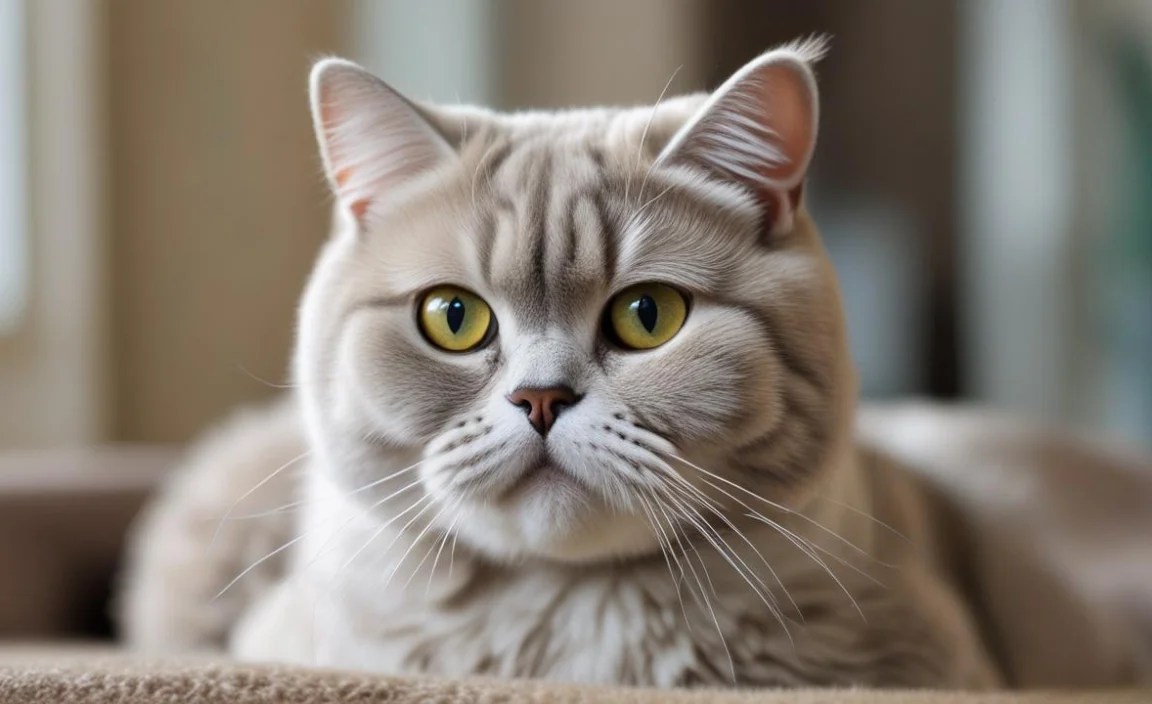
British Shorthairs can be lazy. They still need regular exercise. Exercise keeps them healthy and prevents weight gain. Playtime is a great way to get them moving. Use toys to encourage them to run and jump. Even short play sessions can make a big difference.
* Regular exercise is important.
* Playtime keeps them active.
* Use toys to encourage movement.
* Prevent weight gain.
* Keep them mentally stimulated.
Exercise is not just about physical health. It also keeps them mentally stimulated. Bored cats can become destructive. Provide scratching posts and climbing structures. These give them a place to play. Rotate their toys to keep them interested. A happy and active cat is more likely to live a long life. Incorporate exercise into their daily routine. Even if it’s just for a few minutes each day. Remember, British Shorthair lifespan best practices includes staying active. This helps them stay fit and healthy.
Fun Fact or Stat: British Shorthairs are not known for being super active, but daily play sessions can add years to their lives.
Creating an Engaging Environment
How can you make your home fun for your cat? Cats need an environment that is both safe and stimulating. Provide plenty of toys. These can include balls, mice, and feather wands. Scratching posts are essential. They allow cats to scratch and stretch. Climbing structures give them a place to climb.
Rotate your cat’s toys regularly. This keeps them interested. Provide hiding places. Cats like to have a safe place to retreat. Cardboard boxes and cat tunnels are great options. Make sure your home is free of hazards. Keep electrical cords out of reach. Store cleaning supplies safely. An engaging environment keeps your cat happy and healthy. It also helps prevent boredom and destructive behavior. A stimulating environment is key to British Shorthair lifespan best practices. It enhances their quality of life and contributes to their overall well-being. By creating a fun and safe home, you are investing in your cat’s happiness and longevity.
Fun Games to Keep Your Cat Fit
What games can you play with your cat? Many games can keep your cat active and entertained. Feather wands are a classic choice. Cats love to chase and pounce on them. Laser pointers can also be fun. But be careful not to shine them in their eyes. Puzzle toys are great for mental stimulation.
Try hiding treats around the house. Encourage your cat to hunt for them. This provides both exercise and mental stimulation. Use a catnip mouse to entice them to play. Cats love the smell of catnip. Play fetch with a small ball or toy. Some cats enjoy chasing and retrieving items. Rotate the games you play. This keeps your cat interested. Short, frequent play sessions are better than long, infrequent ones. Aim for at least 15-20 minutes of playtime each day. By incorporating fun games into their routine, you can keep your cat fit and happy. This is an important part of British Shorthair lifespan best practices. It helps them stay healthy and active throughout their life.
The Importance of Mental Stimulation
Why is mental stimulation important for cats? Mental stimulation keeps their minds sharp. It also helps prevent boredom and stress. Bored cats can develop behavioral problems. These include excessive grooming and destructive behavior. Puzzle toys are a great way to provide mental stimulation.
These toys require cats to solve a problem to get a treat. This challenges their minds. Rotate their toys regularly. This keeps them interested. Teach your cat new tricks. This can be a fun and rewarding way to bond. Provide opportunities for them to explore. A window perch allows them to watch the outside world. This can be very stimulating. Mental stimulation is just as important as physical exercise. It contributes to their overall well-being. It also helps them live a happier and more fulfilling life. Don’t forget about mental stimulation when thinking about British Shorthair lifespan best practices. A stimulated mind is a healthy mind.
Regular Vet Check-Ups: Early Detection

Regular vet check-ups are very important. They help catch health problems early. Early detection can lead to better treatment. This helps your cat live a longer, healthier life. Kittens need more frequent check-ups. Adult cats should see the vet at least once a year. Senior cats may need to go more often.
* Catch health problems early.
* Leads to better treatment.
* Kittens need frequent check-ups.
* Adults need annual check-ups.
* Seniors may need more frequent visits.
During a check-up, the vet will examine your cat. They will check their weight, teeth, and coat. They will also listen to their heart and lungs. Vaccinations are also important. They protect against common diseases. Regular vet visits are a key part of British Shorthair lifespan best practices. They help ensure your cat stays healthy and happy. Don’t skip these important appointments.
Fun Fact or Stat: Cats who have regular vet check-ups tend to live two years longer than those who don’t.
What to Expect During a Vet Visit
What happens at a vet visit? The vet will start by asking about your cat’s health. They will ask about their diet, behavior, and any concerns you have. Then, they will perform a physical exam. They will check your cat’s eyes, ears, and mouth. They will also listen to their heart and lungs.
The vet will check your cat’s weight. They will also feel their abdomen. This helps them check for any abnormalities. Vaccinations are given to protect against common diseases. The vet may also recommend blood tests or other diagnostic tests. These tests can help detect underlying health problems. Don’t be afraid to ask questions. The vet is there to help you. They can provide advice on diet, exercise, and other aspects of your cat’s care. Regular vet visits are a great opportunity to discuss any concerns you have. They also ensure that your cat is getting the best possible care. Knowing what to expect can help you feel more prepared. It can also help your cat feel more comfortable during the visit. Remember, vet visits are a crucial part of British Shorthair lifespan best practices.
Recognizing Signs of Illness
How can you tell if your cat is sick? Cats can be good at hiding illness. It is important to watch for subtle signs. Changes in appetite, weight, or behavior can be red flags. Vomiting, diarrhea, or constipation are also signs of illness.
If your cat is lethargic or less active than usual, it could be a sign of a problem. Watch for changes in their litter box habits. Difficulty urinating or blood in the urine can be serious. Coughing, sneezing, or difficulty breathing are also signs of illness. If you notice any of these signs, contact your vet right away. Early detection is key to successful treatment. Don’t wait to see if the symptoms go away on their own. Trust your instincts. If something doesn’t seem right, it’s always best to get it checked out. Being observant and proactive is a part of British Shorthair lifespan best practices. It can make a big difference in your cat’s health and well-being.
Importance of Vaccinations and Parasite Control
Why are vaccinations important? Vaccinations protect against common diseases. These diseases can be serious or even fatal. Kittens need a series of vaccinations. Adult cats need booster shots. Parasite control is also important. Fleas, ticks, and worms can cause health problems.
Talk to your vet about the best vaccination and parasite control plan for your cat. Regular deworming is important. This prevents intestinal parasites. Flea and tick prevention is also essential. There are many different products available. Your vet can help you choose the best one for your cat. Vaccinations and parasite control are essential for protecting your cat’s health. They also contribute to their overall well-being. These preventative measures are a key part of British Shorthair lifespan best practices. They help ensure that your cat stays healthy and free from disease. Don’t skip these important steps. They can make a big difference in your cat’s life.
Creating a Stress-Free Environment

Cats are sensitive to stress. A stressful environment can affect their health. It can also lead to behavioral problems. Create a calm and peaceful home for your cat. Provide a safe and comfortable space for them. Avoid loud noises and sudden changes.
* Cats are sensitive to stress.
* Stress can affect their health.
* Create a calm and peaceful home.
* Provide a safe space.
* Avoid loud noises and sudden changes.
Cats need a predictable routine. Feed them at the same time each day. Clean their litter box regularly. Spend time playing with them each day. A stress-free environment is essential for British Shorthair lifespan best practices. It promotes their well-being and helps them live longer. A happy cat is a healthy cat.
Fun Fact or Stat: Stress can shorten a cat’s life by up to two years, so a calm environment is essential.
Understanding Cat Behavior
Do you know what your cat is trying to tell you? Understanding cat behavior can help you create a better environment. Cats communicate through body language. They also use vocalizations. A happy cat will often purr and rub against you.
A scared cat may hide or hiss. Learn to recognize the signs of stress in your cat. These include flattened ears, dilated pupils, and a twitching tail. Provide plenty of scratching posts. Cats need to scratch to maintain their claws. They also use scratching to mark their territory. Play with your cat regularly. This helps them release energy and bond with you. By understanding your cat’s behavior, you can better meet their needs. This creates a more harmonious environment. It also contributes to their overall well-being. Paying attention to their behavior is a critical element in British Shorthair lifespan best practices. It fosters a stronger bond and a healthier, happier cat.
Providing Safe Hiding Spots
Why do cats need hiding spots? Cats need a safe place to retreat when they feel scared or stressed. Hiding spots give them a sense of security. Cardboard boxes, cat tunnels, and covered beds are great options. Place hiding spots in different areas of your home.
Make sure the hiding spots are easily accessible. Cats should be able to enter and exit them easily. Provide a variety of hiding spots. Some cats prefer enclosed spaces. Others prefer to hide under furniture. A safe hiding spot can help your cat feel more secure. It also reduces stress. This is especially important in multi-pet households. Ensure that each cat has its own safe space. Providing safe hiding spots is a simple but effective way to create a stress-free environment. It also contributes to British Shorthair lifespan best practices. By giving them a place to feel safe, you are supporting their emotional well-being.
Minimizing Environmental Stressors
What can you do to reduce stress in your home? Many things can stress cats out. Loud noises, sudden changes, and unfamiliar people can all be stressful. Minimize these stressors as much as possible. Keep the volume down on the TV and radio. Avoid sudden changes in routine.
Introduce new people and pets slowly. Provide a quiet space for your cat to retreat to when visitors are over. Use pheromone diffusers. These can help reduce stress and anxiety. Clean your cat’s litter box regularly. A dirty litter box can be stressful. Provide plenty of fresh water. Make sure your cat has access to food and water at all times. By minimizing environmental stressors, you can create a more peaceful home for your cat. This promotes their well-being and helps them live a longer, healthier life. Reducing stress is a vital part of British Shorthair lifespan best practices. It enhances their quality of life and fosters a stronger bond with you.
Grooming: Keeping Their Coat Healthy
British Shorthairs have thick coats. They need regular grooming. Grooming helps prevent mats and tangles. It also reduces shedding. Brush your cat at least once a week. This will keep their coat healthy and shiny. It also helps prevent hairballs.
* Regular grooming is important.
* Prevents mats and tangles.
* Reduces shedding.
* Brush at least once a week.
* Helps prevent hairballs.
Grooming is also a good way to bond with your cat. Most cats enjoy being brushed. Start grooming your cat when they are young. This will help them get used to it. Regular grooming is essential for British Shorthair lifespan best practices. It keeps their coat healthy and promotes their overall well-being.
Fun Fact or Stat: Regular grooming can reduce hairballs by 70%, which can prevent serious health issues.
Best Brushing Techniques
How should you brush your cat? Use a soft-bristled brush. Start by brushing their head and neck. Then, move down their body. Be gentle and avoid pulling their fur. Pay attention to areas that are prone to mats. These include behind the ears and under the legs.
Brush in the direction of hair growth. This will help remove loose hair. Use a metal comb to detangle any mats. Be careful not to hurt your cat. If you find a stubborn mat, use scissors to carefully cut it out. Don’t try to pull it out. This can be painful. Reward your cat with treats after brushing. This will help them associate grooming with positive experiences. Regular brushing is a great way to keep your cat’s coat healthy. It also helps you bond with your cat. Knowing the best brushing techniques is a key aspect of British Shorthair lifespan best practices. It ensures that your cat’s coat stays healthy and free from mats and tangles.
Dealing with Shedding
How can you manage shedding? British Shorthairs shed a lot. Especially during the spring and fall. Regular brushing can help reduce shedding. Use a deshedding tool. These tools are designed to remove loose hair.
Bathe your cat regularly. This can also help reduce shedding. Use a cat-specific shampoo. Avoid using human shampoo. This can dry out their skin. Feed your cat a diet rich in omega-3 fatty acids. This can help improve their coat health. It also reduces shedding. Vacuum your home regularly. This will help remove loose hair from furniture and carpets. Dealing with shedding can be challenging. But with the right techniques, you can minimize the amount of hair in your home. Managing shedding is a part of British Shorthair lifespan best practices. It keeps your cat comfortable and reduces the risk of hairballs.
Preventing Hairballs
How can you prevent hairballs? Hairballs are a common problem for cats. They occur when cats swallow hair while grooming. Regular brushing can help reduce hairballs. Feed your cat a hairball control diet. These diets contain ingredients that help break down hair in the digestive system.
Give your cat hairball treats or supplements. These can help lubricate the digestive tract. This makes it easier for hair to pass through. Make sure your cat has plenty of fresh water. This helps keep their digestive system healthy. If your cat is vomiting hairballs frequently, contact your vet. This could be a sign of an underlying health problem. Preventing hairballs is important for your cat’s health. It also helps them feel more comfortable. Taking proactive steps to prevent hairballs is a key aspect of British Shorthair lifespan best practices. It helps maintain their digestive health and prevents potential complications.
Dental Care: Maintaining Healthy Teeth
Dental care is very important for cats. Dental problems can lead to other health issues. Brush your cat’s teeth regularly. Use a cat-specific toothbrush and toothpaste. Get your cat’s teeth cleaned by a vet. Regular dental care helps prevent dental disease.
* Dental care is very important.
* Prevents dental problems.
* Brush teeth regularly.
* Use cat-specific products.
* Get professional cleanings.
Dental disease can cause pain and discomfort. It can also lead to more serious health problems. Regular dental care is essential for British Shorthair lifespan best practices. It helps them live a longer, healthier life.
Fun Fact or Stat: Cats with good dental health live up to three years longer than those with poor dental health.
Brushing Your Cat’s Teeth
How can you brush your cat’s teeth? Start by getting your cat used to the taste of toothpaste. Put a small amount on your finger and let them lick it off. Then, introduce the toothbrush. Use a soft-bristled toothbrush designed for cats.
Gently brush their teeth in a circular motion. Focus on the outer surfaces. Don’t worry about brushing the inner surfaces. Most cats won’t tolerate it. Brush their teeth for about two minutes. Reward your cat with treats after brushing. This will help them associate brushing with positive experiences. Brush their teeth at least a few times a week. Daily brushing is ideal. Regular brushing helps prevent plaque and tartar buildup. It also keeps their gums healthy. Making tooth brushing a routine is a crucial element in British Shorthair lifespan best practices. It ensures good oral health and prevents serious dental problems.
Recognizing Signs of Dental Problems
How can you tell if your cat has dental problems? Watch for signs of dental disease. These include bad breath, drooling, and difficulty eating. Your cat may also paw at their mouth. They may also have red or swollen gums.
If you notice any of these signs, contact your vet. Dental problems can be painful. They can also lead to more serious health issues. Don’t wait to see if the symptoms go away on their own. Early detection is key to successful treatment. Regular dental check-ups are also important. The vet can identify dental problems that you may not be able to see. Being observant and proactive about dental care is a key aspect of British Shorthair lifespan best practices. It ensures that your cat receives prompt treatment and prevents potential complications.
Professional Dental Cleanings
Why are professional dental cleanings important? Professional dental cleanings remove plaque and tartar buildup. This buildup can lead to dental disease. During a professional cleaning, the vet will also examine your cat’s teeth. They will look for signs of dental problems.
The vet will use special tools to clean your cat’s teeth. They will also polish them. This helps prevent plaque from building up again. Professional dental cleanings are usually done under anesthesia. This allows the vet to thoroughly clean your cat’s teeth. It also minimizes discomfort. Talk to your vet about the best dental cleaning schedule for your cat. Regular professional cleanings are an important part of maintaining their dental health. These cleanings are a vital element in British Shorthair lifespan best practices. They ensure thorough removal of plaque and tartar, preventing serious dental issues and promoting overall health.
Summary
British Shorthair lifespan best practices include several key elements. These elements help ensure your cat lives a long and healthy life. Proper diet and exercise are very important. Regular vet check-ups can catch health problems early. Creating a stress-free environment promotes their well-being. Grooming keeps their coat healthy and prevents hairballs. Dental care maintains healthy teeth and prevents dental disease. Genetics also play a role in their lifespan. Understanding their nutritional needs is crucial. Choose high-quality cat food and avoid harmful ingredients. Provide plenty of opportunities for exercise and play. A stimulating environment keeps them mentally sharp. Recognizing signs of illness is important. Vaccinations and parasite control protect against common diseases. By following these best practices, you can help your British Shorthair enjoy a long and happy life. The right care makes a big difference.
Conclusion
Following British Shorthair lifespan best practices helps your British Shorthair live a longer, healthier, and happier life. Diet, exercise, vet visits, and a calm home all matter. Grooming and dental care are also key. Small steps make a big difference. Love and care ensure a wonderful life for your furry friend. Enjoy many happy years together!
Frequently Asked Questions
Question No 1: How long do British Shorthairs typically live?
Answer: British Shorthairs typically live between 12 and 17 years. Some may live longer with good care. Many things affect their lifespan. These include genetics, diet, exercise, and veterinary care. Regular check-ups and a healthy lifestyle can help them reach their full potential. Providing a loving and stress-free environment also plays a crucial role. Remember that individual lifespans can vary. Some cats may live shorter or longer lives. The average range provides a good guideline. By following British Shorthair lifespan best practices, you can maximize their chances of a long and healthy life.
Question No 2: What are the most common health issues in British Shorthairs?
Answer: British Shorthairs are prone to certain health issues. These include hypertrophic cardiomyopathy (HCM), polycystic kidney disease (PKD), and obesity. HCM is a heart condition. PKD affects the kidneys. Obesity can lead to many other health problems. Regular vet check-ups can help detect these issues early. Genetic screening can also help identify cats at risk. A healthy diet and regular exercise can help prevent obesity. Knowing the potential health risks allows you to take proactive steps. You can help your cat live a longer and healthier life. Addressing these issues early is key to British Shorthair lifespan best practices.
Question No 3: How important is diet for a British Shorthair’s lifespan?
Answer: Diet is extremely important for a British Shorthair’s lifespan. A balanced and nutritious diet supports overall health. It also helps prevent many health problems. Choose high-quality cat food. Make sure it has the right balance of protein, fats, and carbohydrates. Avoid foods with fillers or artificial ingredients. Control their portions to prevent obesity. Provide fresh water at all times. A good diet is a cornerstone of British Shorthair lifespan best practices. It ensures that your cat gets the nutrients they need to thrive. It also helps them maintain a healthy weight and avoid diet-related health issues.
Question No 4: How can I keep my British Shorthair active and prevent obesity?
Answer: Keeping your British Shorthair active is essential. It helps prevent obesity. Obesity can lead to many health problems. Provide plenty of toys and opportunities for play. Use feather wands, laser pointers, and puzzle toys. Encourage them to run, jump, and chase. Create a stimulating environment. Offer scratching posts and climbing structures. Short, frequent play sessions are better than long, infrequent ones. Monitor their food intake. Control their portions to prevent overeating. Regular exercise and a balanced diet are key. This is a crucial part of British Shorthair lifespan best practices. It helps them maintain a healthy weight and stay active.
Question No 5: How often should I take my British Shorthair to the vet?
Answer: You should take your British Shorthair to the vet regularly. Kittens need more frequent check-ups. Adult cats should see the vet at least once a year. Senior cats may need to go more often. Regular vet visits help catch health problems early. Early detection can lead to better treatment. Vaccinations and parasite control are also important. Your vet can provide advice on diet, exercise, and other aspects of your cat’s care. Regular vet check-ups are a key part of British Shorthair lifespan best practices. They ensure that your cat stays healthy and receives prompt treatment when needed.
Question No 6: What are some tips for creating a stress-free environment for my British Shorthair?
Answer: Creating a stress-free environment is very important. It helps maintain your British Shorthair’s well-being. Provide a calm and peaceful home. Avoid loud noises and sudden changes. Provide a safe space for them to retreat to. Offer hiding spots like cardboard boxes and cat tunnels. Maintain a predictable routine. Feed them at the same time each day. Clean their litter box regularly. Use pheromone diffusers to reduce stress and anxiety. Minimize environmental stressors. Introduce new people and pets slowly. A stress-free environment promotes their overall health. This is a vital component of British Shorthair lifespan best practices. It ensures a happier and healthier life for your cat.


