
Evolution of the Chesapeake Bay Retriever: Ultimate Guide

The Chesapeake Bay Retriever evolved from two Newfoundland puppies rescued off a wrecked ship in 1807. These dogs were bred with local retrievers and other breeds to create a hardy, water-loving dog perfectly suited for retrieving waterfowl in the challenging conditions of the Chesapeake Bay. Over time, selective breeding refined their distinctive coat, temperament, and retrieving abilities.
Have you ever wondered where the amazing Chesapeake Bay Retriever came from? These dogs are known for their incredible swimming skills and love for the water. But how did they become the perfect companions for waterfowlers in the challenging Chesapeake Bay? Understanding the journey of this breed helps us appreciate their unique qualities and what makes them so special. We’ll explore how they developed, what traits make them stand out, and what challenges they faced along the way. Get ready to dive into the fascinating story of the Chesapeake Bay Retriever!
The Origins: A Shipwreck and Two Newfoundland Puppies

The story of the Chesapeake Bay Retriever begins with a shipwreck in 1807. An English brig went down off the coast of Maryland, and among the rescued were two Newfoundland puppies named Sailor and Canton. These puppies, one red and one black, weren’t purebred Newfoundlands as we know them today, but they possessed traits of early St. John’s Water Dogs from Newfoundland, which are now extinct. These dogs were prized for their swimming ability, retrieving skills, and thick coats that protected them from icy waters.
These two dogs were given as gifts to families in the area, and their remarkable abilities quickly became apparent. Sailor and Canton were excellent at retrieving waterfowl, even in the frigid waters of the Chesapeake Bay. Keep in mind that these weren’t the “Chessies” we know today, but their lineage played a vital role in developing the breed. Their offspring were highly sought after by local hunters, laying the foundation for the future Chesapeake Bay Retriever.
Early Crossbreeding: The Melting Pot of Breeds

Sailor and Canton weren’t bred together, but their offspring were bred with other local dogs to enhance their desirable traits. This crossbreeding was crucial in shaping the Chesapeake Bay Retriever’s unique characteristics. Some of the breeds believed to be involved include:
- English Water Spaniels: These dogs contributed to the Chesapeake’s retrieving abilities and water affinity.
- Irish Water Spaniels: Known for their curly coats and strong swimming skills, they likely added to the Chesapeake’s waterproof coat.
- Other Retrievers: Local retrieving breeds would have contributed to the overall skill and temperament.
This mix of breeds resulted in a dog that was strong, intelligent, and perfectly suited for the challenging conditions of the Chesapeake Bay. The early breeders were focused on functionality rather than appearance, selecting dogs based on their retrieving ability, endurance, and cold-water tolerance. Over time, these traits became more consistent, leading to the development of a distinct breed.
The Importance of Function Over Form
In the early days, the Chesapeake Bay Retriever was bred primarily for its working ability. Hunters needed a dog that could retrieve dozens of ducks and geese in a single day, often in icy water and harsh weather. The dog’s appearance was secondary to its performance. This focus on function is what shaped the breed’s distinctive characteristics:
- Waterproof Coat: The dense, oily coat protected the dog from the cold and water.
- Powerful Build: A strong, muscular body allowed the dog to swim for long periods.
- Keen Intelligence: The dog needed to be smart and trainable to follow commands in the field.
- Courage and Perseverance: The Chesapeake Bay Retriever needed to be brave and determined to retrieve waterfowl in challenging conditions.
Standardization: Defining the Chesapeake Bay Retriever

As the breed developed, there was a need to standardize its characteristics. Different breeders had different ideas about what the ideal Chesapeake Bay Retriever should look and act like. In the late 19th century, breed enthusiasts began to work towards creating a breed standard, which would define the desired traits and characteristics of the Chesapeake Bay Retriever.
The American Kennel Club (AKC) officially recognized the Chesapeake Bay Retriever in 1878. This recognition was a significant milestone for the breed, as it provided a framework for breeders to follow. The first breed standard emphasized the dog’s working ability and described the desired physical characteristics, including the distinctive coat, color, and build. Let’s explore how these standards helped shape the breed.
Key Elements of the Breed Standard
The AKC breed standard outlines the ideal characteristics of the Chesapeake Bay Retriever. Here are some of the key elements:
- General Appearance: A strongly built, medium-sized dog with a distinctive wavy coat.
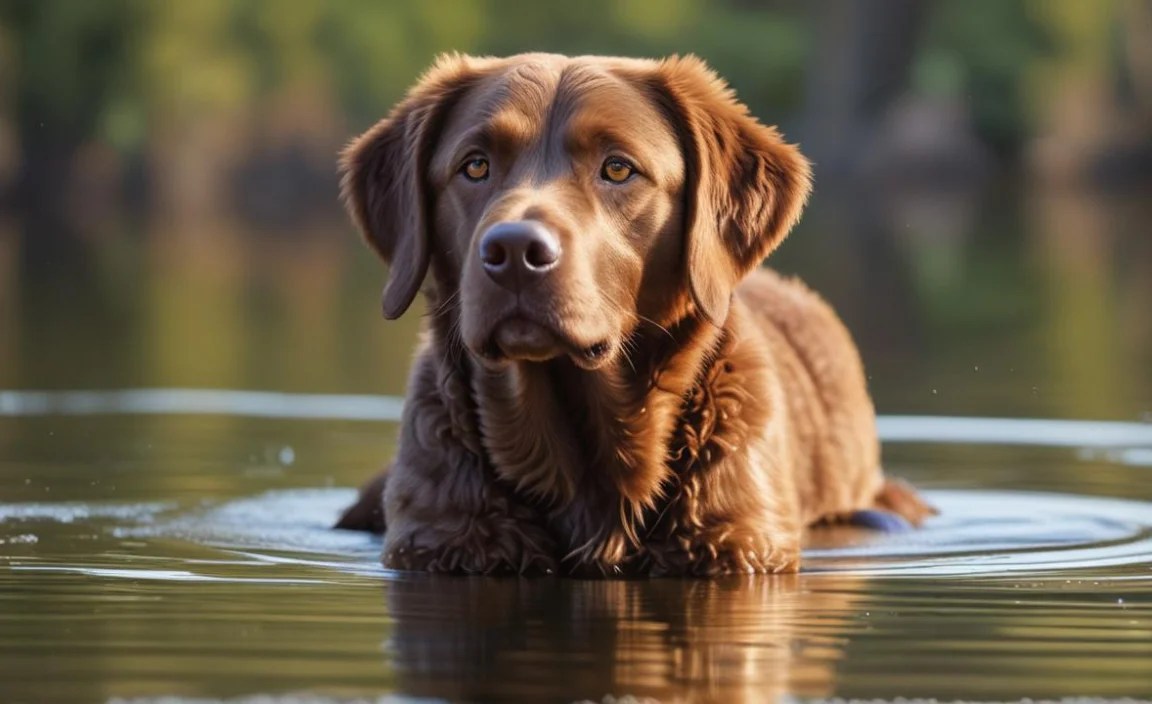
- Coat: Dense, short, and wavy with an oily outer coat and a woolly undercoat.
- Color: Shades of brown, sedge, or deadgrass.
- Temperament: Intelligent, courageous, and affectionate.
- Gait: Smooth and efficient, showing good reach and drive.
These standards help breeders maintain the breed’s unique qualities and ensure that the Chesapeake Bay Retriever remains a functional and capable working dog. The breed standard is more than just a set of guidelines; it’s a blueprint for preserving the Chesapeake Bay Retriever’s heritage.
The 20th Century: Refinement and Popularity

The 20th century saw the Chesapeake Bay Retriever gain popularity as both a hunting dog and a companion animal. Breeders continued to refine the breed, focusing on maintaining its working ability while also improving its temperament and appearance. The Chesapeake Bay Retriever became known for its loyalty, intelligence, and affectionate nature, making it a popular choice for families.
During this time, the breed also faced some challenges. As with many breeds, there was a period of overbreeding and a decline in quality. However, dedicated breeders worked hard to preserve the breed’s integrity and maintain its unique characteristics. These breeders understood the importance of preserving the Chesapeake Bay Retriever’s working ability and temperament, ensuring that it remained a versatile and capable dog.
The Chesapeake Bay Retriever in Modern Times
Today, the Chesapeake Bay Retriever is still a popular breed, known for its versatility and adaptability. While it remains a favorite among hunters, it has also found a place as a beloved family pet. The Chesapeake Bay Retriever’s intelligence and trainability make it a good choice for a variety of activities, including:
- Hunting: Retrieving waterfowl and upland game.
- Dog Sports: Agility, obedience, and dock diving.
- Search and Rescue: Using its keen sense of smell and determination to find missing persons.
- Therapy Work: Providing comfort and support to those in need.
The Chesapeake Bay Retriever’s ability to excel in so many different roles is a testament to its versatility and adaptability. Whether it’s retrieving ducks in icy water or providing comfort to a sick child, the Chesapeake Bay Retriever is a loyal and capable companion.
Challenges and Conservation Efforts
Like many purebred dogs, the Chesapeake Bay Retriever faces certain health challenges. Hip dysplasia, progressive retinal atrophy (PRA), and other genetic conditions can affect the breed. Responsible breeders screen their dogs for these conditions to minimize the risk of passing them on to future generations. The Chesapeake Bay Retriever Club, the official AKC parent club for the breed, provides resources and support for breeders and owners, promoting responsible breeding practices.
Conservation efforts are also focused on preserving the Chesapeake Bay Retriever’s working ability. Some breeders and trainers are working to maintain the breed’s hunting skills and ensure that it remains a capable and versatile working dog. These efforts are essential to preserving the Chesapeake Bay Retriever’s heritage and ensuring that it continues to thrive in the future.
Promoting Responsible Breeding
Responsible breeding is essential to the health and well-being of the Chesapeake Bay Retriever. Here are some steps that breeders can take to promote responsible breeding practices:
- Health Testing: Screening dogs for genetic conditions such as hip dysplasia and PRA.
- Temperament Evaluation: Assessing dogs for desirable temperament traits.
- Careful Selection of Breeding Pairs: Choosing dogs that complement each other in terms of health, temperament, and conformation.
- Providing Proper Care: Ensuring that puppies are well-socialized and receive proper veterinary care.
By following these practices, breeders can help ensure that the Chesapeake Bay Retriever remains a healthy and well-adjusted breed. Responsible breeding is not just about producing puppies; it’s about preserving the breed’s integrity and ensuring its future.
The Chesapeake Bay Retriever Today: A Legacy of Versatility
Today, the Chesapeake Bay Retriever stands as a testament to the power of selective breeding and the importance of preserving a breed’s unique characteristics. From its humble beginnings as a mix of various retrieving breeds to its current status as a versatile and capable working dog, the Chesapeake Bay Retriever has come a long way.
The Chesapeake Bay Retriever’s legacy is one of versatility, adaptability, and unwavering loyalty. Whether it’s retrieving waterfowl, competing in dog sports, or providing comfort as a therapy dog, the Chesapeake Bay Retriever continues to excel in a variety of roles. As long as there are dedicated breeders and owners who are committed to preserving the breed’s unique qualities, the Chesapeake Bay Retriever will continue to thrive for generations to come. Let’s break down the key milestones in their evolution:
| Year/Era | Event/Development | Impact on the Breed |
|---|---|---|
| 1807 | Shipwreck and rescue of Sailor and Canton | Foundation of the breed with Newfoundland/St. John’s Water Dog lineage |
| Early 19th Century | Crossbreeding with English Water Spaniels, Irish Water Spaniels, and other retrievers | Development of unique traits such as waterproof coat and strong swimming ability |
| Late 19th Century | Standardization of the breed and AKC recognition | Establishment of breed standards and guidelines for breeders |
| 20th Century | Refinement of the breed and increased popularity | Development of a more consistent temperament and appearance |
| Modern Times | Versatility in hunting, dog sports, and therapy work | Adaptation to various roles and continued popularity as a companion animal |
Chesapeake Bay Retriever Traits and Characteristics
The Chesapeake Bay Retriever is known for several distinctive traits and characteristics that make it a unique breed. These include:
- Coat: Dense, short, and wavy with an oily outer coat and a woolly undercoat, providing excellent insulation in cold water.
- Color: Shades of brown, sedge, or deadgrass, allowing the dog to blend in with its surroundings while hunting.
- Temperament: Intelligent, courageous, and affectionate, making it a loyal and capable companion.
- Build: Strong and muscular, allowing it to swim for long periods and retrieve heavy waterfowl.
- Intelligence: Highly trainable and eager to please, making it a good choice for a variety of activities.
These traits and characteristics have been carefully preserved over the years, ensuring that the Chesapeake Bay Retriever remains a versatile and capable breed. Their unique blend of physical and temperamental qualities sets them apart from other retrievers and makes them a beloved companion for many.
Essential Care Tips for Chesapeake Bay Retrievers
Caring for a Chesapeake Bay Retriever involves several key considerations to ensure their health and well-being. These include:
- Grooming: Regular brushing to maintain their waterproof coat and prevent matting.
- Exercise: Providing plenty of exercise to keep them physically and mentally stimulated.
- Training: Early socialization and training to ensure they are well-behaved and obedient.
- Health Care: Regular veterinary checkups and screenings for genetic conditions.
- Nutrition: Feeding them a high-quality diet to support their active lifestyle.
By following these care tips, you can help your Chesapeake Bay Retriever live a long, healthy, and happy life. Remember, they thrive on activity and interaction, so be prepared to provide them with plenty of both.
FAQ: Understanding the Chesapeake Bay Retriever
Here are some frequently asked questions about the Chesapeake Bay Retriever to help you better understand this amazing breed:
What is the origin of the Chesapeake Bay Retriever?
The Chesapeake Bay Retriever originated from two Newfoundland puppies rescued from a shipwreck in 1807. These dogs were bred with local retrievers and other breeds to create the Chesapeake Bay Retriever.
What are the key characteristics of the Chesapeake Bay Retriever?
The Chesapeake Bay Retriever is known for its dense, waterproof coat, strong build, intelligence, courage, and affectionate nature. They are excellent swimmers and retrievers, making them ideal for waterfowl hunting.
What colors do Chesapeake Bay Retrievers come in?
Chesapeake Bay Retrievers come in shades of brown, sedge, or deadgrass. These colors help them blend in with their surroundings while hunting.
Are Chesapeake Bay Retrievers good family pets?
Yes, Chesapeake Bay Retrievers can be good family pets. They are loyal, intelligent, and affectionate, but they require plenty of exercise and training. Early socialization is important to ensure they get along well with children and other pets.
What health issues are common in Chesapeake Bay Retrievers?
Common health issues in Chesapeake Bay Retrievers include hip dysplasia, progressive retinal atrophy (PRA), and other genetic conditions. Responsible breeders screen their dogs for these conditions to minimize the risk of passing them on to future generations.
How much exercise does a Chesapeake Bay Retriever need?
Chesapeake Bay Retrievers are active dogs and need plenty of exercise. They require at least an hour of exercise per day, including swimming, running, or playing fetch. They also benefit from mental stimulation, such as training and puzzle toys.
How do I find a reputable Chesapeake Bay Retriever breeder?
To find a reputable Chesapeake Bay Retriever breeder, look for breeders who conduct health screenings on their dogs, prioritize temperament, and are knowledgeable about the breed. The Chesapeake Bay Retriever Club is a good resource for finding reputable breeders.
Conclusion: A Breed Steeped in History and Purpose
The evolution of the Chesapeake Bay Retriever is a remarkable story of adaptation, selective breeding, and dedication. From its humble beginnings as a mix of various retrieving breeds to its current status as a versatile and capable working dog, the Chesapeake Bay Retriever has proven its worth time and time again. Whether you’re a hunter, a dog sports enthusiast, or simply someone looking for a loyal and intelligent companion, the Chesapeake Bay Retriever has something to offer. By understanding the breed’s history and unique characteristics, you can better appreciate its value and ensure that it continues to thrive for generations to come. So, next time you see a Chesapeake Bay Retriever, remember the long and fascinating journey that shaped this amazing breed.


![Timeline of Norwegian Forest Cat: [Ultimate] Guide](https://i2.wp.com/britishshorthairask.com/wp-content/uploads/2025/11/timeline-of-norwegian-forest-cat-ultimate-guide-768x469.webp)


