
Affordable Pet Wellness Tips: Easy Ways to Save

Do you love your pet? Of course, you do! Pets are like family. You want them to be happy and healthy. But vet bills and pet supplies can cost a lot. Are there affordable pet wellness tips? Yes, there are! You can care for your furry friend without spending too much money.
Taking care of your pet does not have to be expensive. There are many ways to save money. Little changes can make a big difference. Let’s find some simple ways to keep your pet healthy. These affordable pet wellness tips can help you provide the best care! You and your pet can enjoy a long, happy life together.
Here is a story. Sarah got a puppy named Max. She wanted to give him the best life. But she was worried about the cost. She learned some affordable pet wellness tips. She saved money on food and toys. Max stayed healthy and happy. Sarah was happy too!
Key Takeaways
- Regular exercise keeps pets healthy and reduces vet visits.
- Homemade treats can be healthier and cheaper than store-bought ones.
- Preventative care saves money on expensive treatments later.
- Proper grooming at home avoids costly professional services.
- Following affordable pet wellness tips ensures a happy, healthy pet without breaking the bank.
Affordable Pet Wellness Tips: Nutrition

Good nutrition is key for a healthy pet. What you feed your pet matters a lot. It affects their energy, coat, and overall health. But good food doesn’t have to be super expensive. You can find affordable options that are still nutritious. Look for pet foods with real meat and whole grains. Avoid foods with lots of fillers or artificial colors. These can be bad for your pet. Read the labels carefully. Compare prices and ingredients. Buying in bulk can also save money. You can also supplement their diet with healthy, affordable additions. For example, plain yogurt can be good for their digestion. Cooked sweet potatoes are a great source of vitamins. Always check with your vet before making big changes to your pet’s diet. They can give you personalized advice. Remember, a healthy diet means fewer vet visits. This is one of the most important affordable pet wellness tips.
- Read pet food labels carefully.
- Choose foods with real meat.
- Avoid artificial colors and fillers.
- Buy food in bulk to save money.
- Add healthy supplements like yogurt.
Proper nutrition is more than just filling a bowl. It’s about giving your pet the right balance of nutrients. Think of it like this: you wouldn’t eat junk food all day, would you? Your pet needs good stuff too. A balanced diet helps them stay strong and energetic. It also helps prevent health problems. Talk to your vet about your pet’s specific needs. They can recommend the right type and amount of food. Make sure your pet always has fresh water. Water is essential for their health. It helps them digest food and stay hydrated. By focusing on nutrition, you’re investing in your pet’s long-term well-being. And that’s a smart way to save money on vet bills in the long run. This is another great example of how affordable pet wellness tips can make a big difference.
What is the Best Affordable Pet Food?
Choosing the best pet food can feel tricky. So many brands and types are available. How do you know what’s good? Start by reading reviews online. See what other pet owners say. Look for brands that have been around for a while. They often have a good reputation. Check the ingredients list carefully. Real meat should be one of the first ingredients. Avoid foods with lots of corn or soy. These are often used as fillers. They don’t provide much nutrition. Consider your pet’s age and activity level. Puppies and kittens need different food than older pets. Active pets need more calories than couch potatoes. Talk to your vet for personalized recommendations. They can help you choose a food that meets your pet’s specific needs. Remember, the most expensive food isn’t always the best. Focus on quality ingredients and a balanced diet.
How Can I Make Homemade Pet Treats?
Making homemade pet treats is fun and easy. It’s also a great way to save money. Plus, you know exactly what’s going into them. You can find many recipes online. Start with simple recipes that use basic ingredients. For example, you can make peanut butter and banana treats. Mix mashed banana with peanut butter and oats. Bake them in the oven until they’re firm. Another option is sweet potato chews. Slice sweet potatoes into thin strips. Bake them until they’re chewy. Make sure the treats are small and easy to eat. Don’t give your pet too many treats. Treats should only make up a small part of their diet. Avoid ingredients that are toxic to pets. This includes chocolate, grapes, and onions. Always check with your vet if you’re unsure about an ingredient. Homemade treats are a tasty and healthy way to show your pet you care. Plus, it’s a fun activity to do together!
How Important is Hydration for My Pet?
Hydration is super important for your pet. Just like us, pets need water to stay healthy. Water helps their bodies work properly. It helps them digest food and regulate their temperature. Make sure your pet always has access to fresh, clean water. Change their water bowl every day. Some pets prefer to drink from a fountain. A pet fountain can encourage them to drink more. Watch for signs of dehydration. These include dry gums, sunken eyes, and loss of energy. If you think your pet is dehydrated, contact your vet right away. You can also add water to their food. This is especially helpful for pets who eat dry food. You can also offer them ice cubes. Some pets love to chew on ice cubes, especially in the summer. Staying hydrated helps your pet feel their best. It also helps prevent health problems. This is one of the simplest and most affordable pet wellness tips.
Fun Fact or Stat: Did you know that dogs can detect some cancers in humans just by smelling their urine? Their sense of smell is amazing!
Preventative Care: Saving Money Long-Term

Preventative care is like a shield for your pet. It helps keep them healthy and prevents problems before they start. This saves you money in the long run. Regular check-ups with your vet are important. They can catch problems early when they’re easier to treat. Vaccinations protect your pet from serious diseases. Parasite prevention is also key. Fleas, ticks, and heartworms can cause big problems. Talk to your vet about the best preventative care plan for your pet. Don’t skip these important steps. They can save you a lot of money and heartache later. A little prevention goes a long way. It’s one of the smartest affordable pet wellness tips you can follow. Remember, a healthy pet is a happy pet, and a happy owner too!
- Schedule regular vet check-ups.
- Keep vaccinations up to date.
- Use flea and tick prevention.
- Protect against heartworms.
- Follow your vet’s recommendations.
Think of preventative care as an investment. You’re investing in your pet’s future health. Just like you go to the doctor for check-ups, your pet needs them too. Regular exams can help detect problems early. Early detection means easier and cheaper treatment. Vaccinations protect your pet from diseases that can be deadly. Parasite prevention keeps them safe from nasty critters. These critters can cause a lot of discomfort and health problems. Your vet can help you create a preventative care plan that fits your pet’s needs. They can also answer any questions you have. Don’t be afraid to ask questions. Understanding your pet’s health is important. By taking preventative care seriously, you’re giving your pet the best chance at a long and healthy life. That’s one of the most rewarding things you can do as a pet owner. And it’s a key part of affordable pet wellness tips.
What Vaccinations Does My Pet Need?
Vaccinations are like a superhero shield for your pet. They protect them from dangerous diseases. The specific vaccinations your pet needs depend on several things. These include their age, lifestyle, and location. Puppies and kittens need a series of vaccinations. These help build their immunity. Adult pets need booster shots to maintain their protection. Core vaccinations are recommended for all pets. For dogs, these include rabies, distemper, parvovirus, and adenovirus. For cats, these include rabies, feline viral rhinotracheitis, calicivirus, and panleukopenia. Non-core vaccinations are recommended based on your pet’s risk. For example, dogs who go to dog parks may need the Bordetella vaccine. This protects them from kennel cough. Talk to your vet about which vaccinations are right for your pet. They can help you create a vaccination schedule. Vaccinations are a crucial part of preventative care. They help keep your pet healthy and safe.
How Can I Prevent Fleas and Ticks?
Fleas and ticks are pesky parasites. They can make your pet miserable. They can also transmit diseases. Preventing fleas and ticks is important for your pet’s health. There are many products available to prevent fleas and ticks. These include topical treatments, oral medications, and collars. Topical treatments are applied to your pet’s skin. They kill fleas and ticks on contact. Oral medications are given by mouth. They work from the inside out. Collars release chemicals that repel fleas and ticks. The best product for your pet depends on their lifestyle and your preferences. Talk to your vet about which product is right for you. Use flea and tick prevention year-round. Fleas and ticks can be active even in the winter. Regularly check your pet for fleas and ticks. Pay close attention to their ears, neck, and belly. Remove any ticks you find right away. Prevention is the best way to protect your pet from these pests.
Why is Heartworm Prevention Important?
Heartworm disease is a serious and potentially deadly disease. It’s caused by a parasite that lives in the heart and lungs. Heartworms are transmitted by mosquitoes. When a mosquito bites an infected animal, it picks up heartworm larvae. When the mosquito bites another animal, it injects the larvae into their bloodstream. Heartworm prevention is important because it prevents this disease. There are several heartworm preventatives available. These include monthly chewable tablets and topical treatments. Your vet can recommend the best preventative for your pet. Heartworm prevention is typically given year-round. Even if you don’t see mosquitoes, they can still be present. Heartworm disease can cause serious damage to your pet’s heart and lungs. It can even lead to death. Prevention is much easier and cheaper than treatment. Protect your pet from heartworm disease with regular prevention.
Fun Fact or Stat: Cats can make over 100 different sounds, while dogs can only make about 10!
Home Grooming: Saving on Salon Visits

Grooming is more than just making your pet look good. It’s also important for their health. Regular grooming helps prevent mats and tangles. It also helps you spot any skin problems early. You can save money by grooming your pet at home. Brushing your pet regularly is the most important thing you can do. It helps remove loose hair and prevent mats. Bathing your pet too often can dry out their skin. Only bathe them when they’re dirty or smelly. Trim your pet’s nails regularly. Long nails can be uncomfortable and even painful. Clean your pet’s ears to prevent infections. Use a gentle ear cleaner recommended by your vet. With a little practice, you can become a pro at home grooming. This is a great way to save money and bond with your pet. Plus, it’s one of the easiest affordable pet wellness tips to implement.
- Brush your pet regularly.
- Bathe them only when needed.
- Trim their nails regularly.
- Clean their ears to prevent infections.
- Check for skin problems during grooming.
Home grooming can be a fun and relaxing experience for both you and your pet. Start slow and make it positive. Use treats and praise to reward your pet for good behavior. If your pet is nervous about grooming, start with short sessions. Gradually increase the length of the sessions as they get more comfortable. Use the right tools for the job. A good brush, nail clippers, and ear cleaner are essential. Be gentle and patient. Never force your pet to do something they don’t want to do. If you’re not comfortable trimming your pet’s nails, ask your vet or groomer to show you how. Home grooming is a great way to save money on salon visits. It’s also a great way to bond with your pet and keep them healthy. It’s all part of providing great care while following affordable pet wellness tips.
How Often Should I Brush My Pet?
Brushing is like a mini-massage for your pet. It feels good and keeps their coat healthy. How often you should brush your pet depends on their breed and coat type. Pets with long hair need to be brushed more often than pets with short hair. Long-haired dogs and cats should be brushed daily. This helps prevent mats and tangles. Short-haired pets can be brushed once or twice a week. Regular brushing helps remove loose hair and dander. This reduces shedding and allergies. It also helps distribute natural oils throughout their coat. This keeps their coat shiny and healthy. Use a brush that is appropriate for your pet’s coat type. A slicker brush is good for removing mats. A bristle brush is good for smoothing the coat. Make brushing a positive experience for your pet. Use treats and praise to reward them. Regular brushing is an important part of home grooming.
How Do I Trim My Pet’s Nails Safely?
Trimming your pet’s nails can be a little scary. But it’s important to keep their nails at a healthy length. Long nails can be uncomfortable and even painful. They can also get caught on things and tear. Use nail clippers that are designed for pets. There are two types of clippers: scissor-style and guillotine-style. Choose the type that you’re most comfortable with. Start by getting your pet used to the clippers. Let them sniff the clippers and give them a treat. Gradually start trimming their nails. Only trim the tips of the nails. Be careful not to cut into the quick. The quick is the pink part of the nail that contains blood vessels and nerves. If you cut into the quick, it will bleed and be painful. If you accidentally cut into the quick, use styptic powder to stop the bleeding. If you’re not comfortable trimming your pet’s nails, ask your vet or groomer to do it for you.
How Do I Clean My Pet’s Ears?
Cleaning your pet’s ears is important for preventing infections. Ear infections can be painful and uncomfortable. Check your pet’s ears regularly for signs of infection. These include redness, swelling, and discharge. Use a gentle ear cleaner recommended by your vet. Never use cotton swabs to clean your pet’s ears. Cotton swabs can push debris further into the ear canal. Instead, pour the ear cleaner into the ear canal. Gently massage the base of the ear for 30 seconds. Then, let your pet shake their head. This will help loosen any debris. Use a cotton ball to wipe away any excess cleaner and debris. Clean your pet’s ears regularly, especially if they’re prone to ear infections. Talk to your vet if you have any concerns about your pet’s ears. They can help you determine the best way to care for them.
Fun Fact or Stat: A dog’s sense of smell is estimated to be 100,000 times stronger than a human’s!
Exercise and Mental Stimulation
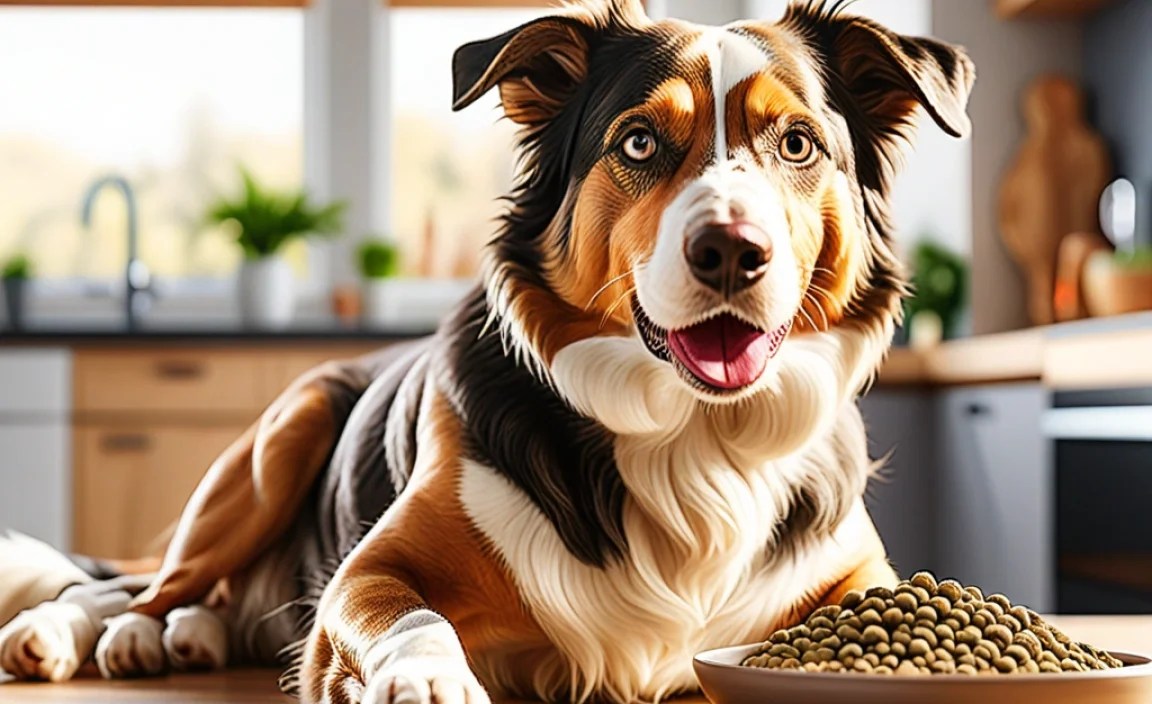
Exercise is important for both physical and mental health. Just like humans, pets need to stay active. Regular exercise helps them maintain a healthy weight. It also helps them burn off energy and reduce stress. Mental stimulation is also important. It helps keep their minds sharp and prevents boredom. There are many ways to exercise and stimulate your pet. Take your dog for walks or runs. Play fetch or frisbee in the park. Provide your cat with toys and scratching posts. Puzzle toys can also provide mental stimulation. Spend time playing with your pet every day. This will help them stay happy and healthy. Plus, it’s a great way to bond with them. This is one of those affordable pet wellness tips that’s also fun!
- Take your dog for daily walks.
- Play fetch or frisbee.
- Provide toys and scratching posts.
- Use puzzle toys for mental stimulation.
- Spend quality time playing with your pet.
Think of exercise and mental stimulation as a way to enrich your pet’s life. A bored pet is more likely to develop behavioral problems. These problems can include excessive barking, chewing, and scratching. Regular exercise can help prevent these problems. Mental stimulation can also help. Puzzle toys challenge your pet to think and solve problems. This can help keep them entertained and prevent boredom. Spending time playing with your pet is also important. It strengthens your bond and provides them with attention. Even a short walk or play session can make a big difference. Make exercise and mental stimulation a part of your daily routine. Your pet will thank you for it. And it’s a great way to keep them healthy without spending a lot of money. That’s what affordable pet wellness tips are all about.
How Much Exercise Does My Pet Need?
The amount of exercise your pet needs depends on their breed, age, and activity level. Puppies and kittens need lots of exercise to burn off energy. Adult pets need regular exercise to maintain their health. Senior pets may need less exercise, but they still need to stay active. High-energy breeds, such as Border Collies and Labrador Retrievers, need more exercise than low-energy breeds, such as Bulldogs and Persian cats. A good rule of thumb is to provide at least 30 minutes of exercise per day. This can be broken up into shorter sessions throughout the day. Watch your pet’s body language for signs that they’re getting enough exercise. If they’re panting heavily or seem tired, they may be getting too much exercise. Adjust their exercise routine as needed to meet their individual needs.
What are Some Good Puzzle Toys for Pets?
Puzzle toys are a great way to provide mental stimulation for your pet. They challenge your pet to think and solve problems. This can help keep them entertained and prevent boredom. There are many different types of puzzle toys available. Some puzzle toys require your pet to move pieces to reveal treats. Other puzzle toys require your pet to solve a series of steps to get a reward. Choose a puzzle toy that is appropriate for your pet’s skill level. Start with a simple puzzle and gradually increase the difficulty. Supervise your pet while they’re playing with puzzle toys. This will prevent them from chewing on the toy and swallowing pieces. Rotate puzzle toys regularly to keep your pet interested. Puzzle toys are a fun and engaging way to provide mental stimulation.
How Can I Make Walks More Exciting for My Dog?
Walks are an important part of your dog’s daily routine. But they can become boring if you always take the same route. There are many ways to make walks more exciting for your dog. Try taking a different route each day. Explore new neighborhoods and parks. Let your dog sniff around and explore their surroundings. This provides mental stimulation. Bring treats with you on your walks. Reward your dog for good behavior. Play games with your dog during your walks. For example, you can play fetch or hide-and-seek. Teach your dog new tricks during your walks. This is a great way to challenge their mind. Vary the pace of your walks. Sometimes walk slowly and sometimes walk quickly. This will keep your dog engaged. Make walks a fun and exciting experience for both you and your dog.
Fun Fact or Stat: Dogs sweat through their paws, which is why they leave wet footprints on hot days!
DIY Pet Supplies
Pet supplies can be expensive. But you can save money by making your own. There are many DIY pet supply projects you can try. You can make your own pet bed, toys, and even treats. Making your own pet supplies is a fun and rewarding experience. It also allows you to customize the supplies to your pet’s needs. For example, you can make a pet bed out of recycled materials. You can make toys out of old socks or t-shirts. You can make treats out of healthy ingredients. Get creative and have fun with it. Your pet will appreciate the effort. Plus, it’s a great way to save money while still providing the best for your furry friend. It’s all part of the spirit of affordable pet wellness tips.
- Make a pet bed out of recycled materials.
- Create toys from old socks or t-shirts.
- Bake homemade treats with healthy ingredients.
- Build a scratching post for your cat.
- Sew a custom pet carrier.
DIY pet supplies are not only affordable but also eco-friendly. You can reduce waste by using recycled materials. You can also avoid harmful chemicals that may be found in store-bought supplies. When making DIY pet supplies, be sure to use safe materials. Avoid using small parts that your pet could swallow. Use non-toxic paints and glues. If you’re making treats, be sure to use ingredients that are safe for pets. Avoid chocolate, grapes, and onions. There are many resources available online for DIY pet supply projects. Search for tutorials and instructions. Get inspired and start creating. Your pet will love the personalized touch. And you’ll love the savings. It’s a win-win! Embracing DIY is a fantastic way to put affordable pet wellness tips into action.
How Can I Make a Pet Bed?
Making a pet bed is easier than you might think. You can make a cozy bed for your pet using simple materials. One option is to use an old sweater. Sew the neck and armholes closed. Stuff the sweater with old pillows or blankets. This creates a soft and comfortable bed. Another option is to use a cardboard box. Cut a hole in the side of the box. Line the box with a blanket or towel. This creates a simple and inexpensive bed. You can also make a more elaborate bed using fabric and stuffing. Sew together two pieces of fabric to create a pillowcase. Stuff the pillowcase with stuffing. Sew the opening closed. This creates a soft and plush bed. Get creative and customize the bed to your pet’s preferences. Add a blanket or toy to make it even more inviting.
What Toys Can I Make for My Pet?
Making toys for your pet is a fun and easy way to save money. There are many simple toys you can make using household items. One option is to make a sock monkey. Stuff an old sock with stuffing. Tie a knot at the end to create a head. Add eyes and a mouth using fabric scraps or markers. Another option is to make a t-shirt rope toy. Cut an old t-shirt into strips. Braid the strips together. Tie knots at the ends. This creates a durable and fun rope toy. You can also make a catnip toy for your cat. Fill a small bag with catnip. Sew the bag closed. This creates a stimulating and fun toy for your cat. Be sure to supervise your pet while they’re playing with homemade toys. This will prevent them from swallowing small parts.
How Do I Make Healthy Pet Treats at Home?
Making healthy pet treats at home is a great way to control what your pet is eating. It’s also a fun and rewarding experience. There are many simple recipes for homemade pet treats. One option is to make peanut butter and banana treats. Mix together peanut butter, banana, and oats. Roll the mixture into small balls. Bake the balls in the oven until they’re firm. Another option is to make sweet potato chews. Slice sweet potatoes into thin strips. Bake the strips in the oven until they’re chewy. Be sure to use ingredients that are safe for pets. Avoid chocolate, grapes, and onions. Store homemade treats in an airtight container in the refrigerator. Homemade treats are a delicious and healthy way to reward your pet.
Fun Fact or Stat: The average dog has the mental abilities of a two-year-old human!
Community Resources and Support
Taking care of a pet can be challenging. It’s important to know that you’re not alone. There are many community resources available to help you. Animal shelters and rescue organizations offer low-cost vet care. They also offer spay and neuter services. Pet food banks provide food for pets in need. Online forums and support groups connect you with other pet owners. These groups can offer advice and support. Don’t be afraid to reach out for help when you need it. There are people who care and want to support you and your pet. Utilizing these resources is a key part of affordable pet wellness tips. It ensures your pet gets the care they need without straining your budget.
| Resource | Description | Benefits |
|---|---|---|
| Animal Shelters | Offer low-cost vet care and spay/neuter services. | Reduces vet bills and prevents unwanted litters. |
| Pet Food Banks | Provide free pet food to those in need. | Ensures pets are well-fed even during financial hardship. |
| Online Forums | Connect pet owners for advice and support. | Offers tips and emotional support from fellow pet lovers. |
| Low-Cost Clinics | Provide affordable vaccinations and check-ups. | Helps maintain preventative care without high costs. |
Community resources can be a lifeline for pet owners. They can help you provide the best care for your pet, even when you’re on a tight budget. Animal shelters and rescue organizations are dedicated to helping animals in need. They offer a variety of services, including adoption, fostering, and vet care. Pet food banks help ensure that pets have access to nutritious food. Online forums and support groups provide a sense of community and connection. These groups can be a valuable source of information and support. Don’t hesitate to explore the resources available in your community. They can make a big difference in your pet’s life. And they can help you feel more supported as a pet owner. Remembering that you’re part of a caring community is a great way to approach affordable pet wellness tips.
How Can I Find Low-Cost Vet Care?
Finding low-cost vet care can be a challenge. But there are several options available. Animal shelters and rescue organizations often offer low-cost vet care. Community clinics may offer discounted services. Veterinary schools may offer affordable care provided by students under supervision. Look for non-profit organizations that provide vet care to low-income families. Ask your vet about payment plans or discounts. Some vets offer discounts for senior citizens or military personnel. Don’t be afraid to shop around and compare prices. Vet costs can vary depending on the location and the services provided. With a little research, you can find affordable vet care for your pet.
What is a Pet Food Bank?
A pet food bank is an organization that provides free pet food to those in need. Pet food banks help ensure that pets have access to nutritious food, even when their owners are struggling financially. Pet food banks rely on donations from individuals and businesses. They distribute the food to pet owners through various channels. These channels may include food pantries, shelters, and community events. If you’re struggling to afford pet food, contact your local pet food bank. They can provide you with the assistance you need to keep your pet fed. You can also support pet food banks by donating food or volunteering your time.
How Can I Connect with Other Pet Owners?
Connecting with other pet owners can be a great source of support and information. There are many ways to connect with other pet owners. Online forums and support groups are a great way to connect with people who share your interests. Social media groups dedicated to pets can be a valuable resource. Local dog parks and pet events provide opportunities to meet other pet owners in person. Volunteer at an animal shelter or rescue organization. This is a great way to meet other animal lovers. Join a local pet club or organization. These groups often organize events and activities for pets and their owners. Connecting with other pet owners can help you feel more supported and informed.
Fun Fact or Stat: A cat’s nose print is unique, just like a human fingerprint!
Summary
Taking care of your pet doesn’t have to break the bank. You can use affordable pet wellness tips to keep them healthy and happy. Focus on good nutrition, preventative care, and home grooming. Regular exercise and mental stimulation are also important. DIY pet supplies can save you money. Community resources offer support and assistance. Remember, a healthy pet is a happy pet. By following these tips, you can provide the best care for your furry friend without overspending. Every little bit helps! Small changes can make a big difference in your pet’s life and your wallet.
Conclusion
Caring for your pet is a rewarding experience. You want to give them the best life possible. By using affordable pet wellness tips, you can do just that. Remember to focus on the basics: good food, regular check-ups, and lots of love. With a little creativity and effort, you can keep your pet healthy and happy without spending a fortune. Enjoy the journey of pet ownership. It’s filled with love, laughter, and unforgettable moments.
Frequently Asked Questions
Question No 1: What are some affordable ways to feed my pet?
Answer: Affordable pet feeding starts with smart shopping. Compare prices and read labels. Look for food with real meat and whole grains. Avoid fillers and artificial colors. Buying in bulk can save money. Consider adding healthy supplements like plain yogurt or cooked sweet potatoes. Homemade treats can also be a cost-effective option. Just be sure to use pet-safe ingredients. Always check with your vet before making big changes to your pet’s diet. They can provide personalized recommendations. This ensures your pet gets the nutrition they need without overspending. These are key affordable pet wellness tips.
Question No 2: How can I save money on vet bills?
Answer: Saving money on vet bills involves proactive and preventative care. Regular check-ups can catch problems early. This makes treatment easier and cheaper. Keep vaccinations up to date to prevent diseases. Use flea, tick, and heartworm prevention. These parasites can cause serious health issues. Practice good dental hygiene at home. This can prevent costly dental procedures. Consider pet insurance, but compare plans carefully. Look for community resources like low-cost clinics or animal shelters. These can offer affordable vet care options. By taking these steps, you can minimize vet bills and keep your pet healthy.
Question No 3: What are some easy ways to groom my pet at home?
Answer: Home grooming is a great way to save money and bond with your pet. Brush your pet regularly to remove loose hair and prevent mats. Bathe them only when needed to avoid drying out their skin. Trim their nails regularly to prevent discomfort. Clean their ears to prevent infections. Use a gentle ear cleaner recommended by your vet. Check for skin problems during grooming. This allows you to catch issues early. Make grooming a positive experience with treats and praise. With a little practice, you can become a pro at home grooming. It’s one of the most effective affordable pet wellness tips.
Question No 4: How much exercise does my pet really need?
Answer: The amount of exercise your pet needs depends on their breed, age, and energy level. Puppies and kittens need lots of play to burn energy. Adult pets need regular exercise to maintain their health. Senior pets may need less exercise, but they still need to stay active. High-energy breeds need more exercise than low-energy breeds. A good rule of thumb is at least 30 minutes of exercise per day. This can be broken into shorter sessions. Watch your pet’s body language for signs of overexertion. Adjust their routine as needed to meet their individual needs. Exercise is important for physical and mental well-being. It helps keep your pet happy and healthy.
Question No 5: Can I really make my own pet supplies?
Answer: Yes, you can absolutely make your own pet supplies! It’s a fun and affordable way to provide for your pet. You can make pet beds out of old sweaters or blankets. Create toys from old socks or t-shirts. Bake homemade treats with healthy ingredients. Build a scratching post for your cat using cardboard and rope. Sew a custom pet carrier using fabric and padding. Get creative and use recycled materials whenever possible. Be sure to use safe materials and avoid small parts that your pet could swallow. DIY pet supplies are a great way to save money and personalize your pet’s belongings. Plus, it’s a great way to apply affordable pet wellness tips.
Question No 6: Where can I find help if I can’t afford pet care?
Answer: If you’re struggling to afford pet care, there are resources available to help. Animal shelters and rescue organizations often offer low-cost vet care. Pet food banks provide free pet food to those in need. Online forums and support groups connect you with other pet owners. These groups can offer advice and emotional support. Look for low-cost clinics in your area. These clinics often provide affordable vaccinations and check-ups. Don’t be afraid to ask for help. There are people who care and want to support you and your pet. Many communities have programs designed to help responsible pet owners provide necessary care while following affordable pet wellness tips.


