
How to Entertain a British Shorthair Indoors: Easy Fun!

Entertaining Your British Shorthair Indoors: A Comprehensive Guide

Quick Summary: Keeping a British Shorthair entertained indoors involves providing interactive toys, scratching posts, climbing opportunities, and engaging playtime. Rotate toys to maintain interest, create stimulating environments, and consider puzzle feeders for mental enrichment. Regular interaction and a consistent routine are key to a happy, healthy, and entertained indoor cat.
Is your British Shorthair spending too much time napping? While these cats are known for their calm demeanor, they still need plenty of stimulation to stay happy and healthy indoors. Boredom can lead to destructive behaviors or even depression in cats. As a British Shorthair owner, I know how important it is to keep these lovely felines engaged.
In this guide, I’ll walk you through proven methods to entertain your British Shorthair indoors. We’ll cover everything from selecting the right toys and creating stimulating environments to understanding your cat’s unique play style. Let’s ensure your furry friend enjoys a fulfilling and active indoor life!
Understanding Your British Shorthair’s Needs

Before diving into entertainment strategies, it’s essential to understand the unique needs of British Shorthairs. These cats are generally laid-back and adaptable, but they still require mental and physical stimulation. A bored British Shorthair might become withdrawn or, conversely, develop unwanted behaviors. Understanding their needs will help you tailor your approach to keeping them entertained.
British Shorthair Temperament
British Shorthairs are known for their:
- Calm and gentle nature
- Independent streak
- Affectionate, but not overly demanding, personality
- Playfulness, especially during kittenhood and younger adulthood
They enjoy interactive play but also appreciate their downtime. This balance is crucial when planning their entertainment.
Why Indoor Enrichment Matters
Indoor enrichment is vital for several reasons:
- Prevents Boredom: A stimulating environment prevents boredom and reduces the likelihood of destructive behaviors.
- Encourages Exercise: Indoor cats can become sedentary, leading to weight gain. Enrichment encourages physical activity.
- Mental Stimulation: Engaging activities keep their minds sharp and prevent cognitive decline.
- Reduces Stress: A well-entertained cat is generally less stressed and happier.
Essential Toys and Play Strategies

Toys are a cornerstone of indoor entertainment. However, not all toys are created equal. It’s essential to choose toys that appeal to your British Shorthair’s natural instincts and preferences. Rotate the selection regularly to keep things fresh and exciting.
Interactive Toys
Interactive toys are designed to engage your cat’s hunting instincts. These toys require your cat to actively participate, providing both physical and mental stimulation.
- Wand Toys: These toys mimic the movement of prey and encourage chasing and pouncing.
- Laser Pointers: While controversial (always end the session with a physical toy they can “catch”), laser pointers can provide a burst of activity.
- Puzzle Feeders: These toys dispense food or treats when your cat solves a puzzle, providing mental stimulation and slowing down eating.
Independent Play Toys
Independent play toys allow your cat to entertain themselves when you’re not available for interactive play. These toys should be safe and durable.
- Toy Mice and Balls: Classic cat toys that encourage chasing and batting.
- Catnip Toys: Catnip can stimulate playful behavior in many cats.
- Self-Grooming Stations: These toys allow your cat to groom themselves while providing a massage-like experience.
Rotating Toys
Cats can quickly become bored with the same toys. Rotating your cat’s toys helps maintain their interest. Here’s how to do it:
- Gather Toys: Collect all of your cat’s toys.
- Divide into Groups: Divide the toys into two or three groups.
- Rotate Regularly: Offer one group of toys for a week or two, then switch to a different group.
- Reintroduce Old Favorites: Periodically reintroduce toys that haven’t been seen in a while to create excitement.
Creating a Stimulating Environment
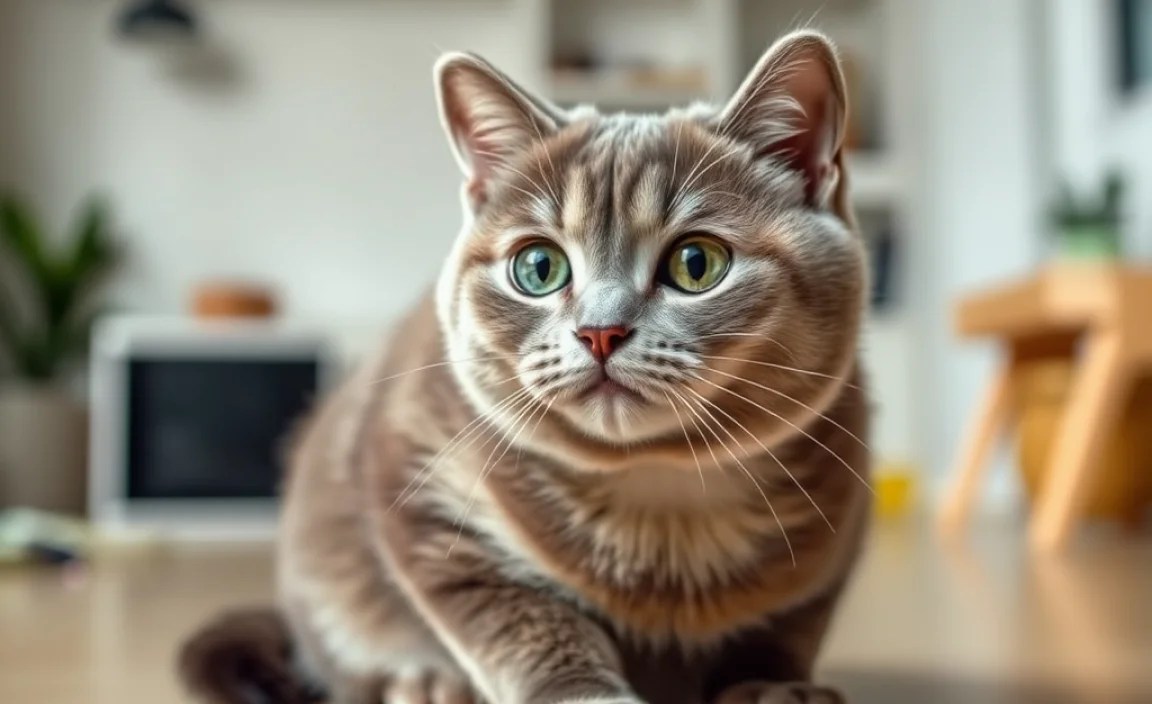
A stimulating environment is just as important as having the right toys. By creating an enriching space, you encourage your British Shorthair to explore, play, and exercise.
Vertical Space
Cats love to climb and observe their surroundings from a high vantage point. Providing vertical space allows them to satisfy this natural instinct.
- Cat Trees: Cat trees provide multiple levels for climbing, scratching, and lounging.
- Shelves: Install shelves at varying heights to create a climbing wall.
- Window Perches: These perches allow your cat to watch the outside world, providing visual stimulation.
Scratching Posts
Scratching is a natural behavior for cats. Providing scratching posts allows them to maintain their claws, stretch their muscles, and mark their territory. According to RSPCA, scratching is important for cats’ physical and mental well-being.
- Variety of Materials: Offer scratching posts made of different materials, such as sisal, cardboard, and carpet.
- Placement: Place scratching posts in areas where your cat likes to scratch, such as near their sleeping area or favorite furniture.
- Vertical and Horizontal Options: Provide both vertical and horizontal scratching surfaces to cater to your cat’s preferences.
Window Views
Cats are naturally curious and enjoy watching the outside world. Providing access to window views can provide hours of entertainment.
- Bird Feeders: Place a bird feeder outside a window to attract birds and other wildlife.
- Window Perches: Install window perches to give your cat a comfortable place to watch the scenery.
- Indoor Plants: Place indoor plants near windows to create a more natural and stimulating environment. Make sure they are non-toxic to cats!
Playtime Routine
Establishing a regular playtime routine is essential for keeping your British Shorthair entertained. Cats thrive on consistency, and a predictable routine can help reduce stress and anxiety.
Scheduled Play Sessions
Schedule dedicated playtime sessions each day. These sessions should be at least 15-20 minutes long and should involve interactive play.
- Morning and Evening: Cats are often most active in the morning and evening, so these are ideal times for playtime.
- Consistent Timing: Try to schedule playtime at the same time each day to establish a routine.
- End on a High Note: Always end playtime on a positive note, such as with a treat or a cuddle.
Training and Clicker Training
British Shorthairs are intelligent cats and can be trained using positive reinforcement techniques. Training can provide mental stimulation and strengthen the bond between you and your cat.
- Basic Commands: Teach your cat basic commands such as “sit,” “stay,” and “come.”
- Clicker Training: Use a clicker to mark desired behaviors and reward your cat with treats. The Cornell Feline Health Center offers reliable resources on feline behavior and training.
- Trick Training: Teach your cat fun tricks such as “fetch” or “roll over.”
Food-Related Entertainment
Food can be a powerful motivator for cats. Using food-related entertainment can provide both mental and physical stimulation.
- Puzzle Feeders: Use puzzle feeders to make your cat work for their food.
- Hiding Food: Hide small portions of food around the house to encourage your cat to hunt for their meals.
- Treat Balls: Use treat balls to dispense treats as your cat rolls the ball around.
Addressing Common Challenges
Even with the best intentions, you may encounter challenges when trying to entertain your British Shorthair indoors. Understanding these challenges and how to address them can help you create a more successful and enjoyable experience for both you and your cat.
Overstimulation
Some cats can become overstimulated by too much play or too many toys. Signs of overstimulation include:
- Hissing or swatting
- Biting
- Tail twitching
- Dilated pupils
If you notice these signs, stop the activity and give your cat some space. Gradually reintroduce the activity at a slower pace.
Lack of Interest
Some cats may not show interest in toys or playtime. This could be due to a variety of factors, such as:
- Age
- Health issues
- Boredom with the same toys
Try different types of toys and activities to find something that your cat enjoys. Consult with your veterinarian to rule out any underlying health issues.
Destructive Behavior
Boredom or lack of stimulation can lead to destructive behaviors such as scratching furniture or knocking things over. To address this:
- Provide plenty of scratching posts and climbing opportunities.
- Increase playtime and interactive activities.
- Make sure your cat has access to plenty of toys.
Advanced Entertainment Techniques
Once you’ve mastered the basics of indoor entertainment, you can explore more advanced techniques to keep your British Shorthair engaged and happy.
Cat-Proofing and Exploration
British Shorthairs are curious and love to explore. Cat-proofing your home ensures their safety while allowing them to satisfy their curiosity.
- Secure Hazards: Secure any potential hazards such as loose wires, toxic plants, and cleaning supplies.
- Create Exploration Zones: Designate specific areas where your cat is allowed to explore freely.
- Supervise New Areas: When introducing your cat to a new area, supervise them closely to ensure their safety.
Social Interaction
While British Shorthairs are known for their independence, they still need social interaction. Spending time with your cat can strengthen your bond and provide them with emotional support.
- Petting and Cuddling: Spend time petting and cuddling your cat each day.
- Talking to Your Cat: Talk to your cat in a soothing voice.
- Grooming: Groom your cat regularly to remove loose fur and prevent mats.
Multi-Cat Households
If you have multiple cats, it’s essential to provide enough resources and space to prevent conflict. Ensure that each cat has their own:
- Food and water bowls
- Litter box
- Sleeping area
- Scratching post
Encourage positive interactions through supervised playtime and shared activities.
Summary Table: Indoor Entertainment Ideas
| Activity | Description | Benefits |
|---|---|---|
| Interactive Play | Using wand toys, laser pointers, or puzzle feeders to engage your cat’s hunting instincts. | Provides physical and mental stimulation, prevents boredom. |
| Independent Play | Providing toys such as toy mice, balls, or catnip toys for your cat to play with on their own. | Allows your cat to entertain themselves, encourages exercise. |
| Vertical Space | Installing cat trees, shelves, or window perches to allow your cat to climb and observe. | Satisfies natural climbing instincts, provides visual stimulation. |
| Scratching Posts | Providing scratching posts made of different materials to allow your cat to maintain their claws and stretch their muscles. | Maintains claw health, stretches muscles, marks territory. |
| Window Views | Providing access to window views to allow your cat to watch the outside world. | Provides visual stimulation, satisfies curiosity. |
| Training | Teaching your cat basic commands or tricks using positive reinforcement techniques. | Provides mental stimulation, strengthens the bond between you and your cat. |
| Food-Related Entertainment | Using puzzle feeders or hiding food to make your cat work for their meals. | Provides mental and physical stimulation, slows down eating. |
Cost Table: Estimated Cost for Entertainment Options
| Item | Estimated Cost | Notes |
|---|---|---|
| Wand Toys | $5 – $20 | Varies based on quality and features. |
| Laser Pointers | $5 – $15 | Ensure safe use to avoid frustration. |
| Puzzle Feeders | $10 – $40 | Price range depends on complexity. |
| Catnip Toys | $3 – $10 | Refillable catnip can extend use. |
| Cat Trees | $30 – $200+ | Size and features affect the price. |
| Scratching Posts | $10 – $50 | Cardboard options are cheaper. |
| Window Perches | $15 – $60 | Suction cup or mounted options. |
FAQ: Entertaining Your British Shorthair Indoors
Here are some frequently asked questions about entertaining British Shorthairs indoors:
How much playtime does a British Shorthair need?
British Shorthairs typically need at least 15-20 minutes of interactive playtime each day. This can be divided into two shorter sessions.
What are the best toys for British Shorthairs?
The best toys are interactive ones that engage their hunting instincts, such as wand toys, puzzle feeders, and toy mice. Rotate toys regularly to keep them interested.
How can I create a stimulating environment for my indoor cat?
Provide vertical space with cat trees and shelves, offer scratching posts, and ensure access to window views. A stimulating environment encourages exploration and play.
What if my British Shorthair doesn’t seem interested in playing?
Try different types of toys and activities to find something that appeals to them. Consult with your veterinarian to rule out any underlying health issues.
How do I prevent my cat from becoming bored indoors?
Rotate toys regularly, provide a stimulating environment, schedule regular playtime sessions, and consider food-related entertainment such as puzzle feeders.
Can I train my British Shorthair?
Yes, British Shorthairs are intelligent and can be trained using positive reinforcement techniques. Start with basic commands and reward them with treats.
Is it okay to use a laser pointer with my cat?
Laser pointers can provide exercise, but always end the session with a physical toy your cat can “catch” to avoid frustration. Never shine the laser in their eyes.
Conclusion
Entertaining a British Shorthair indoors involves understanding their unique needs and providing a stimulating environment. By offering a variety of toys, creating vertical space, establishing a playtime routine, and addressing common challenges, you can ensure that your furry friend stays happy, healthy, and entertained. Remember, consistency and patience are key. With a little effort, you can create an enriching indoor life for your British Shorthair.


