
Indoor Stress Management for British Shorthairs: Easy Tips

Quick Summary
Indoor stress management for British Shorthairs involves creating a calm, enriching environment. Provide scratching posts, climbing structures, and interactive toys. Maintain a consistent routine for feeding and playtime. Ensure a safe space for your cat to retreat to. Consider using calming aids like pheromone diffusers. Monitor for signs of stress like excessive grooming or hiding.
Bringing a British Shorthair into your home is a joy! These gentle cats adapt well to indoor life, but sometimes, indoor living can lead to stress. As a breed expert at BritishShorthairAsk.com, I often see owners struggle with this. A stressed cat can exhibit unwanted behaviors, impacting their well-being and your peace of mind. But don’t worry! With a few simple adjustments to their environment and routine, you can create a calm and happy home for your furry friend. We will explore practical steps to help your British Shorthair thrive indoors.
Understanding Stress in British Shorthairs

British Shorthairs are known for their calm and adaptable nature. However, they’re still susceptible to stress, especially in an indoor environment. Recognizing the signs of stress is the first step in helping your cat.
Common Stressors for Indoor Cats
- Lack of Environmental Enrichment: Limited opportunities for scratching, climbing, and exploring.
- Changes in Routine: Variations in feeding schedules, playtime, or household activity.
- Litter Box Issues: Unclean litter boxes, the wrong type of litter, or location.
- Social Stress: Conflict with other pets or lack of appropriate social interaction.
- Fear and Anxiety: Loud noises, new people, or vet visits.
Signs of Stress in British Shorthairs
Here’s what to watch for:
- Changes in Appetite: Eating more or less than usual.
- Excessive Grooming: Over-grooming can lead to bald patches or skin irritation.
- Hiding: Spending more time hidden than usual.
- Aggression: Hissing, swatting, or biting.
- Urinating Outside the Litter Box: This can be a sign of stress or a medical issue. Always rule out medical causes first by consulting your vet.
- Changes in Activity Level: Becoming more restless or lethargic.
- Vocalization: Excessive meowing or howling.
Creating a Stress-Free Environment

A well-designed indoor environment can significantly reduce stress in British Shorthairs.
Provide Vertical Space
Cats love to climb and observe their surroundings from a high vantage point. According to the RSPCA, providing vertical space allows cats to feel safe and secure.
- Cat Trees: Offer multiple levels for climbing and perching.
- Shelves: Install shelves along walls for cats to explore.
- Window Perches: Allow cats to look outside and observe birds and other wildlife.
Offer Scratching Opportunities
Scratching is a natural behavior that helps cats maintain their claws and mark their territory. Provide a variety of scratching surfaces.
- Scratching Posts: Offer both vertical and horizontal posts.
- Scratching Pads: Place pads near areas where your cat likes to scratch.
- Cardboard Scratchers: These are inexpensive and cats often enjoy them.
Interactive Play
Playtime is essential for physical and mental stimulation. Schedule regular play sessions with your cat.
- Feather Wands: These toys mimic the movement of prey and encourage cats to chase and pounce.
- Laser Pointers: Use laser pointers to create exciting chases (but always end the session by letting your cat “catch” a physical toy).
- Puzzle Toys: These toys require cats to solve puzzles to get treats, providing mental stimulation.
Safe Spaces and Hideaways
Cats need a safe place to retreat to when they feel stressed or overwhelmed. Provide multiple hiding spots throughout your home.
- Cardboard Boxes: Simple cardboard boxes make excellent hiding spots.
- Covered Beds: These beds provide a sense of security and privacy.
- Quiet Rooms: Ensure your cat has access to a quiet room where they can relax undisturbed.
Managing Social Stress

Social stress can arise from interactions with other pets or people. Careful management can help minimize this.
Introducing New Pets
Introducing new pets slowly and carefully is crucial. The International Cat Association (TICA) recommends a gradual introduction process.
- Scent Exchange: Swap bedding or toys between the cats to allow them to get used to each other’s scent.
- Visual Introduction: Allow the cats to see each other through a door or crate.
- Supervised Visits: Gradually increase the amount of time the cats spend together under supervision.
- Separate Feeding Areas: Feed the cats in separate areas to avoid competition.
Managing Multi-Cat Households
In multi-cat households, ensure each cat has their own resources to avoid competition.
- Multiple Litter Boxes: Provide one litter box per cat, plus one extra.
- Separate Food and Water Bowls: Place bowls in different locations to preventResource Guarding.
- Individual Attention: Spend one-on-one time with each cat to ensure they feel loved and secure.
Dealing with Children
Teach children how to interact with cats respectfully. Supervise interactions to prevent rough handling or chasing.
- Gentle Petting: Show children how to pet cats gently.
- Respect Boundaries: Teach children to respect a cat’s need for space and quiet time.
- Avoid Chasing: Discourage children from chasing or startling cats.
Maintaining a Consistent Routine
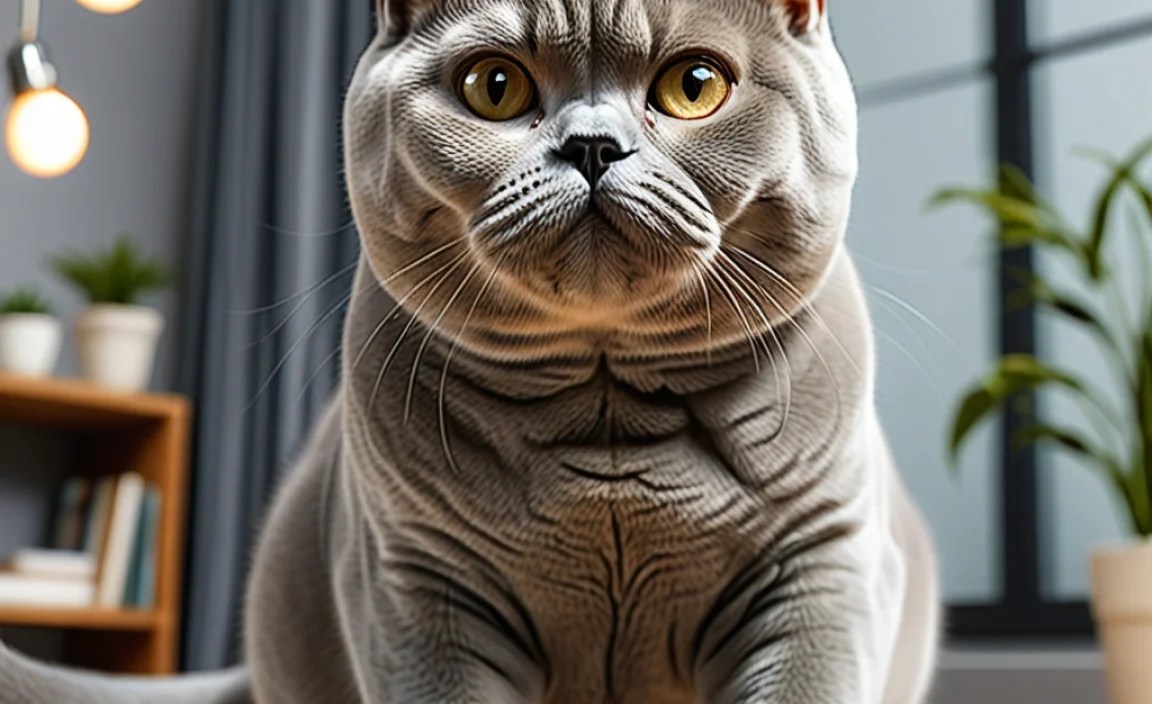
Cats thrive on routine. A predictable schedule can help reduce anxiety and stress.
Feeding Schedule
Feed your cat at the same time each day. British Shorthairs are prone to weight gain, so portion control is essential. Consult your veterinarian for the appropriate amount of food.
Playtime Schedule
Schedule regular playtime sessions to provide physical and mental stimulation. Aim for at least 15-20 minutes of interactive play each day.
Cleaning Schedule
Maintain a consistent cleaning schedule for litter boxes and feeding areas. Clean litter boxes daily and food bowls after each meal.
Litter Box Management
Litter box issues are a common cause of stress in cats. Proper litter box management can help prevent problems.
Litter Box Type
Experiment with different types of litter boxes to find one your cat prefers. Some cats prefer covered boxes, while others prefer open boxes.
Litter Type
Try different types of litter to see which your cat likes best. Unscented, clumping litter is often a good choice.
Litter Box Location
Place litter boxes in quiet, accessible locations away from food and water bowls. Avoid placing them in high-traffic areas.
Calming Aids and Supplements
Several calming aids and supplements can help reduce stress in cats.
Pheromone Diffusers
Feliway diffusers release synthetic feline facial pheromones that can help create a calming environment. According to the Cornell Feline Health Center, these pheromones can reduce stress-related behaviors.
Calming Supplements
Some supplements, such as L-theanine and Zylkene, can help reduce anxiety in cats. Consult your veterinarian before giving your cat any supplements.
Calming Music
Playing calming music designed for cats can help reduce stress. Studies have shown that cats respond positively to music with frequencies and tempos that match their vocalizations.
Diet and Nutrition
A balanced diet is essential for overall health and can help manage stress.
High-Quality Food
Feed your cat a high-quality diet that is appropriate for their age and activity level. Look for foods that are rich in protein and low in carbohydrates.
Hydration
Ensure your cat has access to fresh water at all times. Cats are prone to dehydration, so encourage them to drink by providing multiple water sources.
Avoid Food Allergies
Food allergies can cause stress and discomfort. If you suspect your cat has a food allergy, consult your veterinarian for diagnosis and treatment.
Medical Considerations
Underlying medical conditions can contribute to stress. Regular veterinary checkups are essential.
Regular Checkups
Schedule annual checkups with your veterinarian to screen for any health problems. Early detection and treatment can help prevent stress.
Pain Management
Chronic pain can cause significant stress. If your cat is showing signs of pain, consult your veterinarian for pain management options.
Dental Health
Dental disease can cause pain and discomfort. Regular dental cleanings can help prevent dental problems.
Recognizing and Addressing Fear and Anxiety
Fear and anxiety can be triggered by specific events or situations. Identifying and addressing these triggers is crucial.
Identifying Triggers
Pay attention to your cat’s behavior and try to identify what triggers their fear or anxiety. Common triggers include loud noises, new people, and vet visits.
Counterconditioning and Desensitization
Counterconditioning and desensitization can help reduce fear and anxiety. These techniques involve gradually exposing your cat to the trigger while pairing it with something positive, such as treats or praise.
Creating a Positive Association with the Vet
Vet visits can be stressful for cats. Create positive associations with the vet by taking your cat for “happy visits” where they receive treats and attention without any medical procedures.
Long-Term Stress Management Strategies
Long-term stress management involves making ongoing adjustments to your cat’s environment and routine.
Continuous Monitoring
Continuously monitor your cat’s behavior for signs of stress. Early detection and intervention can help prevent problems from escalating.
Adaptability
Be prepared to adapt your stress management strategies as your cat’s needs change over time. As cats age, they may require different types of enrichment and care.
Patience
Managing stress in cats requires patience and understanding. It may take time to find the right combination of strategies that works for your cat.
Troubleshooting Common Issues
Even with the best efforts, some issues may arise. Here’s how to troubleshoot them.
Aggression
If your cat is showing signs of aggression, consult with a veterinarian or certified cat behaviorist. Aggression can be caused by a variety of factors, including pain, fear, and territoriality.
Inappropriate Elimination
If your cat is urinating or defecating outside the litter box, rule out medical causes first. If there are no medical issues, consider environmental factors such as litter box type, litter type, and location.
Destructive Behavior
If your cat is engaging in destructive behavior, such as scratching furniture, provide appropriate scratching surfaces and redirect their behavior.
British Shorthair Stress Management: A Detailed Guide
Let’s organize the information discussed into a comprehensive table for quick reference:
| Area of Focus | Strategies | Benefits |
|---|---|---|
| Environment |
|
|
| Routine |
|
|
| Social Interaction |
|
|
| Litter Box |
|
|
| Calming Aids |
|
|
| Diet & Nutrition |
|
|
| Medical Care |
|
|
| Fear & Anxiety |
|
|
Frequently Asked Questions (FAQ)
Here are some common questions I get about stress management for British Shorthairs:
- Q: My British Shorthair is suddenly hiding all the time. What should I do?
- A: Sudden hiding can indicate stress or illness. First, schedule a vet visit to rule out medical issues. Then, assess your cat’s environment for potential stressors, such as new pets, loud noises, or changes in routine. Provide more hiding spots and ensure they feel safe.
- Q: How can I tell if my British Shorthair is stressed?
- A: Signs of stress include changes in appetite, excessive grooming, hiding, aggression, urinating outside the litter box, changes in activity level, and vocalization.
- Q: What is the best way to introduce a new cat to my British Shorthair?
- A: Introduce new cats slowly. Start with scent swapping, then visual introductions through a door or crate, followed by short, supervised visits. Ensure each cat has their own resources.
- Q: How often should I clean my cat’s litter box?
- A: Clean the litter box daily to maintain hygiene and prevent stress-related elimination issues. Change the litter completely every 1-2 weeks.
- Q: Are pheromone diffusers safe for cats?
- A: Yes, pheromone diffusers like Feliway are generally safe for cats. They release synthetic pheromones that mimic natural feline facial pheromones and can help reduce stress.
- Q: My cat scratches my furniture. How can I stop this?
- A: Provide plenty of appropriate scratching surfaces, such as scratching posts and pads. Place them near areas where your cat likes to scratch. You can also use catnip to attract your cat to the scratching surfaces.
- Q: What kind of toys do British Shorthairs enjoy?
- A: British Shorthairs enjoy interactive toys that mimic prey, such as feather wands and laser pointers. Puzzle toys that require them to solve problems for treats are also great for mental stimulation.
Conclusion
Creating a stress-free indoor environment for your British Shorthair is an ongoing process. By understanding their needs, providing appropriate enrichment, and managing potential stressors, you can help your cat thrive. Remember to be patient, observant, and adaptable, and always consult with your veterinarian for any health concerns. With the right approach, you can ensure your British Shorthair lives a happy, healthy, and stress-free life indoors. As always, BritishShorthairAsk.com is here to help you every step of the way!


