
How to Keep British Shorthair Cats Active Outdoors: Smart Tips

Quick Summary: Keeping your British Shorthair active outdoors requires a safe and stimulating environment. Use cat-proof fencing or enclosures, provide plenty of toys and climbing structures, and supervise their outdoor time. Regular interaction and positive reinforcement will encourage them to explore and play, ensuring they stay healthy and happy.
Is your British Shorthair spending too much time napping indoors? This breed is known for its laid-back nature, but they still need exercise and mental stimulation. Many owners worry about letting their cats roam freely due to safety concerns. The good news is, there are plenty of ways to keep your British Shorthair active and engaged outdoors without compromising their well-being. We’ll guide you through creating a secure and fun outdoor space that your feline friend will love.
In this article, we’ll explore how to design a cat-friendly outdoor area, introduce your cat to it safely, and encourage them to explore. By following these steps, you can help your British Shorthair enjoy the great outdoors while staying safe and healthy.
Creating a Safe Outdoor Environment

The first step in keeping your British Shorthair active outdoors is ensuring their safety. Roaming freely can expose them to dangers like cars, predators, and diseases. Creating a secure outdoor space will give you peace of mind while allowing your cat to enjoy the fresh air.
Cat-Proof Fencing
One of the most effective ways to create a safe outdoor environment is to install cat-proof fencing. This type of fencing prevents your cat from climbing over or squeezing through gaps. Here’s what to consider:
- Height: The fence should be at least 6 feet tall to prevent jumping.
- Overhang: An inward-facing overhang or netting at the top of the fence can deter climbing.
- Material: Choose a material that is difficult for cats to grip, such as smooth metal or plastic.
- Secure Base: Ensure there are no gaps at the bottom of the fence where your cat could squeeze through. You might need to bury wire mesh along the base to prevent digging.
Cat Enclosures (Catios)
If fencing isn’t feasible, a cat enclosure, often called a “catio,” is an excellent alternative. A catio is an enclosed outdoor space that provides a safe and stimulating environment for your cat. It can be attached to your house or be a standalone structure in your yard.
Here’s what to consider when building or buying a catio:
- Size: The catio should be large enough for your cat to move around comfortably, play, and explore.
- Materials: Use sturdy, weather-resistant materials such as wood, wire mesh, and polycarbonate roofing.
- Features: Include climbing structures, scratching posts, shelves, and toys to keep your cat entertained.
- Access: Provide easy access to the catio through a window, cat flap, or door.
Harness and Leash Training
Another option is to train your British Shorthair to wear a harness and leash. This allows you to take them for supervised walks in your yard or neighborhood. Harness training requires patience and positive reinforcement.
- Introduction: Start by letting your cat sniff and get used to the harness. Leave it near their favorite resting spot.
- Fitting: Gently put the harness on your cat for short periods, gradually increasing the time as they become more comfortable.
- Leash Attachment: Attach the leash to the harness and let your cat drag it around the house.
- Outdoor Walks: Once your cat is comfortable with the harness and leash, start taking them for short, supervised walks in a safe area.
Creating a Stimulating Outdoor Space
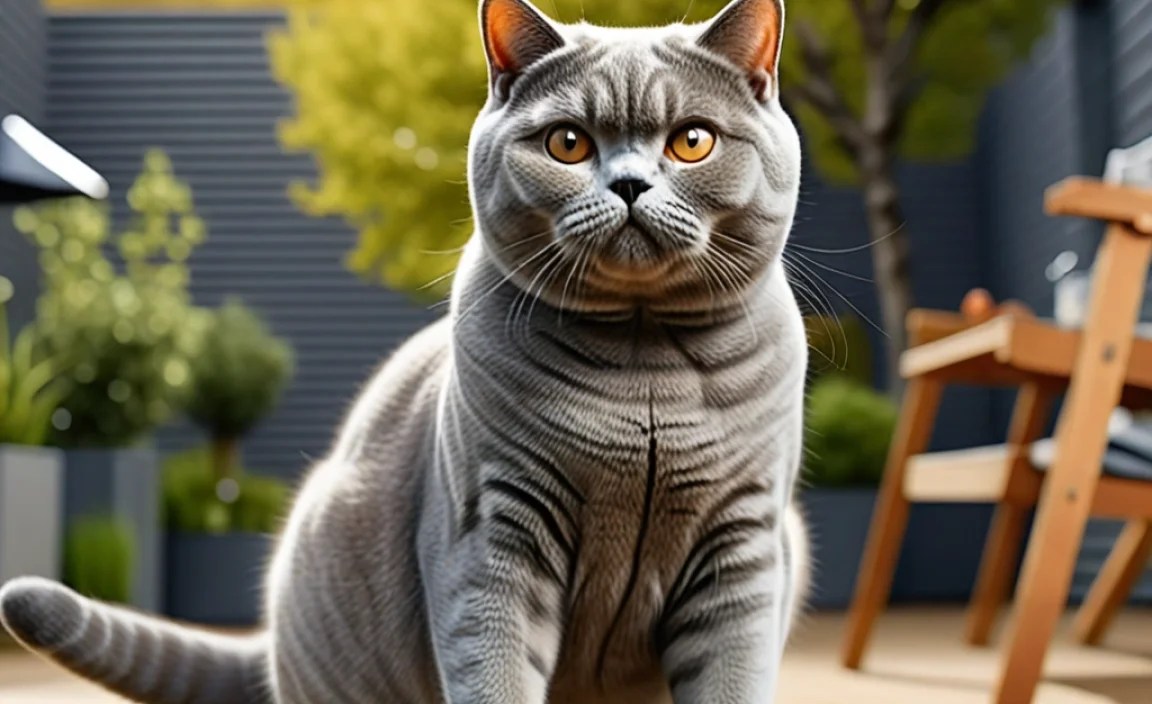
Once you’ve created a safe outdoor environment, it’s time to make it stimulating and engaging for your British Shorthair. Cats need mental and physical challenges to stay happy and healthy. A well-designed outdoor space will encourage them to explore, play, and exercise.
Climbing Structures
British Shorthairs enjoy climbing, so providing them with climbing structures is a great way to encourage activity. Consider these options:
- Cat Trees: Place cat trees or multi-level platforms in the outdoor area. These provide vertical space for climbing and perching.
- Shelves: Install shelves along the fence or walls of the catio to create a climbing wall.
- Natural Elements: Incorporate natural elements like tree branches or logs for climbing and scratching.
Scratching Posts
Scratching is a natural behavior for cats. It helps them to maintain their claws, stretch their muscles, and mark their territory. Providing scratching posts in the outdoor area will keep them from scratching your furniture.
- Variety: Offer a variety of scratching posts, including vertical posts, horizontal pads, and angled scratchers.
- Material: Choose materials like sisal, cardboard, or wood that are appealing to cats.
- Placement: Place scratching posts near their favorite spots, such as the entrance to the catio or near their sleeping area.
Toys and Games
Toys and games are essential for keeping your British Shorthair entertained and active outdoors. Rotate the toys regularly to keep them interested.
- Interactive Toys: Use interactive toys like laser pointers, fishing pole toys, and puzzle feeders to engage their hunting instincts.
- Chasing Toys: Provide toys that they can chase, such as balls, toy mice, and feather wands.
- Puzzle Feeders: Use puzzle feeders to make mealtime more challenging and stimulating.
Sensory Enrichment
Cats are highly sensitive to their environment, so providing sensory enrichment can make their outdoor experience more enjoyable.
- Plants: Plant cat-friendly plants like catnip, catmint, and valerian in the outdoor area. These plants can stimulate play and relaxation.
- Sounds: Introduce natural sounds like bird feeders or wind chimes to create a stimulating environment.
- Visuals: Provide visual stimulation with bird feeders, fish ponds, or colorful decorations.
Introducing Your British Shorthair to the Outdoors

Introducing your British Shorthair to the outdoors should be a gradual and positive experience. Avoid overwhelming them, and let them explore at their own pace.
Start Slowly
Begin by allowing your cat to explore the outdoor area for short periods, gradually increasing the time as they become more comfortable. Supervise their initial visits to ensure their safety and provide reassurance.
Use Positive Reinforcement
Use positive reinforcement to encourage your cat to explore and play in the outdoor area. Offer treats, praise, and petting when they exhibit desired behaviors, such as climbing, scratching, or playing with toys.
Make it Comfortable
Make the outdoor area comfortable and inviting for your cat. Provide a comfortable resting spot, such as a cat bed or blanket, in a sheltered area. Ensure there is access to fresh water and shade, especially during hot weather.
Avoid Forcing
Never force your cat to go outside if they are scared or reluctant. Let them explore at their own pace, and provide a safe retreat if they become overwhelmed. Forcing them can create negative associations with the outdoors.
Maintaining Activity Levels
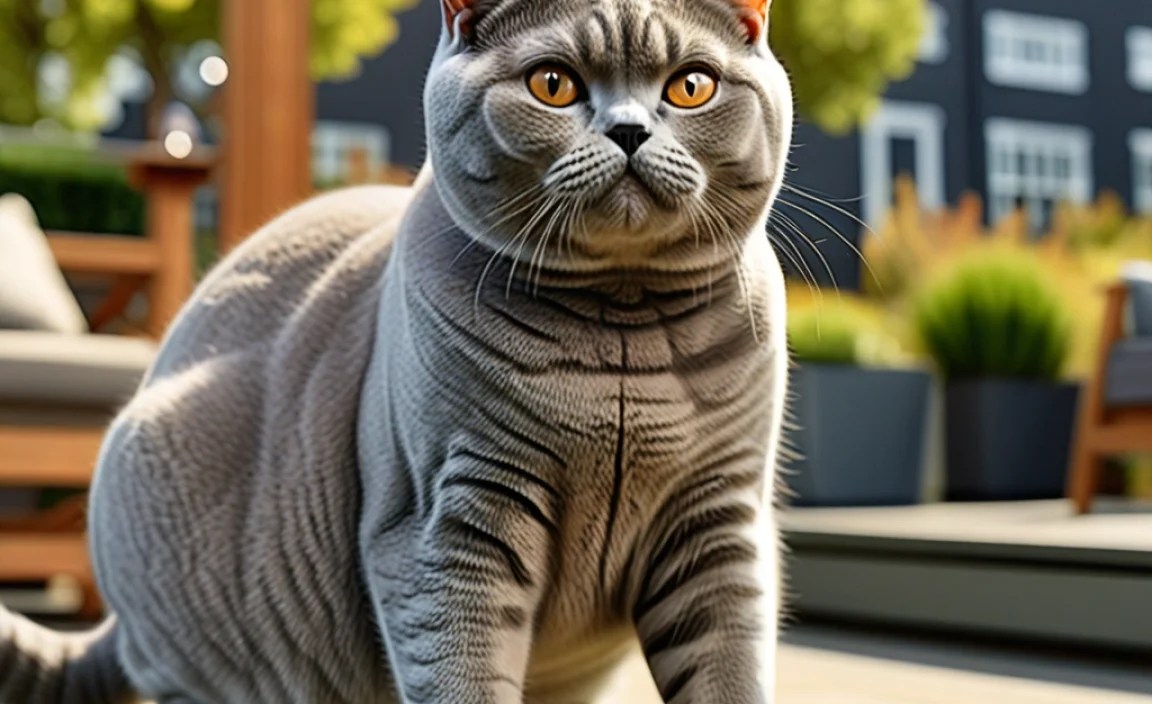
Once your British Shorthair is comfortable spending time outdoors, it’s important to maintain their activity levels. Regular interaction and enrichment will keep them engaged and prevent boredom.
Regular Play Sessions
Schedule regular play sessions in the outdoor area to interact with your cat and encourage them to exercise. Use interactive toys to engage their hunting instincts and provide physical activity.
Rotate Toys
Rotate the toys in the outdoor area regularly to keep your cat interested. Introduce new toys and remove old ones to maintain their curiosity and prevent boredom.
Provide Variety
Provide variety in the outdoor environment to keep your cat stimulated. Add new climbing structures, scratching posts, or sensory enrichment elements to keep them engaged.
Monitor Their Health
Regularly monitor your cat’s health and behavior to ensure they are thriving in the outdoor environment. Watch for signs of stress, injury, or illness, and consult with your veterinarian if you have any concerns.
Addressing Common Concerns
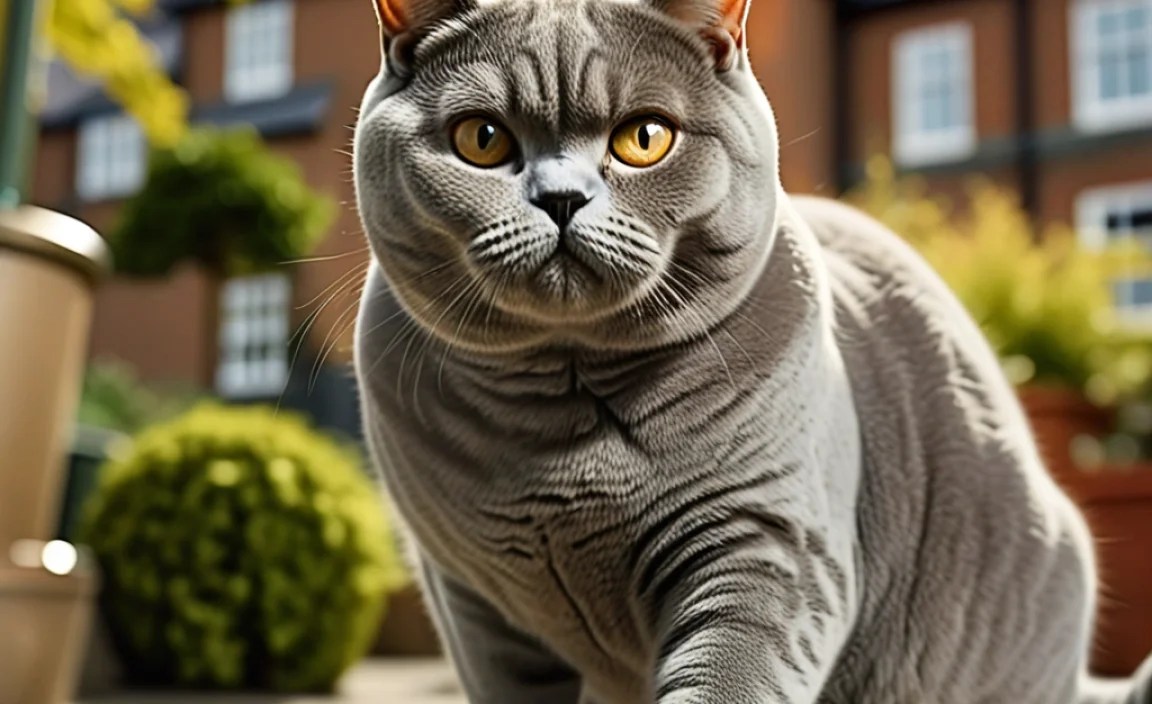
Introducing your British Shorthair to the outdoors can raise some concerns. Here are some common issues and how to address them:
Predator Concerns
Protecting your cat from predators is crucial. Ensure the outdoor area is secure and free from potential threats like dogs, foxes, or birds of prey. Supervise their outdoor time, especially during dawn and dusk when predators are most active.
Weather Conditions
British Shorthairs are sensitive to extreme weather conditions. Provide shelter from the sun, rain, and cold. Avoid letting them outside during extreme temperatures, and ensure they have access to fresh water at all times.
Parasites and Diseases
Outdoor cats are at a higher risk of contracting parasites and diseases. Keep your cat up-to-date on their vaccinations and parasite prevention treatments. Regularly check them for fleas, ticks, and other signs of illness.
Plant Toxicity
Some plants are toxic to cats. Ensure that all plants in the outdoor area are safe for cats to ingest. Research plants before introducing them to the environment, and remove any toxic plants immediately.
Benefits of Outdoor Activity
Keeping your British Shorthair active outdoors offers numerous benefits for their physical and mental well-being.
- Physical Health: Outdoor activity promotes exercise, which helps to maintain a healthy weight, strengthen muscles, and improve cardiovascular health.
- Mental Stimulation: Exploring the outdoors provides mental stimulation, which can reduce boredom, anxiety, and destructive behaviors.
- Natural Behaviors: Outdoor time allows cats to express their natural behaviors, such as hunting, climbing, and scratching.
- Socialization: Supervised outdoor time can provide opportunities for socialization with other animals and people, which can improve their social skills.
Practical Examples
Let’s look at some practical examples to illustrate how to keep your British Shorthair active outdoors.
Example 1: The Catio
Sarah built a catio attached to her living room window. The catio is 10 feet wide, 8 feet deep, and 8 feet tall. It’s made of sturdy wood and wire mesh. Inside, she has placed a tall cat tree, several scratching posts, and a variety of toys. She also planted catnip and catmint in pots. Her British Shorthair, Winston, loves spending time in the catio, climbing, scratching, and playing with toys. Sarah often joins him, using a laser pointer to encourage him to chase and pounce.
Example 2: Harness Training
Mark decided to harness train his British Shorthair, Bella. He started by letting her sniff the harness and rewarding her with treats. After a few days, he gently put the harness on her for short periods, gradually increasing the time. Once she was comfortable, he attached a leash and let her drag it around the house. Finally, he took her for short, supervised walks in his backyard. Bella now enjoys exploring the yard with Mark, sniffing the flowers and chasing butterflies.
Example 3: Fenced Yard
Emily installed a 6-foot-tall cat-proof fence around her backyard. The fence has an inward-facing overhang to prevent climbing. She also buried wire mesh along the base to prevent digging. Inside the fenced area, she placed several cat trees, scratching posts, and toys. Her British Shorthair, Oliver, loves exploring the yard, climbing the trees, and playing with his toys. Emily supervises his outdoor time to ensure his safety and provides him with plenty of attention and affection.
Table: Comparing Outdoor Options for British Shorthairs
| Option | Description | Pros | Cons |
|---|---|---|---|
| Cat-Proof Fencing | Tall fence with overhang to prevent climbing. | Provides a large, secure outdoor area. | Can be expensive and require significant installation. |
| Cat Enclosure (Catio) | Enclosed outdoor structure attached to the house. | Highly secure and customizable. | Can be costly and require construction skills. |
| Harness and Leash | Training cat to walk on a harness and leash. | Affordable and allows for supervised outdoor time. | Requires patience and training; limited roaming area. |
Table: Essential Items for Outdoor Enrichment
| Item | Description | Benefits |
|---|---|---|
| Cat Trees | Multi-level platforms for climbing and perching. | Encourages exercise and provides vertical space. |
| Scratching Posts | Posts made of sisal, cardboard, or wood for scratching. | Maintains claws and prevents furniture damage. |
| Interactive Toys | Toys like laser pointers, fishing pole toys, and puzzle feeders. | Engages hunting instincts and provides mental stimulation. |
| Cat-Friendly Plants | Plants like catnip, catmint, and valerian. | Stimulates play and relaxation. |
FAQ: Keeping British Shorthairs Active Outdoors
Here are some frequently asked questions about keeping British Shorthair cats active outdoors:
Q: Is it safe to let my British Shorthair outside?
A: Yes, but only if you take proper precautions. Creating a secure outdoor environment, such as a fenced yard or catio, is essential. Supervise their outdoor time and ensure they are protected from predators, weather conditions, and parasites.
Q: How can I encourage my cat to use the catio?
A: Make the catio inviting by providing comfortable resting spots, climbing structures, scratching posts, and toys. Use positive reinforcement, such as treats and praise, to encourage them to explore and play in the catio.
Q: What are some cat-friendly plants I can include in my outdoor space?
A: Some safe and stimulating options include catnip, catmint, valerian, and lemongrass. These plants can encourage play and relaxation, enhancing their outdoor experience. Always ensure any plants you introduce are non-toxic to cats, as noted by the ASPCA.
Q: How often should I take my British Shorthair outside?
A: Aim for daily outdoor time, even if it’s just for short periods. Regular exposure to the outdoors can provide physical and mental stimulation, improving their overall well-being. Adjust the duration based on weather conditions and your cat’s comfort level.
Q: What should I do if my cat is scared of going outside?
A: Introduce them to the outdoors gradually. Start by opening a door or window and letting them observe the environment from a safe distance. Use positive reinforcement to encourage them to explore at their own pace. Never force them outside, as this can create negative associations.
Q: How can I protect my British Shorthair from fleas and ticks outdoors?
A: Use veterinarian-approved flea and tick prevention treatments. Regularly check your cat for parasites, especially after they have been outdoors. Keep the outdoor area clean and free from debris to minimize the risk of infestation.
Q: Can I let my British Shorthair roam freely outside?
A: It’s generally not recommended to let British Shorthairs roam freely due to the risks of traffic, predators, and diseases. Creating a secure outdoor environment or using a harness and leash is a safer alternative.
Conclusion
Keeping your British Shorthair active outdoors requires careful planning and attention to safety. By creating a secure and stimulating environment, you can provide them with the physical and mental enrichment they need to thrive. Whether you choose cat-proof fencing, a catio, or harness training, the key is to introduce them to the outdoors gradually, use positive reinforcement, and monitor their health and behavior. With a little effort, you can help your British Shorthair enjoy the great outdoors while staying safe and happy, ensuring they live a long, healthy, and fulfilling life. Remember to consult with your veterinarian for specific advice tailored to your cat’s needs.


