
Best Outdoor Diet for British Shorthairs: A Smart Guide

Quick Summary:
The best outdoor diet for British Shorthair cats balances complete nutrition with the unique challenges of outdoor life. Focus on high-quality, protein-rich dry food to maintain their sturdy build. Supplement with wet food for hydration, especially in warmer months. Control portions to prevent obesity, and always provide fresh, clean water. Regular vet check-ups are crucial to adjust their diet as needed and monitor their health.
Worried about what to feed your British Shorthair cat if they spend time outdoors? It’s a common concern for many of us who adore this wonderful breed! Balancing their nutritional needs with the realities of outdoor life can feel tricky. You want to make sure they’re getting everything they need to stay healthy and happy, without overfeeding them or exposing them to unnecessary risks.
Don’t worry, you’re not alone! Finding the right outdoor diet for your British Shorthair is absolutely achievable. I’ll guide you through everything you need to know to keep your outdoor British Shorthair thriving. We’ll cover the best types of food, how to manage portions, and important safety considerations.
Understanding Your British Shorthair’s Nutritional Needs

British Shorthairs are known for their robust build and calm temperament. Understanding their specific dietary needs is the first step in ensuring they stay healthy, whether they spend time indoors or out. Let’s explore what makes their nutrition unique.
Protein: The Cornerstone of Their Diet
Protein is essential for British Shorthairs, supporting their muscle mass and overall energy levels. Look for cat foods where a named animal protein source (like chicken, turkey, or fish) is the first ingredient. Aim for a food with at least 30-40% protein content.
Fats: For Energy and a Healthy Coat
Healthy fats provide energy and help keep their luxurious coat shiny and healthy. Omega-3 and Omega-6 fatty acids are particularly beneficial. These can be found in fish oils and flaxseed, which are often added to high-quality cat foods.
Carbohydrates: A Limited Role
Cats don’t require a lot of carbohydrates in their diet. When choosing a cat food, opt for options with limited carbohydrate content and avoid those with excessive fillers like corn, wheat, and soy. A small amount of easily digestible carbohydrates, such as rice or potatoes, can be acceptable.
Vitamins and Minerals: Essential for Overall Health
A balanced diet should include essential vitamins and minerals. These support various bodily functions, from immune health to bone strength. High-quality cat foods are typically fortified with these nutrients, but it’s always good to check the label.
The Challenges of an Outdoor Diet

Feeding a cat that spends time outdoors presents unique challenges compared to an exclusively indoor cat. Here are some factors to consider:
Increased Activity Levels
Outdoor cats tend to be more active than indoor cats. They may require more calories to fuel their adventures, whether they’re hunting, exploring, or simply patrolling their territory. Adjust their food portions accordingly, but be careful not to overfeed.
Exposure to the Elements
Outdoor cats face varying weather conditions. In colder months, they need more calories to stay warm. In warmer months, they need adequate hydration to prevent dehydration. Make sure fresh water is always available, especially during hot weather.
Risk of Eating Unsafe Items
One of the biggest concerns with outdoor cats is their potential to eat things they shouldn’t. This can include prey animals, garbage, or even toxic substances. Monitor your cat’s behavior and consult your vet if you suspect they’ve ingested something harmful.
Competition with Other Animals
Outdoor cats may have to compete with other animals for food. This can lead to them eating quickly or consuming more than they need. If you have multiple cats or live in an area with many stray animals, consider feeding your cat indoors or supervising their outdoor meals.
Choosing the Right Food for Your Outdoor British Shorthair
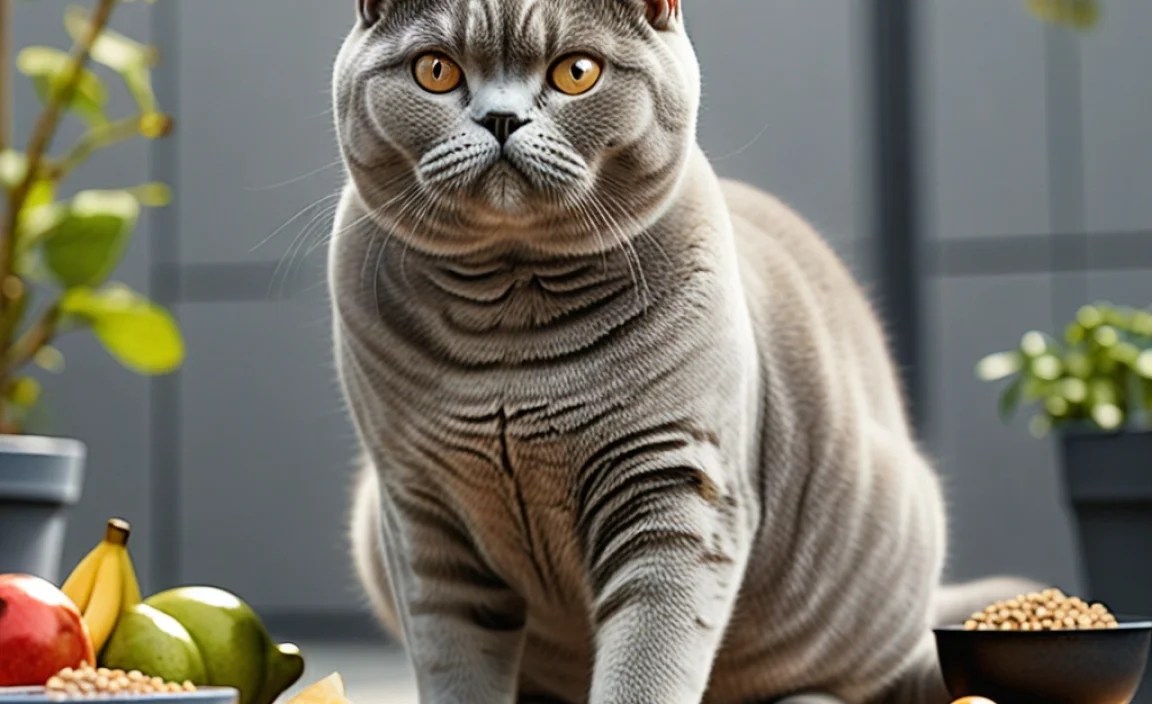
Selecting the right food is crucial for maintaining your British Shorthair’s health and energy levels. Here’s a breakdown of the best options:
High-Quality Dry Food
Dry food should form the foundation of your cat’s diet. Look for brands that use high-quality ingredients and list a named animal protein as the first ingredient. Dry food is also beneficial for dental health, as it can help reduce tartar buildup.
- Pros: Convenient, cost-effective, good for dental health.
- Cons: Can be lower in moisture, may contain fillers.
Wet Food
Wet food is an excellent way to supplement your cat’s diet, especially for hydration. It’s also often more appealing to picky eaters. Choose wet food with high protein content and avoid those with excessive artificial additives.
- Pros: High in moisture, palatable, good for cats with urinary issues.
- Cons: More expensive, can spoil quickly if left out.
Raw Food (With Caution)
Some owners opt for raw food diets, believing they are more natural and beneficial. However, raw food diets require careful planning and preparation to ensure they are safe and nutritionally complete. Consult with a vet or feline nutritionist before switching to a raw food diet.
- Pros: Can be highly palatable, may improve coat health.
- Cons: Risk of bacterial contamination, requires careful preparation.
Sample Feeding Schedule

Here is a sample feeding schedule for your British Shorthair cat:
| Time | Food Type | Amount | Notes |
|---|---|---|---|
| Morning (7:00 AM) | Dry Food | 1/4 cup | High-quality, protein-rich dry food |
| Evening (6:00 PM) | Wet Food | 1/2 can (3 oz) | Supplement for hydration and variety |
| Throughout the day | Fresh Water | As needed | Ensure constant access to clean water |
Portion Control and Feeding Guidelines
Maintaining a healthy weight is vital for British Shorthairs, as they are prone to obesity. Here’s how to manage their portions effectively:
Measure Food Portions
Use a measuring cup to ensure you’re feeding the correct amount. Follow the guidelines on the food packaging, but adjust as needed based on your cat’s activity level and weight.
Avoid Free-Feeding
Free-feeding (leaving food out all day) can lead to overeating. Instead, offer meals at specific times and remove any uneaten food after 20-30 minutes.
Monitor Weight Regularly
Keep an eye on your cat’s weight and body condition. You should be able to feel their ribs without pressing too hard. If they seem to be gaining too much weight, reduce their food portions and consult your vet.
Consider Puzzle Feeders
Puzzle feeders can help slow down eating and provide mental stimulation. These are especially useful for cats who tend to eat too quickly.
Essential Nutrients and Supplements
While a high-quality cat food should provide most of the necessary nutrients, some supplements can be beneficial for outdoor British Shorthairs:
Omega-3 Fatty Acids
Omega-3 fatty acids support coat health and reduce inflammation. You can add a fish oil supplement to their food or choose a cat food that already contains these essential fats.
Probiotics
Probiotics promote healthy digestion and boost the immune system. This can be particularly helpful for outdoor cats who may be exposed to more pathogens.
Antioxidants
Antioxidants, such as Vitamin E and Vitamin C, protect against cellular damage and support overall health. Many high-quality cat foods are fortified with antioxidants.
Taurine
Taurine is an essential amino acid that supports heart health and vision. Ensure your cat’s food contains adequate levels of taurine, as a deficiency can lead to serious health problems.
According to the The International Cat Association (TICA), taurine is so vital that cat food must be supplemented with it.
Safety Tips for Feeding Outdoor Cats
Feeding your British Shorthair outdoors requires extra precautions to ensure their safety:
Use a Secure Feeding Station
Choose a feeding station that is protected from the elements and inaccessible to other animals. This can be a covered area or a raised platform.
Monitor for Toxic Substances
Be aware of potential toxins in your yard, such as pesticides, herbicides, and antifreeze. Store these substances safely and clean up any spills immediately.
Provide Fresh, Clean Water
Always provide fresh, clean water in a bowl that is easy to access and clean. Change the water daily to prevent bacterial growth.
Protect Food from the Elements
Store cat food in a cool, dry place to prevent spoilage. Do not leave wet food out for extended periods, especially in warm weather, as it can attract insects and bacteria.
Common Feeding Mistakes to Avoid
Even with the best intentions, it’s easy to make mistakes when feeding your outdoor British Shorthair. Here are some common pitfalls to avoid:
Overfeeding
Overfeeding is a common mistake that can lead to obesity. Measure food portions carefully and adjust as needed based on your cat’s activity level and weight.
Feeding Table Scraps
Table scraps are often high in fat and calories and can contain ingredients that are toxic to cats, such as onions and garlic. Avoid feeding your cat table scraps.
Ignoring Dietary Changes
Your cat’s dietary needs may change over time due to age, health conditions, or activity level. Regularly reassess their diet and consult your vet if you have any concerns.
Not Providing Enough Water
Dehydration can be a serious issue, especially for outdoor cats. Ensure your cat always has access to fresh, clean water.
Transitioning to a New Food
If you need to switch your cat’s food, do so gradually to avoid digestive upset. Here’s how to transition smoothly:
- Day 1-2: Mix 25% of the new food with 75% of the old food.
- Day 3-4: Mix 50% of the new food with 50% of the old food.
- Day 5-6: Mix 75% of the new food with 25% of the old food.
- Day 7: Feed 100% of the new food.
Monitor your cat for any signs of digestive upset, such as vomiting or diarrhea. If these occur, slow down the transition or consult your vet.
Consulting with Your Veterinarian
Regular check-ups with your veterinarian are essential for maintaining your British Shorthair’s health. Your vet can provide personalized dietary recommendations based on your cat’s individual needs and health status.
Discuss Dietary Concerns
Bring up any concerns you have about your cat’s diet with your vet. They can help you choose the right food and adjust portions as needed.
Monitor for Health Issues
Regular vet visits can help detect health issues early, such as kidney disease, diabetes, or dental problems. These conditions can affect your cat’s dietary needs.
Adjust Diet as Needed
Your vet can recommend dietary changes based on your cat’s health status. For example, they may suggest a special diet for cats with kidney disease or diabetes.
According to the RSPCA, regular vet visits are an important part of responsible pet ownership.
FAQ About Outdoor Diets for British Shorthairs
1. How much should I feed my outdoor British Shorthair?
The amount you feed your outdoor British Shorthair depends on their age, activity level, and weight. Start with the feeding guidelines on the food packaging, but adjust as needed. Monitor their weight and body condition regularly, and consult your vet if you have any concerns.
2. Is dry food or wet food better for outdoor cats?
Both dry and wet food have their benefits. Dry food is convenient and good for dental health, while wet food is hydrating and palatable. A combination of both is often the best approach. Make sure your cat always has access to fresh water, especially if they primarily eat dry food.
3. What are the signs of food allergies in cats?
Signs of food allergies in cats can include vomiting, diarrhea, itchy skin, and hair loss. If you suspect your cat has a food allergy, consult your vet. They may recommend an elimination diet to identify the offending ingredient.
4. Can I feed my cat a homemade diet?
Homemade diets can be a good option, but they require careful planning to ensure they are nutritionally complete and safe. Consult with a vet or feline nutritionist before switching to a homemade diet.
5. How can I prevent my cat from eating unsafe things outdoors?
It’s challenging to prevent your cat from eating everything outdoors, but you can take steps to minimize the risk. Keep your yard free of toxins, supervise your cat when they’re outside, and provide them with a balanced diet so they’re less likely to scavenge.
6. What should I do if my cat eats something toxic?
If you suspect your cat has eaten something toxic, contact your vet or an animal poison control center immediately. Do not try to induce vomiting unless directed to do so by a professional.
7. How often should I take my outdoor cat to the vet?
Outdoor cats should have annual check-ups, or more frequently if they have health issues. Regular vet visits can help detect and prevent health problems, ensuring your cat stays healthy and happy.
Conclusion
Feeding your British Shorthair cat the best outdoor diet involves understanding their unique nutritional needs, considering the challenges of outdoor life, and making informed choices about their food. By focusing on high-quality ingredients, portion control, and safety, you can ensure your feline friend thrives, whether they’re exploring the great outdoors or relaxing at home. Remember to consult with your veterinarian regularly to tailor their diet to their specific needs and keep them in top condition. With a little care and attention, your British Shorthair can enjoy a long, healthy, and happy life!


