
Indoor Hair Shedding Solutions for British Shorthairs That Work

Quick Summary: British Shorthairs are known for their plush coats, but that also means they shed! To manage indoor hair shedding, brush your cat regularly (2-3 times a week, daily during shedding season) with a good quality slicker brush. A healthy diet rich in omega fatty acids is crucial. Bathing every few months can also help. Finally, vacuum and clean your home frequently to remove loose fur.
Is your beautiful British Shorthair leaving a trail of fur around your home? Don’t worry, you’re not alone! These lovely cats are known for their dense coats, which, unfortunately, means they can be quite the shedders. It’s a common concern for owners, but with the right approach, you can definitely manage the shedding and keep your home a bit cleaner.
This guide will walk you through proven steps to minimize indoor hair shedding from your British Shorthair. We’ll cover everything from grooming techniques to diet adjustments and home cleaning strategies. Get ready to enjoy more cuddles and less fur!
Understanding British Shorthair Shedding

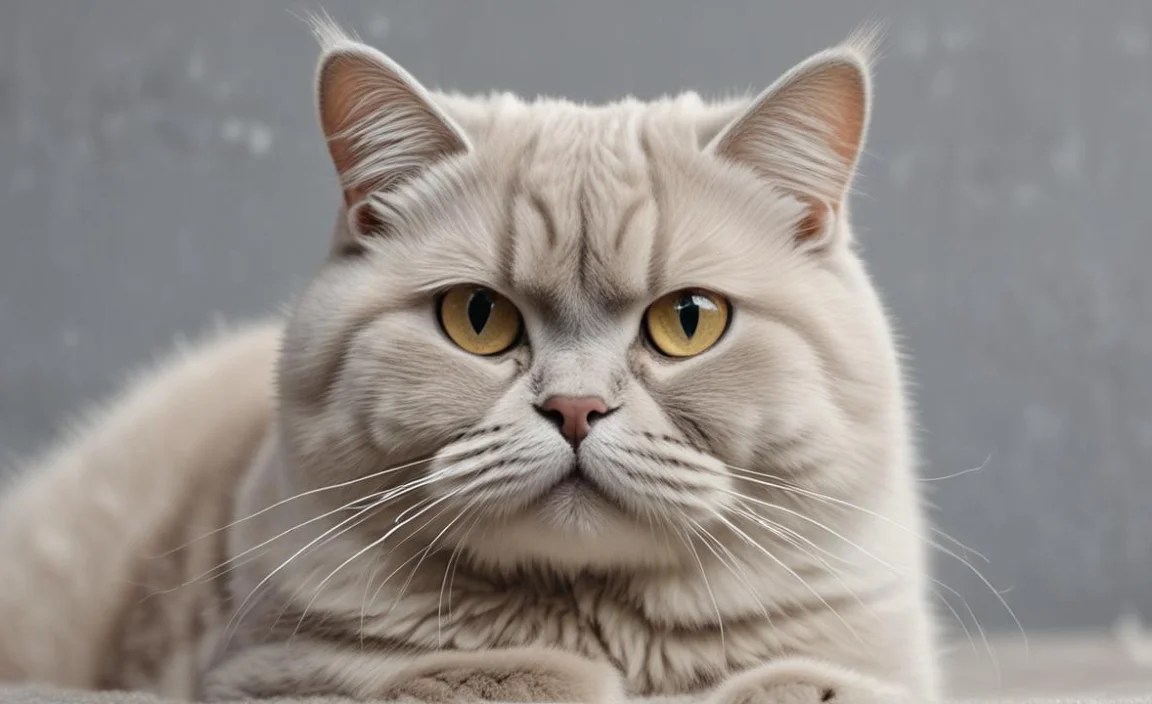
British Shorthairs have a thick, plush double coat. This is what makes them so cuddly, but it also contributes to their shedding. Understanding the shedding cycle can help you prepare and manage it better.
Why Do British Shorthairs Shed?
Shedding is a natural process where cats lose old or damaged hair to make way for new, healthy hair. Several factors influence how much a British Shorthair sheds:
- Seasonal Changes: Like many animals, British Shorthairs typically shed more in the spring and fall. This is when they’re adjusting their coats for the changing temperatures.
- Diet: A poor diet can lead to dry, brittle fur, which increases shedding.
- Health: Stress, allergies, or underlying health issues can also cause increased shedding. The Cornell Feline Health Center has excellent resources on feline health.
- Grooming Habits: Inadequate grooming allows loose fur to accumulate, leading to more shedding around the house.
The British Shorthair Shedding Cycle
Cats have a natural hair growth cycle with four phases: anagen (growth), catagen (transition), telogen (resting), and exogen (shedding). British Shorthairs go through this cycle continuously, but the shedding phase is more pronounced during certain times of the year. Regular grooming helps to remove hair during the exogen phase before it ends up on your furniture.
Step-by-Step Solutions to Reduce Indoor Shedding

Now, let’s dive into practical solutions you can implement to minimize shedding and keep your home fur-free.
1. Regular Grooming: Your First Line of Defense
Consistent grooming is the most effective way to manage shedding. It removes loose hair before it can fall out around your house.
Choosing the Right Grooming Tools
Investing in the right grooming tools makes a big difference. Here are some essentials:
- Slicker Brush: A slicker brush has fine, angled wires that effectively remove loose fur and prevent mats.
- Undercoat Rake: This tool is designed to reach through the topcoat and remove loose undercoat.
- Grooming Glove: A grooming glove with rubber tips can be used for gentle daily grooming.
Brushing Techniques
Follow these steps for effective brushing:
- Start with a slicker brush to remove loose fur and tangles.
- Use an undercoat rake to reach deeper into the coat and remove dead hair.
- Finish with a grooming glove to smooth the coat and collect any remaining loose fur.
Grooming Schedule
Aim to brush your British Shorthair at least 2-3 times a week. During shedding season (spring and fall), increase this to daily brushing. This will significantly reduce the amount of fur around your home.
2. Diet and Hydration: Nourishing from the Inside Out
A healthy diet is crucial for maintaining a healthy coat. Proper nutrition can reduce shedding and improve the overall quality of your cat’s fur.
Choosing the Right Cat Food
Look for cat food that is high in protein and contains essential fatty acids. Here are some key ingredients to look for:
- High-Quality Protein: Look for named meat sources like chicken, fish, or lamb.
- Omega-3 and Omega-6 Fatty Acids: These help to nourish the skin and coat, reducing dryness and shedding.
- Vitamins and Minerals: Ensure the food contains essential vitamins and minerals for overall health.
Avoid foods with fillers, artificial colors, and preservatives, as these can negatively impact your cat’s health.
Supplementing with Omega Fatty Acids
If your cat’s food isn’t providing enough omega fatty acids, consider adding a supplement. Fish oil or flaxseed oil can be added to their food to boost their intake.
Hydration is Key
Make sure your British Shorthair has access to fresh, clean water at all times. Dehydration can lead to dry skin and increased shedding. Consider using a cat water fountain to encourage them to drink more.
3. Bathing: A Helpful but Infrequent Tool
Bathing can help remove loose fur, but it’s important not to overdo it. Over-bathing can strip the coat of its natural oils, leading to dryness and irritation.
Choosing the Right Shampoo
Use a shampoo specifically formulated for cats. Avoid human shampoos, as they can be too harsh for feline skin. Look for a gentle, moisturizing shampoo.
Bathing Technique
Follow these steps for a stress-free bathing experience:
- Brush your cat thoroughly before bathing to remove any mats or tangles.
- Wet your cat with lukewarm water, avoiding the face and ears.
- Apply shampoo and gently massage it into the coat.
- Rinse thoroughly until all shampoo is removed.
- Towel-dry your cat as much as possible. You can also use a low-heat hair dryer, but be careful not to overheat their skin.
Bathing Frequency
Generally, bathing every few months is sufficient for a British Shorthair. If your cat has a skin condition, consult with your veterinarian for specific recommendations. The RSPCA provides guidance on cat care, including bathing.
4. Home Environment: Keeping the Fur at Bay
Even with the best grooming and diet, some fur will inevitably end up around your home. Regular cleaning is essential to keep it under control.
Vacuuming Regularly
Vacuum your home frequently, especially areas where your cat spends a lot of time. Use a vacuum with a HEPA filter to trap allergens and fine particles.
Choosing the Right Vacuum
Consider a vacuum specifically designed for pet hair. These often have features like motorized brushes and strong suction to effectively remove fur from carpets and upholstery.
Cleaning Furniture and Fabrics
Use a lint roller or pet hair remover to clean furniture and fabrics. For stubborn fur, try using a damp cloth or rubber glove to wipe surfaces.
Air Purifiers
An air purifier with a HEPA filter can help remove pet dander and allergens from the air, reducing the overall amount of fur and dander in your home.
5. Identifying and Addressing Underlying Health Issues
Sometimes, excessive shedding can be a sign of an underlying health problem. It’s important to rule out any medical causes if you notice a sudden increase in shedding or other symptoms.
Common Health Issues That Cause Shedding
- Allergies: Food or environmental allergies can cause skin irritation and increased shedding.
- Parasites: Fleas, mites, and other parasites can cause itching and hair loss.
- Skin Infections: Bacterial or fungal infections can also lead to shedding and skin problems.
- Stress: Stress or anxiety can cause a cat to shed more than usual.
When to See a Veterinarian
Consult with your veterinarian if you notice any of the following:
- Sudden increase in shedding
- Bald patches or thinning hair
- Excessive scratching or licking
- Redness, inflammation, or sores on the skin
- Changes in appetite or behavior
Your vet can perform tests to diagnose any underlying health issues and recommend appropriate treatment. Early detection and treatment can prevent further complications and improve your cat’s overall health and well-being.
6. Managing Stress and Anxiety
Stress can be a significant factor in increased shedding. Creating a calm and stable environment for your British Shorthair can help reduce anxiety and minimize shedding.
Creating a Calm Environment
Provide your cat with a safe and comfortable space where they can retreat when feeling stressed. This could be a cozy bed, a quiet room, or a high perch where they can observe their surroundings.
Enrichment and Play
Engage your cat in regular play sessions to provide mental stimulation and reduce boredom. Interactive toys, puzzle feeders, and scratching posts can help keep them entertained and happy.
Pheromone Therapy
Consider using pheromone diffusers or sprays, such as Feliway, to create a calming environment. These products mimic natural feline pheromones and can help reduce stress and anxiety.
Consistency and Routine
Cats thrive on routine. Try to maintain a consistent feeding schedule, playtime, and grooming routine to provide a sense of security and stability.
Comparing Shedding Solutions

Here’s a quick comparison of the different shedding solutions we’ve discussed:
| Solution | Frequency | Benefits | Considerations |
|---|---|---|---|
| Brushing | 2-3 times per week (daily during shedding season) | Removes loose fur, prevents mats, stimulates circulation | Requires consistent effort, need the right tools |
| Diet | Daily | Improves coat health, reduces dryness and shedding | Requires choosing high-quality cat food, may need supplements |
| Bathing | Every few months | Removes loose fur, cleanses the coat | Can be stressful for some cats, avoid over-bathing |
| Home Cleaning | Regularly | Removes fur from the environment, reduces allergens | Requires time and effort, need the right tools (vacuum, lint roller) |
| Veterinary Care | As needed | Addresses underlying health issues, prevents complications | Requires vet visits, may involve tests and treatments |
Tracking Your Progress
It can be helpful to track your progress as you implement these solutions. Keep a log of your grooming schedule, diet changes, and any other interventions you try. This will help you identify what works best for your cat and make adjustments as needed.
Monitoring Shedding Levels
Take note of how much fur you’re finding around your home each week. Are you seeing a noticeable reduction after implementing a new grooming routine or diet change?
Taking Photos
Before-and-after photos can be a great way to visually track your progress. Take photos of your cat’s coat and the amount of fur on your furniture to compare over time.
Consulting with Other Owners
Connect with other British Shorthair owners online or in your local community. Share your experiences and learn from their tips and tricks. The International Cat Association (TICA) is a great resource for connecting with other cat enthusiasts.
FAQ: Indoor Hair Shedding Solutions for British Shorthairs
Here are some frequently asked questions about managing shedding in British Shorthairs:
How much shedding is normal for a British Shorthair?
British Shorthairs are moderate shedders, with increased shedding during spring and fall. Some shedding is normal, but excessive shedding could indicate an underlying issue.
What is the best brush for a British Shorthair?
A slicker brush and an undercoat rake are excellent choices. The slicker brush removes loose fur, while the undercoat rake reaches deeper to remove dead hair.
Can diet affect shedding in British Shorthairs?
Yes, a poor diet can lead to dry, brittle fur and increased shedding. Choose a high-quality cat food with plenty of protein and omega fatty acids.
How often should I bathe my British Shorthair?
Bathing every few months is generally sufficient. Over-bathing can strip the coat of its natural oils.
Is there anything else I can do to reduce shedding?
Using an air purifier, maintaining a consistent routine, and reducing stress can also help minimize shedding.
When should I be concerned about my cat’s shedding?
Consult your veterinarian if you notice a sudden increase in shedding, bald patches, or other skin problems.
Can stress cause my British Shorthair to shed more?
Yes, stress and anxiety can contribute to increased shedding. Provide a calm and stable environment for your cat.
Conclusion
Managing indoor hair shedding from your British Shorthair doesn’t have to be overwhelming. With a consistent grooming routine, a healthy diet, and a clean home environment, you can significantly reduce the amount of fur around your house. Remember to be patient and consistent, and consult with your veterinarian if you have any concerns about your cat’s health. By following these steps, you and your British Shorthair can enjoy a cleaner, more comfortable home together. Happy cuddling!


