
Social Behavior of British Shorthairs at Home: Secrets

Quick Summary: British Shorthairs are generally calm and independent cats. They enjoy human company but aren’t overly demanding. They coexist peacefully with other pets if introduced properly. They appreciate playtime but also value their alone time. Early socialization is key to a well-adjusted British Shorthair. A stable environment contributes significantly to their social comfort.
Bringing a British Shorthair into your home is an exciting time! You’re likely wondering how this new feline friend will fit into your family and what their personality will be like. Will they cuddle all the time, or prefer their own space? Will they get along with other pets? Understanding the typical social behaviors of British Shorthairs can ease the transition and help you create a happy environment for your new companion. Don’t worry; this breed is known for its easygoing nature. We’ll explore their interactions with humans, other animals, and their overall demeanor so you know what to expect. Let’s dive in!
Understanding the Social Behavior of British Shorthairs at Home

British Shorthairs are known for their gentle and adaptable nature, making them wonderful companions. However, like all cats, they have their own unique social preferences. Let’s explore their typical behaviors to help you better understand your British Shorthair’s interactions within your home.
British Shorthairs and Humans: Affectionate but Independent
British Shorthairs are often described as affectionate but not overly clingy. They enjoy being around their human families, but they also value their independence. Here’s what you can typically expect:
- Affectionate Companions: They enjoy being near you, often following you from room to room.
- Lap Cats (Sometimes): While not all British Shorthairs are lap cats, many will enjoy a cuddle session on your lap, especially when they’re in the mood for a nap.
- Independent Nature: They are perfectly content entertaining themselves. They don’t demand constant attention.
- Gentle Temperament: British Shorthairs are known for their patience and tolerance, making them great family pets, even with children.
It’s important to respect your cat’s boundaries. If they walk away or seem uninterested in interaction, don’t force it. Let them initiate contact on their terms.
British Shorthairs and Other Pets: Peaceful Coexistence
British Shorthairs generally get along well with other pets, especially if they are introduced properly. Early socialization is key to ensuring a harmonious multi-pet household. Here are some considerations:
- Early Socialization: Introducing your British Shorthair to other pets when they are kittens increases the likelihood of a positive relationship.
- Gradual Introductions: When introducing a new pet, do it slowly. Start by allowing them to smell each other under the door. Then, supervise brief, controlled interactions.
- Neutral Territory: Introduce pets in a neutral territory where neither feels threatened or territorial.
- Individual Attention: Make sure each pet receives individual attention and playtime to prevent jealousy or competition.
Keep in mind that every cat is different. Some British Shorthairs may be more accepting of other animals than others. Patience and understanding are essential when integrating a new pet into your home.
British Shorthairs and Children: Gentle Playmates
Their patient and tolerant nature makes British Shorthairs generally good with children. However, it’s crucial to teach children how to interact with cats respectfully.
- Teach Gentle Handling: Children should be taught to handle cats gently, avoiding pulling tails or ears.
- Supervise Interactions: Always supervise interactions between young children and cats to ensure both are safe and comfortable.
- Respect Boundaries: Teach children to recognize when a cat wants to be left alone and to respect their space.
- Safe Spaces: Ensure the cat has a safe space where they can retreat if they feel overwhelmed.
With proper guidance, British Shorthairs and children can form loving and playful bonds.
Understanding British Shorthair Playfulness
British Shorthairs aren’t known for being overly energetic, but they do enjoy playtime, especially in short bursts. Understanding their play style can help you engage with them effectively.
- Interactive Toys: They enjoy interactive toys like feather wands, laser pointers, and puzzle toys.
- Short Play Sessions: Keep play sessions short and engaging to match their moderate energy levels.
- Independent Play: They are also happy to play independently with toys like balls or toy mice.
- Scratching Posts: Provide scratching posts to satisfy their natural scratching instincts and protect your furniture.
Regular playtime is important for their physical and mental well-being. It helps prevent boredom and keeps them active.
The Importance of Environment for Social Comfort
A stable and predictable environment is crucial for the social comfort of your British Shorthair. Cats are creatures of habit, and changes in their environment can cause stress.
- Consistent Routine: Maintain a consistent feeding and playtime schedule.
- Safe Spaces: Provide multiple safe spaces where your cat can retreat when they feel stressed or overwhelmed. This could be a cat tree, a cozy bed, or a quiet room.
- Avoid Sudden Changes: Minimize sudden changes in the environment, such as rearranging furniture or introducing new people or pets without proper preparation.
- Scent Familiarity: Cats rely heavily on scent. Avoid using strong-smelling cleaning products that can disrupt their scent environment.
A calm and predictable environment will help your British Shorthair feel secure and confident, which in turn will positively influence their social behavior.
Step-by-Step Guide to Socializing Your British Shorthair

Socialization is the process of exposing your kitten or cat to different people, animals, environments, and experiences to help them develop into a well-adjusted adult. Here’s a step-by-step guide to effectively socializing your British Shorthair:
Step 1: Early Socialization (Kittens)
The critical period for socialization in kittens is between 2 and 16 weeks of age. During this time, kittens are more receptive to new experiences.
- Handle Gently: Handle your kitten gently and frequently from a young age. This helps them become comfortable with human touch.
- Introduce to People: Expose your kitten to different people, including men, women, and children. Encourage visitors to offer treats and gentle petting.
- New Environments: Take your kitten to different environments, such as car rides or visits to friends’ homes, ensuring they are safe and secure.
- Sounds and Sights: Expose your kitten to various sounds and sights, such as vacuum cleaners, televisions, and traffic noises.
Step 2: Introducing to Other Pets
Introducing your British Shorthair to other pets requires patience and a gradual approach.
- Scent Exchange: Start by allowing your pets to exchange scents without seeing each other. You can do this by swapping bedding or rubbing a towel on one pet and placing it near the other.
- Visual Introduction: Once they are comfortable with each other’s scents, allow them to see each other through a barrier, such as a screen door or a crate.
- Supervised Interactions: After a few days, allow brief, supervised interactions in a neutral territory. Keep the interactions positive by offering treats and praise.
- Gradual Increase: Gradually increase the length and frequency of the interactions as they become more comfortable with each other.
Step 3: Positive Reinforcement
Positive reinforcement is a powerful tool for shaping your British Shorthair’s behavior.
- Reward Good Behavior: Reward your cat with treats, praise, or petting when they exhibit desired behaviors, such as calm interactions with other pets or gentle play with children.
- Avoid Punishment: Avoid punishment, as it can create fear and anxiety, leading to behavioral problems.
- Use Clicker Training: Clicker training can be an effective way to teach your cat new behaviors. Pair the clicker with a treat to create a positive association.
Step 4: Creating a Safe and Comfortable Environment
A safe and comfortable environment is essential for your British Shorthair’s well-being.
- Provide Safe Spaces: Ensure your cat has multiple safe spaces where they can retreat when they feel stressed or overwhelmed.
- Maintain a Routine: Maintain a consistent feeding and playtime schedule to provide a sense of security.
- Minimize Stressors: Identify and minimize potential stressors in the environment, such as loud noises or aggressive pets.
Step 5: Ongoing Socialization
Socialization is an ongoing process that should continue throughout your cat’s life.
- Regular Exposure: Continue to expose your cat to new people, animals, and environments on a regular basis.
- Positive Experiences: Ensure that all experiences are positive and rewarding.
- Monitor Behavior: Monitor your cat’s behavior for signs of stress or anxiety, and adjust your approach accordingly.
Troubleshooting Common Social Behavior Issues
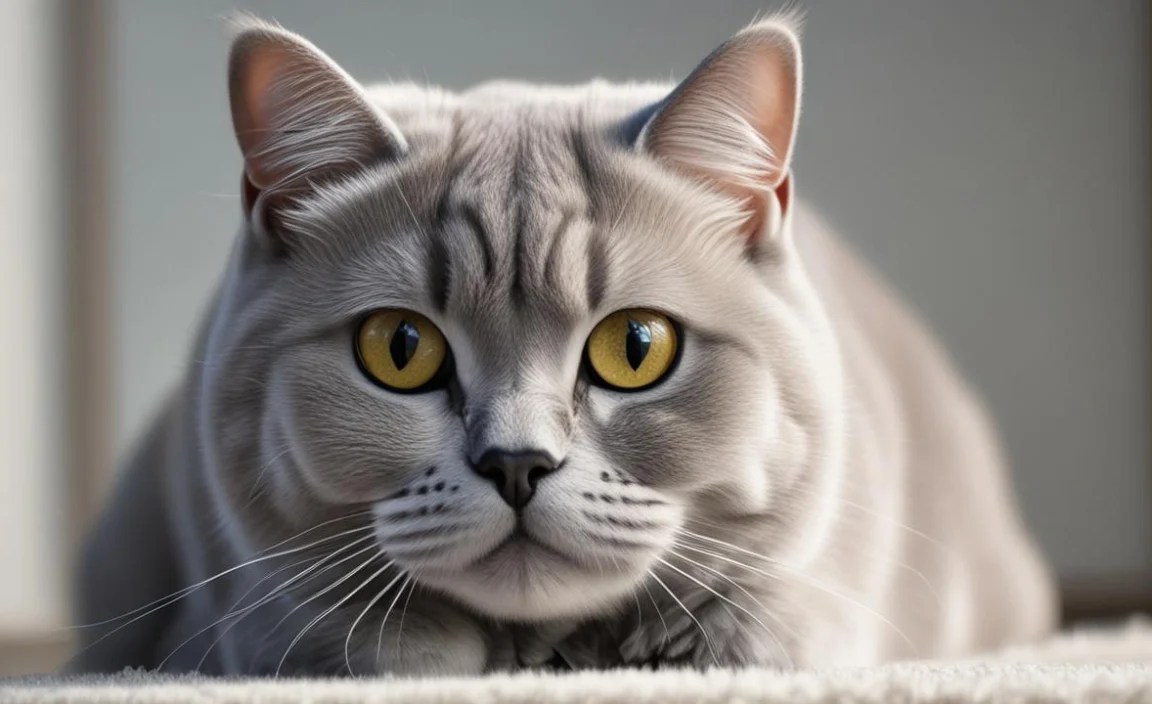
Even with proper socialization, some British Shorthairs may exhibit behavioral issues. Here are some common problems and how to address them:
Problem 1: Aggression Towards Other Cats
If your British Shorthair is showing aggression towards other cats, it’s important to identify the underlying cause.
| Possible Cause | Solution |
|---|---|
| Territoriality | Provide each cat with their own resources (food bowls, litter boxes, beds) and ensure they have separate spaces. |
| Fear | Identify the source of the fear and remove it or create a safe space where the cat can retreat. |
| Play Aggression | Redirect the aggression with interactive toys and ensure each cat gets enough playtime. |
| Medical Issues | Consult with your veterinarian to rule out any underlying medical conditions. |
Problem 2: Excessive Hiding
Hiding is a natural behavior for cats, but excessive hiding can indicate stress or anxiety.
| Possible Cause | Solution |
|---|---|
| New Environment | Give your cat time to adjust to the new environment and provide plenty of safe spaces. |
| Loud Noises | Minimize exposure to loud noises and create a quiet, safe space where the cat can retreat. |
| Fear | Identify the source of the fear and remove it or create a safe space where the cat can retreat. |
| Medical Issues | Consult with your veterinarian to rule out any underlying medical conditions. |
Problem 3: Fear of Strangers
Some British Shorthairs may be fearful of strangers, especially if they were not properly socialized as kittens.
| Possible Cause | Solution |
|---|---|
| Lack of Socialization | Gradually expose your cat to new people in a positive and controlled manner. |
| Negative Experiences | Avoid forcing interactions and allow your cat to approach strangers on their own terms. |
| Genetics | Some cats are naturally more cautious than others. Respect your cat’s personality and avoid pushing them beyond their comfort zone. |
Problem 4: Inappropriate Scratching
Scratching is a natural behavior for cats, but it can become a problem if they are scratching furniture or other inappropriate surfaces. According to the RSPCA, providing appropriate scratching posts is key to managing this behavior.
| Possible Cause | Solution |
|---|---|
| Lack of Scratching Posts | Provide multiple scratching posts in different locations and made of different materials. |
| Stress | Identify and minimize potential stressors in the environment. |
| Territorial Marking | Clean the scratched areas thoroughly and use pheromone sprays to deter scratching. |
Problem 5: Biting and Nipping
Biting and nipping can be a sign of overstimulation or play aggression.
| Possible Cause | Solution |
|---|---|
| Overstimulation | Learn to recognize the signs of overstimulation (e.g., tail twitching, dilated pupils) and end the interaction before the cat bites. |
| Play Aggression | Redirect the aggression with interactive toys and avoid using your hands or feet as toys. |
| Fear | Identify the source of the fear and remove it or create a safe space where the cat can retreat. |
| Medical Issues | Consult with your veterinarian to rule out any underlying medical conditions. |
If you are struggling to address your British Shorthair’s social behavior issues, consult with a veterinarian or a certified cat behaviorist. They can help you identify the underlying cause of the behavior and develop a customized treatment plan. Resources like the Cornell Feline Health Center offer valuable insights into feline behavior and health.
Tips for a Harmonious Home Life with Your British Shorthair

Creating a harmonious home life with your British Shorthair involves understanding their needs, providing a comfortable environment, and fostering positive interactions.
- Provide Vertical Space: Cats enjoy climbing and observing their surroundings from a high vantage point. Provide cat trees, shelves, or window perches to satisfy this instinct.
- Offer Puzzle Toys: Puzzle toys can help keep your British Shorthair mentally stimulated and prevent boredom.
- Regular Grooming: British Shorthairs have thick coats that require regular grooming to prevent mats and hairballs. Grooming can also be a bonding experience.
- Clean Litter Box: Keep the litter box clean and accessible. Cats are very particular about their litter box, and a dirty litter box can lead to elimination problems.
- Fresh Water: Always provide fresh, clean water. Some cats prefer running water, so consider a cat fountain.
FAQ About British Shorthair Social Behavior
Here are some frequently asked questions about the social behavior of British Shorthairs:
- Are British Shorthairs good with children?
- Yes, British Shorthairs are generally good with children due to their patient and tolerant nature. However, it’s important to teach children how to interact with cats respectfully and to supervise interactions, especially with young children.
- Do British Shorthairs get lonely?
- While British Shorthairs are independent, they still enjoy companionship. They can get lonely if left alone for extended periods. Providing toys, scratching posts, and interactive play can help alleviate loneliness. If you are frequently away from home, consider getting a second cat to provide companionship.
- How do I introduce my British Shorthair to a new cat?
- Introduce new cats gradually. Start with scent exchange, then visual introduction through a barrier, followed by brief, supervised interactions. Ensure each cat has its own resources and safe spaces.
- Why is my British Shorthair hiding all the time?
- Excessive hiding can indicate stress, anxiety, or illness. Provide safe spaces, minimize stressors, and consult with your veterinarian to rule out any underlying medical conditions. A new environment can also cause temporary hiding behavior.
- Are British Shorthairs vocal cats?
- British Shorthairs are not known for being overly vocal. They typically only meow when they need something, such as food or attention. Excessive vocalization can indicate a medical or behavioral issue.
- How much playtime do British Shorthairs need?
- British Shorthairs have moderate energy levels and benefit from short, engaging play sessions. Aim for 15-20 minutes of playtime per day, using interactive toys like feather wands or laser pointers.
- Do British Shorthairs like to cuddle?
- Some British Shorthairs enjoy cuddling, while others are more independent. They may enjoy sitting near you or sleeping on your bed, but not all will be lap cats. Respect their preferences and allow them to initiate contact.
Conclusion
Understanding the social behavior of British Shorthairs at home is crucial for creating a happy and harmonious environment. Their gentle, adaptable, and independent nature makes them wonderful companions. By providing a stable environment, engaging in positive socialization, and addressing any behavioral issues promptly, you can foster a loving and fulfilling relationship with your British Shorthair. Remember, patience and understanding are key to building a strong bond with your feline friend. Enjoy the journey of getting to know your British Shorthair’s unique personality and quirks. With the right approach, you’ll have a loyal and loving companion for many years to come.


