
British Shorthair Temperament Quirks: The Secret?

British Shorthair Temperament Quirks: What Makes Them Unique?

Quick Summary: British Shorthairs are known for their calm, affectionate nature, but they have quirks! They’re independent, not overly demanding, and enjoy playtime on their terms. Some are lap cats, others prefer to be nearby. They can be picky eaters and sensitive to change. Understanding these quirks helps you build a stronger bond with your British Shorthair!
Bringing a British Shorthair into your home means welcoming a companion known for their easy-going nature and teddy bear looks. However, like all cats, British Shorthairs have unique personality traits and quirks that make them individuals. Understanding these quirks can help you provide the best possible environment for your feline friend and strengthen your bond.
Are you sometimes puzzled by your British Shorthair’s behavior? Do they seem aloof one minute and cuddly the next? Don’t worry; you’re not alone! This breed has specific traits that set them apart. In this guide, we’ll explore some common British Shorthair temperament quirks, offering insights and tips to help you understand and appreciate your furry companion even more. From their independent streak to their playful side, we’ll cover it all. Let’s dive in and uncover the secrets to a happy life with your British Shorthair!
Understanding the British Shorthair Personality

British Shorthairs are generally known for their calm and adaptable nature. They are often described as undemanding cats who enjoy human company but are also content to entertain themselves. However, there are some common personality traits and quirks that set them apart from other breeds. Let’s explore some of these in more detail:
Independent Nature
One of the most notable British Shorthair temperament quirks is their independent nature. They are not overly clingy cats and are perfectly happy spending time alone. This makes them a good choice for people who work during the day or who are not always home. However, this independence doesn’t mean they don’t enjoy your company. They simply appreciate having their own space and schedule.
- Enjoy Solitude: British Shorthairs are content to spend time alone, napping or exploring their surroundings.
- Not Overly Demanding: They won’t constantly demand attention, which can be a relief for busy owners.
- Independent Play: They are capable of entertaining themselves with toys and don’t always need human interaction to have fun.
Affectionate, But on Their Own Terms
While they are independent, British Shorthairs are also known for being affectionate. However, they tend to show affection on their own terms. They might not be the type of cat to constantly sit on your lap, but they will often enjoy being nearby, perhaps sitting next to you on the couch or sleeping at the foot of your bed.
- Proximity is Key: They often prefer to be in the same room as their owners, even if they are not directly interacting.
- Gentle Affection: They might show affection through gentle headbutts or by rubbing against your legs.
- Not Always Lap Cats: While some British Shorthairs enjoy sitting on laps, many prefer to be nearby rather than directly on top of you.
Playful, But Not Hyperactive
British Shorthairs have a playful side, but they are not typically hyperactive cats. They enjoy playing with toys, especially interactive ones that allow them to stalk and pounce. However, they are also content to simply observe the world around them. Their playful energy is usually displayed in short bursts rather than constant activity.
- Interactive Toys: They enjoy toys that mimic hunting, such as wands with feathers or laser pointers.
- Short Bursts of Energy: Their playful energy is usually displayed in short bursts rather than constant activity.
- Observant: They are often content to simply watch the world around them, making them great companions for quiet evenings at home.
A Creature of Habit
British Shorthairs are creatures of habit and thrive on routine. They appreciate a consistent schedule for feeding, playtime, and rest. Changes to their routine can cause stress and anxiety, so it’s important to introduce changes gradually and provide reassurance during times of transition. According to experts at the RSPCA, cats thrive in stable environments, and sudden changes can cause them stress.
- Consistent Schedule: They appreciate a regular schedule for feeding, playtime, and rest.
- Sensitive to Change: Changes to their routine can cause stress and anxiety.
- Gradual Introductions: Introduce changes gradually and provide reassurance during times of transition.
Common Quirks and How to Handle Them

Now that we’ve covered the general personality traits of British Shorthairs, let’s dive into some specific quirks you might encounter and how to handle them:
Picky Eaters
Some British Shorthairs can be quite particular about their food. They might refuse to eat certain flavors or textures, or they might suddenly go off their food for no apparent reason. Here are some tips for dealing with a picky eater:
- Offer a Variety: Try different flavors and textures of food to see what your cat prefers.
- Consistent Feeding Schedule: Stick to a regular feeding schedule and avoid leaving food out all day.
- Rule Out Medical Issues: If your cat suddenly stops eating, consult with your veterinarian to rule out any underlying health problems. Cornell Feline Health Center recommends consulting with a vet if your cat’s eating habits drastically change.
| Quirk | Description | How to Handle |
|---|---|---|
| Picky Eating | Refusal of certain foods or sudden loss of appetite. | Offer variety, maintain feeding schedule, consult vet. |
| Sensitivity to Change | Stress or anxiety due to changes in routine or environment. | Introduce changes gradually, provide reassurance, maintain stability. |
| Selective Cuddling | Prefers affection on their own terms, not always a lap cat. | Respect their space, offer gentle affection, observe preferences. |
Sensitivity to Change
As mentioned earlier, British Shorthairs are sensitive to change. This can manifest in various ways, such as hiding, becoming more vocal, or changes in appetite. To minimize stress, try the following:
- Introduce Changes Gradually: When introducing new pets, furniture, or routines, do so slowly and give your cat time to adjust.
- Provide Reassurance: Offer extra attention and reassurance during times of transition.
- Maintain Stability: Keep their environment as stable as possible, with consistent feeding times and familiar surroundings.
Selective Cuddling
While they are affectionate, British Shorthairs often prefer to cuddle on their own terms. They might not always want to sit on your lap, but they will often enjoy being nearby. Respect their preferences and avoid forcing them to cuddle if they don’t want to.
- Respect Their Space: Don’t force them to cuddle if they don’t want to.
- Offer Gentle Affection: Offer gentle petting or scratching instead of picking them up.
- Observe Preferences: Pay attention to their body language and learn when they are receptive to affection.
The “British Shorthair Stare”
Many British Shorthair owners report that their cats have a distinctive “stare.” This isn’t necessarily an aggressive stare, but rather an intense, focused gaze. It can be unnerving if you’re not used to it! Here’s what to consider:
- Curiosity: Often, the stare simply means your cat is curious about something. They might be watching a bird outside the window or observing your movements.
- Attention-Seeking: Sometimes, the stare is a way of getting your attention, especially if they want food or playtime.
- Relaxed Observation: British Shorthairs are naturally observant. The stare might just be them taking in their surroundings.
How to React:
- Acknowledge Them: Acknowledge their presence with a soft word or a gentle stroke.
- Investigate: See what they are looking at and engage with them if appropriate.
- Don’t Stare Back Intensely: Staring back can be seen as a challenge.
Addressing Common Behavioral Issues
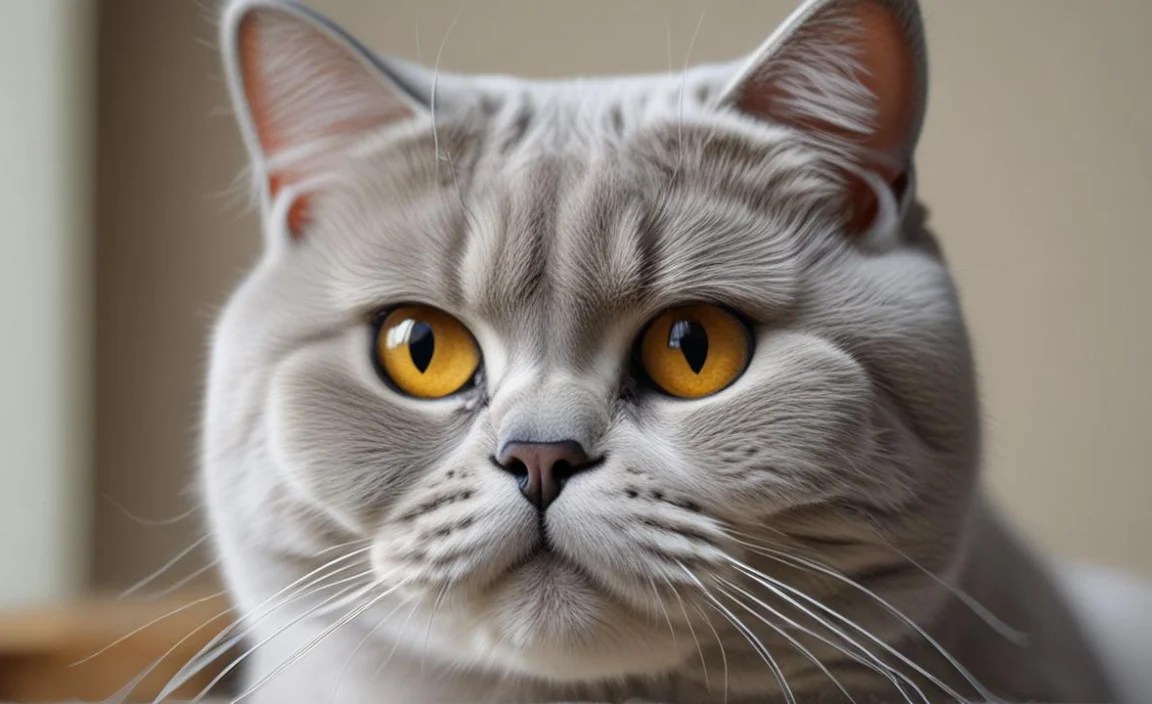
While British Shorthairs are generally well-behaved, some owners may encounter behavioral issues. Here’s how to address some common problems:
Scratching Furniture
Scratching is a natural behavior for cats, but it can be destructive if they scratch furniture. Provide scratching posts and encourage them to use those instead.
- Provide Scratching Posts: Offer a variety of scratching posts, both vertical and horizontal.
- Placement: Place the scratching posts near areas where your cat likes to scratch.
- Positive Reinforcement: Reward your cat when they use the scratching post.
Aggression
Aggression is not typical for British Shorthairs, but it can occur due to fear, pain, or territoriality. Consult with your veterinarian or a certified cat behaviorist to determine the cause and develop a treatment plan.
- Identify the Cause: Determine the trigger for the aggression.
- Consult a Professional: Work with a veterinarian or behaviorist to develop a treatment plan.
- Provide a Safe Space: Ensure your cat has a safe space where they can retreat if they feel threatened.
Inappropriate Elimination
If your British Shorthair is eliminating outside the litter box, it could be due to a medical issue, stress, or an aversion to the litter box. Rule out medical issues first, then address any potential stressors or litter box problems.
- Rule Out Medical Issues: Consult with your veterinarian to rule out any underlying health problems.
- Address Stressors: Identify and address any potential stressors in your cat’s environment.
- Litter Box Management: Ensure the litter box is clean, accessible, and in a quiet location.
| Behavioral Issue | Possible Causes | Solutions |
|---|---|---|
| Scratching Furniture | Natural scratching instinct | Provide scratching posts, positive reinforcement |
| Aggression | Fear, pain, territoriality | Identify cause, consult professional, safe space |
| Inappropriate Elimination | Medical issues, stress, litter box aversion | Rule out medical issues, address stressors, litter box management |
Creating a British Shorthair-Friendly Home

To ensure your British Shorthair is happy and comfortable, create a home environment that caters to their needs. Here are some tips:
- Provide Plenty of Space: British Shorthairs are not particularly active, but they still need space to move around and explore.
- Offer Comfortable Resting Spots: Provide a variety of comfortable resting spots, such as cat beds, window perches, and cozy blankets.
- Interactive Toys: Offer interactive toys to keep them mentally stimulated and prevent boredom.
- Scratching Posts: As mentioned earlier, provide scratching posts to satisfy their natural scratching instinct.
- Safe Outdoor Access: If possible, provide safe outdoor access, such as a catio or a secure garden.
British Shorthair Temperament Changes with Age
Like all cats, the temperament of a British Shorthair can change as they age. Kittens are typically more playful and energetic, while older cats may become more sedentary and prefer quiet companionship. Here’s what to expect at different life stages:
Kittens (0-1 year)
- Playful and Energetic: Kittens are full of energy and enjoy playing with toys and exploring their surroundings.
- Curious: They are curious about everything and will often get into mischief.
- Socialization: This is a critical period for socialization, so expose them to a variety of people, animals, and environments.
Adults (1-7 years)
- Calm and Adaptable: Adult British Shorthairs are typically calm and adaptable, but still enjoy playtime.
- Independent: They are more independent and content to spend time alone.
- Affectionate: They are affectionate but on their own terms.
Seniors (7+ years)
- Sedentary: Senior cats may become more sedentary and prefer quiet companionship.
- Less Playful: They may be less interested in playing and more interested in resting.
- Potential Health Issues: Senior cats are more prone to health issues, so regular veterinary checkups are essential.
FAQ About British Shorthair Temperament
Here are some frequently asked questions about British Shorthair temperament:
- Are British Shorthairs good with children?
- Yes, British Shorthairs are generally good with children. They are patient and tolerant, but it’s important to teach children how to interact with them gently and respectfully.
- Do British Shorthairs get lonely?
- While they are independent, British Shorthairs can get lonely if left alone for long periods. Provide them with plenty of toys and consider getting a companion animal if you are often away from home.
- Are British Shorthairs vocal cats?
- No, British Shorthairs are not known for being overly vocal. They might meow to greet you or to ask for food, but they are generally quiet cats.
- Do British Shorthairs like to be held?
- Some British Shorthairs enjoy being held, while others prefer to keep their distance. It depends on the individual cat’s personality. Always respect their preferences and avoid forcing them to be held if they don’t want to.
- Are British Shorthairs easy to train?
- British Shorthairs are intelligent cats and can be trained to do simple tricks or to use a scratching post. However, they are also independent, so training may require patience and positive reinforcement.
- How do I know if my British Shorthair is happy?
- A happy British Shorthair will typically have a relaxed body posture, a healthy appetite, and will engage in normal behaviors such as playing, grooming, and interacting with their owners. Purring is also a good sign.
- What are signs of stress in British Shorthairs?
- Signs of stress in British Shorthairs can include hiding, excessive grooming, changes in appetite, inappropriate elimination, and increased vocalization. If you notice these signs, try to identify and address any potential stressors in their environment.
Conclusion
Understanding the temperament quirks of British Shorthairs is key to providing them with a happy and fulfilling life. While they are generally calm and easy-going cats, they have their own unique personalities and preferences. By respecting their independence, providing a stable environment, and catering to their individual needs, you can build a strong and loving bond with your British Shorthair. Remember, every cat is an individual, so take the time to get to know your furry friend and appreciate their unique qualities. With patience and understanding, you and your British Shorthair can enjoy many happy years together. Don’t be afraid to adapt your approach as they age, and always consult with your vet if you notice significant changes in their behavior or health. Enjoy the journey of getting to know your wonderful British Shorthair!


