
British Shorthair Cat Intelligence & Problem-Solving: Smart Secrets

Quick Summary: British Shorthairs are moderately intelligent cats. They might not be as actively “smart” as some breeds, but they can definitely learn, adapt, and solve simple problems. Puzzle toys, consistent training, and understanding their personality can help you tap into their problem-solving abilities and keep them happy!
Ever wonder just how smart your fluffy British Shorthair really is? It’s a question many of us cat lovers ask! While they aren’t known for being the most hyperactive or demanding breed, British Shorthairs possess a quiet intelligence that can sometimes surprise you. Figuring out how to best engage their minds can be a fun journey for both you and your feline friend. Don’t worry if you think your British Shorthair isn’t a genius – we’ll explore ways to unlock their potential together.
This guide will walk you through understanding your British Shorthair’s intelligence, spotting signs of problem-solving skills, and using fun activities to challenge their minds. Get ready to discover the clever side of your beloved British Shorthair!
Understanding British Shorthair Intelligence

British Shorthairs have a particular kind of intelligence. They’re not necessarily the most energetic cats, but they are observant and capable of learning. To understand them better, let’s look at what makes up their intelligence.
Defining Cat Intelligence
When we talk about cat intelligence, we don’t mean the same kind of smarts we see in dogs or humans. It’s more about how well they can adapt, learn, and solve problems related to their environment. According to research on animal cognition, cats show intelligence through:
- Adaptability: How well they adjust to new situations.
- Problem-solving: Their ability to figure out how to get what they want (like opening a cupboard).
- Learning: Recognizing patterns and responding to training.
How Smart Are British Shorthairs Compared to Other Breeds?
British Shorthairs are generally considered to be of average intelligence compared to other cat breeds. They might not be as actively “smart” as breeds like the Abyssinian or Siamese, but they are certainly not unintelligent. Their intelligence often presents itself in a more subtle, laid-back manner.
According to a study by the University of Helsinki, breed does influence feline behavior and possibly intelligence. British Shorthairs are known for their calm and composed nature, which can sometimes mask their problem-solving abilities.
Factors Influencing Intelligence in Cats
Several things can affect a cat’s intelligence:
- Genetics: Some cats are simply born with a higher capacity for learning.
- Environment: A stimulating environment encourages them to explore and learn.
- Socialization: Early socialization with humans and other animals can boost their cognitive development.
- Training: Regular training and mental stimulation can enhance their problem-solving skills.
Signs of Problem-Solving Skills in Your British Shorthair

Even though they’re known for being relaxed, British Shorthairs can show some clever behaviors. Here are some signs that your cat is a smart cookie.
Observational Skills
British Shorthairs are excellent observers. They pay attention to their surroundings and learn from watching you and others. You might notice them:
- Watching you open doors or cabinets.
- Learning the routine of meal times.
- Observing how toys work before playing with them.
Adaptability to New Environments
While they might take their time to adjust, British Shorthairs can adapt well to new environments. Signs of adaptability include:
- Exploring a new home or room calmly.
- Quickly learning where their food, water, and litter box are.
- Adjusting to new family members or pets.
Solving Simple Puzzles
You can test your cat’s problem-solving skills with puzzle toys. Signs they’re good at it include:
- Figuring out how to get treats out of a puzzle toy.
- Opening doors or drawers (if they’re not too difficult!).
- Finding hidden toys or objects.
Learning Through Association
British Shorthairs can learn through association. This means they connect certain actions with specific outcomes. For example:
- Learning that the sound of the treat bag means they’re getting a treat.
- Associating the cat carrier with a trip to the vet.
- Understanding that a certain word or phrase means they’re doing something good or bad.
Activities to Enhance Problem-Solving Abilities
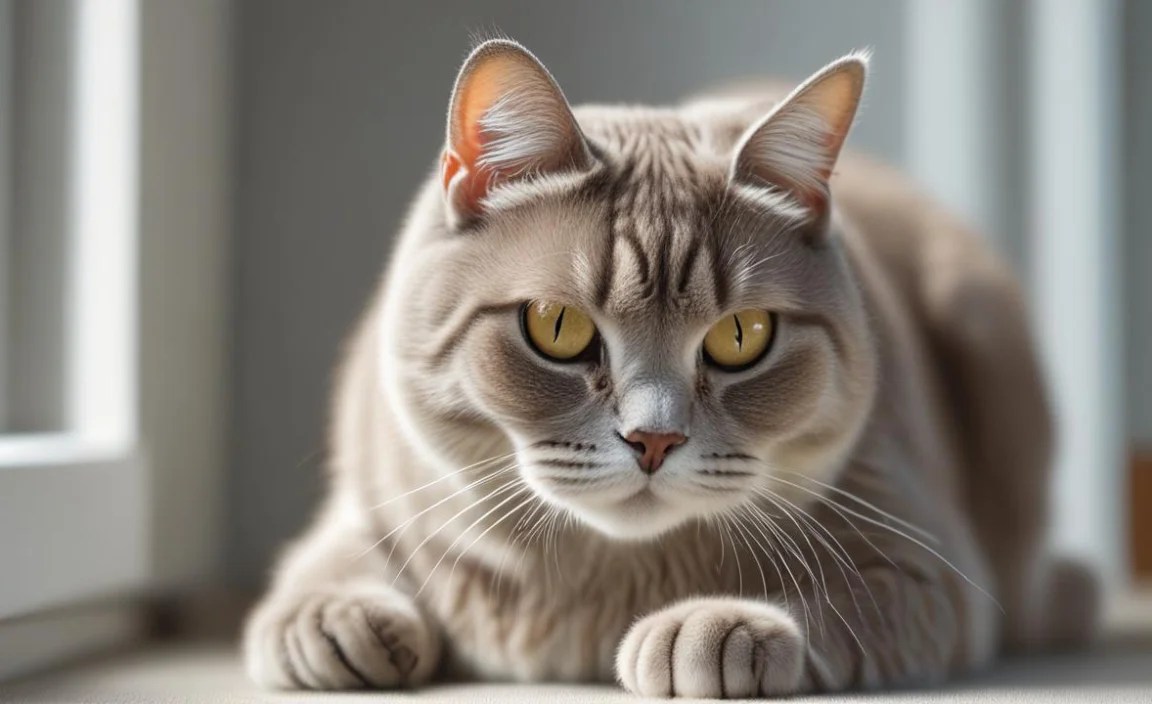
Want to challenge your British Shorthair’s mind? Here are some fun activities to try.
Puzzle Toys
Puzzle toys are a great way to keep your cat entertained and mentally stimulated. There are many different types available, from simple treat dispensers to more complex puzzles that require your cat to perform multiple steps to get a reward. You can find a variety of puzzle toys at most pet stores or online.
How to Introduce Puzzle Toys:
- Start with an easy puzzle.
- Show your cat how it works.
- Reward them when they succeed.
- Gradually increase the difficulty.
Interactive Games
Interactive games are a fun way to bond with your cat while also challenging their mind. These games require your cat to actively participate and use their problem-solving skills.
- Laser Pointer: Chase the laser pointer around the room.
- Feather Wand: Encourage them to stalk, chase, and pounce.
- Hide-and-Seek: Hide treats or toys and let them find them.
Training Sessions
Training isn’t just for dogs! You can train your British Shorthair to do simple tricks using positive reinforcement. This can be a fun way to bond with your cat and challenge their mind. According to the RSPCA, positive reinforcement is the most effective and kindest way to train animals.
How to Train Your Cat:
- Use positive reinforcement (treats, praise).
- Keep training sessions short and fun.
- Start with simple commands (sit, stay).
- Be patient and consistent.
Creating a Stimulating Environment
A stimulating environment is essential for keeping your cat happy and mentally engaged. This means providing them with plenty of opportunities to explore, play, and express their natural behaviors.
- Climbing Structures: Cat trees and shelves allow them to climb and explore.
- Scratching Posts: Provide scratching posts to satisfy their natural scratching instincts.
- Window Perches: Give them a place to watch the world outside.
- Variety of Toys: Rotate toys regularly to keep them interested.
Tips for Maximizing Your British Shorthair’s Potential

Here are some extra tips to help your British Shorthair reach their full potential.
Understanding Their Personality
Each cat is unique, and their personality can influence how they learn and solve problems. Some British Shorthairs are more playful and curious, while others are more laid-back and reserved. Pay attention to your cat’s individual personality and adjust your approach accordingly.
Patience and Consistency
Patience and consistency are key when it comes to training and stimulating your cat’s mind. It may take time for them to learn new things, so don’t get discouraged if they don’t pick it up right away. Keep practicing and be consistent with your approach, and they’ll eventually get there.
Positive Reinforcement Techniques
Positive reinforcement is the most effective way to train and motivate your cat. This means rewarding them for good behavior with treats, praise, or toys. Avoid punishment, as it can damage your relationship with your cat and make them fearful or anxious.
Avoiding Punishment
Punishment is never a good idea when training a cat. It can create fear and anxiety, and it can damage your bond with your furry friend. Instead, focus on rewarding good behavior and ignoring or redirecting unwanted behavior.
Creating a Routine
Cats thrive on routine, so creating a consistent daily schedule can help them feel secure and confident. This can include regular feeding times, playtimes, and training sessions. A predictable routine can also help reduce stress and anxiety, which can improve their cognitive function.
Common Misconceptions About Cat Intelligence
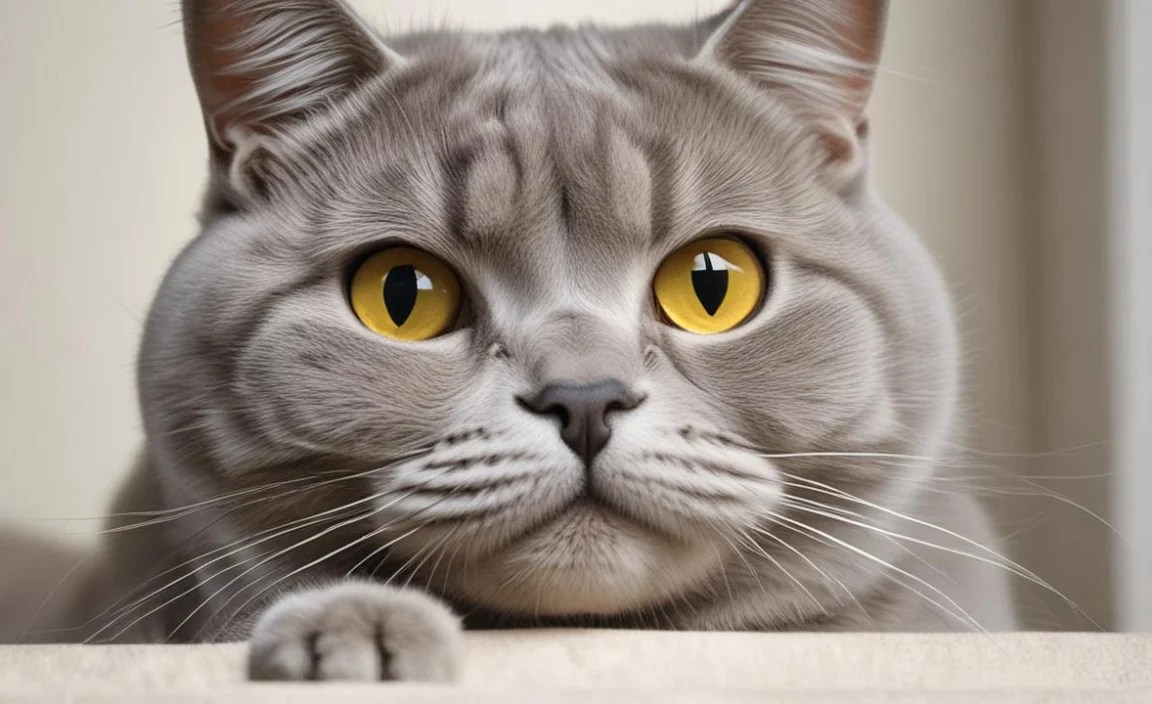
There are many misconceptions about cat intelligence. Let’s clear some of them up.
Myth: Cats Are Unintelligent
Fact: Cats are intelligent creatures, but their intelligence is different from that of dogs or humans. They have excellent problem-solving skills and can learn through observation and association.
Myth: All Cats of the Same Breed Have the Same Intelligence
Fact: Just like humans, each cat is an individual with their own unique personality and intelligence. While breed can play a role, it’s not the only factor.
Myth: If a Cat Doesn’t Learn Tricks, It’s Not Smart
Fact: Not all cats are motivated by the same things. Some cats may not be interested in learning tricks, but they may excel in other areas, such as problem-solving or adaptability. According to the Cornell Feline Health Center, cats show their intelligence in many ways, not just through tricks.
Troubleshooting Common Issues
Sometimes, you might face challenges when trying to engage your British Shorthair’s mind. Here are some common issues and how to solve them.
Lack of Interest in Toys
If your cat isn’t interested in toys, try these tips:
- Rotate toys regularly to keep them fresh.
- Try different types of toys (e.g., feather wands, laser pointers, puzzle toys).
- Make playtime interactive and engaging.
- Use catnip to make toys more appealing.
Difficulty with Puzzle Toys
If your cat is struggling with puzzle toys, try these tips:
- Start with an easy puzzle.
- Show your cat how it works.
- Reward them when they succeed.
- Gradually increase the difficulty.
Behavioral Problems Due to Boredom
If your cat is exhibiting behavioral problems due to boredom (e.g., excessive scratching, destructive behavior), try these tips:
- Provide more opportunities for play and exercise.
- Create a stimulating environment with climbing structures and scratching posts.
- Consider getting a companion animal.
British Shorthair Intelligence: A Summary Table
Here’s a quick reference table summarizing British Shorthair intelligence.
| Aspect | Description |
|---|---|
| General Intelligence | Average compared to other breeds |
| Problem-Solving | Capable of solving simple puzzles and learning through association |
| Adaptability | Adapts well to new environments |
| Observational Skills | Excellent observers, learning from watching others |
| Training Potential | Can be trained with patience and positive reinforcement |
British Shorthair Intelligence: Pros & Cons of Owning This Breed
Here’s a quick list of the pros and cons of owning this breed.
| Pros | Cons |
|---|---|
| Affectionate and loyal | Prone to obesity if not properly exercised |
| Relatively low-maintenance grooming needs | Can be prone to certain health issues, such as hypertrophic cardiomyopathy (HCM) |
| Adaptable to various living situations | May require a bit of patience during training due to their independent nature |
| Generally good with children and other pets | Can be reserved or shy around strangers |
| Quiet and calm demeanor, making them suitable for apartment living | Not as actively playful as some other breeds, potentially requiring more creative engagement |
FAQ About British Shorthair Intelligence
Are British Shorthairs dumb cats?
Definitely not! They are moderately intelligent. They might not be as demanding or hyperactive as some breeds, but they are observant and capable of learning.
How can I stimulate my British Shorthair’s mind?
Puzzle toys, interactive games, and training sessions using positive reinforcement are great ways to keep them mentally stimulated.
Do British Shorthairs like puzzle toys?
Many British Shorthairs enjoy puzzle toys, especially when they involve treats! Start with easy puzzles and gradually increase the difficulty.
Are British Shorthairs easy to train?
They can be trained with patience and consistency. Use positive reinforcement techniques like treats and praise to motivate them.
Why does my British Shorthair seem lazy?
British Shorthairs are known for their relaxed nature. However, it’s important to provide them with enough mental and physical stimulation to prevent boredom.
Is it okay to punish my British Shorthair?
No, punishment is never a good idea. It can create fear and anxiety. Focus on rewarding good behavior instead.
What kind of environment is best for a British Shorthair?
A stimulating environment with climbing structures, scratching posts, and plenty of toys is ideal. Also, make sure they have a safe and comfortable place to rest.
Conclusion
So, are British Shorthairs intelligent? Absolutely! While they may not be the most high-energy or demanding breed, their quiet intelligence and problem-solving abilities can be unlocked with the right approach. By understanding their personality, providing mental stimulation, and using positive reinforcement, you can help your British Shorthair thrive and enjoy a happy, fulfilling life.
Remember, every cat is an individual, and what works for one may not work for another. Be patient, observant, and willing to experiment to find what best engages your British Shorthair’s mind. With a little effort, you can unlock their full potential and enjoy a deeper bond with your feline friend. Now, go have some fun with your clever kitty!


