
British Shorthair Temperament Myths Debunked: Ultimate Guide

Quick Summary: British Shorthairs are often misunderstood! They aren’t aloof or unfriendly, but they are independent and adaptable. While not known as lap cats, they enjoy being nearby and show affection in subtle ways. With proper socialization from kittenhood, they become wonderful, calm, and loving companions. Don’t believe the myths – they’re truly special cats!
Thinking about bringing a British Shorthair into your home? Or maybe you already have one and find their behavior a bit puzzling? It’s easy to stumble upon myths about their temperament. You might hear they’re cold, independent to a fault, or simply not as affectionate as other breeds. But don’t worry! I’m here to help you understand the real British Shorthair. We’ll explore the most common misconceptions, uncover the truth about their personality, and discover how to nurture their loving side. Let’s get started!
British Shorthair Temperament Myths Debunked

The British Shorthair is known for its calm and adaptable nature. However, several myths often cloud people’s understanding of this wonderful breed. Let’s debunk these myths one by one!
Myth #1: British Shorthairs are Aloof and Unfriendly

One of the biggest misconceptions is that British Shorthairs are aloof and don’t enjoy human interaction. This simply isn’t true! While they may not be as demanding of attention as some breeds, they form strong bonds with their families. They are more independent but appreciate your company. They like to be near you, even if they aren’t always on your lap.
- Reality: They are affectionate but in a more reserved way.
- Signs of Affection: Purring, slow blinks, following you around, and gentle headbutts.
- Building a Bond: Regular playtime, gentle petting, and creating a calm environment can strengthen your bond.
Think of them as the introverts of the cat world – they enjoy quiet companionship and show their love in subtle, meaningful ways. Just like people, each cat’s personality varies. Some British Shorthairs are more outgoing than others. Early socialization plays a crucial role in shaping their temperament. Kittens who are handled and exposed to different people and environments are more likely to be confident and friendly adults.
Myth #2: They Don’t Like to be Held or Cuddled

This is another common misconception. While not all British Shorthairs are lap cats, many enjoy being held and cuddled, especially when they initiate it. They prefer gentle interactions and appreciate being approached calmly. Forcing cuddles will likely make them uncomfortable.
- Respect Their Boundaries: Pay attention to their body language. If they seem tense or try to get away, give them space.
- Positive Reinforcement: Reward calm behavior with treats and praise.
- Create a Cozy Environment: Provide comfortable beds and quiet spaces where they feel safe and secure.
It’s all about understanding their preferences and respecting their boundaries. Over time, you’ll learn what they enjoy and how to best show them affection. My own British Shorthair, Winston, wasn’t a fan of being picked up as a kitten. Now, he will jump on my lap for a cuddle when he feels like it, especially on a cold evening!
Myth #3: British Shorthairs are Not Playful

While they may not be as hyperactive as some breeds like Bengals, British Shorthairs enjoy playtime. They have bursts of energy and appreciate interactive games that stimulate their minds and bodies.
- Favorite Toys: Feather wands, laser pointers, puzzle toys, and crinkle balls.
- Playtime Schedule: Short, frequent play sessions are better than long, infrequent ones. Aim for 15-20 minutes of play per day.
- Benefits of Play: Helps prevent boredom, reduces stress, and strengthens your bond.
Engaging in regular play is essential for their physical and mental well-being. It also helps prevent behavioral issues that can arise from boredom. I find that a simple feather wand can keep my British Shorthair entertained for hours. It’s a great way to bond and provide them with the exercise they need.
Myth #4: They are Difficult to Train

British Shorthairs are intelligent cats and can be trained with patience and positive reinforcement. They respond well to treats and praise, making training a rewarding experience for both you and your cat.
- Training Methods: Clicker training, positive reinforcement, and consistency are key.
- Basic Commands: You can teach them to sit, stay, come, and even use a scratching post.
- Litter Box Training: Generally easy to litter box train, but consistency is still important.
Start with short training sessions and gradually increase the duration as your cat becomes more comfortable. Remember to always end on a positive note. Consistency is crucial for success. If you’re consistent with your commands and rewards, your British Shorthair will quickly learn what you expect of them.
Myth #5: British Shorthairs are Destructive

British Shorthairs are generally well-behaved cats. Destructive behavior is usually a sign of boredom, stress, or lack of environmental enrichment. By providing them with plenty of toys, scratching posts, and attention, you can prevent destructive habits.
- Scratching Posts: Provide a variety of scratching posts to satisfy their natural urge to scratch.
- Environmental Enrichment: Cat trees, window perches, and puzzle toys can keep them entertained and prevent boredom.
- Regular Playtime: As mentioned earlier, regular play sessions are essential for their physical and mental well-being.
If your British Shorthair is exhibiting destructive behavior, it’s important to identify the underlying cause and address it accordingly. Consulting with a veterinarian or a certified cat behaviorist can also be helpful. I once had a client whose British Shorthair was scratching the furniture. We discovered that the cat was bored and needed more interactive play. Once we increased playtime and provided more toys, the scratching stopped.
Myth #6: They are Not Good with Children or Other Pets

British Shorthairs are known for their gentle and tolerant nature, making them excellent companions for children and other pets. However, early socialization is crucial. Expose your kitten to children and other animals in a controlled and positive environment.
- Supervise Interactions: Always supervise interactions between your cat and young children or other pets.
- Teach Children Respect: Teach children how to handle cats gently and respectfully.
- Provide Safe Spaces: Ensure that your cat has a safe space where they can retreat if they feel overwhelmed.
With proper socialization and supervision, British Shorthairs can form strong bonds with children and other pets. They are often described as “gentle giants” due to their calm and patient demeanor. My neighbor’s British Shorthair, Bella, is best friends with their Golden Retriever. They play together, groom each other, and even sleep in the same bed!
Myth #7: British Shorthairs Need Constant Attention

Unlike some breeds that demand constant attention, British Shorthairs are quite content being alone. They are independent cats who don’t mind spending time by themselves. This makes them a great choice for people who work full-time or have busy lifestyles.
- Independent Nature: They are not as clingy as some other breeds.
- Enjoy Alone Time: They are happy to nap, groom themselves, or play with toys on their own.
- Provide Entertainment: Make sure they have plenty of toys and environmental enrichment to keep them occupied while you’re away.
While they enjoy your company, they don’t require constant attention. This independence is one of the reasons why they are so popular among busy professionals. However, it’s still important to spend quality time with them when you are home. Even a few minutes of playtime or petting can make a big difference in their happiness and well-being.
Understanding British Shorthair Behavior

Understanding your British Shorthair’s behavior is key to a happy relationship. Here’s a deeper look at what makes them tick:
Body Language
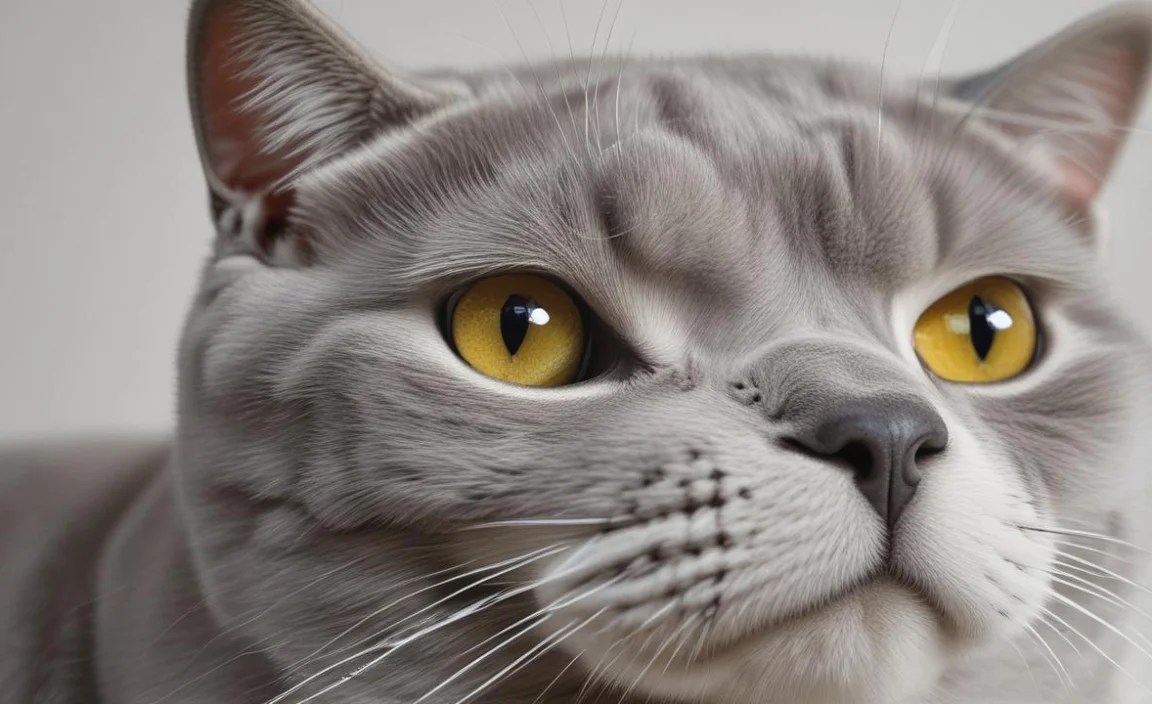
Cats communicate through body language. Understanding these cues can help you better understand your British Shorthair’s mood and intentions.
- Ears: Upright ears indicate alertness, while flattened ears suggest fear or aggression.
- Tail: A raised tail signifies happiness, while a tucked tail indicates fear or submission.
- Eyes: Slow blinks are a sign of affection, while dilated pupils can indicate excitement or fear.
- Vocalization: British Shorthairs are not overly vocal, but they may meow to greet you, ask for food, or express discomfort.
Paying attention to these cues will help you respond appropriately to your cat’s needs. For example, if your cat is showing signs of fear, it’s important to provide them with a safe space where they can retreat and feel secure. According to the RSPCA, understanding cat body language is crucial for responsible pet ownership.
Common Behavioral Traits
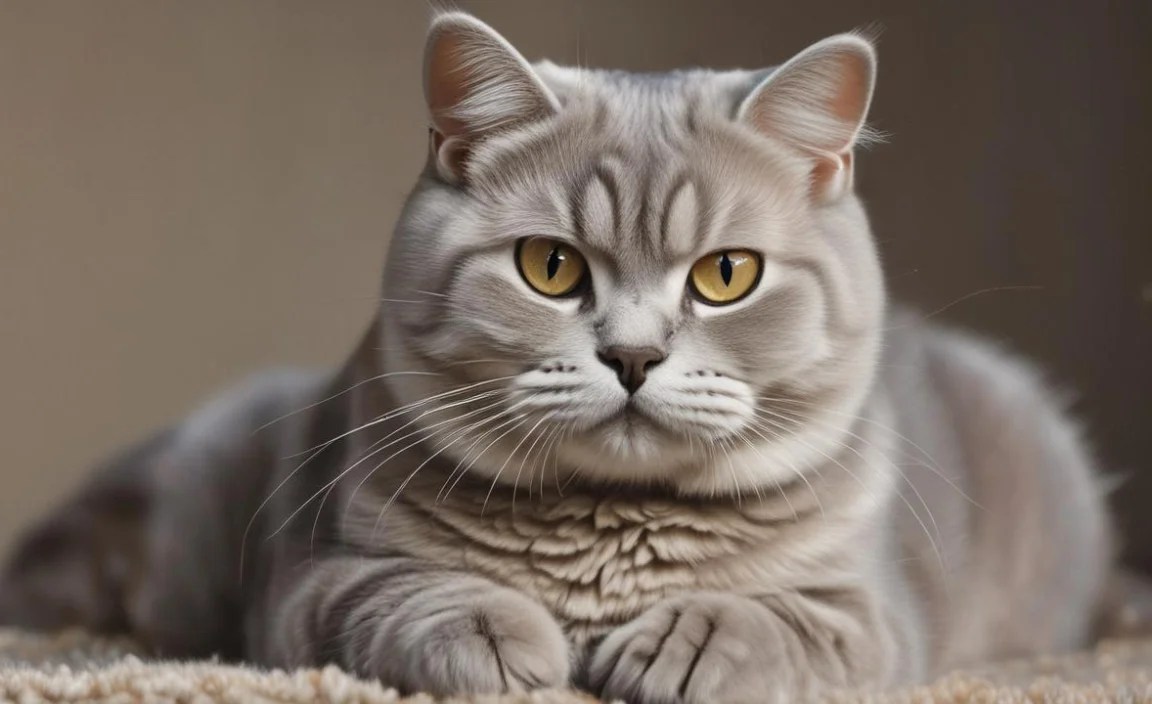
Here are some common behavioral traits of British Shorthairs:
| Trait | Description |
|---|---|
| Calmness | They are known for their relaxed and easygoing nature. |
| Independence | They are content being alone and don’t require constant attention. |
| Playfulness | They enjoy interactive play and have bursts of energy. |
| Affectionate | They show affection in subtle ways, such as purring, slow blinks, and following you around. |
| Intelligent | They are intelligent and can be trained with positive reinforcement. |
These traits make them wonderful companions for a variety of lifestyles. Whether you live in a busy household or a quiet apartment, a British Shorthair can adapt to your environment.
Tips for Nurturing a Happy British Shorthair

Here are some practical tips for nurturing a happy and well-adjusted British Shorthair:
- Provide a Balanced Diet: Feed your cat a high-quality diet that meets their nutritional needs. Consult with your veterinarian to determine the best food for your cat’s age, weight, and activity level.
- Regular Veterinary Care: Schedule regular checkups with your veterinarian to ensure your cat stays healthy and up-to-date on vaccinations.
- Mental Stimulation: Provide plenty of toys, scratching posts, and environmental enrichment to keep them entertained and prevent boredom.
- Socialization: Expose your kitten to different people, animals, and environments to help them become well-adjusted adults.
- Love and Affection: Show your cat love and affection through gentle petting, playtime, and verbal praise.
- Safe Environment: Ensure that your home is safe for your cat by removing any potential hazards, such as toxic plants or cleaning products.
By following these tips, you can create a loving and supportive environment where your British Shorthair can thrive. Remember, every cat is an individual, so it’s important to pay attention to their unique needs and preferences.
British Shorthair Care FAQs
Here are some frequently asked questions about caring for British Shorthairs:
- Are British Shorthairs good for first-time cat owners?
- Yes, their calm and adaptable nature makes them excellent pets for first-time owners. They are relatively low-maintenance and easy to care for.
- How much grooming do British Shorthairs need?
- They have a dense coat that requires regular grooming. Brush them a few times a week to prevent matting and reduce shedding. During shedding season, daily brushing may be necessary.
- What are some common health issues in British Shorthairs?
- Some common health issues include hypertrophic cardiomyopathy (HCM), polycystic kidney disease (PKD), and obesity. Regular veterinary checkups can help detect and manage these conditions early.
- How long do British Shorthairs live?
- With proper care, they can live for 12-15 years or even longer. Providing them with a healthy diet, regular exercise, and veterinary care is essential for a long and happy life.
- Are British Shorthairs vocal cats?
- No, they are generally quiet cats. They may meow to greet you or ask for food, but they are not as vocal as some other breeds. This makes them a good choice for people who prefer a quieter companion.
- Do British Shorthairs get lonely?
- While they are independent, they still need companionship. If you are away for long periods, consider getting a second cat or providing them with plenty of interactive toys to keep them entertained.
- How can I tell if my British Shorthair is happy?
- Signs of a happy British Shorthair include purring, slow blinks, relaxed body posture, and a healthy appetite. They may also enjoy playing and spending time with you.
Conclusion
British Shorthairs are truly special cats with a unique charm and personality. By debunking the common myths surrounding their temperament, we can better understand and appreciate these wonderful companions. Remember, they are not aloof or unfriendly, but rather independent and affectionate in their own way. With proper socialization, care, and understanding, a British Shorthair can bring years of joy and companionship to your life. So, embrace their gentle nature, respect their boundaries, and enjoy the rewarding experience of sharing your life with this iconic breed. As T.S. Eliot wrote, “The naming of cats is a difficult matter,” but understanding them doesn’t have to be. Enjoy your British Shorthair!


