
British Shorthair Reaction to Changes: Secret Revealed

British Shorthairs thrive on predictability, so sudden changes can cause stress. Signs of stress include hiding, changes in appetite, or excessive grooming. To help your British Shorthair adjust, introduce changes gradually, maintain a consistent environment, and provide extra reassurance with playtime and affection. If issues persist, consult your vet for advice.
Is your normally calm British Shorthair acting a little…off? Did you recently rearrange the furniture, change their feeding time, or bring home a new houseplant? If so, these changes in routine could be the reason why. British Shorthairs are creatures of habit. They love their routines, and any disruption can cause them stress. It’s a common issue for many owners, but don’t worry! With a little understanding and patience, you can help your furry friend adjust. In this article, we’ll explore how British Shorthairs react to changes in routine and, more importantly, what you can do to make these transitions smoother for your beloved cat.
Understanding the British Shorthair Personality

Before diving into how they react to change, let’s understand the core traits of the British Shorthair. This breed is known for its laid-back and affectionate nature. They are often described as gentle giants, enjoying the company of their humans without being overly demanding. These cats are intelligent and moderately playful, but they also appreciate their downtime. This breed’s personality makes them wonderful companions, but their love for stability can make them sensitive to changes.
Why Routine Matters to British Shorthairs
Routine provides a sense of security for British Shorthairs. Knowing when they will be fed, when they can expect playtime, and having a consistent environment helps them feel safe and in control. Cats, in general, are very sensitive to their surroundings, and the British Shorthair is no exception. Changes in routine can disrupt their sense of security, leading to stress and anxiety. According to the RSPCA, providing a predictable environment is key to a cat’s well-being.
How British Shorthairs React to Changes
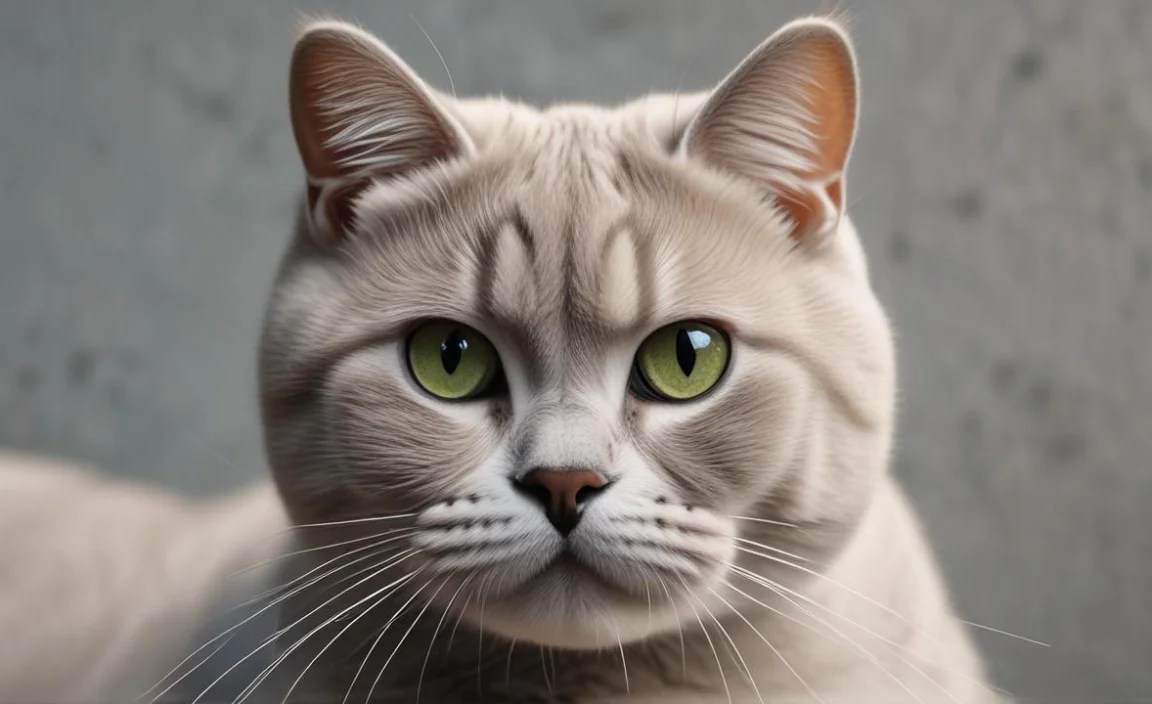
When a British Shorthair experiences a change in routine, their reaction can vary depending on the cat’s individual personality, the nature of the change, and how well they are prepared for it. Here are some common reactions to watch out for:
- Hiding: One of the first signs of stress in a British Shorthair is hiding. They may retreat to their favorite quiet spot, such as under the bed or in a closet, to feel safe.
- Changes in Appetite: Stress can affect a cat’s appetite. Some cats may eat more as a way to cope with anxiety, while others may lose interest in food altogether.
- Excessive Grooming: Over-grooming can be a sign of anxiety or stress in cats. They may lick themselves excessively, leading to bald patches or skin irritation.
- Changes in Litter Box Habits: Stress can sometimes lead to changes in litter box habits. This might include urinating outside the litter box or changes in the frequency of urination or defecation. If this occurs, it is important to rule out medical issues first.
- Increased Vocalization: Some British Shorthairs may become more vocal when stressed, meowing or crying more than usual.
- Behavioral Changes: You might notice other changes in behavior, such as increased irritability, aggression, or a decreased interest in playing.
Common Changes That Affect British Shorthairs

Certain changes are more likely to upset a British Shorthair than others. Being aware of these triggers can help you prepare and manage the transition more effectively.
- Moving to a New Home: Moving is a major upheaval for any cat. The new environment, unfamiliar smells, and different layout can be overwhelming.
- Changes in the Household: This includes the addition of a new pet or a new family member (like a baby). These changes can disrupt the established social structure and routine.
- Changes in Feeding Schedule: Altering feeding times or changing the type of food can cause stress, especially if done abruptly.
- Changes in Environment: Rearranging furniture, redecorating, or introducing new objects can disrupt their familiar territory.
- Owner’s Schedule Changes: If you suddenly start working longer hours or change your daily routine, your cat may feel neglected or anxious.
Step-by-Step Guide: Helping Your British Shorthair Adjust

Now, let’s get into the practical steps you can take to help your British Shorthair adjust to changes in routine. These steps are designed to minimize stress and help your cat feel secure during the transition.
Step 1: Introduce Changes Gradually
The key to minimizing stress is to introduce changes slowly. This gives your British Shorthair time to adapt at their own pace. Here’s how to do it:
- Small Environmental Changes: If you’re planning to rearrange furniture, do it in stages. Move one or two items at a time and allow your cat to explore the new arrangement before making further changes.
- New Pet Introduction: Introduce new pets slowly and gradually. Start with scent swapping, then supervised visits, and gradually increase the time they spend together. The International Cat Association (TICA) offers excellent resources on introducing cats to new pets.
- Feeding Schedule Adjustments: If you need to change feeding times, do it in small increments. For example, shift the feeding time by 15-30 minutes each day until you reach the new desired time.
Step 2: Maintain a Consistent Environment
While you’re introducing changes, it’s important to maintain as much consistency as possible in other areas of your cat’s life. This helps them feel grounded and secure.
- Keep Feeding and Playtime Consistent: Stick to the same feeding schedule and playtime routine as much as possible. This provides a sense of normalcy.
- Maintain Litter Box Hygiene: Keep the litter box clean and in the same location. Changes in litter box hygiene can cause additional stress.
- Provide Familiar Scents: Cats rely heavily on scent. Keep familiar items like their favorite blanket or toy available to provide comfort.
Step 3: Provide Extra Reassurance and Attention
During times of change, your British Shorthair will need extra reassurance and attention. This helps them feel loved and secure.
- Spend Quality Time Together: Make time for extra cuddles, petting, and playtime. This reinforces your bond and provides comfort.
- Use Calming Pheromones: Pheromone diffusers like Feliway can help reduce anxiety in cats. These diffusers release synthetic pheromones that mimic the natural pheromones produced by cats, creating a calming environment.
- Create a Safe Space: Ensure your cat has a safe and comfortable retreat where they can go to feel secure. This could be a cat bed, a cardboard box, or a quiet corner of the house.
Step 4: Monitor for Signs of Stress and Adjust Accordingly
Keep a close eye on your British Shorthair for any signs of stress. If you notice any concerning behaviors, adjust your approach and provide additional support.
- Watch for Behavioral Changes: Monitor for signs of hiding, changes in appetite, excessive grooming, or changes in litter box habits.
- Consult Your Veterinarian: If you’re concerned about your cat’s behavior or health, consult your veterinarian. They can rule out any underlying medical issues and provide guidance on managing stress.
Tools and Products to Help Your British Shorthair Adjust

There are several tools and products available that can help your British Shorthair adjust to changes in routine. Here are a few recommendations:
| Product | Description | Benefits |
|---|---|---|
| Feliway Diffuser | A pheromone diffuser that releases synthetic feline pheromones. | Reduces anxiety and creates a calming environment. |
| Calming Cat Bed | A soft, comfortable bed designed to provide a sense of security. | Offers a safe and cozy retreat for your cat. |
| Interactive Toys | Toys that engage your cat’s natural hunting instincts. | Provides mental stimulation and reduces boredom. |
| Catnip Toys | Toys filled with catnip, a natural herb that can have a calming effect on cats. | Encourages play and reduces stress. |
Case Studies: Real-Life Examples
To illustrate how these strategies work in practice, let’s look at a couple of real-life examples.
Case Study 1: Moving to a New Home
Sarah recently moved to a new apartment with her British Shorthair, Winston. Winston was initially very stressed, hiding under the bed and refusing to eat. Sarah followed these steps to help him adjust:
- She kept Winston in one room for the first few days, providing his food, water, litter box, and favorite toys.
- She used a Feliway diffuser in the room to create a calming environment.
- She spent extra time with Winston, cuddling and playing with him.
- Gradually, she allowed him to explore the rest of the apartment, one room at a time.
After a few weeks, Winston was back to his old self, exploring his new home and enjoying his routine.
Case Study 2: Introduction of a New Baby
Emily and her British Shorthair, Leo, were preparing for the arrival of a new baby. Emily knew that this would be a big change for Leo, so she took these steps:
- She introduced baby-related scents and sounds gradually, such as baby lotion and recordings of baby cries.
- She set up the nursery well in advance, allowing Leo to explore the new space.
- She made sure to continue giving Leo plenty of attention and playtime.
- After the baby arrived, she allowed Leo to approach the baby at his own pace, under supervision.
Leo adjusted well to the new baby, showing curiosity but no signs of stress.
When to Seek Professional Help
While most British Shorthairs will eventually adjust to changes in routine with the right support, there are times when professional help is needed. If you notice any of the following signs, consult your veterinarian or a certified cat behaviorist:
- Persistent Hiding: If your cat continues to hide for extended periods and shows no signs of improvement.
- Severe Loss of Appetite: If your cat refuses to eat for more than 24 hours.
- Aggressive Behavior: If your cat becomes aggressive towards you or other pets.
- Changes in Litter Box Habits: If your cat consistently urinates or defecates outside the litter box.
Your veterinarian can rule out any underlying medical issues and provide recommendations for managing stress. A cat behaviorist can offer personalized advice and develop a behavior modification plan tailored to your cat’s needs.
Long-Term Strategies for a Stable Environment
Creating a stable and predictable environment for your British Shorthair is an ongoing process. Here are some long-term strategies to help your cat feel secure and happy:
- Maintain a Consistent Daily Routine: Stick to the same feeding, playtime, and bedtime schedule as much as possible.
- Provide Regular Enrichment: Offer a variety of toys, scratching posts, and climbing structures to keep your cat mentally and physically stimulated.
- Create a Safe and Comfortable Home: Ensure your cat has a safe and comfortable environment with plenty of places to hide, rest, and play.
- Monitor for Signs of Stress: Regularly monitor your cat for signs of stress and address any issues promptly.
British Shorthair Reaction to Changes in Routine: FAQ
Here are some frequently asked questions about how British Shorthairs react to changes in routine:
- Why is my British Shorthair suddenly hiding?
- Hiding is often a sign of stress or anxiety. Consider any recent changes in their environment or routine. Provide a safe space and extra reassurance.
- How long does it take for a British Shorthair to adjust to a new home?
- Adjustment time varies, but most cats will start to settle in within a few weeks. Patience and consistency are key.
- Can changes in my work schedule affect my cat?
- Yes, changes in your schedule can disrupt your cat’s routine and cause stress. Try to maintain consistency in feeding and playtime.
- Are pheromone diffusers safe for British Shorthairs?
- Yes, pheromone diffusers like Feliway are generally safe and can help reduce anxiety in cats. However, always follow the manufacturer’s instructions.
- What are some signs of stress in British Shorthairs?
- Common signs include hiding, changes in appetite, excessive grooming, increased vocalization, and changes in litter box habits.
- How can I help my British Shorthair adjust to a new pet?
- Introduce new pets gradually, starting with scent swapping and supervised visits. Provide plenty of attention and reassurance to your British Shorthair.
- Should I punish my cat for reacting negatively to change?
- No, never punish your cat. Punishment can increase their stress and anxiety. Instead, focus on providing a calm and supportive environment.
Conclusion
British Shorthairs are creatures of habit and thrive on routine. While changes are inevitable, understanding how these changes affect your cat and taking proactive steps to minimize stress can make a big difference. By introducing changes gradually, maintaining a consistent environment, providing extra reassurance, and monitoring for signs of stress, you can help your British Shorthair adjust with confidence. Remember, patience and consistency are key. With the right approach, your British Shorthair can navigate changes with grace and continue to be a happy, well-adjusted member of your family.


