
British Shorthair: Independence vs. Attachment?

Quick Summary: British Shorthairs are known for their independent nature, but they also form strong bonds with their owners. They’re not overly demanding of attention like some breeds, preferring to be near you rather than constantly on your lap. Understanding this balance helps you provide the right environment and interaction to keep your British Shorthair happy and secure.
Are you wondering if a British Shorthair is the right cat for you? Perhaps you already have one and are trying to understand their unique personality. One of the most common questions I get asked is about their independence. It’s true, these cats aren’t usually clingy. But that doesn’t mean they don’t love you! Understanding the balance between their independent streak and their capacity for affection is key to a happy life together. I’ll guide you through what to expect, how to bond with your British Shorthair, and how to respect their need for space.
Understanding the British Shorthair Temperament

British Shorthairs are often described as “easygoing” and “laid-back.” But what does that really mean when it comes to their independence and attachment? Let’s break it down.
The Independent Side
One of the defining traits of the British Shorthair is their independence. This isn’t a cat that will constantly demand your attention. They’re quite happy to entertain themselves, whether it’s napping in a sunbeam or playing with a favorite toy.
- Low Maintenance: They don’t require constant interaction. This makes them ideal for people with busy lifestyles.
- Self-Sufficient: British Shorthairs are content spending time alone and are not prone to separation anxiety.
- Not Overly Vocal: Unlike some breeds, they aren’t known for excessive meowing to get your attention.
The Attachment Side
While they may be independent, British Shorthairs do form strong bonds with their families. They show their affection in subtle ways, preferring to be nearby rather than always in your lap. They enjoy being part of the household, observing your activities from a comfortable distance.
- Loyal Companions: They become devoted to their families and enjoy being in their presence.
- Gentle Affection: They show affection through head nudges, slow blinks, and gentle purrs.
- Comfort in Routine: They appreciate a stable environment and consistent routine, which makes them feel secure.
Factors Influencing Independence and Attachment

Several factors can influence a British Shorthair’s level of independence and attachment. Understanding these can help you better cater to your cat’s needs.
Genetics
Genetics play a significant role in a cat’s personality. Some British Shorthairs are naturally more independent than others. Breeders who focus on temperament can often produce kittens with predictable personalities. When choosing a kitten, ask the breeder about the parents’ temperaments.
Early Socialization
Early socialization is critical in shaping a kitten’s personality. Kittens that are exposed to various people, animals, and environments during their first few months are more likely to be well-adjusted and confident. According to the RSPCA, appropriate socialization during kittenhood can prevent behavioral issues later in life.
Environment
A cat’s environment can significantly impact its behavior. A stressful or unstable environment can make a cat more anxious and clingy, while a calm and predictable environment can foster independence. Make sure your British Shorthair has a safe and comfortable space to retreat to when they need alone time.
Age
A cat’s behavior can change as they age. Kittens are typically more playful and energetic, while older cats may become more mellow and affectionate. Senior cats might also become more dependent due to health issues or cognitive decline.
Recognizing Signs of Attachment and Independence

Learning to recognize the signs of attachment and independence in your British Shorthair is crucial for understanding their needs and building a strong bond.
Signs of Attachment
- Following You Around: Your cat may follow you from room to room, wanting to be near you without necessarily seeking physical contact.
- Greeting You at the Door: Many British Shorthairs will greet their owners at the door when they come home, showing their excitement and affection.
- Sleeping Nearby: They may choose to sleep in the same room as you, even if it’s not on your bed or lap.
- Head Nudging and Cheek Rubbing: These are common ways for cats to mark their territory and show affection.
- Slow Blinking: This is often referred to as a “cat kiss” and is a sign of trust and affection.
Signs of Independence
- Enjoying Alone Time: They are content to spend time by themselves, napping, grooming, or playing with toys.
- Not Demanding Attention: They don’t constantly meow or paw at you for attention.
- Exploring on Their Own: They are curious and enjoy exploring their environment without needing constant supervision.
- Choosing Their Own Resting Spots: They prefer to choose their own napping spots, rather than always wanting to be on your lap.
How to Bond with Your British Shorthair

Even though British Shorthairs are independent, they still need and appreciate affection. Here are some ways to bond with your cat without overwhelming them.
Respect Their Space
The most important thing is to respect your cat’s space and independence. Don’t force them to interact with you if they don’t want to. Let them come to you on their own terms.
Provide a Comfortable Environment
Make sure your cat has a comfortable and safe environment. This includes a cozy bed, plenty of toys, and a scratching post. A cat tree can also provide them with a sense of security and a place to observe their surroundings.
Engage in Playtime
Playtime is a great way to bond with your British Shorthair. Use toys like feather wands, laser pointers, or puzzle toys to engage their hunting instincts. Keep playtime sessions short and sweet to avoid overstimulating them.
Offer Gentle Affection
When your cat is in the mood for affection, offer gentle petting and scratching. Pay attention to their body language to ensure they are enjoying the interaction. Most cats enjoy being scratched under the chin or behind the ears.
Use Positive Reinforcement
Positive reinforcement is a powerful tool for building a strong bond. Reward your cat with treats, praise, or petting when they exhibit desired behaviors. This will help them associate you with positive experiences.
Managing Independence and Attachment Needs
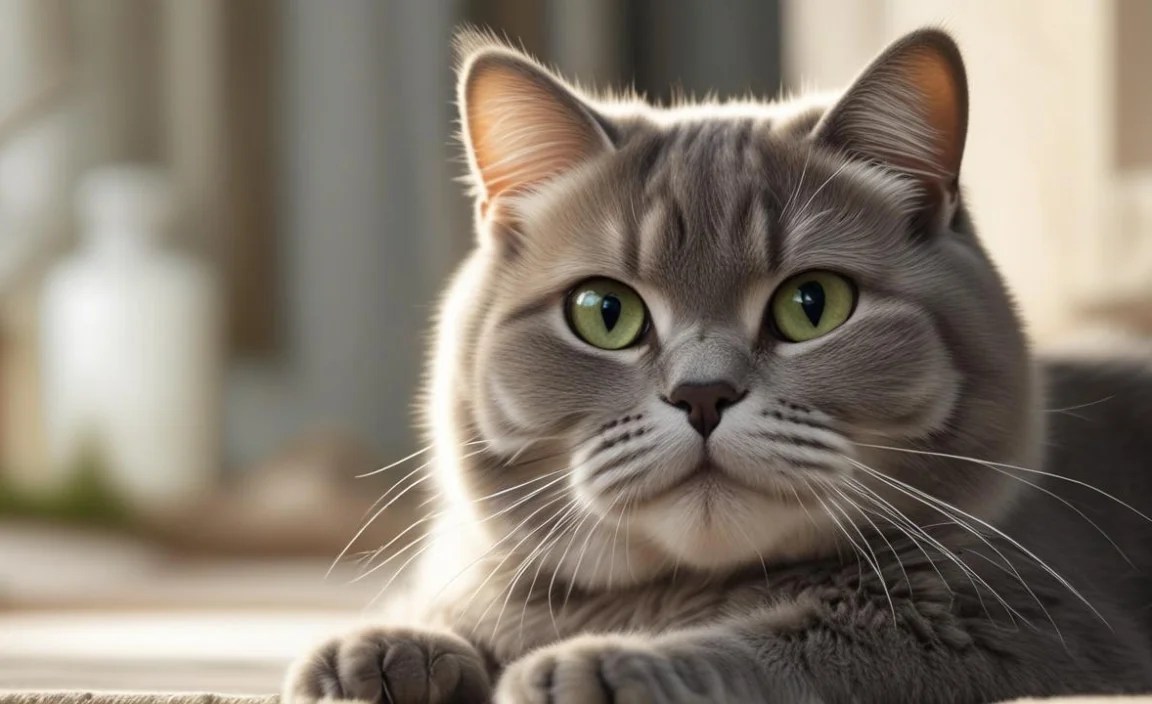
Balancing your British Shorthair’s need for independence with their need for attachment can be tricky. Here are some tips to help you strike the right balance.
Provide Mental Stimulation
Even independent cats need mental stimulation. Provide your cat with puzzle toys, scratching posts, and window perches to keep them entertained. Rotate their toys regularly to prevent boredom.
Create a Routine
Cats thrive on routine. Establishing a consistent feeding, playtime, and grooming schedule can help your British Shorthair feel secure and content. Predictability reduces stress and promotes a sense of well-being.
Respect Their Boundaries
Pay attention to your cat’s body language and respect their boundaries. If they walk away or show signs of discomfort, give them space. Forcing interaction can damage your bond and make them less likely to seek you out in the future.
Offer Choices
Give your cat choices whenever possible. For example, provide multiple resting spots, some in quiet areas and others in more social areas. This allows them to choose where they feel most comfortable.
Monitor for Changes in Behavior
Be vigilant about monitoring your cat’s behavior for any changes. Sudden changes in their level of independence or attachment could indicate a health issue or stressor. Consult with your veterinarian if you notice any concerning changes.
British Shorthair Independence vs. Attachment: A Summary Table
| Trait | Independence | Attachment |
|---|---|---|
| Attention Needs | Low; enjoys alone time | Moderate; appreciates being nearby |
| Affection Display | Subtle; not overly demonstrative | Gentle; head nudges, slow blinks |
| Playfulness | Enjoys independent play | Engages in interactive play with owners |
| Vocalization | Not very vocal | May purr or meow softly for attention |
| Socialization | Well-adjusted with proper socialization | Forms strong bonds with family members |
Addressing Common Concerns
Many owners have specific concerns about their British Shorthair’s independence and attachment. Let’s address some of the most common ones.
“My British Shorthair Doesn’t Cuddle. Is Something Wrong?”
It’s perfectly normal for British Shorthairs not to be cuddly cats. They show affection in different ways, such as being nearby or giving you a slow blink. Don’t force cuddling, as this can make them avoid you. Focus on other forms of interaction they enjoy.
“My British Shorthair Seems Bored. What Can I Do?”
Even independent cats need mental stimulation. Provide a variety of toys, scratching posts, and puzzle feeders to keep them entertained. Rotate their toys regularly to prevent boredom. Consider adding a cat tree or window perch to give them a view of the outside world.
“My British Shorthair Is Suddenly More Clingy. Should I Be Worried?”
A sudden change in behavior can be a sign of a health issue or stressor. Schedule a visit to your veterinarian to rule out any medical problems. Consider any recent changes in your household that may be causing stress, such as a new pet or a change in routine.
“How Can I Tell If My British Shorthair Is Happy?”
A happy British Shorthair will exhibit signs of contentment, such as purring, slow blinking, and relaxed body language. They will also have a healthy appetite and grooming habits. A cat that is playing, exploring, and interacting with their environment is generally a happy cat.
British Shorthair Independence and Attachment: A Care Guide
Here is a quick care guide to help you meet the needs of your British Shorthair:
- Feeding: Provide high-quality cat food and fresh water. Follow your veterinarian’s recommendations for portion sizes.
- Grooming: Brush your cat regularly to prevent mats and hairballs. British Shorthairs have a dense coat that requires regular grooming.
- Litter Box: Keep the litter box clean and accessible. Provide multiple litter boxes if you have more than one cat.
- Veterinary Care: Schedule regular checkups with your veterinarian. Vaccinations and parasite prevention are essential for maintaining your cat’s health.
- Enrichment: Provide plenty of toys, scratching posts, and climbing structures to keep your cat entertained.
- Love and Affection: Show your cat love and affection in ways they appreciate. Respect their boundaries and let them come to you on their own terms.
FAQ About British Shorthair Independence
Here are some frequently asked questions to help you better understand your British Shorthair’s independence and attachment tendencies:
- Are British Shorthairs affectionate cats?
- Yes, but they show it in subtle ways like being nearby, head nudges, and slow blinks, rather than constant cuddling.
- Do British Shorthairs get lonely?
- They are more independent than some breeds, but they still need companionship. Provide toys and attention when you’re home.
- How much attention do British Shorthairs need?
- They don’t demand constant attention. Short play sessions and being present in the same room are usually enough.
- Are British Shorthairs good lap cats?
- Not typically. They prefer to sit next to you or nearby rather than being held in your lap for extended periods.
- How do I know if my British Shorthair is happy?
- Signs include purring, relaxed posture, healthy appetite, regular grooming, and interest in playing.
- Can I leave my British Shorthair alone for long periods?
- They tolerate being alone better than many breeds, but ensure they have food, water, a clean litter box, and entertainment.
- What can I do to bond with my independent British Shorthair?
- Respect their space, engage in short play sessions, offer gentle affection when they solicit it, and provide a comfortable environment.
Conclusion
Understanding the balance between independence and attachment in British Shorthairs is crucial for building a happy and fulfilling relationship with your feline companion. By respecting their need for space, providing a stimulating environment, and offering affection on their terms, you can create a strong bond that will last for years. Remember, every cat is unique, so pay attention to your British Shorthair’s individual personality and adjust your approach accordingly. With patience and understanding, you can enjoy the companionship of this wonderful breed while respecting their independent spirit.


