
British Shorthair Cleanliness Habits: The Secret!

Quick Summary: British Shorthairs are naturally clean cats, known for their meticulous grooming habits. Provide them with a clean litter box, a healthy diet, and occasional grooming to support their cleanliness. While generally low-maintenance, regular attention to their hygiene ensures a happy and healthy cat. Address any changes in cleanliness promptly with your vet.
Is your British Shorthair not as tidy as you expected? Don’t worry! These cats are famous for being clean and independent, but sometimes they need a little help from us. Maybe you’re wondering how often to clean their litter box, or perhaps you’ve noticed some changes in their grooming habits. We’ll explore simple steps to keep your British Shorthair clean and happy, from managing their luxurious coat to ensuring their litter box is always inviting. Get ready to discover easy tips and tricks that will make your life easier and your cat even more delightful!
Understanding British Shorthair Cleanliness

British Shorthairs are often admired for their plush coats and calm demeanor. But did you know that their cleanliness is another key trait? These cats are naturally inclined to keep themselves tidy, which makes them a joy to have in any home. Let’s look at why cleanliness is important for your British Shorthair and what factors influence it.
Why Cleanliness Matters for Your British Shorthair
Cleanliness isn’t just about appearances; it’s vital for your cat’s health and well-being. Here’s why:
- Health: Regular grooming helps prevent matting and skin problems. It also allows you to check for any lumps, bumps, or skin irritations early on.
- Hygiene: A clean cat is less likely to spread dirt and allergens around your home. This is especially important for households with children or allergy sufferers.
- Comfort: Imagine having tangled fur or a dirty litter box. Keeping your cat clean ensures they are comfortable and content.
- Bonding: Grooming can be a wonderful bonding experience for you and your cat. It’s a chance to spend quality time together and strengthen your relationship.
Factors Influencing Cleanliness
Several factors can affect your British Shorthair’s cleanliness habits:
- Age: Kittens are still learning how to groom themselves properly and may need more assistance. Senior cats might have arthritis or other health issues that make grooming difficult.
- Health: Underlying health conditions can impact your cat’s ability or desire to groom. Dental problems, obesity, and urinary infections can all play a role.
- Environment: A stressful or unclean environment can lead to a decline in grooming habits. Make sure your cat has a safe and comfortable space.
- Diet: A balanced diet supports healthy skin and coat, making it easier for your cat to stay clean.
Step-by-Step Guide to Maintaining Your British Shorthair’s Cleanliness

Now that you understand why cleanliness is important, let’s dive into a step-by-step guide to help you maintain your British Shorthair’s hygiene.
Step 1: Regular Brushing
Brushing is essential for managing the British Shorthair’s thick coat. Aim to brush your cat at least two to three times a week to prevent matting and reduce shedding. Here’s how:
- Gather your supplies: You’ll need a good quality slicker brush and a metal comb.
- Start gently: Begin by gently stroking your cat to relax them.
- Brush in sections: Brush in the direction of the fur growth, paying attention to areas prone to matting, such as behind the ears and under the legs.
- Use the comb: After brushing, use the metal comb to check for any remaining tangles or mats.
- Reward your cat: End the session with a treat or some playtime to reinforce positive associations with grooming.
Tools You’ll Need:
- Slicker brush
- Metal comb
- Grooming wipes (optional)
Step 2: Bathing Your British Shorthair (When Necessary)
British Shorthairs don’t usually require frequent baths. Over-bathing can strip their coat of natural oils, leading to dry skin. However, if your cat gets into something messy or has a skin condition, a bath may be necessary. Follow these steps:
- Prepare the bath: Fill a sink or tub with lukewarm water.
- Gather your supplies: You’ll need a cat-specific shampoo, a cup or pitcher for rinsing, and a soft towel.
- Wet your cat: Gently wet your cat’s fur, avoiding the face and ears.
- Apply shampoo: Lather the shampoo gently, working it into the fur.
- Rinse thoroughly: Rinse all the shampoo out, making sure no residue remains.
- Dry your cat: Wrap your cat in a soft towel and gently pat them dry. You can use a hairdryer on a low, cool setting if your cat tolerates it.
Step 3: Litter Box Maintenance
A clean litter box is crucial for your cat’s hygiene and comfort. Here’s how to maintain it:
- Scoop daily: Remove solid waste and clumps at least once a day, or even twice for multiple-cat households.
- Clean the box regularly: Empty and wash the litter box with mild soap and water every one to two weeks. Avoid using harsh chemicals or scented cleaners.
- Choose the right litter: Experiment with different types of litter to find one that your cat prefers. Many owners like clumping clay, but others prefer crystal, paper, or wood-based litters.
- Provide enough litter boxes: As a general rule, have one litter box per cat, plus one extra. Place them in quiet, accessible locations.
Step 4: Nail Trimming
Regular nail trimming prevents your cat’s claws from becoming overgrown and causing discomfort. Aim to trim your cat’s nails every two to three weeks. Here’s how:
- Gather your supplies: You’ll need a pair of cat nail clippers. Scissor-style or guillotine clippers both work well.
- Get your cat comfortable: Hold your cat gently and extend one paw.
- Identify the quick: The quick is the pink part of the nail that contains blood vessels and nerves. Avoid cutting into it, as it will cause pain and bleeding.
- Clip the nails: Clip the sharp tips of the nails, being careful to avoid the quick.
- Reward your cat: Give your cat a treat or some praise after each paw to make the experience more positive.
Step 5: Dental Care
Dental hygiene is often overlooked but is essential for your cat’s overall health. Poor dental hygiene can lead to dental disease, which can affect other organs. Here’s how to care for your cat’s teeth:
- Brush regularly: Ideally, brush your cat’s teeth daily. If that’s not possible, aim for at least a few times a week. Use a cat-specific toothbrush and toothpaste (never use human toothpaste, as it can be toxic to cats).
- Provide dental treats and toys: Dental treats and toys can help remove plaque and tartar buildup. Look for products approved by the Veterinary Oral Health Council (VOHC).
- Regular vet checkups: Your vet can assess your cat’s dental health and recommend professional cleanings if needed.
Step 6: Ear Cleaning
Regular ear cleaning helps prevent ear infections and keeps your cat comfortable. Here’s how to clean your cat’s ears:
- Gather your supplies: You’ll need a cat-specific ear cleaning solution and cotton balls or gauze pads.
- Check the ears: Gently examine your cat’s ears for any signs of redness, discharge, or odor. If you notice anything unusual, consult your vet.
- Apply the solution: Gently lift the ear flap and apply a small amount of ear cleaning solution into the ear canal.
- Massage the base of the ear: Massage the base of the ear for about 30 seconds to help loosen any debris.
- Wipe away debris: Use a cotton ball or gauze pad to wipe away any debris from the ear canal. Never insert cotton swabs into the ear canal, as this can push debris further in and damage the eardrum.
Creating a Clean Environment for Your British Shorthair

A clean environment contributes significantly to your British Shorthair’s overall cleanliness and well-being. Here are some tips for keeping your home clean and cat-friendly:
- Regular cleaning: Vacuum and mop your floors regularly to remove pet hair and dander.
- Wash bedding: Wash your cat’s bedding weekly to prevent the buildup of dirt and allergens.
- Air purifiers: Consider using an air purifier to reduce allergens and odors in your home.
- Safe cleaning products: Use pet-safe cleaning products to avoid exposing your cat to harmful chemicals.
Addressing Cleanliness Issues
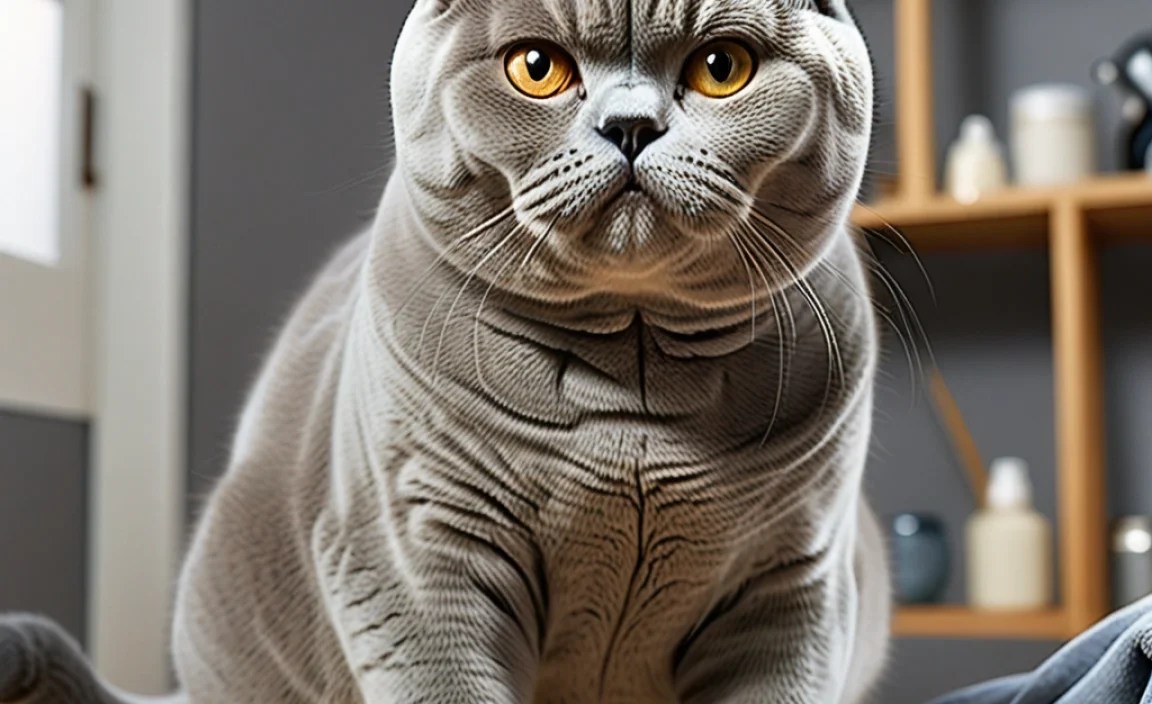
Sometimes, despite your best efforts, your British Shorthair might develop cleanliness issues. It’s important to address these promptly to prevent them from becoming ingrained habits or indicating underlying health problems.
Common Cleanliness Problems and Solutions
| Problem | Possible Causes | Solutions |
|---|---|---|
| Urinating outside the litter box | Urinary tract infection, litter box aversion, stress, territorial marking | Consult your vet, clean the litter box more frequently, provide more litter boxes, reduce stress, use enzymatic cleaners to remove odors |
| Defecating outside the litter box | Medical issues, litter box aversion, stress, territorial marking | Consult your vet, clean the litter box more frequently, provide more litter boxes, reduce stress, use enzymatic cleaners to remove odors |
| Excessive grooming | Anxiety, skin irritation, allergies, parasites | Consult your vet, reduce stress, use soothing shampoos, treat allergies or parasites |
| Lack of grooming | Obesity, dental problems, arthritis, depression | Consult your vet, help your cat groom by using soft wipes, address underlying health issues |
When to Consult a Veterinarian
If you notice any sudden changes in your British Shorthair’s cleanliness habits, it’s essential to consult your veterinarian. Underlying health conditions can often manifest as changes in grooming or litter box habits. Your vet can perform a thorough examination and recommend appropriate treatment.
Diet and Hydration: Supporting Cleanliness from Within

A balanced diet and adequate hydration are crucial for maintaining your British Shorthair’s health, which in turn supports their cleanliness.
The Role of Diet in Coat Health
A high-quality diet rich in essential fatty acids, vitamins, and minerals is vital for a healthy coat. Look for cat foods that contain:
- Omega-3 and omega-6 fatty acids: These support healthy skin and a shiny coat.
- Protein: Essential for coat growth and repair.
- Vitamins and minerals: Such as vitamin E, biotin, and zinc, which contribute to overall skin and coat health.
Avoid foods with excessive fillers or artificial additives, as these can negatively impact your cat’s health and coat quality. Consult your veterinarian for recommendations on the best diet for your British Shorthair.
Ensuring Proper Hydration
Adequate hydration is also essential for maintaining healthy skin and coat. Dehydration can lead to dry, flaky skin and a dull coat. Here are some tips for encouraging your cat to drink more water:
- Provide fresh water: Always have fresh, clean water available. Change the water daily.
- Use multiple water sources: Place water bowls in different locations around your home.
- Try a water fountain: Many cats prefer drinking from running water. A cat water fountain can encourage them to drink more.
- Wet food: Supplement your cat’s diet with wet food, which has a higher moisture content than dry food.
British Shorthair Grooming: Breed-Specific Considerations
The British Shorthair’s coat is dense and plush, which requires specific grooming considerations. Understanding these nuances will help you keep your cat looking and feeling their best.
Managing the Dense Coat
The British Shorthair’s thick coat is prone to matting, especially during shedding season. Regular brushing is crucial to prevent tangles and remove loose fur. Use a slicker brush to penetrate the coat and remove dead hair, followed by a metal comb to check for any remaining mats.
Shedding Season Strategies
British Shorthairs typically shed more during the spring and fall. During these times, you may need to brush your cat more frequently, even daily, to manage the shedding. Consider using a deshedding tool to remove excess fur. Bathing your cat during shedding season can also help loosen dead hair.
Grooming for Senior British Shorthairs
As British Shorthairs age, they may find it harder to groom themselves due to arthritis or other health issues. You may need to assist your senior cat with grooming more frequently. Use soft grooming wipes to clean their fur and gently brush them to remove tangles. Be patient and gentle, and make the grooming session as comfortable as possible.
FAQ: British Shorthair Cleanliness Habits
Here are some frequently asked questions about British Shorthair cleanliness habits:
- How often should I brush my British Shorthair?
- You should aim to brush your British Shorthair at least two to three times a week to prevent matting and reduce shedding. During shedding season, you may need to brush them daily.
- Do British Shorthairs need baths?
- British Shorthairs don’t usually require frequent baths. Over-bathing can strip their coat of natural oils. Only bathe them when they are visibly dirty or have a skin condition.
- What type of litter is best for British Shorthairs?
- The best type of litter depends on your cat’s preference. Many owners like clumping clay litter, but others prefer crystal, paper, or wood-based litters. Experiment to find one that your cat likes and that controls odor effectively.
- How many litter boxes should I have for my British Shorthair?
- As a general rule, you should have one litter box per cat, plus one extra. So, if you have one British Shorthair, you should have two litter boxes.
- Why is my British Shorthair suddenly not using the litter box?
- There could be several reasons why your British Shorthair is not using the litter box, including urinary tract infections, litter box aversion, stress, or territorial marking. Consult your vet to rule out any medical issues.
- How can I keep my British Shorthair’s coat shiny?
- A high-quality diet rich in essential fatty acids, vitamins, and minerals is essential for a shiny coat. Regular brushing also helps distribute natural oils and keep the coat healthy.
- Is it normal for my British Shorthair to shed a lot?
- British Shorthairs have a dense coat and are known to shed, especially during the spring and fall. Regular brushing can help manage the shedding. If you’re concerned about excessive shedding, consult your vet.
Conclusion
Maintaining your British Shorthair’s cleanliness is a rewarding part of pet ownership. By following these simple steps – regular brushing, proper litter box maintenance, dental care, and a healthy diet – you can ensure your feline friend stays happy, healthy, and clean. Remember that each cat is unique, so pay attention to your British Shorthair’s individual needs and adjust your care routine accordingly. Addressing any changes in cleanliness habits promptly will keep your British Shorthair thriving for many years to come, strengthening your bond and bringing joy to your home.


