
British Shorthair Grooming for Health: Smart Guide

Quick Summary: Grooming your British Shorthair isn’t just about keeping their coat beautiful; it’s a vital part of monitoring their health. Regular brushing helps you spot potential problems like skin issues, lumps, or changes in their coat. By making grooming a routine, you’ll keep your kitty looking and feeling their best, and catch any health concerns early on.
Bringing a British Shorthair into your home means welcoming a bundle of fluff and affection! These cats are known for their dense, plush coats and sweet temperaments. But all that glorious fur needs regular care. Grooming isn’t just about keeping your kitty looking good; it’s also a wonderful way to bond and, most importantly, monitor their health. Many owners feel overwhelmed by grooming, but don’t worry! It’s simpler than you think. By making grooming a regular part of your routine, you’ll be able to spot any potential health problems early and keep your feline friend happy and healthy.
Why Grooming is Essential for British Shorthairs

British Shorthairs have thick, dense coats that require regular attention. Unlike some breeds that can get away with minimal grooming, these kitties need a little more help to stay in tip-top shape. Think of it as quality time that benefits you both! Here’s why grooming is so important:
- Prevents Matting: Their dense coat is prone to matting, especially if not brushed regularly. Matted fur can be painful and lead to skin irritation.
- Reduces Shedding: Regular brushing removes loose hair, which means less fur around your house and less chance of hairballs for your kitty.
- Early Health Detection: Grooming provides an opportunity to check for lumps, bumps, skin problems, parasites, or any other abnormalities.
- Bonding Time: Many cats enjoy being groomed, making it a relaxing and bonding experience for both of you.
- Stimulates Circulation: Brushing helps stimulate blood flow to the skin, promoting a healthy coat.
Tools You’ll Need

Before you start, gather your grooming supplies. Having the right tools makes the process easier and more enjoyable for both you and your cat. Here’s a list of essentials:
- Slicker Brush: This is your primary tool for removing loose fur and preventing mats. Look for one with fine, angled bristles.
- Metal Comb: A metal comb is great for working through tangles and mats, especially in areas like the belly and behind the ears.
- Deshedding Tool: These tools are designed to remove a large amount of loose fur. Use it sparingly, as overuse can irritate the skin.
- Soft Bristle Brush: A soft brush is perfect for finishing the grooming session and smoothing the coat.
- Nail Clippers: Regular nail trimming prevents overgrowth and damage to furniture.
- Cotton Balls and Ear Cleaner: Clean your cat’s ears regularly to prevent infections.
- Pet Wipes: Useful for quick cleanups and wiping down paws after outdoor adventures (if your cat allows!).
Step-by-Step Grooming Guide

Now that you have your tools, let’s get started! Remember to be patient and gentle, especially if your cat is new to grooming. A calm and reassuring approach will make the experience more pleasant for everyone.
Step 1: Start with a Gentle Brush
Begin with a soft slicker brush. Gently brush your British Shorthair in the direction of their fur growth. Pay close attention to areas prone to matting, such as behind the ears, under the legs, and around the tail. Be gentle and avoid pulling on any tangles.
Step 2: Work Through Tangles with a Metal Comb
Use a metal comb to carefully work through any tangles or mats you find. Hold the base of the fur near the skin with one hand while gently combing through the knot with the other. If the mat is too severe, you may need to carefully cut it out with scissors – but be extremely cautious to avoid cutting your cat’s skin. If you’re uncomfortable doing this, consult a professional groomer.
Step 3: Deshedding (Use Sparingly)
If your British Shorthair is shedding heavily, you can use a deshedding tool. However, use this tool sparingly, as overuse can irritate the skin. Follow the manufacturer’s instructions and avoid applying too much pressure.
Step 4: Finishing Touches with a Soft Brush
Finish the grooming session with a soft bristle brush to smooth the coat and remove any remaining loose fur. This will leave your cat looking sleek and polished.
Step 5: Nail Trimming
Trim your cat’s nails every few weeks to prevent overgrowth. Use pet-specific nail clippers and only clip the tips of the nails, avoiding the quick (the pink part of the nail containing blood vessels and nerves). If you accidentally cut the quick, use a styptic pencil or powder to stop the bleeding. If you’re unsure how to trim your cat’s nails, ask your veterinarian or a professional groomer for a demonstration.
Step 6: Ear Cleaning
Check your cat’s ears regularly for dirt, wax, or signs of infection. Use a cotton ball dampened with a pet-specific ear cleaner to gently clean the outer ear. Never insert anything into the ear canal. If you notice excessive wax, discharge, or redness, consult your veterinarian.
Step 7: Dental Care
While not strictly grooming, dental care is an important part of your British Shorthair’s overall health. Brush your cat’s teeth several times a week with a pet-specific toothbrush and toothpaste. You can also provide dental treats or toys to help keep their teeth clean.
Health Monitoring During Grooming

As you groom your British Shorthair, pay close attention to their body and coat. Grooming is an excellent opportunity to detect potential health problems early on. Here are some things to look for:
- Lumps and Bumps: Gently feel your cat’s body for any unusual lumps or bumps. Note their size, location, and consistency, and report them to your veterinarian.
- Skin Problems: Look for signs of skin irritation, such as redness, inflammation, dryness, flakiness, or hair loss. These could be signs of allergies, infections, or parasites.
- Parasites: Check for fleas, ticks, or other parasites. Flea dirt (small black specks) can often be found near the base of the tail.
- Changes in Coat: Note any changes in the texture, color, or thickness of your cat’s coat. A dull or matted coat can be a sign of underlying health problems.
- Weight Changes: Keep an eye on your cat’s weight. Sudden weight loss or gain can be a sign of illness.
- Behavioral Changes: Pay attention to any changes in your cat’s behavior, such as decreased appetite, lethargy, or increased aggression.
- Mobility Issues: Check for any signs of stiffness, lameness, or difficulty moving. These could be signs of arthritis or other joint problems.
If you notice any of these signs, consult your veterinarian as soon as possible. Early detection and treatment can make a big difference in your cat’s health and well-being.
Grooming Frequency
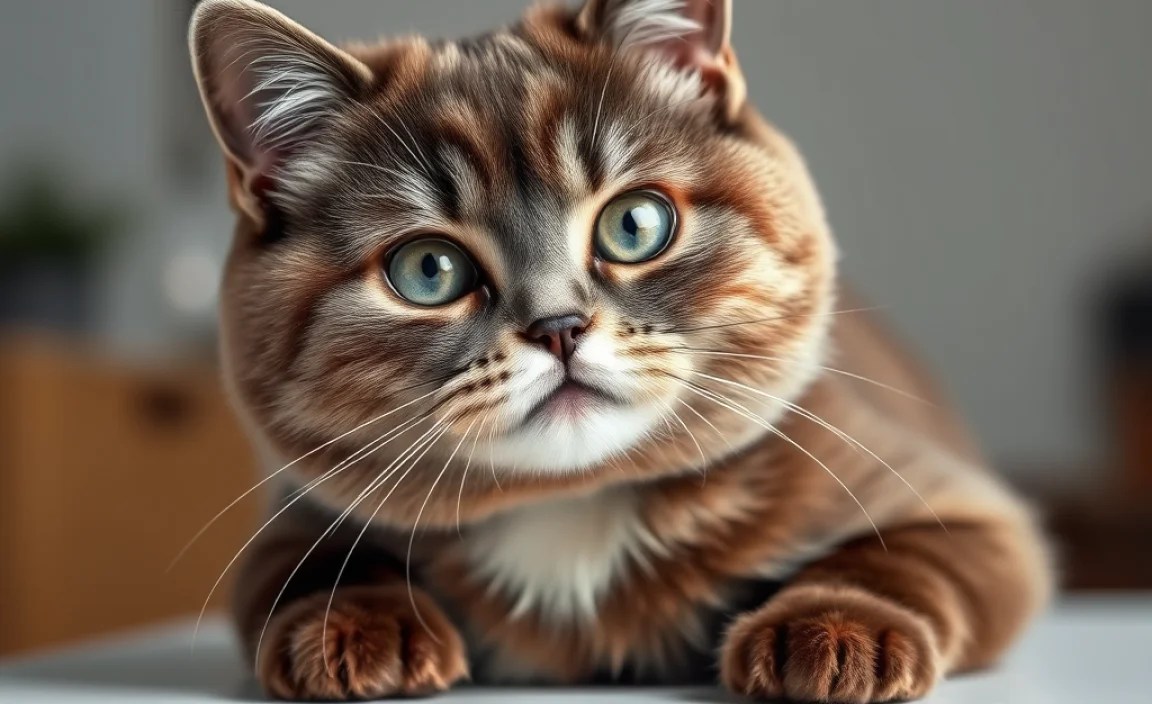
How often you groom your British Shorthair depends on their individual needs and coat condition. However, a general guideline is to brush them at least two to three times a week. During shedding season (spring and fall), you may need to brush them more frequently. Nail trimming should be done every few weeks, and ear cleaning can be done monthly or as needed.
Creating a Positive Grooming Experience
To make grooming a positive experience for your British Shorthair, follow these tips:
- Start Early: Introduce your cat to grooming as a kitten to help them get used to it.
- Be Gentle: Always be gentle and avoid pulling on their fur.
- Use Positive Reinforcement: Reward your cat with treats, praise, or petting during and after grooming.
- Keep it Short: Start with short grooming sessions and gradually increase the duration as your cat becomes more comfortable.
- Choose the Right Time: Groom your cat when they are relaxed and calm, such as after a meal or playtime.
- Make it a Routine: Stick to a regular grooming schedule so your cat knows what to expect.
- Stop if They’re Stressed: If your cat becomes stressed or agitated, stop the grooming session and try again later.
Common Grooming Challenges and Solutions
Even with the best intentions, you may encounter some challenges when grooming your British Shorthair. Here are some common problems and solutions:
| Challenge | Solution |
|---|---|
| Cat Hates Being Brushed | Start with short sessions, use a soft brush, and offer treats. Gradually increase the duration as they become more comfortable. |
| Matted Fur | Carefully work through mats with a metal comb. If the mat is severe, consult a professional groomer. Prevention is key – brush regularly! |
| Nail Trimming Difficulties | Wrap your cat in a towel, expose one paw at a time, and trim only the tips of the nails. Have styptic powder on hand in case you accidentally cut the quick. |
| Ear Cleaning Resistance | Use a gentle ear cleaner and a soft cotton ball. Avoid inserting anything into the ear canal. If your cat is very resistant, consult your veterinarian. |
| Hairballs | Regular brushing helps reduce hairballs. You can also try hairball-specific food or treats. |
When to Seek Professional Help
While you can handle most grooming tasks at home, there are times when it’s best to seek professional help. Consider consulting a professional groomer if:
- Your cat has severe matting that you can’t remove yourself.
- Your cat is extremely aggressive or fearful during grooming.
- You’re uncomfortable trimming your cat’s nails or cleaning their ears.
- You notice any signs of skin problems or other health issues.
A professional groomer has the experience and expertise to safely and effectively groom your British Shorthair, even if they have special needs or behavioral issues.
Nutrition and Coat Health
A healthy coat starts from the inside out. Feeding your British Shorthair a high-quality diet is essential for maintaining a healthy and lustrous coat. Look for cat food that is rich in protein, omega-3 fatty acids, and other essential nutrients. Avoid foods that contain artificial colors, flavors, or preservatives.
Some owners also supplement their cat’s diet with omega-3 fatty acids to promote coat health. Consult your veterinarian before adding any supplements to your cat’s diet.
British Shorthair Grooming for Senior Cats
As your British Shorthair ages, they may become less able to groom themselves effectively. Senior cats may also be more prone to health problems that can affect their coat. Therefore, it’s even more important to maintain a regular grooming routine as they age.
Senior cats may have sensitive skin or joint pain, so be extra gentle during grooming sessions. You may also need to adjust your grooming techniques to accommodate their changing needs. For example, you may need to use a softer brush or shorten the duration of grooming sessions.
British Shorthair Grooming for Kittens
It’s never too early to start grooming your British Shorthair kitten. Introducing them to grooming at a young age will help them get used to it and make it a more pleasant experience throughout their life.
Start with short, gentle grooming sessions and gradually increase the duration as your kitten becomes more comfortable. Use a soft brush and offer plenty of praise and treats. Avoid using harsh or irritating grooming products.
FAQ About British Shorthair Grooming
Here are some frequently asked questions about grooming British Shorthairs:
- How often should I brush my British Shorthair?
- Aim to brush your British Shorthair two to three times a week. During shedding season, you might need to brush them more often.
- What kind of brush is best for a British Shorthair?
- A slicker brush is a great choice for removing loose fur, while a metal comb helps with tangles. Finish with a soft bristle brush to smooth their coat.
- How can I prevent matting in my British Shorthair’s coat?
- Regular brushing is key! Focus on areas prone to matting, like behind the ears and under the legs. If you find mats, gently work them out with a comb or consult a groomer.
- Is it okay to bathe my British Shorthair?
- British Shorthairs don’t usually need frequent baths. However, if they get dirty or smelly, use a pet-specific shampoo and rinse thoroughly.
- How do I trim my British Shorthair’s nails?
- Use pet nail clippers and trim only the tips of the nails, avoiding the quick. If you’re unsure, ask your vet or a groomer for a demonstration.
- What should I do if my British Shorthair hates being groomed?
- Start slowly, use positive reinforcement (treats and praise), and keep sessions short. If they’re very resistant, consult a professional groomer for advice.
- Can grooming help with my cat’s hairballs?
- Yes! Regular brushing removes loose hair, which reduces the amount of hair your cat swallows when grooming themselves, thus minimizing hairballs.
Conclusion
Grooming your British Shorthair is more than just a beauty routine; it’s an essential part of their overall health and well-being. By making grooming a regular part of your routine, you’ll not only keep their coat looking beautiful but also have the opportunity to monitor their health and detect potential problems early on. Remember to be patient, gentle, and use positive reinforcement to make grooming a pleasant experience for both you and your feline friend. With a little practice and dedication, you’ll be able to keep your British Shorthair looking and feeling their best for many years to come. And always remember, if you have any concerns, your veterinarian is your best resource for expert advice!


