
British Shorthair Grooming for Kittens Under 6 Months: Easy!

Quick Summary:
Grooming a British Shorthair kitten under 6 months old is easy! Focus on gentle, positive experiences. Use a soft brush 2-3 times a week to remove loose fur and prevent mats. Trim their nails every few weeks, and clean their ears as needed with a vet-approved solution. Never bathe them unless absolutely necessary; spot clean instead. Always reward your kitten with treats and praise to make grooming a happy bonding time.
Bringing a British Shorthair kitten into your home is a joy! Those big, round eyes and plush fur are simply irresistible. But with that adorable fluff comes the responsibility of grooming. Many new owners feel a bit unsure about where to start, especially with such a young and delicate creature.
Don’t worry! Grooming your British Shorthair kitten doesn’t have to be a chore. It’s a wonderful opportunity to bond with your new furry friend and ensure they grow into a healthy, happy cat. This guide will take you through each step, offering simple tips and tricks to make the process stress-free for both of you. Let’s get started!
Why Grooming Matters for Young Kittens

You might think that because your kitten is so young, grooming isn’t that important yet. However, starting a grooming routine early has many benefits:
- Gets them used to being handled: Regular grooming helps your kitten become comfortable with being touched and handled, which will make vet visits and other necessary procedures much easier in the future.
- Prevents mats and tangles: British Shorthairs have a dense, plush coat that can be prone to matting if not brushed regularly. Starting early prevents these painful knots from forming.
- Reduces shedding: Regular brushing removes loose fur, which means less hair around your home and less chance of your kitten developing hairballs.
- Early health checks: Grooming sessions give you a chance to check your kitten for any lumps, bumps, or skin irritations.
- Bonding: Grooming can be a relaxing and enjoyable experience for both you and your kitten, strengthening your bond.
Essential Grooming Tools for Kittens

Before you start, make sure you have the right tools on hand. These are the essentials:
- Soft-bristled brush: Look for a brush specifically designed for cats, with soft bristles that won’t irritate your kitten’s delicate skin.
- Flea comb: This is helpful for detecting fleas, but also for removing loose fur in hard-to-reach areas.
- Nail clippers: Choose clippers designed for cats, either scissor-style or guillotine-style. Make sure they are sharp to prevent splitting the nail.
- Cotton balls: For cleaning ears.
- Ear cleaning solution: Use a veterinarian-approved ear cleaning solution specifically formulated for cats.
- Soft towel: For drying your kitten if you need to spot clean them.
- Treats: Positive reinforcement is key! Have some small, tasty treats ready to reward your kitten for good behavior.
Step-by-Step Guide to Grooming Your British Shorthair Kitten

Here’s a breakdown of how to groom your British Shorthair kitten, making it a positive and bonding experience.
Step 1: Brushing
Brushing is the most important part of grooming a British Shorthair, especially because of their thick coat.
- Start slow: Let your kitten sniff and investigate the brush before you start. Gently stroke them with your hand first to relax them.
- Gentle strokes: Use the soft-bristled brush to gently brush your kitten’s fur in the direction of hair growth. Avoid pulling or tugging.
- Focus on problem areas: Pay special attention to areas that are prone to matting, such as behind the ears, under the chin, and around the legs.
- Short sessions: Keep brushing sessions short and sweet, especially when you’re first starting out. Aim for 5-10 minutes at a time.
- Positive reinforcement: Reward your kitten with treats and praise throughout the brushing session. This will help them associate grooming with positive experiences.
How Often to Brush
For kittens under 6 months, aim to brush them 2-3 times a week. This will help prevent mats and tangles and get them used to the routine. As they get older, you may need to brush them more frequently, especially during shedding season.
Step 2: Nail Trimming
Keeping your kitten’s nails trimmed is important for their comfort and safety, and it protects your furniture from scratches!
- Get them used to their paws being touched: Before you even think about clipping, get your kitten comfortable with you handling their paws. Gently massage their paws and toes daily.
- Introduce the clippers: Let your kitten sniff and investigate the nail clippers. Turn it into a game by tapping the clippers lightly on the floor.
- Trim carefully: When you’re ready to trim, hold your kitten securely in your lap. Gently extend one of their toes and locate the quick (the pink part of the nail that contains blood vessels and nerves).
- Avoid the quick: Only trim the tip of the nail, being careful to avoid the quick. If you accidentally cut the quick, it will bleed. Have styptic powder on hand to stop the bleeding.
- Positive reinforcement: Reward your kitten with treats and praise after each nail you trim.
How Often to Trim Nails
Most kittens need their nails trimmed every 2-3 weeks. However, this can vary depending on how quickly their nails grow. If you hear your kitten’s nails clicking on the floor, it’s time for a trim.
Tip: If you’re nervous about trimming your kitten’s nails yourself, ask your veterinarian or a professional groomer to show you how. You can also have them do it for you.
Step 3: Ear Cleaning
Regular ear cleaning helps prevent ear infections and keeps your kitten’s ears healthy. According to the Cornell Feline Health Center, regular ear cleaning is an important part of cat hygiene.
- Check their ears: Regularly inspect your kitten’s ears for any signs of dirt, wax buildup, or inflammation.
- Moisten a cotton ball: Moisten a cotton ball with a veterinarian-approved ear cleaning solution. Never pour the solution directly into your kitten’s ear.
- Gently wipe: Gently wipe the inside of your kitten’s ear with the moistened cotton ball. Avoid pushing the cotton ball too far into the ear canal.
- Dry the ear: Use a dry cotton ball to dry the inside of your kitten’s ear.
- Positive reinforcement: Reward your kitten with treats and praise after cleaning their ears.
How Often to Clean Ears
Most kittens only need their ears cleaned every few weeks, or as needed. If you notice excessive wax buildup, discharge, or a foul odor, consult your veterinarian.
Step 4: Bathing (Only When Necessary)
British Shorthairs are generally clean cats and don’t require frequent bathing. In fact, over-bathing can strip their coat of its natural oils and cause skin irritation.
Only bathe your kitten if they are visibly dirty or have gotten into something sticky or smelly.
- Brush beforehand: Brush your kitten before bathing to remove any loose fur and mats.
- Use lukewarm water: Use lukewarm water to wet your kitten’s fur. Avoid getting water in their eyes, ears, and nose.
- Use cat shampoo: Use a shampoo specifically formulated for cats. Avoid using human shampoo, as it can be too harsh for their skin.
- Lather gently: Gently lather the shampoo into your kitten’s fur, avoiding the face.
- Rinse thoroughly: Rinse your kitten’s fur thoroughly with lukewarm water until all the shampoo is gone.
- Dry with a towel: Use a soft towel to dry your kitten’s fur. You can also use a hairdryer on a low, cool setting, but be careful not to overheat them.
- Positive reinforcement: Reward your kitten with treats and praise after their bath.
Spot Cleaning
For minor messes, you can spot clean your kitten with a damp cloth. Simply wipe the affected area and dry with a towel.
Dealing with a Resistant Kitten

Some kittens are more resistant to grooming than others. If your kitten is struggling or becoming stressed, stop the grooming session and try again later. Here are some tips for dealing with a resistant kitten:
- Start slow: Introduce grooming gradually, one step at a time.
- Make it positive: Use treats, praise, and toys to make grooming a positive experience.
- Be patient: Don’t force your kitten to do anything they’re not comfortable with.
- Enlist help: Ask a friend or family member to help you groom your kitten.
- Consult your veterinarian: If your kitten is consistently resistant to grooming, talk to your veterinarian. They may have some helpful tips or be able to rule out any underlying medical conditions.
Grooming Schedule Example
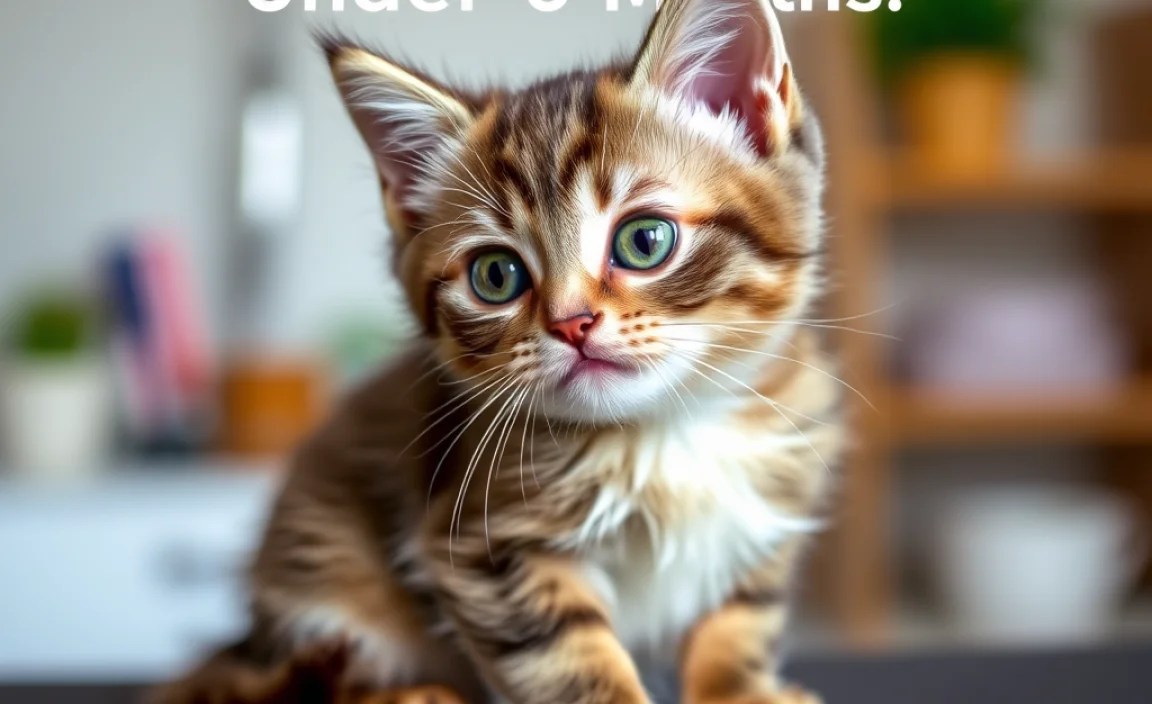
Here’s a sample grooming schedule you can adapt for your British Shorthair kitten:
| Day | Activity |
|---|---|
| Monday | Brushing (5-10 minutes) |
| Tuesday | Paw Handling/Massage |
| Wednesday | Brushing (5-10 minutes) |
| Thursday | Check ears |
| Friday | Brushing (5-10 minutes) |
| Saturday | Nail Trim (every 2-3 weeks) |
| Sunday | Relax and observe your kitten! |
Additional Tips for Grooming British Shorthair Kittens
- Choose the Right Time: Pick a time when your kitten is relaxed and receptive, such as after a meal or playtime. Avoid grooming when they are feeling energetic or playful.
- Create a Calm Environment: Find a quiet space where your kitten feels secure and undisturbed. Minimize distractions to help them stay focused and calm during grooming sessions.
- Use Positive Reinforcement: Reward your kitten with treats, praise, and gentle petting throughout the grooming process. This helps create positive associations with grooming and encourages cooperation.
- Be Consistent: Establish a regular grooming schedule and stick to it as much as possible. Consistency helps your kitten get used to the routine and makes grooming sessions more predictable and less stressful.
- Monitor Coat Condition: Regularly check your kitten’s coat for signs of dryness, oiliness, or matting. Adjust your grooming routine as needed to maintain a healthy and well-groomed coat.
- Supervise Outdoor Activities: Keep a close eye on your kitten when they’re outdoors to prevent them from getting into messes that require extensive cleaning. Outdoor adventures can lead to dirt, debris, and tangles in their coat.
- Consider Professional Grooming: If you’re unsure about any aspect of grooming or your kitten is particularly resistant, consider seeking assistance from a professional groomer experienced with British Shorthairs. They can provide expert care and guidance.
Common Mistakes to Avoid
Even with the best intentions, it’s easy to make mistakes when grooming your British Shorthair kitten. Here are some common pitfalls to avoid:
- Using the wrong tools: Using harsh brushes or clippers can irritate your kitten’s skin and make them resistant to grooming.
- Being too rough: Always be gentle when handling your kitten, especially when brushing or trimming their nails.
- Forcing them to groom: Forcing your kitten to groom will only make them more stressed and resistant.
- Ignoring signs of stress: Pay attention to your kitten’s body language. If they are hissing, swatting, or trying to escape, stop the grooming session and try again later.
- Not seeking professional help: If you’re struggling to groom your kitten, don’t hesitate to ask your veterinarian or a professional groomer for help.
FAQ About Grooming British Shorthair Kittens
Here are some frequently asked questions about grooming British Shorthair kittens:
- Q: How often should I brush my British Shorthair kitten?
- A: Aim to brush your kitten 2-3 times a week to prevent mats and tangles.
- Q: How often should I trim my kitten’s nails?
- A: Most kittens need their nails trimmed every 2-3 weeks.
- Q: Do British Shorthair kittens need baths?
- A: Only bathe your kitten when necessary, such as if they are visibly dirty. Over-bathing can dry out their skin.
- Q: What kind of brush should I use on my British Shorthair kitten?
- A: Use a soft-bristled brush specifically designed for cats.
- Q: My kitten hates being groomed. What can I do?
- A: Start slow, make it positive with treats and praise, and be patient. If your kitten is consistently resistant, consult your veterinarian or a professional groomer.
- Q: What if I accidentally cut my kitten’s quick when trimming their nails?
- A: Apply styptic powder to the nail to stop the bleeding.
- Q: Can I use human shampoo on my British Shorthair kitten?
- A: No, only use shampoo specifically formulated for cats. Human shampoo can be too harsh for their skin.
Conclusion
Grooming your British Shorthair kitten under 6 months is all about creating positive experiences and establishing a routine. By starting early and using gentle, patient techniques, you can help your kitten become comfortable with being handled and ensure they grow into a healthy, well-groomed cat. Remember to use the right tools, be consistent with your grooming schedule, and always reward your kitten with treats and praise. If you encounter any difficulties, don’t hesitate to seek guidance from your veterinarian or a professional groomer. With a little time and effort, you can make grooming a happy and bonding experience for both you and your furry friend. Enjoy those precious kitten moments!


