
Cat Breeds That Dislike Water: Find Your Perfect Feline

Do you think all cats love water? Most people think cats hate getting wet. But is this always true? Some cat breeds that dislike water more than others. Let’s find out which furry friends prefer to stay dry!
Some cats like to splash around. Others run far away from the bathtub. We will explore the cats that are not fans of water. Get ready to learn about these unique kitties!
Have you ever tried to give a cat a bath? Some cats will scratch and hiss. They make it very clear they don’t like water. Other cats might tolerate it. But many cat breeds that dislike water will do anything to avoid it.
Key Takeaways
- Many cat breeds that dislike water exist, showing diverse feline preferences.
- Breeds like Persians and Turkish Angoras prefer staying dry.
- A cat’s coat type influences its tolerance to water.
- Understanding a cat’s breed can help with grooming and care.
- Knowing your cat’s preferences makes them happier and healthier.
Why Some Cat Breeds Dislike Water

Many people wonder why cats don’t like water. The truth is, it varies from cat to cat. Some cat breeds that dislike water have coats that get heavy when wet. This makes them cold and uncomfortable. Think about wearing a big, wet sweater. It wouldn’t be fun! Other cats might have had a bad experience with water. Maybe they got scared during a bath. Or perhaps they fell into a pool by accident. This can make them afraid of water for a long time. Also, cats are very clean animals. They groom themselves often. So, they might not feel the need to get wet to get clean. It’s all about comfort, experience, and how their fur reacts to water. Understanding these things helps us see why some cats would rather stay dry and cozy. Plus, some cats just have different personalities. Just like people, some cats are adventurous, and some are not.
- Dense fur can become heavy when wet.
- Bad experiences can create fear.
- Cats groom themselves to stay clean.
- Individual personalities differ.
- Some cats prefer warmth and dryness.
It’s important to remember that each cat is unique. Even within the same breed, some cats might like water. Others might hate it. If you have a cat that doesn’t like water, don’t force them to get wet. Instead, try using a damp cloth to wipe them down. You can also use dry shampoo made for cats. This will help them stay clean without getting wet. Always be gentle and patient with your cat. Make sure they feel safe and comfortable. This will help them trust you and feel less stressed. Remember, a happy cat is a healthy cat! Plus, knowing your cat’s preferences helps you build a stronger bond with them. This makes both of you happier. Understanding why cat breeds that dislike water do so is key to caring for them properly.
Does Coat Type Affect Water Tolerance?
Have you ever noticed how some fabrics dry faster than others? A cat’s coat is similar. Some cats have thick, dense fur. This fur soaks up a lot of water. When it gets wet, it becomes very heavy. This can make the cat feel cold and uncomfortable. Other cats have sleek, smooth fur. Water rolls right off this type of fur. These cats might not mind getting wet as much. Think about a raincoat. It’s designed to keep water out. Some cats have a natural “raincoat” while others don’t. The type of fur a cat has can make a big difference. It affects whether they enjoy or avoid water. So, coat type is a big factor in why cat breeds that dislike water do so.
Are Some Cats Just Naturally Afraid?
Imagine you hear a loud noise that scares you. You might be afraid of that noise again. Cats can feel the same way about water. If a cat has a bad experience with water, it might become afraid. Maybe they were given a bath that was too cold. Or maybe they fell into a pool and got scared. These experiences can create a lasting fear. Some cats are also just more cautious by nature. They might be more sensitive to new things. This can make them more likely to be afraid of water. It’s like some people are naturally more adventurous than others. So, fear plays a big role in why cat breeds that dislike water.
Do Cats Need Baths Anyway?
Cats are known for being clean animals. They spend a lot of time grooming themselves. Their rough tongues help them remove dirt and loose fur. This means that many cats don’t need regular baths. In fact, too many baths can dry out their skin. This can lead to skin problems. Of course, there are times when a bath is necessary. If a cat gets into something sticky or smelly, a bath can help. But for the most part, cats do a good job of keeping themselves clean. So, many cat breeds that dislike water are happy to avoid baths altogether. They prefer to handle their own grooming needs.
Fun Fact or Stat: Did you know that cats spend up to 50% of their waking hours grooming themselves? This shows how important cleanliness is to them!
Common Cat Breeds That Dislike Water

Several cat breeds are known for their dislike of water. One example is the Persian cat. Persians have long, thick fur that takes a long time to dry. This can make them very uncomfortable if they get wet. Another breed is the Maine Coon. Despite their size, Maine Coons often avoid water. They prefer to stay dry and warm. The Turkish Angora is another cat that usually dislikes water. These cats have a fine coat that can get heavy when wet. The Scottish Fold is also known to avoid water if possible. These breeds share a common trait: a preference for staying dry. Understanding which cat breeds that dislike water can help owners provide better care. They can focus on dry grooming methods and avoid unnecessary baths.
- Persian cats have long, thick fur.
- Maine Coons prefer to stay dry.
- Turkish Angoras have fine coats.
- Scottish Folds avoid water if they can.
- These breeds prefer dry grooming.
- Owners should respect their preferences.
Knowing which breeds tend to dislike water can help you choose the right cat for your lifestyle. If you want a cat that might enjoy swimming, these breeds might not be the best choice. However, if you prefer a cat that stays clean on its own, these breeds could be perfect. Remember, every cat is different. Even within these breeds, some cats might surprise you. They might enjoy playing in water or taking a bath. But in general, these breeds are known for their aversion to water. So, it’s always best to respect their preferences and avoid forcing them to get wet. This will help them feel safe and comfortable in their home. Recognizing that certain cat breeds that dislike water exist is the first step in providing appropriate care.
Do Long-Haired Cats Hate Water More?
Imagine trying to dry a very long, thick towel. It takes a long time, right? Long-haired cats have a similar problem. Their fur is like that thick towel. It soaks up a lot of water. This makes them feel cold and heavy. It can take a long time for their fur to dry completely. This is why many long-haired cats don’t like water. They associate it with being uncomfortable. Short-haired cats, on the other hand, dry much faster. They might not mind getting wet as much. So, the length of a cat’s fur can definitely affect its attitude toward water. Long-haired cat breeds that dislike water often do so because of the drying time.
What About Hairless Cats?
Have you ever wondered if hairless cats like water? It might seem like they would. After all, they don’t have fur to get wet and heavy. But hairless cats can still dislike water. They might feel cold very easily. Without fur, they don’t have as much insulation. This means they can get chilled quickly in water. Also, some hairless cats have sensitive skin. The chemicals in bathwater can irritate their skin. So, even though they don’t have fur, hairless cats might still prefer to stay dry. The lack of fur doesn’t automatically make cat breeds that dislike water suddenly love it.
Can You Train a Cat to Like Water?
Imagine trying to convince someone to like something they really hate. It can be tough! The same is true for cats and water. You can’t force a cat to like water. But you can try to make it a more positive experience. Start by using warm water, not cold. Be gentle and speak in a calm voice. Offer treats and praise during the bath. Keep the baths short and sweet. If your cat still hates it, don’t push it. Some cats will never like water. It’s important to respect their feelings. Focus on other ways to keep them clean, like dry shampoo. Trying to change the minds of cat breeds that dislike water can be a long process.
Fun Fact or Stat: Maine Coon cats, despite often disliking full baths, are known to play with water, sometimes dipping their paws in it!
Grooming Tips for Cats That Dislike Water

If you have a cat that hates water, grooming can be a challenge. But there are ways to keep them clean without a full bath. Dry shampoo is a great option. It comes in powder or foam form. You simply apply it to their fur and brush it out. This helps remove dirt and oil. Wipes designed for cats are also useful. They can help clean specific areas, like paws or ears. Regular brushing is important, too. It helps remove loose fur and prevents mats. Make sure to use a brush that your cat likes. Be gentle and patient. Grooming should be a positive experience. With the right tools and techniques, even cat breeds that dislike water can stay clean and healthy.
- Use dry shampoo to clean their fur.
- Try cat wipes for specific areas.
- Brush them regularly to remove loose fur.
- Use a brush they like.
- Be gentle and patient during grooming.
- Make grooming a positive experience.
Remember, grooming is not just about keeping your cat clean. It’s also a great way to bond with them. Spend some time each day brushing your cat. Talk to them in a soothing voice. Offer treats and praise. This will help them associate grooming with positive things. If you notice any mats or tangles, try to remove them gently. You can use a special mat comb or scissors. Be very careful not to cut their skin. If the mats are too severe, you might need to take your cat to a professional groomer. They can safely remove the mats without hurting your cat. By using these tips, you can keep even the cat breeds that dislike water looking and feeling their best.
How Often Should You Groom a Cat?
The answer depends on the cat. Long-haired cats need to be groomed more often than short-haired cats. Long-haired cats can get mats and tangles easily. They might need to be brushed every day. Short-haired cats can usually get away with being brushed once or twice a week. It’s important to pay attention to your cat’s fur. If you notice any mats or excessive shedding, you might need to groom them more often. Regular grooming helps keep their fur healthy and prevents problems. So, the frequency of grooming depends on the specific needs of your cat. This is especially important for cat breeds that dislike water, as grooming is their primary cleaning method.
What If My Cat Hates Being Brushed?
Some cats don’t like being brushed. They might hiss or try to run away. If this happens, don’t force them. Start slowly and gently. Let them sniff the brush first. Then, try brushing them for just a few seconds. Offer them a treat afterwards. Gradually increase the amount of time you brush them. If they start to get upset, stop and try again later. You can also try different types of brushes. Some cats prefer soft brushes, while others like metal combs. It might take some time to find the right brush and technique. Be patient and persistent. Eventually, your cat might learn to tolerate or even enjoy being brushed. Adapting to the preferences of cat breeds that dislike water is key.
Are Cat Wipes a Good Alternative to Baths?
Cat wipes can be a great alternative to baths. They are easy to use and can help clean specific areas. You can use them to wipe their paws after they’ve been outside. You can also use them to clean their ears or around their eyes. Cat wipes are especially useful for cat breeds that dislike water. They allow you to keep them clean without getting them wet. Just make sure to use wipes that are specifically designed for cats. These wipes are gentle and won’t irritate their skin. Avoid using baby wipes or other wipes that contain harsh chemicals.
Fun Fact or Stat: Regular grooming can reduce hairballs in cats, as it helps remove loose fur before they ingest it!
Understanding Breed-Specific Water Aversion
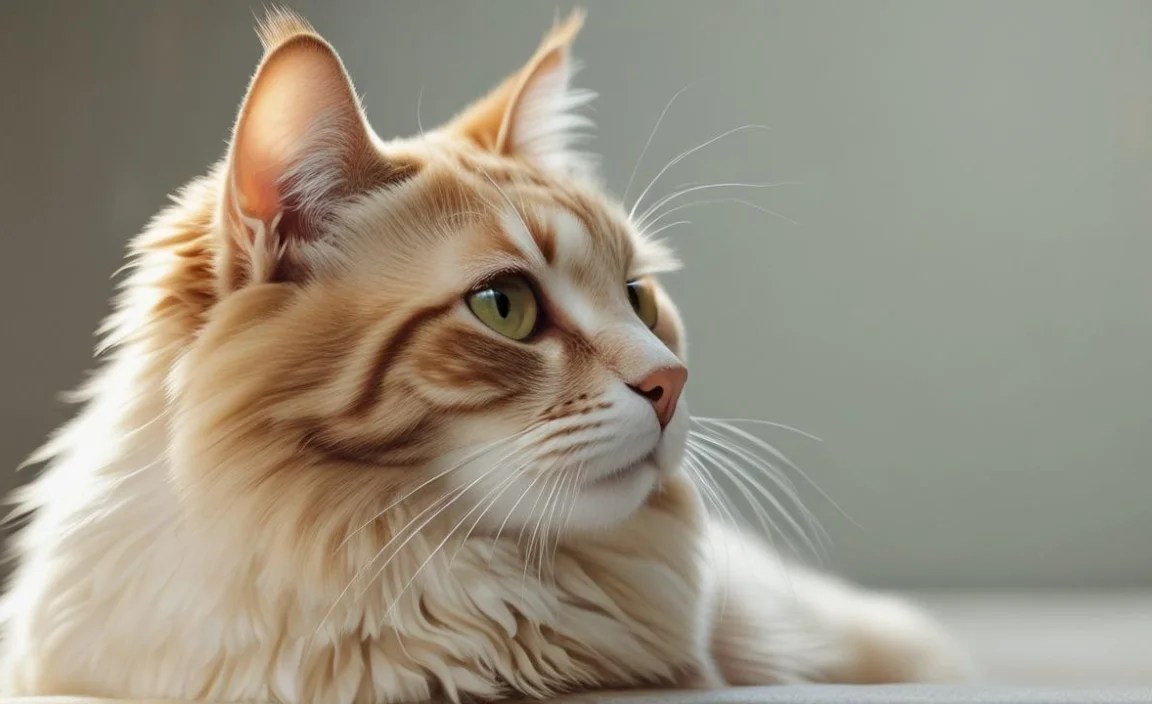
Certain breeds have a higher tendency to dislike water. This is often due to their coat type or past experiences. For example, Persian cats have long, dense fur. This fur takes a long time to dry. This can make them very uncomfortable if they get wet. Maine Coons, despite their rugged appearance, often prefer to stay dry. Scottish Folds are also known for their aversion to water. Understanding these breed-specific tendencies can help owners provide better care. They can focus on dry grooming methods and avoid unnecessary baths. This knowledge is key when caring for cat breeds that dislike water. It allows owners to cater to their cat’s specific needs and preferences.
- Persians dislike water due to their long fur.
- Maine Coons prefer to stay dry.
- Scottish Folds avoid water.
- Coat type influences water aversion.
- Breed knowledge helps with care.
- Owners should respect preferences.
It’s important to remember that these are just general tendencies. Every cat is an individual. Some cats within these breeds might actually enjoy water. The best way to know your cat’s preferences is to observe their behavior. Do they run away from the bathtub? Do they avoid puddles? If so, it’s likely they don’t like water. Respect their feelings and avoid forcing them to get wet. Instead, focus on dry grooming methods and creating a comfortable environment. This will help them feel safe and happy in their home. Recognizing the unique traits of cat breeds that dislike water is essential for responsible pet ownership.
Are There Any Cat Breeds That Like Water?
Yes, there are! While many cats dislike water, some breeds are known to enjoy it. The Turkish Van is famous for its love of swimming. They are often called “swimming cats.” The Bengal is another breed that might enjoy playing in water. They are active and curious cats. The Abyssinian is also known to be more tolerant of water than other breeds. These cats have different coat types and personalities. This makes them more open to getting wet. So, not all cats hate water. Some even enjoy it! These exceptions highlight the diversity among feline preferences, contrasting with cat breeds that dislike water.
What Makes Turkish Vans Different?
Turkish Vans are unique because they have a waterproof coat. This means that their fur doesn’t absorb as much water. They also have a muscular build. This makes them strong swimmers. These cats originated in the Lake Van region of Turkey. They are used to swimming in the lake. This has helped them develop a love of water. Unlike most cat breeds that dislike water, Turkish Vans actively seek out water. They enjoy swimming and playing in it. This makes them a truly special breed.
How Can I Tell If My Cat Likes Water?
Pay attention to their behavior. Do they watch you in the shower? Do they try to play with water from the faucet? Do they seem curious about puddles? If so, your cat might like water. You can try offering them a shallow dish of water to play in. See if they dip their paws in it or try to splash around. If they seem comfortable, they might enjoy water. But if they run away or seem scared, it’s best to leave them alone. Respecting a cat’s boundaries is crucial. It’s especially important for cat breeds that dislike water to avoid forcing them into uncomfortable situations.
Fun Fact or Stat: The Turkish Van is also known as the “Swimming Cat” due to its unusual love for water!
Creating a Positive Grooming Experience
Making grooming a positive experience is key, especially for cats that dislike water. Start by creating a calm and relaxing environment. Choose a time when your cat is feeling sleepy and relaxed. Have all your grooming supplies ready. This includes a brush, comb, and dry shampoo. Speak to your cat in a soothing voice. Offer treats and praise throughout the grooming session. Be gentle and patient. If your cat starts to get upset, stop and try again later. The goal is to make grooming a pleasant experience for your cat. This is particularly important for cat breeds that dislike water, as it helps them tolerate necessary cleaning.
| Grooming Step | Description | Why it Helps |
|---|---|---|
| Brushing | Gently remove loose fur with a soft brush. | Reduces shedding and prevents mats. |
| Dry Shampoo | Apply dry shampoo to fur and brush out. | Cleans without water, ideal for water-averse cats. |
| Wipes | Use cat wipes to clean paws and ears. | Targets specific areas, minimizing stress. |
| Treats & Praise | Offer treats and verbal praise during grooming. | Creates a positive association with grooming. |
Remember, consistency is important. Try to groom your cat regularly, even if it’s just for a few minutes each day. This will help them get used to the process. It will also help you keep their fur healthy and free of mats. If you have a long-haired cat, you might need to groom them more often. Short-haired cats can usually get away with being groomed less frequently. Pay attention to your cat’s individual needs and adjust your grooming routine accordingly. By creating a positive grooming experience, you can help even the most water-averse cats stay clean and happy. This is especially beneficial for cat breeds that dislike water, ensuring their hygiene without causing stress.
Why is Patience Important During Grooming?
Imagine someone trying to brush your hair very quickly and roughly. It wouldn’t feel good, right? Cats feel the same way. Patience is key when grooming a cat. If you rush, you might accidentally pull their fur or scratch their skin. This can make them scared and resistant to grooming. By being patient, you can make the experience more comfortable for them. Take your time and be gentle. If they start to get upset, stop and give them a break. Patience is especially important for cat breeds that dislike water, as they may already be anxious about the process.
How Can Treats Help?
Treats can be a powerful tool during grooming. They can help create a positive association with the experience. Offer your cat a treat before you start grooming. Then, offer them treats throughout the session. This will help them see grooming as a rewarding activity. It can also distract them from any discomfort they might be feeling. Just make sure to use treats that are healthy and that your cat enjoys. Treats can be a great way to make grooming more enjoyable for both you and your cat. This is particularly helpful for cat breeds that dislike water, who need extra encouragement.
What If My Cat Still Hates Grooming?
Some cats will never enjoy grooming. If you’ve tried everything and your cat still hates it, don’t force them. It’s important to respect their feelings and avoid causing them stress. Instead, focus on other ways to keep them clean. You can use cat wipes to clean specific areas. You can also try a professional groomer. They have experience working with difficult cats. They can safely groom your cat without causing them too much distress. Sometimes, it’s best to accept that your cat will never love grooming. The well-being of cat breeds that dislike water should always come first.
Fun Fact or Stat: Some cats enjoy being groomed with a soft toothbrush, which mimics the feeling of being licked by their mother!
Alternative Cleaning Methods for Feline Hygiene
When cat breeds that dislike water need cleaning, there are other methods to consider. Dry shampoo is a popular choice. It absorbs dirt and oil without needing water. Cat wipes are also convenient for quick cleanups. These are great for paws and ears. Regular brushing can also remove loose fur. This keeps your cat clean and reduces shedding. Each method offers a way to maintain hygiene. It does so without the stress of a bath. Owners can choose the best option based on their cat’s comfort. Keeping cats clean helps them stay healthy. It also makes them more pleasant to be around.
- Dry shampoo cleans without water.
- Cat wipes are good for quick cleanups.
- Brushing removes loose fur and dirt.
- These methods reduce bathing stress.
- Choose methods based on cat’s comfort.
- Hygiene keeps cats healthy and happy.
It’s important to remember that every cat is different. Some cats might tolerate one method better than another. Experiment to find what works best for your cat. Always be gentle and patient. If your cat seems stressed, stop and try again later. You can also ask your veterinarian for advice. They can recommend specific products and techniques. The goal is to keep your cat clean and comfortable. This will help them live a long and healthy life. By using these alternative cleaning methods, you can ensure that even cat breeds that dislike water stay clean and happy. A clean cat is a happy cat, and a happy cat makes a happy home.
Can I Use Human Shampoo on My Cat?
No, you should never use human shampoo on your cat. Human shampoo is designed for human skin. It can be too harsh for a cat’s sensitive skin. It can also disrupt the natural pH balance of their skin. This can lead to skin irritation and other problems. Always use shampoo that is specifically designed for cats. These shampoos are gentle and won’t harm their skin. They are also formulated to clean their fur effectively. Using the right products is essential for keeping your cat healthy. This is especially important when dealing with cat breeds that dislike water, as you want to make the experience as pleasant as possible.
How Effective is Dry Shampoo for Cats?
Dry shampoo can be very effective for cats. It helps absorb dirt, oil, and odors from their fur. It’s a great option for cats that dislike water. To use dry shampoo, simply sprinkle it on their fur. Then, brush it out thoroughly. Make sure to avoid getting it in their eyes or nose. Dry shampoo can help keep your cat clean and fresh between baths. It’s a convenient and easy way to maintain their hygiene. The effectiveness of dry shampoo makes it a valuable tool for owners of cat breeds that dislike water.
Are There Special Wipes for Cleaning Cat Ears?
Yes, there are special wipes for cleaning cat ears. These wipes are designed to be gentle and effective. They can help remove wax and debris from your cat’s ears. Regular ear cleaning can help prevent ear infections. To use ear wipes, gently wipe the inside of their ears. Avoid pushing the wipe too far into the ear canal. If you notice any redness or discharge, consult your veterinarian. Using the right wipes can help keep your cat’s ears clean and healthy. This is particularly important for cat breeds that dislike water, as you want to avoid any potential ear issues from bathing.
Fun Fact or Stat: Cats have a natural aversion to citrus scents, so avoid using citrus-scented cleaning products around them!
Summary
Many cat breeds that dislike water exist. These breeds include Persians, Maine Coons, and Scottish Folds. Their aversion to water often stems from their coat type. Long, dense fur can become heavy and uncomfortable when wet. Other factors include bad experiences and individual preferences. Grooming tips for these cats include using dry shampoo, cat wipes, and regular brushing. Creating a positive grooming experience is also important. Alternative cleaning methods, like dry shampoo, can help maintain hygiene. Understanding breed-specific tendencies helps owners provide better care. Remember, every cat is an individual. Respect their preferences and avoid forcing them to get wet. Always prioritize their comfort and well-being.
Conclusion
In conclusion, while some cats might tolerate or even enjoy water, many cat breeds that dislike water exist. Understanding why these cats avoid water is crucial for providing proper care. Coat type, past experiences, and individual preferences all play a role. By using alternative cleaning methods and creating positive grooming experiences, owners can keep their feline friends clean and happy. Remember to respect your cat’s boundaries and always prioritize their comfort. A happy, clean cat makes for a happy home.
Frequently Asked Questions
Question No 1: Why do some cats dislike water?
Answer: Several reasons explain why some cats dislike water. Many cat breeds that dislike water have dense fur. This fur can become heavy and uncomfortable when wet. This makes it hard for them to move around. Some cats may have had bad experiences with water. Maybe they were forced into a bath or fell into a pool. These experiences can create a lasting fear. Individual preferences also play a role. Just like people, some cats are more adventurous than others. Others prefer to stay safe and dry. Understanding these factors helps us care for our feline friends better.
Question No 2: Which cat breeds are known to dislike water?
Answer: Several cat breeds are known for their aversion to water. Persian cats are one example. Their long, thick fur takes a long time to dry. This makes them uncomfortable when wet. Maine Coons, despite their large size, often prefer to stay dry. Scottish Folds are also known to avoid water if they can. Other cat breeds that dislike water include Turkish Angoras and some Himalayans. Recognizing these breeds can help owners provide appropriate care. This means focusing on dry grooming methods and avoiding unnecessary baths. These practices can help reduce stress and anxiety for these cats.
Question No 3: How can I groom a cat that dislikes water?
Answer: Grooming a cat that dislikes water requires patience and creativity. Dry shampoo is a great alternative to traditional baths. Simply apply the dry shampoo to their fur and brush it out. This helps remove dirt and oil without getting them wet. Cat wipes are also useful for cleaning specific areas, like paws and ears. Regular brushing is essential for removing loose fur and preventing mats. Make sure to use a brush that your cat likes. Be gentle and patient during the grooming session. Creating a positive experience can help cat breeds that dislike water tolerate grooming better.
Question No 4: Are there any cat breeds that actually like water?
Answer: Yes, some cat breeds are known to enjoy water. The Turkish Van is famous for its love of swimming. They are often called “swimming cats.” The Bengal is another breed that might enjoy playing in water. They are active and curious cats. The Abyssinian is also known to be more tolerant of water than other breeds. These cats have different coat types and personalities. This makes them more open to getting wet. These breeds are exceptions to the rule, as most cat breeds that dislike water tend to avoid it.
Question No 5: Is it harmful to bathe a cat that hates water?
Answer: Bathing a cat that hates water can be stressful for both you and your cat. It can create anxiety and fear. In some cases, it can even lead to aggression. It’s best to avoid bathing a cat that dislikes water unless it’s absolutely necessary. If your cat gets into something sticky or smelly, a bath might be needed. But for routine cleaning, focus on alternative methods like dry shampoo and wipes. Forcing cat breeds that dislike water into a bath can damage your relationship with them. It is always best to respect their preferences and avoid unnecessary stress.
Question No 6: How often should I groom my cat?
Answer: The frequency of grooming depends on your cat’s breed and coat type. Long-haired cats need to be groomed more often than short-haired cats. Long-haired cats can get mats and tangles easily. They might need to be brushed every day. Short-haired cats can usually get away with being brushed once or twice a week. Pay attention to your cat’s fur. If you notice any mats or excessive shedding, you might need to groom them more often. Regular grooming is especially important for cat breeds that dislike water, as it helps keep them clean without needing a bath.


