
Ancestry of the Gordon Setter: Proven Secrets

Quick Summary: Ancestry of the Gordon Setter
The Gordon Setter hails from Scotland, specifically from the Gordon Castle estate of the Duke of Gordon in the early 19th century. Bred for hunting game birds, they are a blend of various setter and collie types, along with some possible Bloodhound influence. Their lineage reflects a careful selection for stamina, scenting ability, and a calm temperament.
Have you ever wondered about the history of your loyal Gordon Setter? Many owners are curious about where this beautiful breed comes from. Understanding their ancestry not only deepens your appreciation for these dogs but also gives you insight into their health and temperament. It’s like uncovering a fascinating family secret!
In this article, we’ll explore the origins of the Gordon Setter, tracing their roots back to the Scottish Highlands. We’ll look at the breeds that contributed to their development and discuss the qualities that make them such exceptional hunting companions and family pets. Get ready to embark on a journey through time and discover the rich heritage of the Gordon Setter!
The Origins of the Gordon Setter

The Gordon Setter’s story begins in the rugged terrain of Scotland. These dogs were developed to excel in the challenging conditions of the Scottish Highlands, making them reliable partners for hunters.
The Gordon Castle Connection
The most prominent figure in the Gordon Setter’s history is Alexander, the 4th Duke of Gordon. In the early 19th century, he established a kennel at Gordon Castle, his family estate. It was here that the breed began to take shape through careful breeding practices.
The Duke aimed to create a dog that was not only skilled at hunting but also possessed a calm and trainable temperament. This vision led to the blending of various breeds, resulting in the distinctive Gordon Setter we know today.
Early Breeding Practices
The exact details of the early breeding programs are somewhat hazy, but it is believed that several types of dogs contributed to the Gordon Setter’s development. These included:
- Black and Tan Setters: These were common in Britain and formed the foundation of the breed.
- Collies: Known for their intelligence and trainability, collies likely contributed to the Gordon Setter’s temperament.
- Bloodhounds: Some believe that Bloodhounds were introduced to improve the breed’s scenting ability.
The Duke of Gordon’s efforts set the standard for the breed. However, the work was continued by later breeders who refined the Gordon Setter’s qualities even further.
Key Ancestral Breeds

To fully appreciate the Gordon Setter, it’s essential to understand the characteristics of the breeds that played a role in its creation. Each breed brought unique traits that contributed to the Gordon Setter’s overall excellence.
Black and Tan Setters
Black and Tan Setters were among the most influential ancestors of the Gordon Setter. These dogs were prized for their hunting prowess and distinctive color pattern.
Characteristics of Black and Tan Setters:
- Excellent scenting ability
- Stamina for long days in the field
- Elegant appearance
The Black and Tan Setters provided the Gordon Setter with a solid foundation of hunting skills and a striking appearance.
Collies
Collies were likely included in the breeding programs to enhance the Gordon Setter’s intelligence and trainability. These herding dogs are known for their sharp minds and willingness to please.
Contributions of Collies:
- Improved trainability
- Enhanced problem-solving skills
- Gentle temperament
The Collie influence helped make the Gordon Setter a more versatile and family-friendly breed.
Bloodhounds
The inclusion of Bloodhounds in the Gordon Setter’s ancestry is a topic of debate, but some believe it contributed to their exceptional scenting ability. Bloodhounds are renowned for their tracking skills and keen noses.
Potential Bloodhound Influence:
- Enhanced scenting ability
- Improved tracking skills
- Greater stamina
If Bloodhounds were indeed part of the Gordon Setter’s lineage, they added another layer of hunting expertise to the breed.
Breed Development After the Duke

Following the Duke of Gordon’s initial work, other breeders played a crucial role in shaping the Gordon Setter into the breed we recognize today. Their dedication and selective breeding practices helped refine the Gordon Setter’s characteristics.
Notable Breeders
Several breeders stood out for their contributions to the Gordon Setter’s development:
- Mr. Coke: Known for his focus on temperament and trainability.
- Mr. Barclay: Emphasized the breed’s hunting abilities and stamina.
- The Earl of Marchmont: Contributed to the breed’s elegant appearance and overall refinement.
These breeders worked tirelessly to improve the Gordon Setter, ensuring it remained a top-tier hunting dog and a beloved companion.
Standardization of the Breed
As the Gordon Setter gained popularity, efforts were made to standardize the breed’s characteristics. This involved establishing breed standards that outlined the ideal physical and temperamental traits.
Key Aspects of Standardization:
- Appearance: Defined the desired coat color, size, and overall conformation.
- Temperament: Emphasized the importance of a calm, intelligent, and trainable nature.
- Hunting Ability: Maintained the breed’s focus on scenting, pointing, and retrieving game birds.
The standardization process helped ensure that the Gordon Setter remained true to its original purpose and retained its distinctive qualities.
The Gordon Setter in America

The Gordon Setter made its way to America in the 19th century and quickly gained popularity among hunters and dog enthusiasts. Their adaptability and hunting skills made them a valuable asset in the American countryside.
Early Popularity
The first Gordon Setters arrived in America in the 1840s. They were well-received for their hunting abilities and distinctive appearance. Wealthy sportsmen often imported these dogs to enhance their hunting expeditions.
Factors Contributing to Early Popularity:
- Hunting Skills: Excelled at finding and retrieving game birds.
- Adaptability: Thrived in various terrains and climates.
- Companionship: Formed strong bonds with their owners.
The Gordon Setter quickly became a favorite among American hunters, solidifying its place in the country’s sporting dog history.
American Kennel Club Recognition
The American Kennel Club (AKC) recognized the Gordon Setter in 1884, further legitimizing the breed and promoting its popularity. AKC recognition helped establish breed standards and encouraged responsible breeding practices.
Benefits of AKC Recognition:
- Breed Standards: Ensured consistency in appearance and temperament.
- Registration: Allowed for tracking and documentation of pedigrees.
- Breed Promotion: Increased awareness and popularity of the Gordon Setter.
AKC recognition played a significant role in the Gordon Setter’s continued success in America.
Modern Gordon Setters
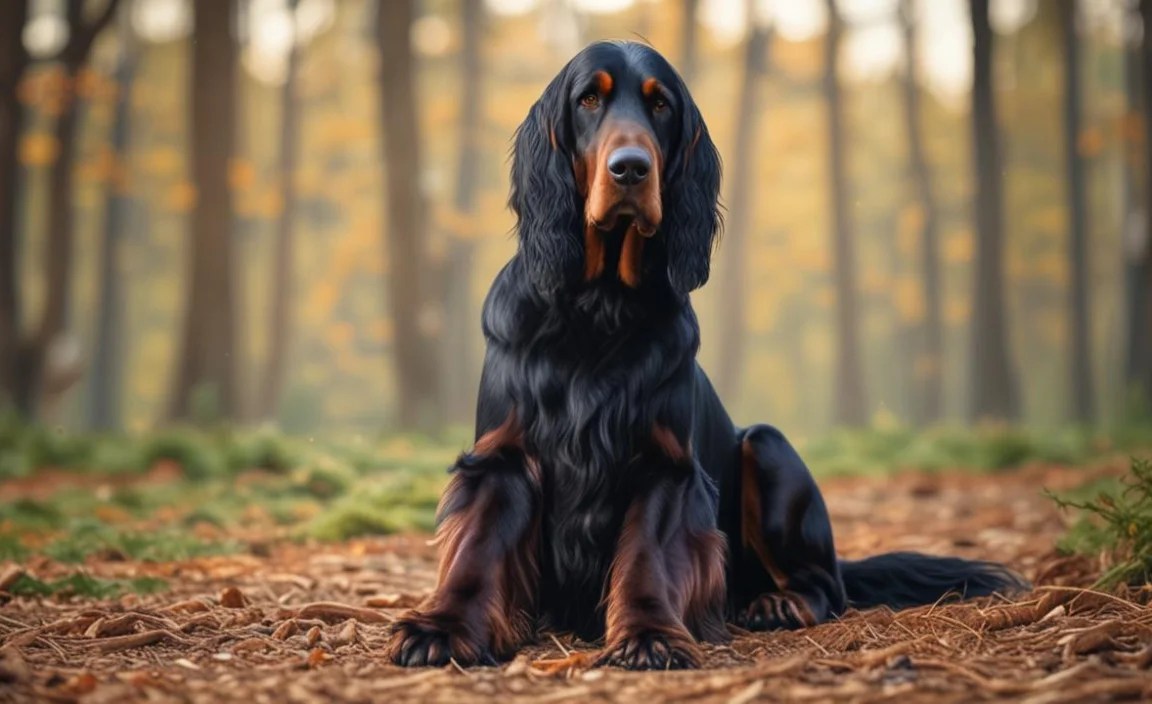
Today, the Gordon Setter remains a beloved breed, known for its hunting abilities, intelligence, and loyalty. Modern breeders continue to uphold the breed’s standards and promote responsible ownership.
Maintaining Breed Standards
Breeders today are committed to preserving the Gordon Setter’s unique qualities. They carefully select breeding pairs to ensure that puppies inherit the desired traits.
Key Considerations for Modern Breeders:
- Health: Screening for genetic conditions to ensure healthy puppies.
- Temperament: Prioritizing calm, intelligent, and trainable dogs.
- Conformation: Adhering to breed standards for appearance.
By focusing on these factors, breeders help ensure that the Gordon Setter remains a healthy and well-tempered breed.
The Gordon Setter as a Family Pet
While the Gordon Setter was originally bred for hunting, they also make excellent family pets. Their gentle nature and loyalty make them wonderful companions for children and adults alike.
Qualities That Make Them Good Family Pets:
- Loyalty: Form strong bonds with their families.
- Gentleness: Patient and tolerant with children.
- Intelligence: Easy to train and eager to please.
With proper training and socialization, the Gordon Setter can thrive in a family environment, bringing joy and companionship to their owners.
Understanding Genetic Health
Like all breeds, Gordon Setters are prone to certain genetic health issues. Understanding these potential problems can help owners provide the best possible care for their dogs.
Common Health Concerns
Some of the common health concerns in Gordon Setters include:
- Hip Dysplasia: A condition where the hip joint doesn’t develop properly.
- Progressive Retinal Atrophy (PRA): An eye disease that can lead to blindness.
- Gastric Torsion (Bloat): A life-threatening condition where the stomach twists.
Regular veterinary check-ups and genetic testing can help detect and manage these health issues.
Importance of Genetic Testing
Genetic testing is a valuable tool for breeders and owners. It can identify dogs that carry genes for certain diseases, allowing breeders to make informed decisions about breeding pairs.
Benefits of Genetic Testing:
- Early Detection: Identifies potential health problems before they develop.
- Informed Breeding Decisions: Helps breeders avoid producing puppies with genetic disorders.
- Improved Care: Allows owners to provide targeted care for their dogs.
By embracing genetic testing, breeders and owners can work together to improve the health and well-being of Gordon Setters.
Caring for Your Gordon Setter
Providing proper care is essential for ensuring that your Gordon Setter lives a long and healthy life. This includes proper nutrition, exercise, and grooming.
Nutrition
A balanced diet is crucial for maintaining your Gordon Setter’s health. Choose a high-quality dog food that is appropriate for their age and activity level.
Dietary Considerations:
- Protein: Essential for muscle development and maintenance.
- Fats: Provide energy and support healthy skin and coat.
- Carbohydrates: Offer a source of energy.
Avoid overfeeding your Gordon Setter, as obesity can lead to various health problems. Consult with your veterinarian to determine the appropriate amount of food for your dog.
Exercise
Gordon Setters are active dogs that require plenty of exercise. Daily walks, runs, and play sessions are essential for keeping them physically and mentally stimulated.
Exercise Needs:
- Daily Walks: At least 30-60 minutes of walking per day.
- Playtime: Opportunities to run and play in a safe, enclosed area.
- Mental Stimulation: Puzzle toys and training sessions to keep their minds engaged.
Regular exercise will help your Gordon Setter stay healthy, happy, and well-behaved.
Grooming
Gordon Setters have a beautiful coat that requires regular grooming to prevent matting and tangles. Regular brushing, bathing, and nail trimming are essential.
Grooming Tips:
- Brushing: Brush several times a week to remove loose hair and prevent mats.
- Bathing: Bathe as needed, typically every few months.
- Nail Trimming: Trim nails regularly to prevent overgrowth.
Proper grooming will keep your Gordon Setter looking and feeling their best.
The Gordon Setter’s Temperament
Understanding the Gordon Setter’s temperament is crucial for building a strong bond with your dog. These dogs are known for their intelligence, loyalty, and gentle nature.
Intelligence and Trainability
Gordon Setters are highly intelligent and eager to please, making them relatively easy to train. Positive reinforcement techniques, such as treats and praise, work best.
Training Tips:
- Start Early: Begin training as soon as you bring your puppy home.
- Be Consistent: Use clear and consistent commands.
- Positive Reinforcement: Reward good behavior with treats and praise.
With patience and consistency, you can train your Gordon Setter to be a well-behaved and obedient companion.
Loyalty and Affection
Gordon Setters are known for their loyalty and affection towards their families. They form strong bonds with their owners and enjoy spending time with them.
How to Strengthen Your Bond:
- Spend Quality Time: Engage in activities that your dog enjoys, such as walks, play sessions, and training.
- Provide Affection: Offer plenty of cuddles, pets, and verbal praise.
- Be Consistent: Establish clear rules and boundaries.
By nurturing your relationship with your Gordon Setter, you can create a lasting bond built on love and trust.
Gordon Setter Coat and Colors
The Gordon Setter boasts a distinctive and beautiful coat. Understanding its characteristics can help you appreciate and care for your dog’s appearance.
Coat Characteristics
The Gordon Setter has a soft, glossy coat that is slightly wavy or straight. It is longer on the ears, chest, belly, and backs of the legs.
Key Features of the Coat:
- Texture: Soft and glossy.
- Length: Moderate, with longer feathering on certain areas.
- Density: Dense enough to provide protection from the elements.
Proper care and grooming will help maintain the health and appearance of your Gordon Setter’s coat.
Color Variations
The Gordon Setter’s coat is always black with tan markings. The tan markings appear on the muzzle, throat, chest, legs, and above the eyes.
Color Standards:
- Base Color: Always black.
- Tan Markings: Clearly defined and rich in color.
- Absence of White: White markings are not desirable.
The distinctive black and tan pattern is a hallmark of the Gordon Setter breed.
Finding a Reputable Breeder
If you’re considering adding a Gordon Setter to your family, it’s essential to find a reputable breeder. A good breeder will prioritize the health and well-being of their dogs.
Qualities of a Good Breeder
Look for a breeder who:
- Performs Health Testing: Screens breeding dogs for genetic conditions.
- Provides a Clean Environment: Keeps their dogs in a clean and comfortable environment.
- Offers a Guarantee: Provides a health guarantee for their puppies.
- Is Knowledgeable: Can answer your questions about the breed and provide guidance on care.
A reputable breeder will be invested in the well-being of their puppies and will want to ensure they go to good homes.
Questions to Ask a Breeder
When you visit a breeder, be sure to ask questions about:
- Health History: The health history of the parents and grandparents.
- Temperament: The temperament of the parents and puppies.
- Socialization: How the puppies are socialized.
- Vaccinations and Worming: The vaccination and worming schedule for the puppies.
Asking these questions will help you make an informed decision about whether a particular breeder is right for you.
Gordon Setter Breed-Specific Legislation
Breed-Specific Legislation (BSL) refers to laws that regulate or ban certain dog breeds based on their perceived dangerousness. While Gordon Setters are not typically targeted by BSL, it’s important to be aware of these laws in your area.
Understanding BSL
BSL can vary from city to city and state to state. Some laws may require owners of certain breeds to:
- Register their dogs.
- Keep their dogs muzzled in public.
- Carry liability insurance.
In some cases, BSL may even ban certain breeds altogether.
Advocating Against BSL
Many animal welfare organizations oppose BSL, arguing that it is ineffective and unfairly targets specific breeds. If you are concerned about BSL in your area, you can:
- Contact your local lawmakers.
- Support organizations that oppose BSL.
- Educate others about the issue.
By working together, we can promote responsible dog ownership and prevent the implementation of unfair and ineffective laws.
Frequently Asked Questions (FAQs)
What breeds make up the Gordon Setter?
The Gordon Setter is primarily a mix of Black and Tan Setters, with possible contributions from Collies and Bloodhounds.
Where did Gordon Setters originate?
Gordon Setters originated in Scotland, specifically at the Gordon Castle estate of the Duke of Gordon.
Are Gordon Setters good family pets?
Yes, Gordon Setters can make excellent family pets due to their loyalty, gentle nature, and intelligence.
What is the primary purpose of the Gordon Setter?
Gordon Setters were originally bred for hunting game birds, excelling at scenting, pointing, and retrieving.
Are there any common health issues in Gordon Setters?
Common health issues include hip dysplasia, progressive retinal atrophy (PRA), and gastric torsion (bloat).
How much exercise does a Gordon Setter need?
Gordon Setters need a good amount of exercise, including daily walks of at least 30-60 minutes, playtime, and mental stimulation.
What kind of coat does a Gordon Setter have?
Gordon Setters have a soft, glossy coat that is black with distinctive tan markings.
Conclusion
The Gordon Setter’s ancestry is a fascinating tapestry woven from the rugged landscapes of Scotland and the dedicated efforts of breeders who sought to create the ultimate hunting companion. From their origins at Gordon Castle to their popularity in America and beyond, these dogs have consistently proven their worth as skilled hunters and loving family members. By understanding their history, health, and temperament, you can provide the best possible care for your Gordon Setter and ensure they live a happy, healthy, and fulfilling life. Whether you’re a seasoned hunter or a first-time dog owner, the Gordon Setter’s rich heritage and unwavering loyalty make them a truly special breed to cherish.


