
Managing Food Aggression in Cats: Easy Guide

Have you ever seen a cat hiss at another while eating? Does your cat gobble food like they will never eat again? This could be food aggression. It is a serious problem. It can cause stress for you and your cats. Managing food aggression in cats is important. It keeps everyone safe and happy.
Cats show aggression for many reasons. They might feel scared of losing their food. Some cats had to fight for food when they were kittens. Others just really love to eat! No matter the reason, you can help your cat. Let’s learn how to make mealtime peaceful.
Key Takeaways
- Early intervention is key when managing food aggression in cats.
- Separate feeding areas reduce competition and stress for all cats.
- Consistent feeding schedules help cats feel secure about their next meal.
- Positive reinforcement, like treats, can change negative food behaviors.
- Consult a vet or behaviorist for severe cases of food aggression in cats.
Understanding Food Aggression in Cats

Food aggression in cats happens when a cat becomes very protective of their food. They might growl or hiss at other cats. Some cats even snap or bite if someone gets too close. This behavior is often caused by fear. The cat fears that someone will steal their food. This fear can come from past experiences. Maybe they had to compete for food as a kitten. Perhaps they were not fed regularly. Some cats are just more likely to feel anxious around food. Recognizing the signs of food aggression is the first step. Then you can start to make mealtime less stressful for your cat. It is important to be patient. With time and effort, most cats can learn to feel safe and secure while eating.
- Cats may growl or hiss during feeding time.
- They might eat very fast.
- Some cats guard their food bowl.
- They may try to bite if you approach.
- The cat might become tense while eating.
You can help your cat feel safer. Start by feeding them in a quiet place. Make sure other pets cannot bother them. Give each cat their own food bowl. Put the bowls far apart. If the aggression is severe, feed them in separate rooms. Always be gentle and patient with your cat. Never punish them for their behavior. This will only make them more anxious. Instead, use positive reinforcement. Reward them for calm behavior around food. Over time, your cat can learn to associate mealtime with safety and peace. This will help reduce their food aggression.
Why Do Cats Become Food Aggressive?
Many things can cause food aggression in cats. One common reason is competition. In homes with many cats, they might feel they must fight for food. This is especially true if they have to share bowls. Past experiences can also play a big role. Cats who were once strays might have had to scavenge for food. They may still feel that food is scarce. Some cats are just naturally more anxious. This can make them more likely to develop food-related fears. Understanding why your cat is acting aggressive is very important. It helps you to address the root cause of the problem. Are you giving your cats the space they need during meals?
Recognizing the Signs of Food Aggression
It’s important to know what food aggression looks like. A cat showing food aggression may eat very fast. They might try to gulp down their food without chewing. Some cats will guard their bowl with their body. They could growl, hiss, or swat at anyone who comes near. Their fur might stand on end. They may also become very tense and watchful. If you see these signs, your cat is likely feeling stressed about their food. Paying attention to these clues can help you step in and stop the behavior before it gets worse. Early intervention is key to managing food aggression in cats effectively.
The Role of Past Experiences
A cat’s early life can have a big impact on their behavior. Cats who were rescued from shelters might have experienced food scarcity. They may have had to compete with other animals for every meal. This can create a deep-seated fear of losing their food. Even if they are now in a loving home, those memories can linger. These cats might need extra reassurance. You can show them that food is always available. Regular feeding schedules and plenty of food can help them feel more secure. Can you imagine how scary it must be to wonder where your next meal is coming from?
Fun Fact or Stat: Studies show that multi-cat households are more prone to food aggression issues compared to single-cat homes.
Creating a Safe Feeding Environment
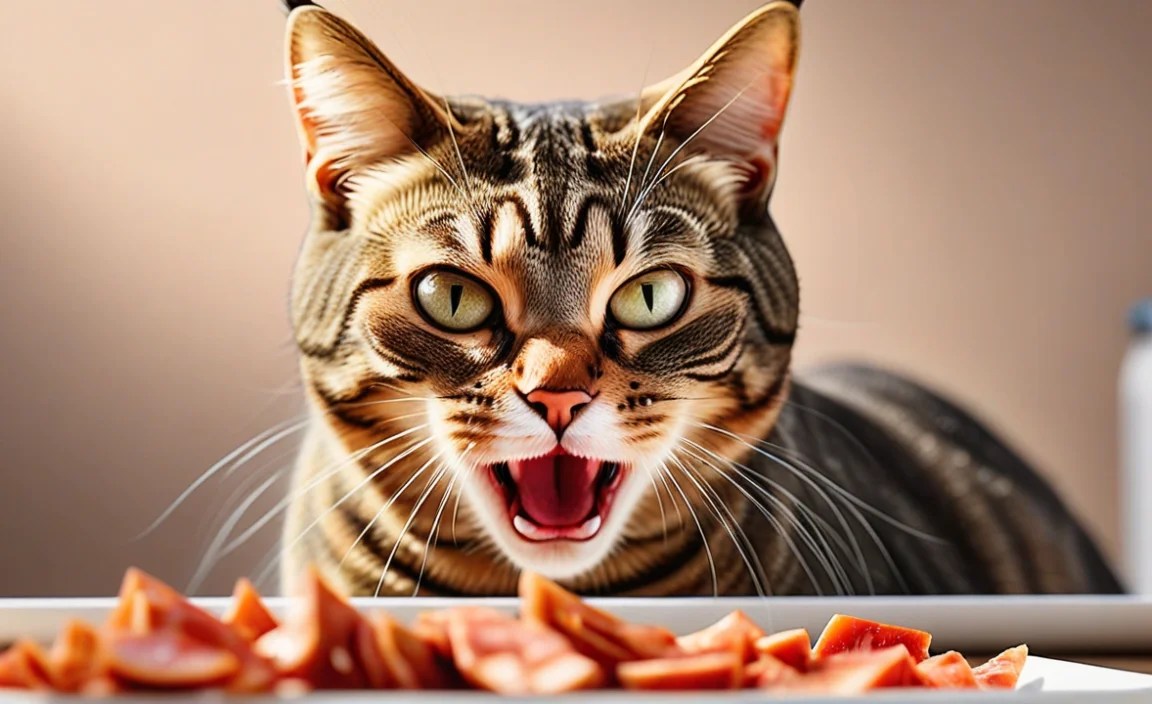
A safe feeding environment is crucial. It helps reduce food aggression in cats. Each cat needs their own space. This means separate bowls. It also means enough distance between feeding spots. Cats should not feel crowded or threatened. Consider feeding them in different rooms. Raised feeders can also help. These are good for cats with joint problems. They also prevent other cats from bothering them. Make sure the area is quiet and calm. Loud noises can stress cats. A peaceful setting encourages relaxed eating. By creating a safe space, you show your cats they do not need to compete for food.
- Provide each cat with their own bowl.
- Place bowls far apart from each other.
- Consider feeding cats in separate rooms.
- Use raised feeders for comfort and safety.
- Keep the feeding area quiet and calm.
- Make sure the area is easy to clean.
Think about how you would feel if someone took your food. Cats feel the same way. They need to feel secure while they eat. A safe environment also means no interruptions. Keep children and other pets away during mealtime. This allows cats to focus on eating. It reduces the chance of aggression. If you have a cat who eats very fast, try a slow feeder. This type of bowl makes them work harder for their food. It slows down their eating. It can also help prevent digestive problems. By paying attention to these details, you can make a big difference in your cat’s behavior.
The Importance of Separate Bowls
Sharing is not always caring, especially when it comes to food. Cats are naturally solitary eaters. They prefer to have their own space and resources. Sharing a bowl can create stress and competition. This can lead to food aggression. Giving each cat their own bowl sends a clear message. It tells them that they do not have to fight for their food. It is also more hygienic. Each cat has their own clean bowl. This reduces the risk of spreading germs. Are you giving your cats the personal space they need?
Using Raised Feeders Effectively
Raised feeders are not just a cute accessory. They can actually help cats eat more comfortably. These feeders raise the food bowl off the ground. This can be easier on a cat’s neck and joints. It can also help prevent vomiting. This is especially helpful for cats who eat too quickly. Raised feeders can also create a sense of security. They can make it harder for other pets to bother the cat while they are eating. This can help reduce anxiety and aggression. Have you considered how raised feeders could benefit your cat?
Creating a Calm Feeding Zone
Imagine trying to eat a meal in a noisy, chaotic environment. It would be very stressful! Cats feel the same way. They need a calm, quiet place to eat. Choose a spot away from high-traffic areas. Keep the area free from loud noises. Turn off the TV or radio during mealtime. Make sure children and other pets do not disturb the cat. A peaceful feeding zone can make a big difference in your cat’s stress levels. It can help them feel more relaxed and secure. This can reduce the likelihood of food aggression. What steps can you take to create a calmer feeding zone for your cat?
Fun Fact or Stat: Cats prefer eating in quiet places, and loud noises can increase their stress levels by up to 50% during meal times.
Establishing a Consistent Feeding Schedule
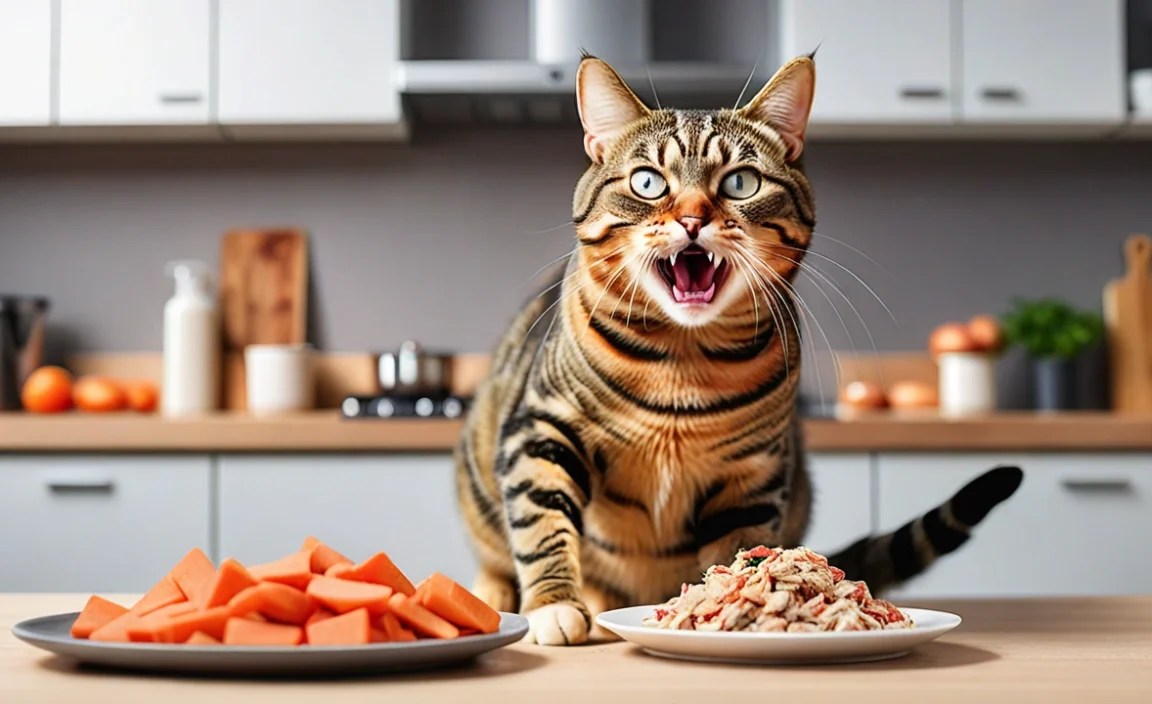
A regular feeding schedule is very important. It helps manage food aggression in cats. When cats know when to expect food, they feel safer. They are less likely to worry about scarcity. Feed your cats at the same times each day. This creates a sense of routine. Use an automatic feeder if you cannot be home. These feeders release food at set times. This ensures your cat always gets fed on schedule. Consistency is key. It helps reduce anxiety. It can also prevent aggressive behavior. Stick to the schedule, even on weekends. This will help your cats feel secure and happy.
- Feed cats at the same times every day.
- Use an automatic feeder if needed.
- Be consistent with the amount of food.
- Avoid changing the feeding schedule suddenly.
- Make sure everyone in the house knows the schedule.
Think of a clock. It tells you what time it is. A feeding schedule does the same for your cat. It tells them when they will eat. This predictability helps them relax. It reduces the need to guard their food. A consistent schedule also helps with digestion. When cats eat at regular times, their bodies can adjust. This can prevent stomach problems. If you need to change the schedule, do it slowly. Gradually adjust the feeding times. This gives your cat time to adapt. Never skip meals. This can trigger feelings of scarcity. A consistent schedule is a simple but powerful tool for managing food aggression.
The Benefits of Predictable Meal Times
Cats are creatures of habit. They thrive on routine. Predictable meal times can make a big difference in their behavior. When cats know when to expect food, they feel more secure. This reduces anxiety and stress. It also helps them feel more in control of their environment. A predictable schedule can also improve their overall health. It can help regulate their metabolism and digestion. Are you providing your cat with the stability they need?
Using Automatic Feeders for Consistency
Life can be busy. It is not always easy to stick to a strict feeding schedule. That is where automatic feeders come in handy. These devices can dispense food at set times. This ensures that your cat is always fed on time, even when you are not home. Automatic feeders can also help with portion control. They can dispense the right amount of food each time. This can help prevent overeating and weight gain. Have you considered how an automatic feeder could simplify your life and benefit your cat?
Adjusting the Schedule Gradually
Sometimes, life throws us curveballs. You might need to change your cat’s feeding schedule due to work or travel. When this happens, it is important to make the changes gradually. Suddenly changing the schedule can cause stress and anxiety. This can trigger food aggression. Instead, adjust the feeding times by small increments each day. This gives your cat time to adapt to the new routine. Be patient and understanding. Your cat will appreciate the effort. Can you plan ahead to make any necessary adjustments smoothly?
Fun Fact or Stat: Cats fed on a consistent schedule are 30% less likely to exhibit food-related anxiety compared to those with irregular feeding times.
Positive Reinforcement Techniques
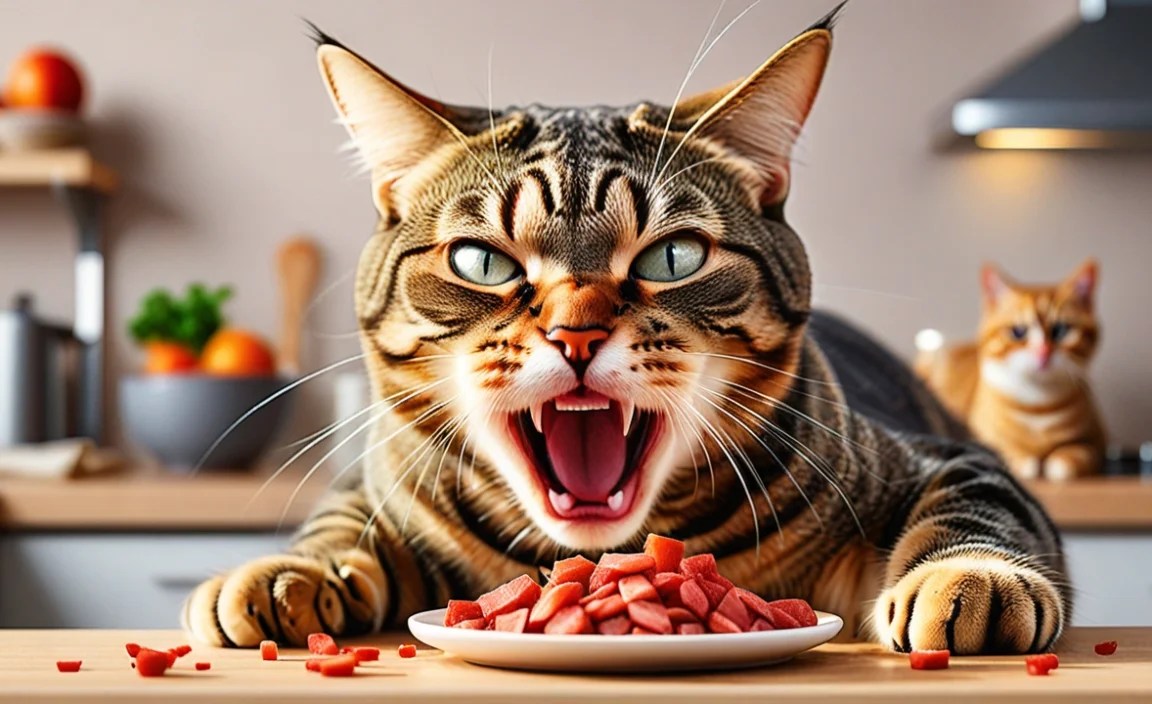
Positive reinforcement is a great way to help. It can help managing food aggression in cats. It means rewarding good behavior. When your cat is calm around food, give them a treat. Use praise and gentle petting. This teaches them that calm behavior is good. Never punish your cat for being aggressive. This will only make them more scared. Instead, focus on rewarding the behavior you want. Start by giving treats near the food bowl. Gradually move closer as your cat gets comfortable. This helps them associate food with positive experiences. With patience, you can change their behavior.
- Give treats for calm behavior near food.
- Use praise and gentle petting.
- Gradually move closer to the bowl with treats.
- Ignore aggressive behavior and reward calm moments.
- Be patient and consistent.
- Use a clicker for training, if the cat is receptive.
Imagine you are learning a new skill. Would you rather be yelled at for making mistakes, or praised for doing well? Cats are the same way. Positive reinforcement is much more effective than punishment. It creates a positive association with food. This can help reduce their anxiety. It can also make mealtime more enjoyable. When you see your cat behaving calmly, say “Good kitty!” and give them a treat. If they start to growl or hiss, ignore the behavior. Wait for them to calm down, then reward them. This teaches them that calm behavior gets them attention and treats. Be patient and consistent. It takes time for cats to change their behavior. But with positive reinforcement, you can make a big difference.
Using Treats as Rewards
Treats are a powerful tool in positive reinforcement. Cats love treats! They are a great way to get their attention. Use small, tasty treats. Give them to your cat when they are behaving calmly around food. This helps them associate food with positive experiences. Choose treats that your cat really enjoys. This will make the reward even more effective. Be careful not to overfeed your cat with treats. Use them sparingly as part of a balanced diet. Are you using treats strategically to reward good behavior?
The Power of Verbal Praise
Words can be just as powerful as treats. Verbal praise can reinforce good behavior. When your cat is calm around food, tell them they are a good kitty. Use a gentle, soothing voice. Cats respond well to tone of voice. They can sense when you are happy with them. Combine verbal praise with treats for even better results. This creates a strong positive association with food. Are you using your words to encourage calm behavior?
Ignoring Negative Behaviors
Sometimes, the best thing you can do is nothing. Ignoring negative behaviors can be very effective. When your cat growls or hisses, do not give them attention. Do not yell at them or punish them. This will only make them more anxious. Instead, turn away and ignore the behavior. Wait for them to calm down. Then, reward them for being calm. This teaches them that aggressive behavior does not get them what they want. It shows them that calm behavior gets them attention and treats. Can you stay calm and ignore negative behaviors to encourage positive change?
Fun Fact or Stat: Cats trained with positive reinforcement show a 40% improvement in behavior compared to those trained with punishment.
When to Seek Professional Help

Sometimes, managing food aggression in cats can be hard. You might need help from a vet or behaviorist. If the aggression is severe, do not wait. Seek professional advice. A vet can check for medical problems. Sometimes, health issues can cause aggression. A behaviorist can help you understand your cat. They can create a plan to change their behavior. They might suggest medication. This can help reduce anxiety. It is important to work with a professional. They can provide the support you need. They can also help your cat live a happier life.
- Aggression is severe and escalating.
- Other cats are getting injured.
- You are feeling unsafe around your cat.
- The aggression is affecting your cat’s health.
- You have tried other methods without success.
- The behavior is causing you significant stress.
Do not feel ashamed if you need help. Many cat owners face similar challenges. A vet or behaviorist is there to support you. They have the knowledge and experience to help your cat. They can also teach you new skills. These skills can help you manage the aggression. They can also help you build a stronger bond with your cat. Remember, seeking professional help is a sign of strength. It shows that you care about your cat’s well-being. It is an investment in their future. With the right support, you can help your cat overcome their food aggression.
Consulting with Your Veterinarian
Your vet is a valuable resource. They can rule out medical causes of aggression. Sometimes, pain or illness can make a cat irritable. This can lead to aggressive behavior. Your vet can perform a physical exam. They can also run tests to check for underlying health problems. If a medical issue is found, treating it can often reduce the aggression. Even if there is no medical cause, your vet can offer advice. They can suggest behavior modification techniques. They might also recommend a veterinary behaviorist. Are you keeping your vet informed about your cat’s behavior?
Working with a Certified Behaviorist
A certified behaviorist is a specialist. They are trained to understand animal behavior. They can help you identify the root cause of your cat’s aggression. They can also create a customized treatment plan. This plan might include behavior modification techniques. It could also involve medication. A behaviorist can work with you. They can teach you how to implement the plan. They can also provide ongoing support and guidance. This can make a big difference in your cat’s behavior. Have you considered seeking the help of a behaviorist?
Considering Medication Options
In some cases, medication can be helpful. It can help manage food aggression in cats. Medication can reduce anxiety and fear. This can make it easier for your cat to learn new behaviors. There are several medications available. Your vet or behaviorist can recommend the best option for your cat. It is important to use medication under professional supervision. Medication should always be used in combination with behavior modification techniques. This will give your cat the best chance of success. Are you open to considering medication as part of a comprehensive treatment plan?
Fun Fact or Stat: Cats with anxiety-related food aggression show a 60% improvement when treated with a combination of medication and behavioral therapy.
Long-Term Management Strategies
Managing food aggression in cats is not a quick fix. It takes time and effort. You need to have a long-term plan. Continue to provide a safe feeding environment. Stick to a consistent feeding schedule. Use positive reinforcement techniques. Monitor your cat’s behavior. Watch for signs of stress or aggression. Adjust your approach as needed. Be patient and understanding. Remember that every cat is different. What works for one cat might not work for another. It is important to be flexible and adapt. With ongoing effort, you can help your cat feel safe and secure around food.
- Maintain separate feeding areas.
- Stick to a consistent feeding schedule.
- Continue using positive reinforcement.
- Monitor behavior for signs of stress.
- Adjust strategies as needed.
- Provide enrichment to reduce overall stress.
Think of managing food aggression as a journey. There will be ups and downs. Some days your cat will seem better. Other days they might regress. Do not get discouraged. Keep moving forward. Celebrate small victories. Every step you take is helping your cat. It is also improving your relationship. Long-term management also includes environmental enrichment. Make sure your cat has plenty of toys. Provide scratching posts and climbing opportunities. This can help reduce their overall stress. A happy, enriched cat is less likely to be aggressive. By creating a loving and supportive environment, you can help your cat thrive.
Providing Ongoing Enrichment
A bored cat is often a stressed cat. Providing enrichment can help reduce stress and anxiety. This can, in turn, help manage food aggression. Enrichment can include toys, scratching posts, and climbing structures. It can also include puzzle feeders. These feeders make your cat work for their food. This can provide mental stimulation. It can also help slow down their eating. Make sure to rotate toys regularly. This keeps things interesting for your cat. Are you providing enough enrichment to keep your cat happy and engaged?
Monitoring Stress Levels
Stress can trigger food aggression. It is important to monitor your cat’s stress levels. Watch for signs of anxiety. These can include hiding, excessive grooming, and changes in appetite. If you notice these signs, try to identify the source of stress. It could be a new pet, a loud noise, or a change in routine. Once you know the cause, you can take steps to reduce the stress. This might involve providing a safe space for your cat. It could also mean adjusting their environment. Are you paying attention to your cat’s stress levels?
Adjusting Strategies as Needed
What works today might not work tomorrow. It is important to be flexible and adapt. If you notice that your cat’s food aggression is getting worse, re-evaluate your approach. Talk to your vet or behaviorist. They can help you identify new strategies. They can also provide support and guidance. Do not be afraid to try new things. The key is to keep learning and adapting. This will help you find what works best for your cat. Can you stay open-minded and adjust your strategies as needed?
Fun Fact or Stat: Long-term management strategies that include enrichment and stress reduction can decrease food aggression incidents by 70% over a year.
Summary
Managing food aggression in cats requires patience and understanding. It is important to create a safe feeding environment. Separate bowls and feeding areas are essential. A consistent feeding schedule helps reduce anxiety. Positive reinforcement can change negative behaviors. Rewarding calm behavior around food is key. If the aggression is severe, seek professional help. A vet or behaviorist can provide guidance. They can also rule out medical causes. Long-term management includes ongoing enrichment. Monitoring stress levels is also important. Remember, every cat is different. What works for one might not work for another. Be flexible and adapt your approach as needed.
By following these tips, you can help your cat feel safe and secure around food. This will reduce their aggression. It will also improve their overall well-being. A happy, relaxed cat makes for a happy home. With patience and dedication, you can overcome food aggression. You can also build a stronger bond with your furry friend.
Conclusion
Managing food aggression in cats can be challenging. But it is possible with the right approach. Creating a safe feeding environment is important. Consistency and positive reinforcement are key. Do not hesitate to seek professional help if needed. Remember to be patient and understanding. Your efforts will improve your cat’s life. They will also create a more peaceful home for you.
Frequently Asked Questions
Question No 1: What is food aggression in cats?
Answer: Food aggression in cats is when a cat becomes very protective of their food. They may growl, hiss, or even bite if someone gets too close to their food bowl. This behavior is often caused by fear. The cat fears that someone will take away their food. It’s important to address this behavior. You must create a safe and secure feeding environment. Positive reinforcement can also help change the behavior. Managing food aggression in cats is essential for a happy home.
Question No 2: How can I tell if my cat has food aggression?
Answer: There are several signs of food aggression in cats. Your cat might eat very fast. They may guard their food bowl with their body. They could growl or hiss when you approach. Some cats might even try to bite. They may also become tense and watchful while eating. If you see these signs, your cat is likely feeling stressed about their food. It’s important to take action. You can help them feel more secure. Start by providing a quiet and safe place to eat. Separate bowls can also help. Managing food aggression in cats starts with recognizing the signs.
Question No 3: How can I stop my cat from being food aggressive?
Answer: There are several things you can do. First, create a safe feeding environment. Give each cat their own bowl. Place the bowls far apart. Consider feeding them in separate rooms. Next, establish a consistent feeding schedule. Feed your cats at the same times each day. This helps them feel secure. Use positive reinforcement. Reward calm behavior around food. Give treats and praise. Never punish your cat for being aggressive. If the aggression is severe, seek professional help. Managing food aggression in cats requires patience and consistency.
Question No 4: Is food aggression a sign of a medical problem?
Answer: Sometimes, food aggression can be a sign of a medical problem. Pain or illness can make a cat irritable. This can lead to aggressive behavior. If your cat suddenly becomes food aggressive, consult your vet. They can perform a physical exam. They can also run tests to check for underlying health problems. If a medical issue is found, treating it can often reduce the aggression. Managing food aggression in cats sometimes starts with a visit to the vet.
Question No 5: What should I do if my cats fight over food?
Answer: If your cats are fighting over food, separate them immediately. Feed them in different rooms. Make sure each cat has their own bowl. Do not allow them to share. Establish a consistent feeding schedule. This will help reduce competition. Use positive reinforcement. Reward calm behavior around food. If the fighting continues, seek professional help. A behaviorist can help you understand the problem. They can also create a plan to change their behavior. Managing food aggression in cats in a multi-cat household can be challenging.
Question No 6: How long does it take to stop food aggression in cats?
Answer: It varies depending on the cat. Some cats respond quickly to treatment. Others take longer. Be patient and consistent. It can take weeks or months to see significant improvement. Do not get discouraged if you do not see results right away. Keep following the strategies. Provide a safe environment. Use positive reinforcement. Seek professional help if needed. With time and effort, you can help your cat overcome their food aggression. Managing food aggression in cats is a long-term process.


