
Behavioral Problems in British Shorthairs? Get Smart Tips!

Have you ever seen a cat act strangely? Sometimes, cats do things we don’t understand. British Shorthair cats are usually calm. But, they can still have behavioral problems. Why do these problems happen? How can we help our furry friends? Let’s explore the world of behavioral problems in British Shorthair cats. We will learn how to keep them happy and healthy.
Key Takeaways
- Early socialization can help prevent many behavioral problems in British Shorthair cats.
- Consistent routines and a stable environment reduce stress and anxiety in cats.
- Provide enough toys and scratching posts to satisfy a cat’s natural instincts.
- Ignoring your cat can lead to attention-seeking behaviors like excessive meowing.
- Consult a vet or behaviorist for persistent or severe behavioral issues.
Understanding Common Cat Behavioral Problems
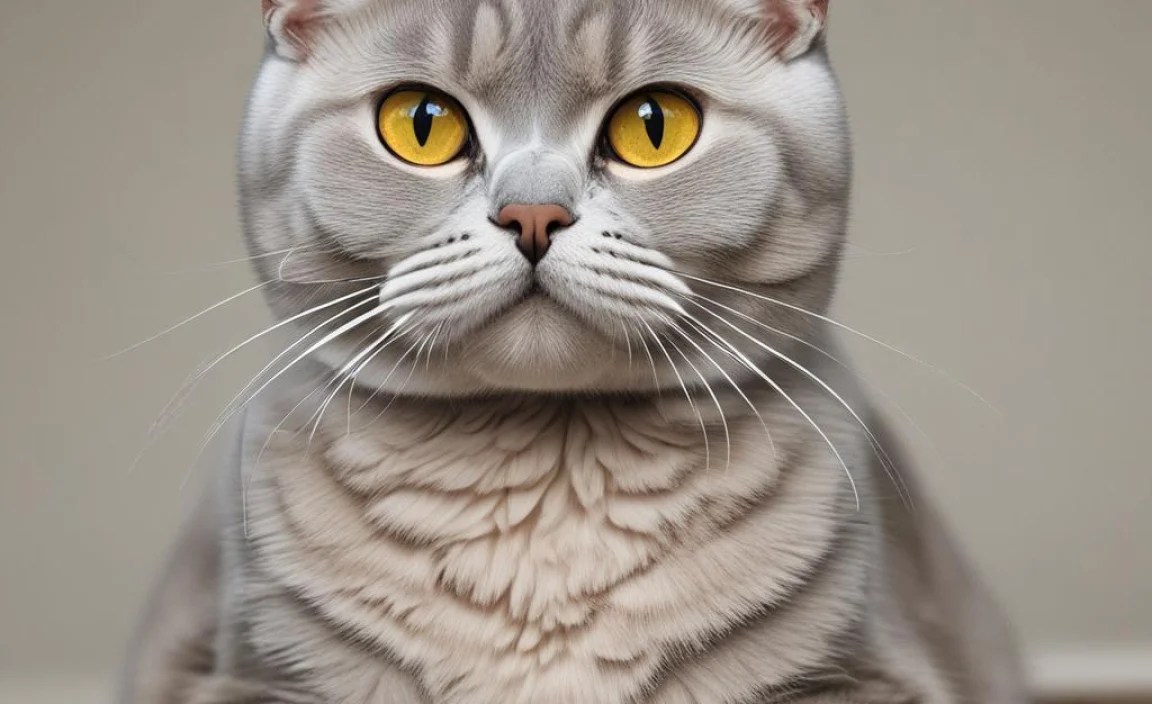
Cats are complex creatures. They have unique ways of showing emotions. Sometimes, these behaviors seem odd to us. Behavioral problems can range from mild to severe. Some common issues include aggression, anxiety, and destructive scratching. Cats might also start avoiding the litter box. These behaviors can stem from many things. Stress, boredom, or medical issues can be factors. Understanding these issues is key. It helps us provide better care for our cats. Addressing these problems early is important. It helps prevent them from becoming habits. A happy cat makes a happy home.
- Aggression can be directed towards people or other pets.
- Anxiety often shows as hiding or excessive grooming.
- Destructive scratching ruins furniture and carpets.
- Litter box avoidance is a sign of stress or health issues.
- Excessive meowing can mean the cat wants attention.
Addressing these behavioral problems requires patience. It also needs understanding. Start by ruling out any medical causes. A vet can help with this. Next, think about the cat’s environment. Is there enough enrichment? Do they feel safe? Changes in the home can also affect behavior. New pets or people can cause stress. Providing a stable and loving home is vital. Positive reinforcement is more effective than punishment. Reward good behavior with treats or praise. This will help your cat learn what you expect. With time and care, you can help your cat overcome these issues.
Fun Fact or Stat: Did you know that 30% of cats will experience a behavioral problem in their lifetime?
Why Is My Cat Suddenly Hiding?
Have you ever wondered why your cat suddenly hides? Imagine this: a loud thunderstorm rolls in. Your cat, usually playful, darts under the bed. They stay there, trembling. This is a common reaction to fear or stress. Cats hide when they feel unsafe. New environments, loud noises, or unfamiliar people can trigger this. Sometimes, hiding is a sign of illness. If your cat hides for extended periods, it’s best to consult a vet. Creating safe spaces can help. Provide cozy beds or quiet corners. These spots give your cat a place to retreat when they feel overwhelmed. Understanding why your cat hides is the first step in helping them feel secure.
Can Diet Affect My Cat’s Behavior?
Did you know that what your cat eats can affect their behavior? Just like us, cats need a balanced diet. A poor diet can lead to health issues. It can also affect their mood and energy levels. Some cats are sensitive to certain ingredients. These ingredients can cause digestive problems or skin issues. These discomforts can lead to irritability and behavioral changes. Make sure your cat gets high-quality food. Look for foods with real meat as the main ingredient. Avoid foods with lots of fillers or artificial additives. A healthy diet supports both physical and mental well-being. This can result in a happier, more balanced cat.
What Does It Mean When My Cat Kneads?
Have you ever seen your cat kneading? They push their paws into a soft surface. They may purr contentedly. This behavior is often seen as a sign of comfort. Kittens knead their mothers to stimulate milk flow. Adult cats may knead to recreate that comforting feeling. Some cats knead before settling down for a nap. It’s like they’re making the perfect spot. This behavior is usually harmless. However, some cats may extend their claws. This can be a bit painful! If your cat’s kneading bothers you, gently redirect them. Place a soft blanket between them and your lap. Enjoy this display of affection from your furry friend.
Addressing Aggression in British Shorthairs

Aggression in cats can be scary and confusing. It’s not always easy to understand why a cat is acting aggressively. There are different types of aggression. Fear aggression happens when a cat feels threatened. Territorial aggression occurs when a cat defends its space. Play aggression can happen when a cat gets too excited during play. Identifying the type of aggression is key. It helps you address the root cause. Never punish an aggressive cat. This can make the problem worse. Instead, focus on creating a safe and calm environment. Consult with a vet or a cat behaviorist for help. They can provide guidance and support.
- Fear aggression: Cat feels threatened and lashes out.
- Territorial aggression: Cat defends its space from intruders.
- Play aggression: Cat gets too rough during playtime.
- Redirected aggression: Cat attacks something else out of frustration.
- Pain-induced aggression: Cat is in pain and becomes aggressive.
To manage aggression, try to identify triggers. What makes your cat angry or scared? Once you know the triggers, you can avoid them. Provide your cat with plenty of safe spaces. This allows them to retreat when they feel overwhelmed. Use toys to redirect aggressive energy. A fishing pole toy can be a great option. It lets your cat chase and pounce without attacking you. If the aggression is severe, seek professional help. A behaviorist can assess your cat’s behavior. They can create a plan to address the issue. Remember, patience and understanding are crucial.
Fun Fact or Stat: British Shorthairs tend to be less aggressive than some other breeds, but early socialization is still key.
How Do I Stop My Cat From Biting?
Does your cat sometimes bite you? This can be painful and confusing. Cats bite for different reasons. Sometimes, it’s a sign of affection. Other times, it’s a warning to stop. Understanding why your cat bites is important. If your cat bites during play, they may be overstimulated. Stop the play session immediately. This teaches them that biting ends the fun. If your cat bites when you pet them, they may be telling you they’ve had enough. Respect their boundaries. Avoid petting them in areas they don’t like. Never punish your cat for biting. This can make them fearful and more likely to bite. Instead, focus on positive reinforcement. Reward gentle behavior with treats and praise.
Why Does My Cat Attack My Feet?
Have you ever been ambushed by your cat? They hide and then attack your feet as you walk by. This is a common behavior, especially in young cats. It’s often a sign of boredom or pent-up energy. Cats are natural hunters. They need to express their hunting instincts. If they don’t have enough outlets, they may target your feet. Provide your cat with plenty of toys. Rotate the toys to keep them interested. Play with your cat regularly. This helps them burn off energy and satisfy their hunting instincts. Try using a fishing pole toy. This allows them to chase and pounce without attacking your feet. A tired cat is less likely to attack.
Can Stress Cause Aggression in Cats?
Yes, stress can definitely cause aggression in cats. When cats feel stressed, they become more reactive. They may lash out at people or other animals. Stress can come from many sources. Changes in the home, loud noises, or new pets can be stressful. Even something as simple as rearranging furniture can upset a cat. To reduce stress, create a stable and predictable environment. Provide your cat with safe spaces where they can retreat. Use calming pheromone diffusers to help them feel more secure. If you know your cat is sensitive to certain things, try to avoid them. A calm cat is a happier and less aggressive cat.
Anxiety And Stress-Related Behaviors In Cats

Anxiety can affect cats just like it affects people. Stressed cats might show it in many ways. They might hide more, groom too much, or stop using their litter box. Some might even become aggressive. It’s important to know what causes stress in cats. Changes at home, loud noises, or new pets can be triggers. Even being alone too long can make a cat anxious. If you think your cat is anxious, there are things you can do. Make sure they have safe places to hide. Try using calming sprays or diffusers. Spend time playing with them to ease their stress. If things don’t get better, ask your vet for help.
- Hiding more than usual
- Excessive grooming, leading to bald spots
- Changes in appetite, either eating too much or too little
- Avoiding the litter box
- Increased vocalization, such as meowing or howling
- Becoming more clingy or, conversely, more withdrawn
Helping an anxious cat takes patience and understanding. First, try to find out what’s causing the stress. Once you know the cause, you can start to fix it. If it’s a new pet, give your cats time to get used to each other. Make sure they each have their own space and resources. If it’s loud noises, try to block them out. Close windows and use white noise to cover the sounds. Regular playtime can also help. It gives your cat a way to release energy and feel more secure. Remember, a calm and stable home is key to a happy cat.
Fun Fact or Stat: About 1 in 5 cats show signs of anxiety, but many cases go unreported.
How Can I Tell If My Cat Is Stressed?
It can be tricky to know if your cat is stressed. Cats are good at hiding their feelings. But there are some signs you can look for. A stressed cat might hide more than usual. They might also groom themselves too much. This can lead to bald spots. Changes in appetite are another sign. Some cats eat more when stressed. Others eat less. They might also start avoiding the litter box. If you notice these signs, try to figure out what’s causing the stress. Then, take steps to make your cat feel safer and more secure.
Are Pheromone Diffusers Safe for Cats?
Have you heard of pheromone diffusers for cats? These devices release synthetic pheromones. Pheromones are natural chemicals that cats use to communicate. The diffusers mimic these pheromones. They can help cats feel calmer and more secure. Many cat owners find them helpful. They can reduce stress-related behaviors like hiding or scratching. Pheromone diffusers are generally safe for cats. However, it’s always a good idea to check the ingredients. Make sure there are no harmful chemicals. Also, place the diffuser in a well-ventilated area. This helps ensure your cat’s safety and comfort.
Can I Cuddle My Cat to Reduce Anxiety?
Cuddling can be a great way to comfort your cat. But it’s important to know when your cat wants to be cuddled. Some cats love to be held and petted. Others prefer to keep their distance. If your cat is already stressed, forcing a cuddle might make things worse. Instead, let your cat come to you. Offer a gentle hand for them to sniff. If they rub against you, they’re inviting you to pet them. If they pull away, respect their wishes. A calm and willing cat is more likely to benefit from cuddling. It can help them feel loved and secure.
Destructive Scratching Solutions For Cats

Scratching is a natural behavior for cats. They scratch to sharpen their claws. They also mark their territory. But, scratching can become a problem. Cats may scratch furniture, carpets, or walls. This can be frustrating for owners. Understanding why cats scratch is important. It helps you find solutions. Provide your cat with appropriate scratching posts. Place them in areas where your cat likes to scratch. Make the posts appealing by using catnip. Protect your furniture with covers or deterrent sprays. Never punish your cat for scratching. This can cause fear and anxiety. With patience and the right tools, you can redirect scratching behavior.
- Provide multiple scratching posts of different materials.
- Place scratching posts near areas where your cat already scratches.
- Use catnip to attract your cat to the scratching post.
- Protect furniture with covers or deterrent sprays.
- Trim your cat’s nails regularly to reduce damage.
- Make furniture less appealing by using double-sided tape.
To stop destructive scratching, you need to offer alternatives. Scratching posts are a must-have for every cat. They come in different shapes and sizes. Some are vertical posts, others are horizontal pads. Experiment to see what your cat prefers. Place the posts in areas where your cat spends time. Near their favorite sleeping spot is a good choice. Make the posts attractive by rubbing them with catnip. If your cat is already scratching furniture, try covering it. Use blankets or plastic covers. This makes the furniture less appealing. You can also use deterrent sprays. These sprays have a scent that cats don’t like. Over time, your cat will learn to scratch the posts instead of the furniture.
Fun Fact or Stat: Cats scratch to remove the dead outer layer of their claws and to mark their territory with scent glands in their paws.
Why Does My Cat Scratch After Using The Litter Box?
Have you noticed your cat scratching after using the litter box? This behavior is perfectly normal. Cats scratch to cover their waste. It’s an instinct they inherited from their wild ancestors. Even if they’re using a covered litter box, they may still scratch. They’re just following their natural instincts. Some cats also scratch to mark their territory. They have scent glands in their paws. Scratching releases these scents. This helps them claim the litter box as their own. So, don’t worry if your cat scratches after using the litter box. It’s just a normal part of being a cat.
What Are The Best Materials For Scratching Posts?
Choosing the right scratching post material is important. Different cats have different preferences. Some cats like sisal fabric. It’s durable and provides a good texture for scratching. Other cats prefer cardboard. Cardboard scratchers are often cheap and easy to replace. Some cats enjoy scratching wood. A wooden post can be a sturdy and long-lasting option. Experiment with different materials to see what your cat likes best. You can even offer a variety of scratching posts. This gives your cat options and prevents boredom. A happy cat is a cat that has its scratching needs met.
How Can I Protect My Furniture From Cat Scratches?
Protecting your furniture from cat scratches can be a challenge. But there are several things you can try. First, provide your cat with plenty of scratching posts. Place them near your furniture. This gives your cat an alternative place to scratch. You can also use furniture covers. These covers protect your furniture from scratches and stains. Another option is to use deterrent sprays. These sprays have a scent that cats don’t like. They discourage cats from scratching the treated areas. You can also try trimming your cat’s nails regularly. This reduces the damage they can do. With a little effort, you can keep your furniture safe from cat scratches.
Litter Box Problems In British Shorthair Cats

Litter box problems are common in cats. They can be frustrating for owners. A cat might stop using the litter box for several reasons. Medical issues can cause pain when urinating. Stress or anxiety can also lead to litter box avoidance. The type of litter can also be a factor. Some cats are picky about the texture or scent. Older cats may have trouble getting in and out of the box. It’s important to figure out why your cat is avoiding the litter box. This helps you find the right solution. A clean and accessible litter box is essential for a happy cat.
| Problem | Possible Cause | Solution |
|---|---|---|
| Avoiding litter box | Medical issue | Visit the vet |
| Spraying | Territorial marking | Clean area, use pheromones |
| Urinating outside box | Litter box aversion | Change litter, clean box |
| Defecating outside box | Stress, diet | Reduce stress, adjust diet |
To solve litter box problems, start by ruling out medical causes. Take your cat to the vet for a checkup. If there’s no medical issue, look at the litter box. Is it clean? Cats prefer a clean litter box. Scoop it daily and change the litter regularly. The type of litter is also important. Try different types to see what your cat likes. Some cats prefer unscented litter. Others like clumping litter. Make sure the litter box is easy to access. Older cats may need a box with a lower entry. Place the box in a quiet and private area. This helps your cat feel safe and secure when using it.
Fun Fact or Stat: Cats are very particular about their litter boxes. Some cats prefer a different litter box for urination and defecation.
Why Is My Cat Suddenly Not Using The Litter Box?
A cat suddenly avoiding the litter box can be alarming. There are many reasons why this might happen. Medical issues are a common cause. Urinary tract infections or bladder stones can make urinating painful. This can cause your cat to associate the litter box with pain. Stress or anxiety can also play a role. Changes in the home, new pets, or loud noises can all cause stress. The litter box itself might be the problem. It might be too dirty, too small, or in a bad location. Try to identify the cause and take steps to fix it. A healthy and happy cat will usually use the litter box.
How Often Should I Clean My Cat’s Litter Box?
Cleaning your cat’s litter box is essential. It keeps your cat happy and healthy. A dirty litter box can deter your cat from using it. This can lead to accidents outside the box. You should scoop the litter box daily. This removes solid waste and clumps of urine. You should also change the litter completely at least once a week. Wash the litter box with soap and water. Avoid using harsh chemicals. Cats don’t like strong scents. A clean litter box is a happy litter box. And a happy cat is more likely to use it.
Can The Location Of The Litter Box Affect My Cat?
Yes, the location of the litter box can affect your cat. Cats prefer a quiet and private place to do their business. A litter box in a busy or noisy area can cause stress. This can lead to litter box avoidance. Place the litter box in a location where your cat feels safe and secure. Avoid placing it near loud appliances or in high-traffic areas. Make sure the litter box is easily accessible. Older cats may have trouble climbing stairs. If you have multiple cats, provide multiple litter boxes. This prevents competition and ensures everyone has a place to go. A well-placed litter box can make all the difference.
Excessive Meowing In British Shorthairs

Cats meow for different reasons. They meow to greet you. They meow when they’re hungry. They meow to get your attention. But, excessive meowing can be a sign of a problem. Medical issues can cause increased vocalization. Cognitive dysfunction (dementia) can make cats confused. They might meow more. Boredom or loneliness can also lead to excessive meowing. If your cat is meowing a lot, try to figure out why. Is there a medical problem? Are they bored? Are they lonely? Addressing the cause can help reduce the meowing. A quiet cat can bring peace to your home.
- Medical issues, such as hyperthyroidism
- Cognitive dysfunction (dementia) in older cats
- Attention-seeking behavior
- Boredom or loneliness
- Hunger or thirst
- Stress or anxiety
To reduce excessive meowing, start by ruling out medical issues. Take your cat to the vet for a checkup. If there’s no medical problem, look at their environment. Are they getting enough attention? Do they have enough toys? Do they have a comfortable place to sleep? Provide your cat with plenty of enrichment. Play with them regularly. Give them toys to play with when you’re not around. Make sure they have a cozy bed. If the meowing is attention-seeking, try ignoring it. Don’t give in to their demands. This can reinforce the behavior. With patience and understanding, you can manage excessive meowing.
Fun Fact or Stat: British Shorthairs are not typically known for being overly vocal, so excessive meowing should be investigated.
Why Is My Cat Meowing At Night?
A cat meowing at night can be disruptive. There are several reasons why this might happen. Boredom is a common cause. Cats are often more active at night. If they’re not getting enough stimulation during the day, they may meow at night to get your attention. Hunger can also be a factor. If your cat is hungry, they may meow to let you know. Medical issues can also cause nighttime meowing. Cognitive dysfunction (dementia) can make older cats disoriented. This can lead to increased vocalization. Try to figure out the cause and take steps to address it. A good night’s sleep is important for both you and your cat.
How Can I Stop My Cat From Meowing For Food?
A cat meowing for food can be persistent. It can be hard to resist those cute little meows. But giving in can reinforce the behavior. The best way to stop this is to establish a feeding routine. Feed your cat at the same times each day. Avoid giving them food outside of these times. If your cat meows for food, ignore them. Don’t give in to their demands. This teaches them that meowing doesn’t get them what they want. You can also try using an automatic feeder. This dispenses food at set times. This can help reduce their reliance on you for food.
Does My Cat Meow More When I’m Away?
You might wonder if your cat meows more when you’re away. Some cats do experience separation anxiety. This can lead to increased vocalization when their owners are gone. Other cats may simply be bored or lonely. If you think your cat has separation anxiety, try providing them with enrichment. Leave out toys for them to play with. Consider getting a companion animal. A friend can help them feel less lonely. You can also try using a pheromone diffuser. This can help them feel calmer and more secure. A happy and secure cat is less likely to meow excessively.
Summary
Behavioral problems in British Shorthair cats can be challenging. But, with understanding and patience, they can be managed. Common issues include aggression, anxiety, destructive scratching, litter box avoidance, and excessive meowing. Identifying the cause of the behavior is key. Medical issues, stress, boredom, or environmental factors can all play a role. Providing a stable and enriching environment is essential. This includes plenty of toys, scratching posts, and safe spaces. Positive reinforcement is more effective than punishment. Consult with a vet or behaviorist for help. They can provide guidance and support. With the right approach, you can help your cat live a happy and healthy life.
Conclusion
Understanding behavioral problems in British Shorthair cats is important for their well-being. Addressing these issues early can prevent them from becoming habits. Provide a stable environment. Offer plenty of enrichment. Seek professional help when needed. With patience and care, you can help your furry friend thrive. A happy cat makes a happy home. By addressing behavioral problems, you can strengthen your bond with your cat. This makes for a more enjoyable relationship for both of you.
Frequently Asked Questions
Question No 1: Why is my British Shorthair cat suddenly aggressive?
Answer: Sudden aggression in your British Shorthair could stem from several reasons. A common cause is a medical issue. Pain or discomfort can make a cat lash out. Stress from changes in the home can also trigger aggression. New pets, loud noises, or even rearranged furniture can be stressful. Territorial issues can also cause aggression, especially if there are other cats in the house. It’s important to rule out medical causes first. Then, try to identify any stressors in your cat’s environment. Consult with your vet or a cat behaviorist for help.
Question No 2: How can I stop my British Shorthair cat from scratching my furniture?
Answer: Scratching is a natural behavior for cats. They do it to sharpen their claws and mark their territory. The key is to redirect this behavior to appropriate scratching posts. Provide multiple scratching posts of different materials. Sisal, cardboard, and wood are popular choices. Place the posts near areas where your cat already scratches. Use catnip to attract your cat to the posts. Protect your furniture with covers or deterrent sprays. Trim your cat’s nails regularly to reduce damage. Never punish your cat for scratching furniture. This can cause fear and anxiety. Instead, reward them for using the scratching posts.
Question No 3: What are some signs of anxiety in British Shorthair cats?
Answer: Anxiety in British Shorthair cats can manifest in several ways. Common signs include hiding more than usual. Cats may also groom excessively, leading to bald spots. Changes in appetite, either eating too much or too little, can be a sign. Some cats may avoid the litter box or start spraying. Increased vocalization, such as meowing or howling, is another sign. Anxious cats may become more clingy or, conversely, more withdrawn. If you notice these signs, try to identify the cause of the stress. Provide your cat with safe spaces and calming aids like pheromone diffusers.
Question No 4: My British Shorthair cat has stopped using the litter box. What should I do?
Answer: Litter box avoidance is a common problem in cats. There are several reasons why your British Shorthair might stop using the litter box. A medical issue is the first thing to rule out. Urinary tract infections or bladder stones can make urinating painful. This can cause your cat to associate the litter box with pain. Stress or anxiety can also play a role. The litter box itself might be the problem. It might be too dirty, too small, or in a bad location. Make sure the litter box is clean, accessible, and in a quiet area. Try different types of litter to see what your cat prefers.
Question No 5: How can I address excessive meowing in my British Shorthair cat?
Answer: Excessive meowing can be a sign of various underlying issues. Start by ruling out any medical causes. Hyperthyroidism or cognitive dysfunction can cause increased vocalization. If there’s no medical problem, consider other factors. Your cat might be bored, lonely, or seeking attention. Provide plenty of enrichment, such as toys and playtime. If the meowing is attention-seeking, try ignoring it. Don’t give in to their demands. This can reinforce the behavior. Ensure your cat has a comfortable and safe environment. Sometimes, excessive meowing can indicate underlying behavioral problems in British Shorthair cats.
Question No 6: Are British Shorthair cats prone to certain behavioral problems?
Answer: British Shorthair cats are generally known for their calm and gentle nature. However, like all cats, they can experience behavioral problems. Common issues include anxiety, aggression, and litter box avoidance. Early socialization is key to preventing many of these problems. Expose your kitten to different people, places, and situations. Provide a stable and enriching environment. This can help reduce stress and anxiety. Regular playtime and mental stimulation are also important. If you notice any concerning behaviors, consult with your vet or a cat behaviorist. They can help you address the issue and ensure your cat’s well-being.


