
Protein Requirements for British Shorthair Kittens: Ultimate Guide

Quick Summary: British Shorthair kittens need a diet rich in protein to support their rapid growth and development. Aim for food with at least 30% protein on a dry matter basis. Always choose kitten-specific formulas from reputable brands, and adjust portion sizes as your kitten grows. Consult your vet for personalized advice.
Bringing a British Shorthair kitten into your home is such an exciting time! These little fluffballs are adorable, but they also have specific needs to ensure they grow into healthy, happy cats. One of the most important things to get right is their diet, especially their protein intake. It can be tricky figuring out exactly how much protein your kitten needs, and it’s easy to get overwhelmed by all the different food options out there. Don’t worry, I’m here to guide you through it step by step. Together, we’ll make sure your British Shorthair kitten gets the perfect balance of nutrients for a thriving start to life.
Understanding Protein Needs for Growing Kittens

Protein is the building block of life, and it’s especially crucial for kittens. It supports muscle development, bone growth, and a strong immune system. Unlike adult cats, kittens are growing rapidly, which means they need a higher percentage of protein in their diet. Think of it like this: they’re building a whole new body, and protein is their primary construction material.
Why is Protein So Important for British Shorthairs?
British Shorthairs are known for their sturdy build and muscular bodies. To achieve this, they need a good foundation of protein from kittenhood. Here’s why protein is vital:
- Muscle Development: Protein provides the amino acids needed to build and repair muscle tissue. This is especially important for British Shorthairs, which are naturally muscular cats.
- Bone Growth: Protein supports healthy bone development, ensuring your kitten grows strong and avoids skeletal issues later in life.
- Immune System Support: Amino acids derived from protein are essential for producing antibodies and immune cells. A strong immune system helps your kitten fight off infections and stay healthy.
- Energy: While fats and carbohydrates also provide energy, protein plays a significant role in keeping your active kitten fueled throughout the day.
How Much Protein Does Your British Shorthair Kitten Need?
The general recommendation is that kitten food should contain at least 30% protein on a dry matter basis. Dry matter basis simply means the percentage of protein after all the moisture has been removed from the food. This is important because wet food has a higher moisture content than dry food, so the percentage listed on the label can be misleading. Look for high-quality kitten food that clearly states the protein content.
According to the Association of American Feed Control Officials (AAFCO), kitten food should contain a minimum of 30% protein on a dry matter basis for proper growth and development. This ensures your kitten receives all the essential amino acids they need.
Choosing the Right Kitten Food

With so many options available, selecting the right food for your British Shorthair kitten can feel daunting. Here’s what to look for:
- Kitten-Specific Formula: Always choose food specifically formulated for kittens. These formulas are designed to meet the unique nutritional needs of growing cats, including higher protein and fat content.
- High-Quality Protein Source: Look for named protein sources like chicken, turkey, or fish as the first ingredient. Avoid foods that list “meat by-products” or “animal digest” as the primary protein source.
- AAFCO Statement: Make sure the food has an AAFCO statement indicating that it is complete and balanced for kittens. This ensures that the food meets the minimum nutritional requirements established by AAFCO.
- Reputable Brand: Choose a well-known and trusted brand with a good reputation for quality and safety. Do some research and read reviews to see what other cat owners have to say.
Dry vs. Wet Food: Which is Better for Protein?
Both dry and wet food can provide adequate protein for your kitten. Here’s a quick comparison:
- Dry Food: Generally higher in protein concentration and more cost-effective. It also helps promote dental health by reducing tartar buildup.
- Wet Food: Higher moisture content, which can help keep your kitten hydrated. It can also be more palatable for picky eaters.
Many owners choose to feed a combination of both wet and dry food to provide a balanced diet. If you opt for this approach, be sure to adjust portion sizes accordingly to avoid overfeeding.
Ingredients to Look For in Kitten Food
When evaluating kitten food, pay attention to the ingredient list. Here are some beneficial ingredients to look for:
- Named Protein Sources: Chicken, turkey, salmon, or lamb.
- Essential Fatty Acids: Omega-3 and omega-6 fatty acids for healthy skin and coat.
- Vitamins and Minerals: Vitamins A, D, E, and B vitamins, as well as minerals like calcium and phosphorus for bone health.
- Taurine: An essential amino acid for heart and eye health. Cats cannot produce taurine on their own, so it must be included in their diet.
Ingredients to Avoid in Kitten Food
Just as important as knowing what to look for is knowing what to avoid. Here are some ingredients that are best avoided:
- Artificial Colors, Flavors, and Preservatives: These additives offer no nutritional value and can potentially cause allergies or sensitivities.
- Fillers: Corn, wheat, and soy are common fillers that provide little nutritional value.
- Meat By-Products: Unless specifically named (e.g., chicken by-products), these can be low-quality protein sources.
- Excessive Carbohydrates: Cats are obligate carnivores, meaning they require a diet high in protein and low in carbohydrates.
Feeding Schedule and Portion Sizes
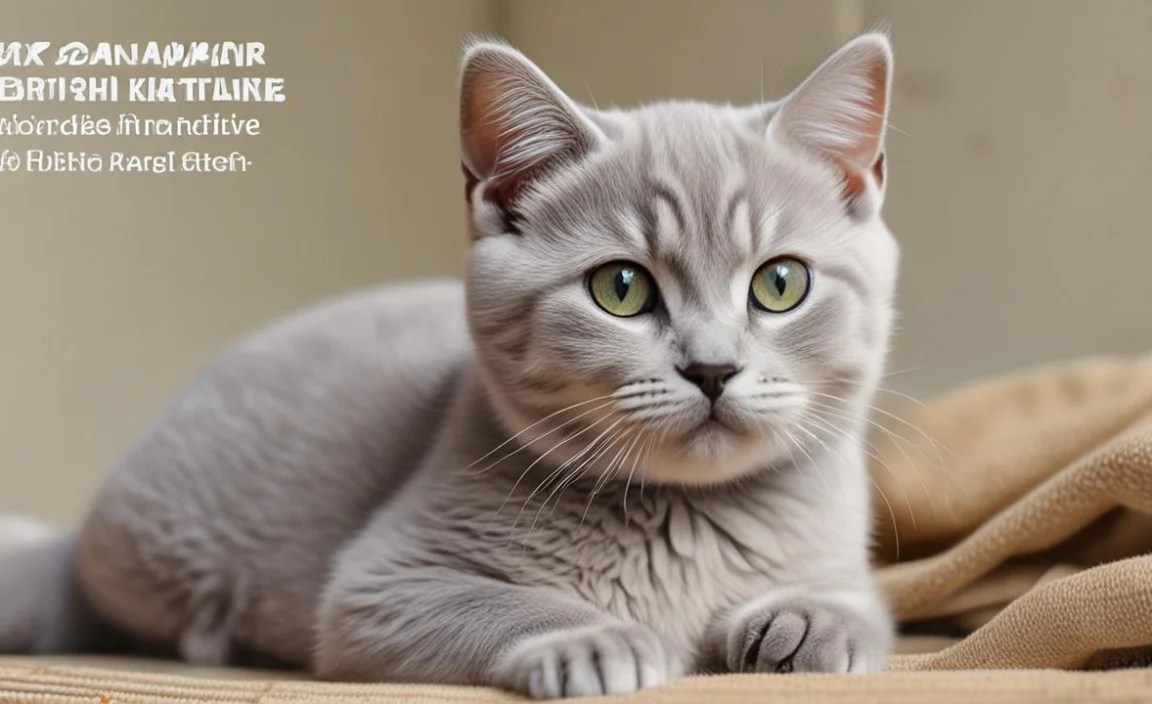
Establishing a consistent feeding schedule is important for your kitten’s health and well-being. Kittens have small stomachs and need to eat frequently throughout the day.
Recommended Feeding Schedule
Here’s a general guideline for feeding your British Shorthair kitten:
- 8-12 Weeks: Feed four times a day.
- 3-6 Months: Feed three times a day.
- 6-12 Months: Feed two times a day.
Always provide fresh water alongside their food. Cats are notorious for not drinking enough water, so make sure it’s easily accessible.
Determining the Right Portion Size
The amount of food your kitten needs will depend on their age, weight, activity level, and the specific food you’re feeding. Start by following the feeding guidelines on the food packaging. These guidelines are usually based on weight and age.
Here’s a sample feeding guide based on kitten’s age and weight. Remember, these are general guidelines, and you should always adjust based on your kitten’s individual needs:
| Age | Weight (lbs) | Approximate Daily Calorie Intake |
|---|---|---|
| 8-12 Weeks | 2-3 | 200-250 |
| 3-6 Months | 4-6 | 250-350 |
| 6-12 Months | 7-10 | 350-450 |
Monitor your kitten’s weight and body condition regularly. You should be able to feel their ribs easily, but they shouldn’t be visible. If your kitten is gaining too much weight, reduce their food intake. If they seem too thin, increase their portions.
Transitioning to Adult Food
Around 12 months of age, you can start transitioning your British Shorthair to adult cat food. This should be done gradually to avoid digestive upset. Mix a small amount of the new food with the old food, gradually increasing the proportion of the new food over a week or two.
Potential Problems and Solutions

Even with the best intentions, you might encounter some challenges when feeding your kitten. Here are some common problems and how to address them:
- Picky Eating: Some kittens are naturally picky eaters. Try offering different flavors and textures of food to see what your kitten prefers. Warming the food slightly can also make it more appealing.
- Digestive Issues: If your kitten experiences diarrhea or vomiting, it could be due to a food sensitivity or allergy. Consult your vet to rule out any underlying health issues and discuss potential dietary changes.
- Food Allergies: Common food allergens in cats include beef, dairy, and fish. If you suspect your kitten has a food allergy, your vet may recommend an elimination diet to identify the culprit.
- Overeating: Some kittens will eat everything in sight, which can lead to obesity. Measure out their food carefully and avoid leaving food out all day. Consider using a food puzzle to slow down their eating.
Supplements and Treats
While a high-quality kitten food should provide all the nutrients your British Shorthair needs, there are some situations where supplements might be beneficial.
When Supplements May Be Needed
Consult your vet before adding any supplements to your kitten’s diet. Some situations where supplements may be considered include:
- Digestive Issues: Probiotics can help support a healthy gut microbiome and improve digestion.
- Skin and Coat Problems: Omega-3 fatty acid supplements can help improve skin and coat health.
- Joint Support: Glucosamine and chondroitin supplements may be beneficial for kittens prone to joint issues.
Choosing Healthy Treats
Treats can be a great way to bond with your kitten and reward good behavior, but they should be given in moderation. Choose treats that are low in calories and made with high-quality ingredients. Avoid treats that contain artificial colors, flavors, or preservatives.
Here’s a quick guide to choosing the right treats and supplements for your British Shorthair kitten:
| Type | Benefits | Considerations |
|---|---|---|
| Probiotics | Supports gut health, aids digestion | Consult vet for dosage, choose kitten-specific formulas |
| Omega-3 Fatty Acids | Improves skin and coat health | Ensure purity, follow vet’s recommendations |
| Healthy Treats | Positive reinforcement, bonding | Low-calorie, natural ingredients, moderation is key |
Monitoring Your Kitten’s Growth and Health
Regular check-ups with your vet are essential for monitoring your kitten’s growth and health. Your vet can assess your kitten’s weight, body condition, and overall health, and provide personalized recommendations for their diet and care.
Signs of a Healthy Kitten
Here are some signs that your British Shorthair kitten is thriving:
- Healthy Weight: You should be able to feel their ribs easily, but they shouldn’t be visible.
- Shiny Coat: Their coat should be glossy and free of dandruff.
- Good Energy Levels: Your kitten should be playful and active.
- Regular Bowel Movements: Their stools should be firm and well-formed.
- Clear Eyes and Nose: There should be no discharge from their eyes or nose.
When to Consult Your Vet
Contact your vet if you notice any of the following signs:
- Loss of Appetite: If your kitten stops eating or shows a significant decrease in appetite.
- Vomiting or Diarrhea: Especially if it’s persistent or accompanied by other symptoms.
- Lethargy: If your kitten seems unusually tired or weak.
- Weight Loss: If your kitten is losing weight despite eating normally.
- Changes in Behavior: Any sudden or significant changes in your kitten’s behavior.
Frequently Asked Questions (FAQ)
1. How much protein should a British Shorthair kitten eat daily?
A British Shorthair kitten should eat food that contains at least 30% protein on a dry matter basis. The exact amount will depend on their age, weight, and activity level, so always follow the feeding guidelines on the food packaging and adjust as needed.
2. Can I give my kitten human food for protein?
While some human foods are safe for cats in small amounts, it’s best to stick to kitten-specific food to ensure they get all the nutrients they need. Never give your kitten foods that are toxic to cats, such as chocolate, onions, or garlic.
3. What are the best protein sources for British Shorthair kittens?
The best protein sources for kittens are named animal proteins like chicken, turkey, fish, or lamb. Look for these as the first ingredient in your kitten’s food.
4. Is it okay to give my kitten protein supplements?
In most cases, a high-quality kitten food will provide all the protein your kitten needs. Consult your vet before giving any supplements to ensure they are necessary and safe for your kitten.
5. How often should I feed my British Shorthair kitten?
Feed kittens 8-12 weeks old four times a day, kittens 3-6 months old three times a day, and kittens 6-12 months old two times a day.
6. What are the signs of protein deficiency in kittens?
Signs of protein deficiency in kittens can include poor growth, muscle weakness, a dull coat, and a weakened immune system. If you notice any of these signs, consult your vet.
7. Can my kitten have too much protein?
While protein is essential, excessive protein intake can put a strain on your kitten’s kidneys. Stick to the recommended protein levels for kitten food and avoid overfeeding.
Conclusion
Ensuring your British Shorthair kitten gets the right amount of protein is crucial for their growth, development, and overall health. By choosing a high-quality kitten food, following a consistent feeding schedule, and monitoring their weight and body condition, you can set them up for a lifetime of health and happiness. Remember, every kitten is unique, so always consult your vet for personalized advice and guidance. With the right care and attention, your British Shorthair kitten will thrive and become a beloved member of your family. Enjoy these precious early months, and watch your little fluffball grow into a strong, healthy, and happy cat!


