
Omega-3 Benefits for British Shorthairs: Powerful Health!

Quick Summary: Omega-3 fatty acids offer numerous health benefits for British Shorthairs, including reducing inflammation, promoting a healthy coat and skin, supporting joint health, and boosting cognitive function. Incorporating omega-3s into your British Shorthair’s diet can be done through supplements or omega-3-rich foods like fish oil, krill oil, or certain fortified cat foods. Always consult with your veterinarian before making significant dietary changes.
Is your British Shorthair scratching more than usual, or perhaps moving a bit stiffly? As a devoted British Shorthair owner, I understand how concerning it can be when our feline friends aren’t at their best. You’re likely searching for ways to improve their overall health and well-being. One simple solution that often gets overlooked is the power of omega-3 fatty acids.
Omega-3s are essential nutrients that can make a significant difference in your British Shorthair’s life. In this guide, I’ll walk you through the amazing benefits of omega-3s, how to incorporate them into your cat’s diet, and what to watch out for. Together, we’ll ensure your British Shorthair lives a happier, healthier life. Let’s dive in!
Understanding Omega-3 Fatty Acids

Omega-3 fatty acids are a type of polyunsaturated fat that are crucial for overall health. But what exactly are they, and why are they so important for your British Shorthair? Let’s break it down.
What are Omega-3s?
Omega-3 fatty acids are essential fats that the body cannot produce on its own. They must be obtained through diet or supplements. The primary omega-3s are:
- EPA (Eicosapentaenoic Acid): Known for its anti-inflammatory properties.
- DHA (Docosahexaenoic Acid): Crucial for brain and eye health.
- ALA (Alpha-Linolenic Acid): Found in plant-based sources, but cats don’t convert it to EPA and DHA efficiently.
Why are Omega-3s Important for British Shorthairs?
British Shorthairs, like all cats, benefit greatly from omega-3s. These fatty acids play a vital role in various bodily functions. Here’s why they are so important:
- Reducing Inflammation: Omega-3s help manage inflammatory conditions, such as arthritis and inflammatory bowel disease (IBD).
- Promoting Healthy Skin and Coat: They keep your cat’s coat shiny and skin healthy, reducing dryness and itchiness.
- Supporting Joint Health: Omega-3s can alleviate joint pain and stiffness, improving mobility.
- Boosting Cognitive Function: DHA is essential for brain health, supporting cognitive function, especially in kittens and senior cats.
- Cardiovascular Health: Omega-3s may help maintain a healthy heart.
The Top 5 Omega-3 Benefits for British Shorthairs

Let’s explore the specific ways omega-3 fatty acids can enhance your British Shorthair’s health and well-being.
1. Reducing Inflammation
One of the most significant benefits of omega-3s is their ability to reduce inflammation. Chronic inflammation can lead to various health issues, including arthritis, allergies, and inflammatory bowel disease (IBD). EPA and DHA work to counteract these inflammatory processes, providing relief and improving your cat’s quality of life. According to the Cornell Feline Health Center, omega-3 fatty acids can be a valuable tool in managing inflammatory conditions in cats.
2. Promoting a Healthy Coat and Skin
A healthy, glossy coat is a hallmark of a well-cared-for British Shorthair. Omega-3s play a vital role in maintaining skin and coat health by moisturizing the skin and reducing dryness and flakiness. They also help alleviate itchiness and reduce the occurrence of skin allergies. Regular intake of omega-3s can result in a softer, shinier coat and healthier skin for your feline friend.
3. Supporting Joint Health
Joint pain and stiffness can significantly impact your British Shorthair’s mobility and comfort. Omega-3s have been shown to help alleviate these issues by reducing inflammation in the joints. This can be particularly beneficial for older cats or those with arthritis. By incorporating omega-3s into their diet, you can help your cat stay active and comfortable.
4. Boosting Cognitive Function
DHA, a key omega-3 fatty acid, is essential for brain health and cognitive function. It supports learning, memory, and overall brain performance. This is especially important for kittens, as their brains are still developing, and for senior cats, who may experience cognitive decline. Omega-3s can help keep your British Shorthair mentally sharp and engaged throughout their life.
5. Supporting Cardiovascular Health
While more research is needed, some studies suggest that omega-3s can contribute to cardiovascular health in cats. They may help maintain healthy blood pressure and reduce the risk of heart-related issues. While this benefit is not as well-established as others, it’s another potential advantage of including omega-3s in your British Shorthair’s diet.
How to Incorporate Omega-3s into Your British Shorthair’s Diet
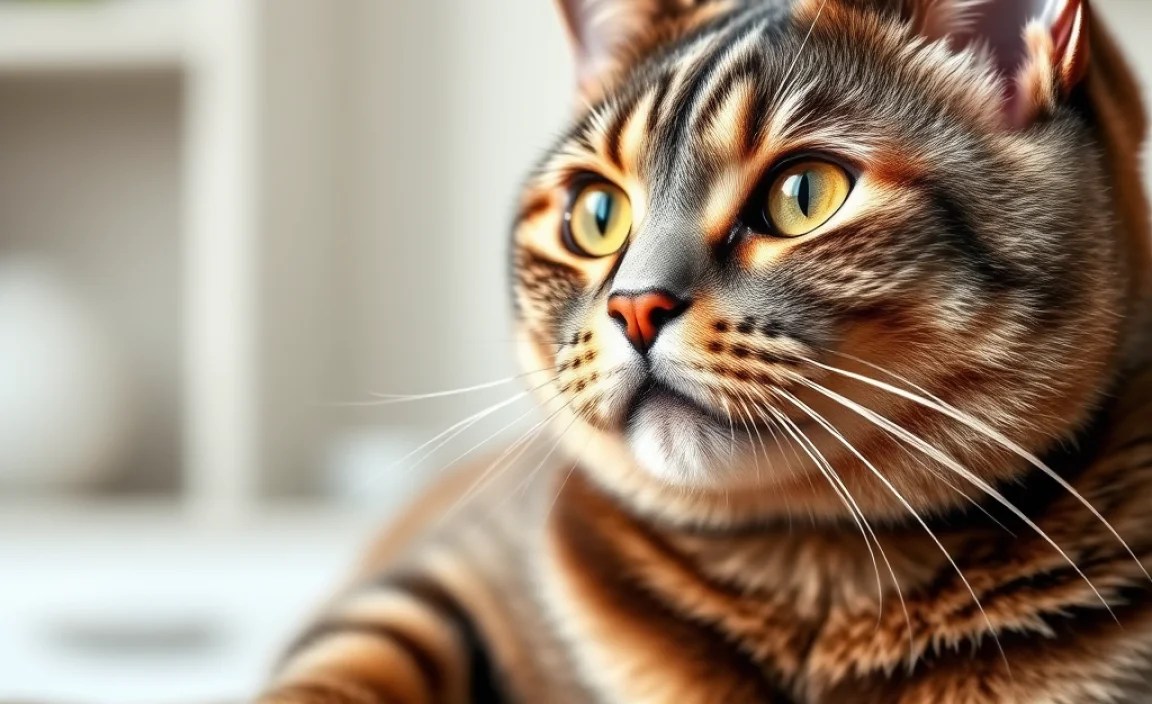
Now that you know the benefits, let’s explore how to add omega-3s to your British Shorthair’s diet. There are several effective methods, each with its own advantages.
1. Fish Oil Supplements
Fish oil is a popular and readily available source of omega-3 fatty acids. It’s rich in both EPA and DHA, making it an excellent choice for supplementing your cat’s diet. When choosing a fish oil supplement, look for one that is specifically formulated for pets and has been tested for purity and contaminants.
How to Administer Fish Oil:
- Liquid Form: Add the recommended dosage to your cat’s food. Start with a small amount and gradually increase to the full dose to avoid digestive upset.
- Capsules: Some cats will readily swallow capsules, while others may require you to puncture the capsule and mix the oil with their food.
Dosage Guidelines:
The appropriate dosage of fish oil depends on your cat’s weight and specific health needs. Here’s a general guideline, but always consult with your veterinarian for personalized advice:
| Cat’s Weight | Recommended Daily Dosage of EPA/DHA |
|---|---|
| Under 10 lbs | 75-150 mg |
| 10-20 lbs | 150-300 mg |
| Over 20 lbs | 300-450 mg |
2. Krill Oil Supplements
Krill oil is another excellent source of omega-3s. It is derived from tiny crustaceans called krill and is considered to be more easily absorbed by the body compared to fish oil. Krill oil also contains antioxidants, which can provide additional health benefits.
Benefits of Krill Oil:
- Higher Bioavailability: Easier for cats to absorb.
- Antioxidant Properties: Contains astaxanthin, a powerful antioxidant.
- Lower Risk of Contaminants: Krill are lower on the food chain, reducing the risk of mercury and other contaminants.
Dosage Guidelines:
Krill oil typically requires a lower dosage than fish oil due to its higher bioavailability. Consult with your veterinarian for the correct dosage based on your cat’s weight and health status.
3. Omega-3 Fortified Cat Food
Many high-quality cat food brands are now fortified with omega-3 fatty acids. These foods can be a convenient way to ensure your British Shorthair is getting an adequate intake of omega-3s. Look for cat foods that list EPA and DHA on the ingredient label.
What to Look For:
- EPA and DHA Listing: Ensure the food specifies the amounts of EPA and DHA.
- High-Quality Ingredients: Choose foods made with whole, natural ingredients.
- Trusted Brands: Opt for well-known and reputable brands that prioritize pet health.
4. Natural Food Sources
While cats primarily need animal-based omega-3 sources, incorporating certain natural foods can provide additional benefits. Here are a few options:
- Salmon: Cooked salmon is a rich source of omega-3s. Ensure it is boneless and skinless.
- Sardines: Canned sardines (in water, not oil) are another good option. They are packed with omega-3s and other essential nutrients.
Important Note: Always cook fish thoroughly to eliminate the risk of parasites and bacteria. Offer these foods in moderation as occasional treats, not as a primary source of nutrition.
Potential Risks and Side Effects

While omega-3s are generally safe for British Shorthairs, it’s important to be aware of potential risks and side effects. Here are some things to keep in mind:
- Gastrointestinal Upset: High doses of omega-3s can cause diarrhea, vomiting, or loss of appetite. Start with a low dose and gradually increase it to minimize these effects.
- Fishy Breath: Fish oil supplements can sometimes cause fishy breath. This is generally harmless but can be unpleasant.
- Blood Thinning: Omega-3s have mild blood-thinning properties. If your cat is scheduled for surgery or has a bleeding disorder, consult with your veterinarian before giving omega-3 supplements.
- Interactions with Medications: Omega-3s may interact with certain medications. Discuss any medications your cat is taking with your veterinarian before starting omega-3 supplementation.
Choosing the Right Omega-3 Supplement
Selecting a high-quality omega-3 supplement is crucial to ensure your British Shorthair receives the maximum benefits without unnecessary risks. Here are some factors to consider:
- Purity and Quality: Look for supplements that have been tested for heavy metals, PCBs, and other contaminants. Reputable brands often provide a certificate of analysis.
- Source: Choose supplements derived from sustainable sources. This helps protect the environment and ensures a consistent supply of high-quality omega-3s.
- Form: Consider whether you prefer liquid, capsules, or chews. Liquid forms can be easier to administer, while capsules may be more convenient for some owners.
- Ingredients: Check the ingredient list for any additives or fillers that may be harmful to your cat. Opt for supplements with minimal ingredients.
- Brand Reputation: Research the brand and read reviews from other pet owners. Choose brands with a solid reputation for quality and customer satisfaction.
Step-by-Step Guide to Adding Omega-3s to Your Cat’s Diet
Follow these steps to safely and effectively incorporate omega-3s into your British Shorthair’s diet:
- Consult with Your Veterinarian: Before making any changes to your cat’s diet, talk to your veterinarian. They can assess your cat’s individual needs and recommend the appropriate dosage and type of omega-3 supplement.
- Choose a High-Quality Supplement: Select a reputable brand that offers tested and certified omega-3 supplements. Consider fish oil, krill oil, or omega-3 fortified cat food.
- Start with a Low Dose: Begin with a small dose to see how your cat responds. This will help minimize the risk of gastrointestinal upset.
- Administer the Supplement: Follow the manufacturer’s instructions for administering the supplement. Mix liquid forms with food or offer capsules directly if your cat tolerates them.
- Monitor Your Cat’s Response: Observe your cat for any signs of side effects, such as vomiting, diarrhea, or loss of appetite. If you notice any adverse reactions, discontinue use and consult with your veterinarian.
- Adjust the Dosage as Needed: Over time, you may need to adjust the dosage based on your cat’s response and health needs. Work closely with your veterinarian to find the optimal dosage.
- Be Consistent: Consistency is key to seeing the benefits of omega-3 supplementation. Make it a regular part of your cat’s daily routine.
Real-Life Examples and Case Studies
To illustrate the benefits of omega-3s, here are a few real-life examples and mini case studies:
- Case Study 1: A 10-year-old British Shorthair named Winston was suffering from arthritis. After starting on a daily dose of fish oil, his mobility improved significantly, and he was able to move around more comfortably.
- Case Study 2: A 5-year-old British Shorthair named Bella had chronic skin allergies. By adding omega-3s to her diet, her skin became less itchy, and her coat regained its shine.
- Example 1: Many owners report that their cats with inflammatory bowel disease (IBD) experience fewer flare-ups and improved digestion after starting omega-3 supplementation.
- Example 2: Senior British Shorthairs often show improved cognitive function and increased alertness when given omega-3s regularly.
Debunking Common Myths About Omega-3s and Cats
There are several misconceptions about omega-3s and their use in cats. Let’s address some of the most common myths:
| Myth | Reality |
|---|---|
| All omega-3 supplements are the same. | Quality varies widely. Look for tested and certified supplements from reputable brands. |
| Cats can get enough omega-3s from plant-based sources. | Cats need animal-based omega-3s (EPA and DHA) because they can’t efficiently convert ALA from plant sources. |
| Omega-3s are only beneficial for older cats. | Omega-3s benefit cats of all ages, from kittens to seniors, supporting brain, skin, and joint health. |
| High doses of omega-3s are always better. | High doses can cause gastrointestinal upset. It’s best to start with a low dose and adjust as needed under veterinary guidance. |
| Omega-3 supplements are a substitute for veterinary care. | Omega-3s are a supplement, not a replacement for proper veterinary care. Always consult with your vet for any health concerns. |
FAQ: Your Omega-3 Questions Answered
Here are some frequently asked questions about omega-3s and their benefits for British Shorthairs:
- Q: What are the best sources of omega-3 for my British Shorthair?
- A: The best sources are fish oil and krill oil supplements, as they contain EPA and DHA, which are essential for cats. You can also find omega-3 fortified cat foods.
- Q: How much omega-3 should I give my cat?
- A: The dosage depends on your cat’s weight and health needs. Consult with your veterinarian for personalized recommendations. A general guideline is 75-150 mg of EPA/DHA daily for cats under 10 lbs.
- Q: Can omega-3s help with my cat’s skin allergies?
- A: Yes, omega-3s can help reduce inflammation and itchiness associated with skin allergies, promoting healthier skin and coat.
- Q: Are there any side effects of giving my cat omega-3s?
- A: Potential side effects include gastrointestinal upset, such as vomiting or diarrhea. Start with a low dose and gradually increase it to minimize these effects.
- Q: Can I give my cat human omega-3 supplements?
- A: It’s best to use supplements specifically formulated for pets, as they are designed with the appropriate dosage and safety considerations. Human supplements may contain ingredients that are harmful to cats.
- Q: How long does it take to see the benefits of omega-3 supplementation?
- A: It may take several weeks to months to see noticeable improvements. Consistency is key, so make sure to administer the supplement regularly as directed by your veterinarian.
- Q: Can omega-3s help with my cat’s arthritis?
- A: Yes, omega-3s can help reduce inflammation in the joints, alleviating pain and stiffness associated with arthritis. Many owners report improved mobility in their cats after starting omega-3 supplementation.
Conclusion
Incorporating omega-3 fatty acids into your British Shorthair’s diet can offer a multitude of health benefits, from reducing inflammation and promoting a healthy coat to supporting joint health and boosting cognitive function. By choosing high-quality supplements, consulting with your veterinarian, and monitoring your cat’s response, you can ensure that your feline friend reaps the rewards of these essential nutrients.
As a devoted British Shorthair owner, I’ve seen firsthand the positive impact that omega-3s can have on a cat’s overall well-being. I encourage you to explore these options and provide your beloved British Shorthair with the best possible care. Your cat will thank you with a shinier coat, a springier step, and a happier, healthier life. Here’s to the well-being of your furry companion!


