
Adult British Shorthair Feeding Guide: The Ultimate Secret

Quick Summary: Feeding an adult British Shorthair involves choosing high-quality food, controlling portions to prevent obesity, and understanding their specific dietary needs. A balanced diet, regular feeding schedule, and fresh water are essential. Monitor their weight and adjust food intake as needed to keep your cat healthy and happy.
Worried about what and how much to feed your adult British Shorthair? You’re not alone! Many owners find it tricky to balance nutrition with the breed’s tendency to gain weight. Getting it right is crucial for their health and happiness, but don’t fret!
In this guide, I’ll walk you through everything you need to know to nourish your British Shorthair at every stage of adulthood. We’ll cover food types, portion sizes, feeding schedules, and how to spot potential problems. Let’s ensure your feline friend stays healthy, happy, and the perfect picture of a cuddly British Shorthair!
Understanding the Nutritional Needs of Adult British Shorthairs

British Shorthairs are a unique breed with specific dietary requirements. Understanding these needs is the first step in ensuring your cat receives the best possible nutrition.
Why Proper Nutrition Matters
Proper nutrition is the cornerstone of your British Shorthair’s health. It affects everything from their coat quality to their energy levels and overall lifespan. A well-fed cat is more likely to have a strong immune system, a healthy weight, and fewer health problems down the road.
- Coat Health: A balanced diet rich in omega fatty acids keeps their coat shiny and plush.
- Muscle Tone: Adequate protein supports their strong, muscular build.
- Overall Health: Proper nutrients boost the immune system and prevent common feline diseases.
Key Nutrients for British Shorthairs
Like all cats, British Shorthairs require a balanced intake of proteins, fats, carbohydrates, vitamins, and minerals. Here’s a closer look at each:
- Protein: Essential for muscle development and maintenance. Look for high-quality animal-based proteins like chicken, fish, or turkey.
- Fats: Provide energy and support healthy skin and coat. Omega-3 and omega-6 fatty acids are particularly important.
- Carbohydrates: Offer a source of energy. Choose easily digestible carbs like rice or corn in moderation.
- Vitamins and Minerals: Crucial for various bodily functions. Ensure your cat food contains a balanced blend of vitamins A, D, E, and B-complex vitamins, as well as minerals like calcium, phosphorus, and taurine.
The Importance of Taurine
Taurine is an essential amino acid that cats cannot produce themselves, so it must be included in their diet. Taurine deficiency can lead to serious health problems, including heart issues and vision problems. Always check that your cat food contains adequate taurine levels.
Choosing the Right Food for Your British Shorthair

With so many cat food options available, selecting the right one for your British Shorthair can feel overwhelming. Let’s break down the different types of food and what to look for.
Dry Food (Kibble)
Dry food is a popular choice due to its convenience and affordability. It also helps promote dental health by reducing tartar buildup as your cat chews.
- Pros: Convenient, cost-effective, good for dental health, long shelf life.
- Cons: Can be high in carbohydrates, lower moisture content.
What to look for: Choose dry food with a high protein content (30-40%), moderate fat (15-20%), and limited carbohydrates. Ensure the ingredients list starts with a named meat source like chicken or fish.
Wet Food (Canned Food)
Wet food has a higher moisture content, which is beneficial for cats who may not drink enough water. It’s also often more palatable and can be a good option for picky eaters.
- Pros: High moisture content, palatable, often lower in carbohydrates.
- Cons: More expensive than dry food, shorter shelf life once opened, may not be as good for dental health.
What to look for: Opt for wet food with a high protein content and limited fillers. Check the ingredient list to ensure it contains a named meat source as the primary ingredient.
Raw Food
Some owners prefer to feed their British Shorthairs a raw food diet, believing it more closely mimics their natural diet. Raw food typically consists of uncooked meat, bones, and organs.
- Pros: High in protein, mimics natural diet.
- Cons: Risk of bacterial contamination, requires careful preparation and handling, may not be nutritionally balanced without proper supplementation.
Important Note: If you choose to feed your cat a raw diet, consult with a veterinary nutritionist to ensure it’s properly balanced and safe. Follow strict hygiene practices to prevent bacterial contamination. According to the American Veterinary Medical Association (AVMA), raw food diets can pose health risks to both pets and humans.
Grain-Free Food
Grain-free cat food has become increasingly popular, with many owners believing it’s a healthier option. However, grains themselves are not inherently bad for cats, and grain-free doesn’t automatically mean healthier.
- Pros: May be beneficial for cats with grain allergies or sensitivities.
- Cons: Not necessarily healthier for all cats, can be higher in other carbohydrates like potatoes or peas.
What to consider: If your cat doesn’t have a grain allergy, there’s no need to specifically choose grain-free food. Focus on the overall quality of the ingredients and the nutritional balance.
Reading Food Labels
Understanding how to read cat food labels is essential for making informed choices. Here are some key things to look for:
- Ingredient List: The ingredients are listed in order of weight. Look for a named meat source (e.g., chicken, fish, turkey) as the first ingredient.
- Guaranteed Analysis: This section provides the minimum percentages of crude protein and crude fat, as well as the maximum percentages of crude fiber and moisture.
- AAFCO Statement: Look for a statement from the Association of American Feed Control Officials (AAFCO) indicating that the food is “complete and balanced” for your cat’s life stage.
Creating a Feeding Schedule

Establishing a consistent feeding schedule is important for your British Shorthair’s health and well-being. It helps regulate their metabolism, prevent overeating, and makes it easier to monitor their appetite.
How Often to Feed Your Adult British Shorthair
Most adult British Shorthairs do well with two meals a day – once in the morning and once in the evening. This helps maintain stable energy levels and prevents them from becoming overly hungry between meals.
Portion Control
British Shorthairs are prone to weight gain, so portion control is crucial. The amount of food your cat needs will depend on their age, weight, activity level, and the type of food you’re feeding.
Here’s a general guideline to help you determine the right portion size:
- Check the Food Label: Start by reading the feeding guidelines on the cat food packaging. These guidelines provide a starting point based on your cat’s weight.
- Assess Your Cat’s Body Condition: Regularly assess your cat’s body condition. You should be able to feel their ribs easily without a thick layer of fat. If you can’t feel their ribs, or if they have a prominent belly, they may be overweight.
- Adjust as Needed: Adjust the portion size based on your cat’s body condition and activity level. If they’re gaining weight, reduce the amount of food. If they’re losing weight or seem hungry, increase the portion size slightly.
Example Feeding Chart
Please note: This is a general guideline. Always consult with your veterinarian to determine the ideal portion size for your British Shorthair.
| Cat Weight | Dry Food (Cups per day) | Wet Food (3oz cans per day) |
|---|---|---|
| 8 lbs | 1/2 cup | 2 cans |
| 10 lbs | 5/8 cup | 2 1/2 cans |
| 12 lbs | 3/4 cup | 3 cans |
| 14 lbs | 7/8 cup | 3 1/2 cans |
Tips for Portion Control:
- Use a measuring cup to ensure you’re feeding the correct amount.
- Divide the daily portion into two meals to prevent overeating.
- Avoid free-feeding (leaving food out all day), as this can lead to weight gain.
Transitioning to a New Food
If you need to switch your British Shorthair to a new food, do so gradually over 7-10 days to avoid digestive upset.
Here’s a sample transition schedule:
- Days 1-3: Mix 25% new food with 75% old food.
- Days 4-6: Mix 50% new food with 50% old food.
- Days 7-9: Mix 75% new food with 25% old food.
- Day 10: Feed 100% new food.
Hydration: Ensuring Your Cat Drinks Enough Water

Proper hydration is just as important as food for your British Shorthair’s health. Cats are notorious for not drinking enough water, which can lead to urinary problems and dehydration.
Why Water is Essential
Water helps regulate body temperature, transport nutrients, and flush out waste products. Dehydration can cause a range of health issues, including:
- Urinary tract infections
- Kidney problems
- Constipation
Tips to Encourage Water Consumption
- Provide Fresh Water: Always ensure your cat has access to fresh, clean water. Change the water at least once a day.
- Use Multiple Water Bowls: Place water bowls in different locations around your home.
- Try a Water Fountain: Many cats prefer drinking from a water fountain because they’re attracted to the moving water.
- Offer Wet Food: Wet food has a high moisture content, which can help increase your cat’s overall water intake.
- Flavor the Water: Add a small amount of tuna juice or chicken broth to the water to make it more appealing (ensure it’s low sodium).
Addressing Common Feeding Problems
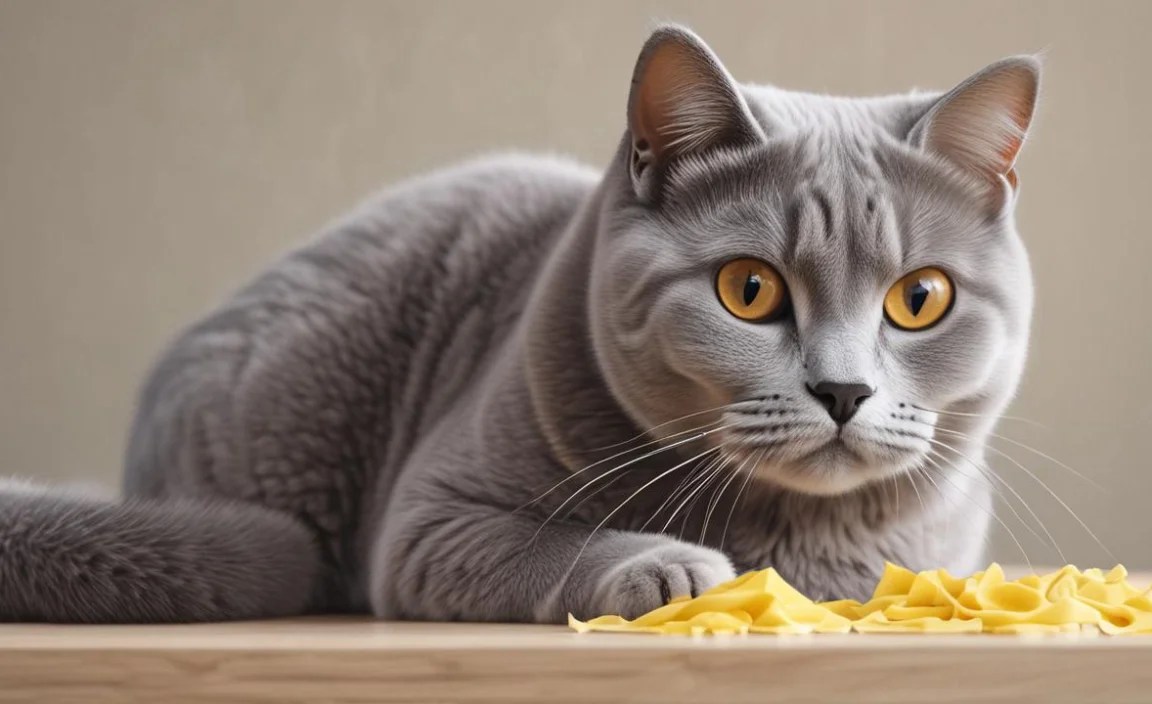
Even with the best intentions, you may encounter some feeding challenges with your British Shorthair. Here are some common problems and how to address them.
Picky Eating
Some British Shorthairs can be picky eaters. If your cat is refusing to eat, try these tips:
- Warm the Food: Warming the food slightly can enhance its aroma and make it more appealing.
- Try Different Textures: Experiment with different textures of food, such as pate, chunks, or gravy.
- Limit Treats: Avoid giving too many treats, as this can decrease their appetite for their regular food.
- Rule Out Medical Issues: If your cat suddenly stops eating, consult with your veterinarian to rule out any underlying health problems.
Overeating and Weight Gain
British Shorthairs are prone to weight gain, so it’s important to monitor their weight and adjust their food intake as needed.
- Measure Food Portions: Use a measuring cup to ensure you’re feeding the correct amount.
- Avoid Free-Feeding: Feed your cat scheduled meals instead of leaving food out all day.
- Increase Activity: Encourage your cat to be more active by providing toys and engaging in play sessions.
- Consult Your Vet: If your cat is significantly overweight, talk to your veterinarian about a weight management plan.
Food Allergies and Sensitivities
Some British Shorthairs may develop food allergies or sensitivities. Common symptoms include:
- Skin problems (itching, redness, hair loss)
- Digestive issues (vomiting, diarrhea)
- Ear infections
If you suspect your cat has a food allergy, consult with your veterinarian. They may recommend an elimination diet to identify the offending ingredient.
Supplements: Are They Necessary?

In most cases, a high-quality, balanced cat food will provide all the nutrients your British Shorthair needs. However, there are some situations where supplements may be beneficial.
When Supplements May Be Helpful
- Senior Cats: Older cats may benefit from supplements like glucosamine and chondroitin to support joint health.
- Cats with Health Conditions: Cats with certain health conditions, such as kidney disease or arthritis, may require specific supplements as recommended by their veterinarian.
- Raw Food Diets: Cats fed a raw food diet may need supplements to ensure they’re getting all the necessary nutrients.
Common Supplements for Cats
- Omega-3 Fatty Acids: Support skin and coat health, reduce inflammation.
- Probiotics: Promote healthy digestion.
- Glucosamine and Chondroitin: Support joint health.
- Taurine: Essential for heart and eye health.
Important Note: Always consult with your veterinarian before giving your cat any supplements. Some supplements can interact with medications or cause adverse effects.
Monitoring Your British Shorthair’s Health

Regularly monitoring your British Shorthair’s health is essential for detecting any potential problems early on. Pay attention to their weight, appetite, energy levels, and coat condition.
Regular Vet Checkups
Schedule regular checkups with your veterinarian, ideally once a year for adult cats and more frequently for senior cats. Your vet can perform a thorough physical exam, run blood tests, and provide personalized recommendations for your cat’s health.
Weight Management
Keep track of your cat’s weight and body condition. If you notice any sudden weight gain or loss, consult with your veterinarian. Use a body condition score chart to assess if your cat is at a healthy weight. The Royal Canin website offers a helpful guide on how to assess your cat’s body condition.
Dental Care
Dental health is often overlooked but is crucial for your cat’s overall well-being. Brush your cat’s teeth regularly and provide dental chews to help reduce tartar buildup. Schedule professional dental cleanings with your veterinarian as needed.
Coat Care
British Shorthairs have a thick, plush coat that requires regular grooming. Brush your cat several times a week to prevent matting and reduce shedding. A healthy coat is a sign of good nutrition and overall health.
FAQ: Feeding Your Adult British Shorthair
1. How much should I feed my adult British Shorthair?
The amount varies with weight, age, and activity, but generally, feed an 8-10 lb cat about ½ to ⅝ cup of dry food daily, split into two meals. Always check the food label and consult your vet for personalized advice.
2. What is the best type of food for a British Shorthair?
High-quality cat food with a named meat source (like chicken or fish) as the main ingredient. Look for a balanced formula with adequate protein, moderate fat, and essential nutrients.
3. Can British Shorthairs eat human food?
Some human foods are safe in moderation, like cooked chicken or fish. However, avoid toxic foods like chocolate, onions, and grapes. Always consult your vet before offering human food.
4. How do I know if my British Shorthair is overweight?
You should be able to feel their ribs easily without pressing hard. If they have a rounded belly or you can’t feel their ribs, they’re likely overweight. Consult your vet for a weight management plan.
5. Why is my British Shorthair always hungry?
It could be due to boredom, habit, or an underlying medical condition. Ensure you’re feeding the correct portion size and consult your vet to rule out health issues.
6. Should I give my British Shorthair treats?
Treats are fine in moderation, but they shouldn’t make up more than 10% of their daily calorie intake. Choose healthy treats and adjust their meal portions accordingly.
7. How can I encourage my cat to drink more water?
Provide fresh water daily in multiple locations, try a cat water fountain, or add a little tuna juice to the water to entice them.
Conclusion
Feeding your adult British Shorthair doesn’t have to be a daunting task. By understanding their nutritional needs, choosing the right food, creating a consistent feeding schedule, and monitoring their health, you can ensure they live a long, happy, and healthy life. Remember to consult with your veterinarian for personalized advice and to address any specific concerns. With the right care and attention, your British Shorthair will thrive and bring you years of joy and companionship.


