
British Shorthair Grooming for Coat Fortitude: Secret?

Quick Summary:
To keep your British Shorthair’s coat healthy and strong, groom them regularly. Aim to brush them 2-3 times a week to remove loose hair and prevent mats. During shedding season (spring and fall), increase brushing to daily. Use a stainless steel comb and a soft bristle brush. Bathe them only when necessary, every few months, using a cat-friendly shampoo. Proper diet and hydration are also key for a healthy coat.
Is your British Shorthair’s coat not as plush and healthy as you’d like? Many owners find it challenging to maintain the iconic, dense coat of this breed. Don’t worry, you’re not alone! The secret to a strong, beautiful coat lies in consistent grooming and a healthy lifestyle. With a few simple steps, you can ensure your British Shorthair’s fur stays in tip-top condition.
In this guide, I’ll walk you through the best grooming practices for your British Shorthair. We’ll cover everything from brushing techniques to bathing tips, and even discuss the role of diet in coat health. Let’s get started and unlock the secrets to a magnificent, healthy coat for your feline friend!
Understanding the British Shorthair Coat

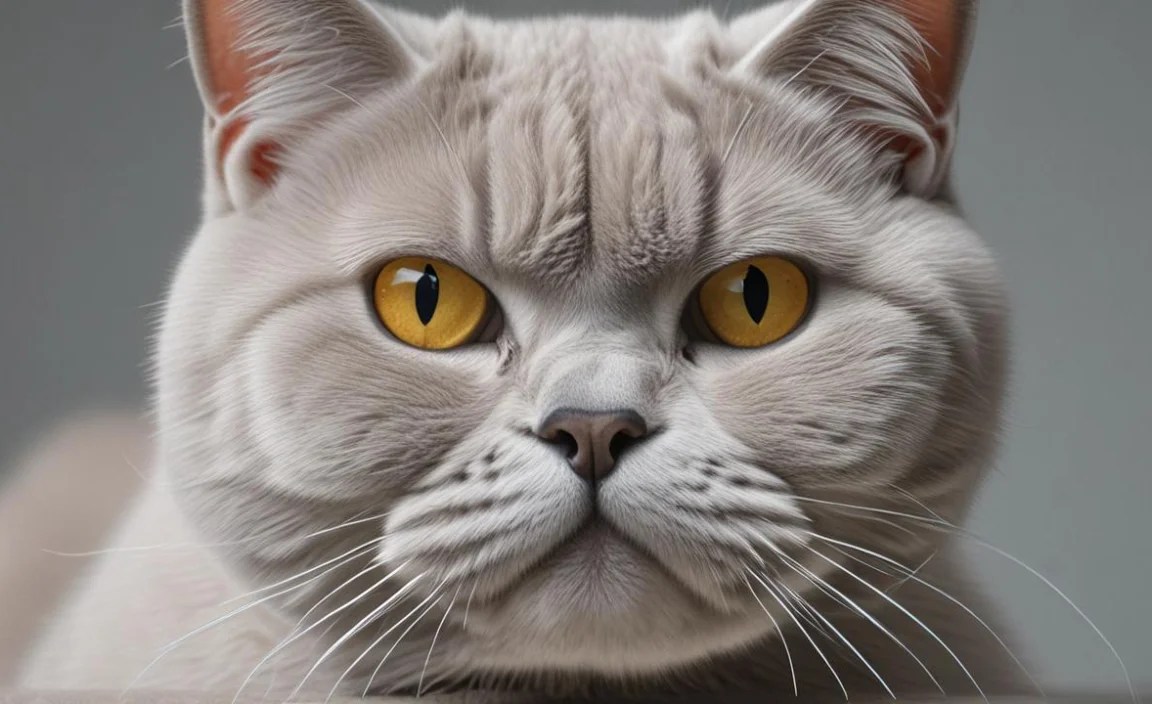
The British Shorthair is known for its dense, plush coat, often described as “crisp” due to its unique texture. Unlike many breeds, the British Shorthair has a double coat, consisting of a dense undercoat and a slightly longer topcoat. This thick coat gives them a teddy bear-like appearance, but it also requires regular grooming to prevent matting and maintain its health.
Their coat is naturally designed to protect them from various weather conditions. The dense undercoat provides insulation during colder months, while the topcoat helps repel water. Understanding the structure and function of this coat is the first step in providing the right care.
Why Grooming is Essential
Regular grooming is vital for several reasons:
- Prevents Matting: The dense coat is prone to matting, especially if not brushed regularly.
- Reduces Shedding: Regular brushing removes loose hair, minimizing shedding around your home.
- Stimulates Circulation: Brushing helps stimulate blood flow to the skin, promoting a healthier coat.
- Early Health Check: Grooming sessions provide an opportunity to check for any skin issues, parasites, or lumps.
- Bonding: Grooming can be a bonding experience for you and your cat.
Essential Grooming Tools
Having the right tools can make grooming easier and more effective. Here are some essentials:
- Stainless Steel Comb: This is perfect for working through the thick coat and removing tangles.
- Soft Bristle Brush: Use this to smooth the coat and distribute natural oils.
- Shedding Brush: A tool like the FURminator can be helpful during shedding season, but use it gently and not too often to avoid skin irritation.
- Cat Nail Clippers: Keep your cat’s nails trimmed to prevent scratching.
- Pet Wipes: Useful for quick clean-ups between baths.
- Cat-Friendly Shampoo: Only use shampoos specifically formulated for cats to avoid skin irritation.
Step-by-Step Grooming Guide

Follow these steps to keep your British Shorthair’s coat in top condition:
Step 1: Brushing (2-3 Times a Week)
Regular brushing is the cornerstone of British Shorthair coat care. Aim to brush your cat 2-3 times a week, increasing to daily during shedding season.
- Start with the Comb: Use a stainless steel comb to gently work through the coat, starting from the head and moving towards the tail. Pay close attention to areas prone to tangles, such as behind the ears and under the legs.
- Be Gentle: Avoid pulling or tugging, as this can be painful for your cat. If you encounter a mat, gently tease it apart with your fingers or use a mat splitter tool.
- Follow with the Brush: Once you’ve combed through the coat, use a soft bristle brush to smooth the fur and distribute natural oils. Brush in the direction of hair growth.
- Shedding Brush (Optional): During shedding season, you can use a shedding brush to remove excess loose hair. Use it sparingly and gently to avoid irritating the skin.
Step 2: Bathing (Every Few Months or As Needed)
British Shorthairs generally don’t require frequent baths. Over-bathing can strip their coat of natural oils, leading to dryness and skin irritation. Bathe your cat only when necessary, such as when they are visibly dirty or have a strong odor.
- Prepare the Bath: Fill a sink or tub with lukewarm water. Make sure the water is not too hot or too cold.
- Wet the Coat: Gently wet your cat’s coat, avoiding the face and ears. Use a cup or a detachable showerhead.
- Apply Shampoo: Apply a small amount of cat-friendly shampoo and lather gently. Avoid getting shampoo in the eyes and ears.
- Rinse Thoroughly: Rinse the coat thoroughly until all shampoo is removed. Residue can cause skin irritation.
- Dry Your Cat: Use a soft towel to gently dry your cat. You can also use a pet-safe hair dryer on a low setting, but be careful not to overheat their skin.
Step 3: Nail Trimming (Every 2-3 Weeks)
Regular nail trimming is essential for your cat’s comfort and to prevent damage to your furniture.
- Get Your Cat Comfortable: Gently hold your cat’s paw and massage it to get them used to being handled.
- Extend the Nail: Gently press on the paw pad to extend the nail.
- Clip the Tip: Use cat nail clippers to clip only the tip of the nail, avoiding the quick (the pink part that contains blood vessels and nerves). If you accidentally cut the quick, use styptic powder to stop the bleeding.
- Reward Your Cat: Give your cat a treat and praise after trimming their nails to create a positive association.
Step 4: Ear Cleaning (As Needed)
Check your cat’s ears regularly for dirt and wax buildup. Clean them as needed using a cat-friendly ear cleaning solution.
- Inspect the Ears: Look for any signs of redness, discharge, or odor.
- Apply Solution: Apply a small amount of ear cleaning solution to a cotton ball or gauze pad.
- Gently Clean: Gently wipe the inside of the ear, avoiding the ear canal.
- Dry the Ears: Use a dry cotton ball to dry the ears.
Dealing with Shedding

British Shorthairs are moderate shedders, with two major shedding seasons in the spring and fall. During these times, you’ll need to increase your grooming efforts to manage the extra hair.
- Daily Brushing: Brush your cat daily to remove loose hair.
- Shedding Brush: Use a shedding brush, but be gentle and avoid overdoing it.
- Vacuum Regularly: Vacuum your home frequently to remove shed hair from carpets and furniture.
- Consider a Professional Groomer: If you’re struggling to manage the shedding, consider taking your cat to a professional groomer for a deshedding treatment.
The Role of Diet in Coat Health

A healthy diet is crucial for maintaining a strong, shiny coat. Make sure your British Shorthair is eating a high-quality cat food that is rich in protein, essential fatty acids, and vitamins.
- Protein: Protein is essential for hair growth. Look for a food that lists a named meat source (such as chicken, fish, or beef) as the first ingredient.
- Omega-3 and Omega-6 Fatty Acids: These fatty acids help keep the skin healthy and the coat shiny. Many cat foods are supplemented with these nutrients, or you can add a supplement to your cat’s diet.
- Vitamins and Minerals: Vitamins A, E, and B vitamins, as well as minerals like zinc and copper, are important for coat health.
- Hydration: Make sure your cat has access to fresh, clean water at all times. Dehydration can lead to dry, brittle fur.
Here’s a table summarizing the key nutrients for coat health:
| Nutrient | Benefits | Sources |
|---|---|---|
| Protein | Supports hair growth and repair | Meat, fish, poultry |
| Omega-3 Fatty Acids | Reduces inflammation, promotes shiny coat | Fish oil, flaxseed oil |
| Omega-6 Fatty Acids | Supports skin health and coat luster | Poultry fat, sunflower oil |
| Vitamin A | Maintains healthy skin and coat | Liver, eggs, carrots |
| Vitamin E | Antioxidant, protects skin cells | Vegetable oils, nuts, seeds |
| B Vitamins | Supports hair growth and overall health | Meat, whole grains, yeast |
| Zinc | Supports skin health and immune function | Meat, seafood, whole grains |
Common Coat Problems and Solutions
Even with the best care, your British Shorthair may experience coat problems. Here are some common issues and how to address them:
Dull Coat
A dull coat can be a sign of poor nutrition, dehydration, or underlying health issues.
- Improve Diet: Switch to a higher-quality cat food that is rich in protein and essential fatty acids.
- Increase Hydration: Make sure your cat is drinking enough water. You can try offering wet food or using a water fountain.
- Consult Your Vet: If the problem persists, consult your veterinarian to rule out any underlying health conditions.
Excessive Shedding
While shedding is normal, excessive shedding can be a sign of stress, allergies, or parasites.
- Reduce Stress: Provide a calm and stable environment for your cat.
- Check for Allergies: If you suspect your cat has allergies, consult your veterinarian. Common allergens include food ingredients and environmental factors.
- Treat Parasites: Fleas and mites can cause excessive shedding. Use a vet-approved flea and tick treatment.
Matting
Matting is common in British Shorthairs due to their dense coat. Regular brushing is the best way to prevent mats.
- Regular Brushing: Brush your cat at least 2-3 times a week.
- Mat Splitter: Use a mat splitter tool to gently break up mats.
- Professional Grooming: If the mats are severe, take your cat to a professional groomer.
Dry Skin
Dry skin can be caused by over-bathing, dry air, or poor nutrition.
- Limit Baths: Bathe your cat only when necessary.
- Humidifier: Use a humidifier to add moisture to the air.
- Omega-3 Supplements: Add omega-3 fatty acid supplements to your cat’s diet.
Tips for a Stress-Free Grooming Experience
Grooming can be stressful for some cats. Here are some tips to make the experience more enjoyable for both of you:
- Start Early: Introduce grooming to your cat when they are a kitten to get them used to being handled.
- Be Gentle: Use gentle and slow movements. Avoid pulling or tugging.
- Positive Reinforcement: Reward your cat with treats and praise during and after grooming sessions.
- Keep Sessions Short: Start with short grooming sessions and gradually increase the duration as your cat becomes more comfortable.
- Find a Comfortable Location: Choose a quiet and comfortable location for grooming.
- Use the Right Tools: Make sure you are using the right tools for your cat’s coat type.
When to Seek Professional Help
While you can handle most grooming tasks at home, there are times when it’s best to seek professional help. Consider taking your British Shorthair to a professional groomer if:
- Your cat has severe mats that you can’t remove.
- Your cat is very stressed or aggressive during grooming sessions.
- Your cat has underlying skin issues that require special care.
- You are unsure how to perform certain grooming tasks, such as nail trimming.
A professional groomer has the experience and tools to safely and effectively groom your cat, even if they are difficult to handle. They can also provide advice on how to maintain your cat’s coat between grooming appointments.
British Shorthair Grooming for Coat Fortitude: FAQs
How often should I brush my British Shorthair?
You should brush your British Shorthair 2-3 times a week to prevent matting and reduce shedding. During shedding season (spring and fall), increase brushing to daily.
Do British Shorthairs need baths?
British Shorthairs don’t need frequent baths. Bathe them only when necessary, such as when they are visibly dirty or have a strong odor, using a cat-friendly shampoo.
What kind of brush is best for a British Shorthair?
A stainless steel comb is great for working through their thick coat. Follow with a soft bristle brush to smooth the fur and distribute natural oils. A shedding brush can be used sparingly during shedding season.
How can I reduce shedding from my British Shorthair?
Brush your cat regularly, especially during shedding season. Ensure they have a high-quality diet rich in omega-3 and omega-6 fatty acids. Regular vacuuming can also help manage shed hair.
What should I do if my British Shorthair has mats in their coat?
Gently try to tease the mats apart with your fingers or use a mat splitter tool. If the mats are severe, consult a professional groomer.
Is it safe to use human shampoo on my British Shorthair?
No, you should only use shampoos specifically formulated for cats. Human shampoos can be too harsh and strip their coat of natural oils, leading to skin irritation.
How do I make grooming a more positive experience for my cat?
Start grooming early, be gentle, and use positive reinforcement with treats and praise. Keep grooming sessions short and find a comfortable location for your cat.
Conclusion
Maintaining the coat fortitude of your British Shorthair doesn’t have to be a daunting task. With the right tools, techniques, and a consistent grooming routine, you can keep their coat healthy, shiny, and free of mats. Remember that diet plays a crucial role, so ensure your cat is eating a high-quality food that supports coat health.
By following the steps outlined in this guide, you’ll not only improve the appearance of your British Shorthair but also strengthen the bond between you and your feline companion. Grooming is more than just a chore; it’s an opportunity to show your cat love and care. So, grab your brush, and let’s get grooming!


