
Easy British Shorthair Paw Care During Grooming

British Shorthair paw care during grooming involves regular nail trimming to prevent overgrowth and injury, gentle cleaning of the paws to remove dirt and debris, and moisturizing paw pads to prevent dryness and cracking. Check between the toes for any mats or foreign objects. Regular attention keeps your cat’s paws healthy and comfortable.
As a devoted British Shorthair owner, you know how important grooming is for your furry friend. While brushing that plush coat is often top of mind, don’t forget those adorable paws! Neglecting paw care can lead to discomfort, overgrown nails, and even infections. But don’t worry, paw care doesn’t have to be a daunting task. With a few simple steps and the right tools, you can keep your British Shorthair’s paws in tip-top shape.
In this guide, I’ll walk you through everything you need to know about British Shorthair paw care during grooming. We’ll cover nail trimming, cleaning, moisturizing, and how to identify potential problems. By the end, you’ll feel confident and ready to pamper those precious paws!
Frequently Asked Questions About British Shorthair Paw Care
How often should I trim my British Shorthair’s nails?
Generally, trim your cat’s nails every 2-3 weeks, or when you notice them getting long or sharp. Indoor cats usually need more frequent trimming than outdoor cats.
What kind of nail clippers should I use?
Use cat-specific nail clippers, either scissor-style or guillotine-style. Make sure they are sharp to avoid crushing the nail.
How do I clean my British Shorthair’s paws?
Use a damp, soft cloth to gently wipe their paws. Pay attention to the areas between the toes. You can also use a paw cleaning wipe designed for pets.
Is it safe to use human lotion on my cat’s paws?
No, human lotions can contain ingredients that are harmful to cats. Use a paw balm or moisturizer specifically formulated for pets.
What are the signs of paw problems in British Shorthairs?
Look for signs like limping, excessive licking or chewing at the paws, redness, swelling, discharge, or any visible injuries.
Can I take my British Shorthair to a groomer for paw care?
Yes, professional groomers are experienced in cat paw care and can provide nail trimming, cleaning, and other services.
How can I make paw care less stressful for my cat?
Start when they are kittens to get them used to having their paws handled. Use positive reinforcement, like treats and praise, and keep grooming sessions short and gentle.
Understanding Your British Shorthair’s Paws

Before we dive into the how-to, let’s appreciate the anatomy and function of your British Shorthair’s paws. These paws are more than just cute; they’re essential for balance, movement, and overall well-being. According to The International Cat Association (TICA), healthy paws contribute significantly to a cat’s quality of life.
- Pads: These cushion each step, providing shock absorption and traction.
- Claws: Retractable for hunting, climbing, and defense.
- Fur: Provides insulation and protection, but can also trap debris.
Regularly examining your British Shorthair’s paws helps you identify potential issues early on. Early detection and treatment of paw problems helps ensure your cat remains happy and active.
Essential Tools for British Shorthair Paw Care

Having the right tools makes paw care easier and safer for both you and your cat. Here’s a list of essentials:
- Cat Nail Clippers: Choose scissor-style or guillotine-style clippers designed specifically for cats.
- Styptic Powder: In case you accidentally cut the quick (the pink part of the nail containing blood vessels and nerves).
- Soft Cloth or Paw Wipes: For cleaning dirt and debris.
- Paw Balm or Moisturizer: To keep paw pads soft and hydrated.
- Good Lighting: To clearly see what you’re doing.
- Treats: To reward your cat and make the experience positive.
Step-by-Step Guide to British Shorthair Paw Care During Grooming

Now, let’s get into the practical steps of paw care! Follow these instructions to keep your British Shorthair’s paws healthy and happy.
Step 1: Nail Trimming
Nail trimming is crucial to prevent overgrowth, which can lead to discomfort, snagged nails, and even injuries. Aim to trim your British Shorthair’s nails every 2-3 weeks, or as needed.
- Get Your Cat Comfortable: Start by gently handling your cat’s paws regularly to get them used to being touched. Give them treats and praise to create positive associations.
- Choose a Good Time: Pick a time when your cat is relaxed and calm, such as after a meal or playtime.
- Positioning: Hold your cat securely in your lap or on a stable surface. Gently extend one paw at a time.
- Identify the Quick: The quick is the pink part of the nail containing blood vessels and nerves. Avoid cutting into it, as it will cause pain and bleeding. In light-colored nails, it’s easy to see. In dark-colored nails, trim small bits at a time.
- Trim the Nails: Using your chosen nail clippers, trim the sharp tip of each nail, staying well away from the quick. Cut at a slight angle, following the natural curve of the nail.
- Dealing with the Dewclaw: Don’t forget the dewclaws on the front paws! These are located higher up on the leg and can easily be overlooked.
- If You Cut the Quick: If you accidentally cut the quick, don’t panic! Apply styptic powder to the bleeding nail to stop the bleeding. Talk to your vet if the bleeding doesn’t stop.
- Reward Your Cat: After trimming the nails, give your cat plenty of praise and a tasty treat. This will help them associate nail trimming with positive experiences.
Here’s a quick table to help you choose the right type of nail clipper:
| Clipper Type | Pros | Cons |
|---|---|---|
| Scissor-Style | Good visibility, precise cuts | Can be tricky to use on thick nails |
| Guillotine-Style | Quick and easy to use | Can crush the nail if not sharp |
Step 2: Paw Cleaning
Cleaning your British Shorthair’s paws helps remove dirt, debris, and potential allergens that can cause irritation. Make it a regular part of your grooming routine.
- Prepare Your Supplies: Gather a soft, damp cloth or paw wipes specifically designed for pets. Avoid using harsh soaps or chemicals.
- Inspect the Paws: Before cleaning, take a close look at your cat’s paws. Check for any signs of injury, redness, swelling, or foreign objects.
- Gentle Wiping: Gently wipe each paw with the damp cloth or paw wipe, paying attention to the areas between the toes and around the paw pads.
- Remove Debris: If you find any debris, such as dirt, leaves, or small stones, carefully remove it with your fingers or tweezers.
- Dry the Paws: After cleaning, dry the paws with a soft towel to prevent moisture buildup, which can lead to fungal infections.
Step 3: Paw Pad Moisturizing
Dry, cracked paw pads can be uncomfortable for your British Shorthair. Moisturizing helps keep them soft, supple, and healthy.
- Choose a Paw Balm: Select a paw balm or moisturizer specifically formulated for pets. Avoid using human lotions, as they can contain ingredients that are harmful to cats.
- Apply a Small Amount: Apply a small amount of paw balm to your fingertips.
- Massage into Paw Pads: Gently massage the balm into your cat’s paw pads, focusing on dry or cracked areas.
- Distract Your Cat: After applying the balm, distract your cat with a toy or treat to prevent them from licking it off immediately. The balm needs time to absorb into the skin.
- Frequency: Moisturize your cat’s paw pads as needed, especially during dry weather or if you notice them becoming rough or cracked.
Dealing with Common Paw Problems
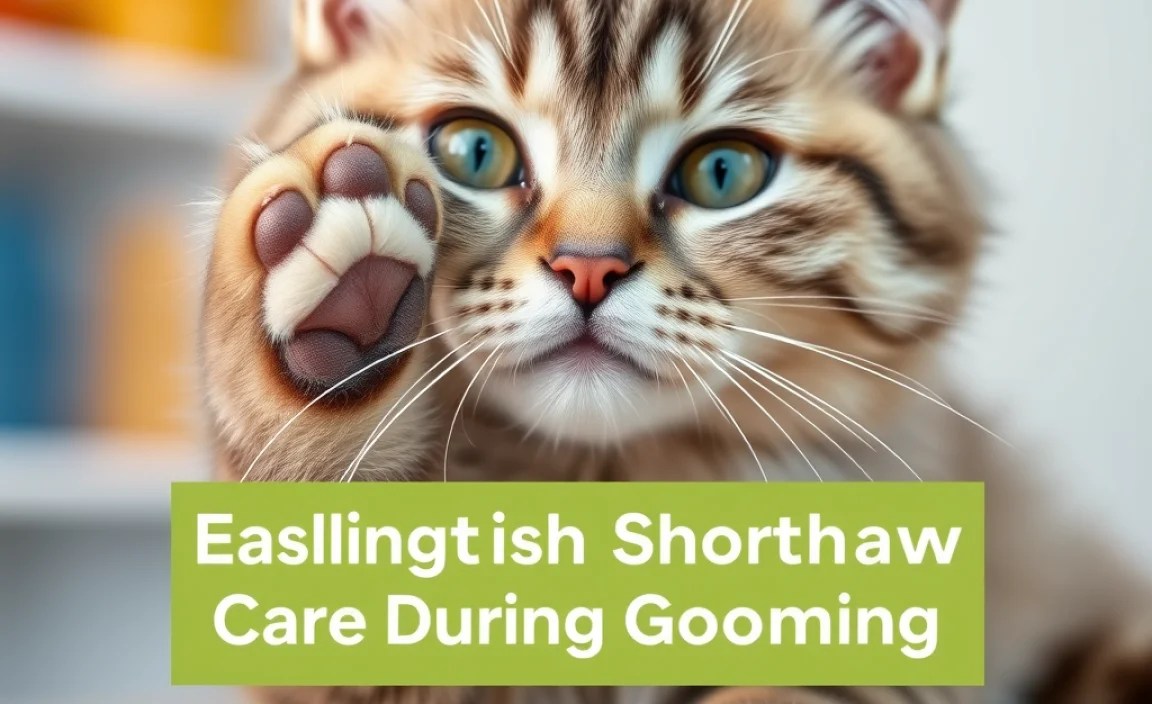
Even with the best care, paw problems can sometimes arise. Here’s how to handle some common issues:
Overgrown Nails
- Cause: Infrequent nail trimming.
- Symptoms: Nails that are long, sharp, and may curl under the paw.
- Treatment: Trim the nails regularly. If they are severely overgrown, your vet may need to trim them initially.
- Prevention: Regular nail trimming every 2-3 weeks.
Cracked Paw Pads
- Cause: Dry weather, walking on rough surfaces, or underlying medical conditions.
- Symptoms: Paw pads that are dry, rough, and may have cracks or fissures.
- Treatment: Moisturize the paw pads regularly with a pet-safe balm. Provide soft bedding and avoid walking on harsh surfaces.
- Prevention: Regular moisturizing, especially during dry weather.
Injuries
- Cause: Cuts, scrapes, or punctures from sharp objects.
- Symptoms: Limping, bleeding, redness, swelling, or excessive licking.
- Treatment: Clean the wound with mild antiseptic and apply a bandage. See your vet if the injury is deep or infected.
- Prevention: Keep your cat away from sharp objects and monitor their outdoor activities.
Infections
- Cause: Bacterial or fungal infections due to cuts, scrapes, or allergies.
- Symptoms: Redness, swelling, discharge, odor, or excessive licking.
- Treatment: See your vet for diagnosis and treatment. They may prescribe antibiotics or antifungal medications.
- Prevention: Keep the paws clean and dry. Treat any underlying allergies.
Allergies
- Cause: Environmental or food allergies.
- Symptoms: Itchy paws, excessive licking, redness, or swelling.
- Treatment: Identify and eliminate the allergen. Your vet may recommend antihistamines or other medications.
- Prevention: Feed a high-quality diet and avoid known allergens.
Here is a helpful table summarizing common paw problems, their symptoms, and treatments:
| Problem | Symptoms | Treatment |
|---|---|---|
| Overgrown Nails | Long, sharp nails that may curl | Regular nail trimming |
| Cracked Paw Pads | Dry, rough pads with cracks | Moisturize with pet-safe balm |
| Injuries | Limping, bleeding, redness | Clean, bandage, see vet if severe |
| Infections | Redness, swelling, discharge | Vet diagnosis, antibiotics/antifungals |
| Allergies | Itchy paws, licking, redness | Identify allergen, antihistamines |
Tips for a Stress-Free Paw Care Routine

Some cats are more sensitive than others when it comes to paw handling. Here are some tips to make paw care less stressful for your British Shorthair:
- Start Young: Begin handling your cat’s paws when they are kittens to get them used to being touched.
- Positive Reinforcement: Use treats, praise, and gentle petting to reward your cat during paw care sessions.
- Short Sessions: Keep grooming sessions short and sweet. If your cat becomes stressed, stop and try again later.
- Be Gentle: Handle your cat’s paws gently and avoid pulling or squeezing.
- Create a Calm Environment: Choose a quiet, comfortable space for grooming.
- Watch for Signs of Stress: Pay attention to your cat’s body language. If they are hissing, swatting, or trying to escape, stop and try again later.
When to See a Veterinarian
While most paw problems can be managed at home, some situations require professional veterinary care. Consult your vet if you notice any of the following:
- Severe injuries or deep wounds
- Signs of infection, such as pus or foul odor
- Persistent limping or lameness
- Swelling or inflammation that doesn’t improve
- Sudden changes in paw appearance or behavior
- Underlying medical conditions
The RSPCA emphasizes the importance of seeking veterinary care for any persistent or severe paw issues to prevent further complications.
The Importance of Regular Grooming
Regular grooming, including paw care, is an essential part of responsible British Shorthair ownership. It not only keeps your cat looking and feeling their best but also allows you to detect potential health problems early on. By making paw care a regular part of your routine, you’re investing in your cat’s long-term health and well-being.
Conclusion
Caring for your British Shorthair’s paws is a simple yet crucial aspect of their overall health and happiness. By following these steps for nail trimming, cleaning, and moisturizing, you can keep their paws in excellent condition. Remember to be gentle, patient, and observant, and don’t hesitate to seek professional help when needed. With a little dedication, you can ensure that your furry friend’s paws are always ready for their next adventure.


