
Bathing a British Shorthair Cat: The Easy Guide

Quick Summary: Bathing a British Shorthair isn’t usually necessary, as they’re naturally clean cats. If needed, prepare a calm environment with lukewarm water, use a cat-specific shampoo, and gently wash your cat, avoiding the face and ears. Rinse thoroughly and dry with a soft towel. Reward your kitty with treats and praise for a positive experience!
Is your beautiful British Shorthair looking a little less… pristine? While these cats are known for their fastidious grooming habits, sometimes they need a little help from us. The thought of bathing a cat can be daunting, conjuring images of flailing paws and watery chaos. But don’t worry! Bathing your British Shorthair can be a calm and even bonding experience with the right approach. This guide will walk you through each step, making bath time a breeze for both you and your feline friend.
We’ll cover everything from recognizing when a bath is truly needed to selecting the best shampoo and drying techniques. By the end, you’ll have the confidence to keep your British Shorthair looking and feeling their best!
When Does Your British Shorthair Need a Bath?

British Shorthairs are naturally clean animals, thanks to their meticulous grooming habits. Over-bathing can strip their coat of essential oils, leading to dry skin and a dull appearance. So, when is a bath truly necessary?
- Visible Dirt or Debris: If your cat has gotten into something sticky, muddy, or otherwise unpleasant that they can’t clean themselves.
- Strong Odor: If your cat has a lingering unpleasant smell that isn’t resolving with regular grooming.
- Skin Conditions: Your veterinarian may recommend medicated baths to treat certain skin conditions like ringworm or allergies. Always follow your vet’s specific instructions.
- Senior Cats or Those with Limited Mobility: Older cats or those with arthritis may have difficulty reaching certain areas to groom effectively.
If none of these apply, your British Shorthair is likely doing a fine job of keeping themselves clean! Regular brushing is usually sufficient to maintain their beautiful coat. The RSPCA recommends regular grooming to help prevent matting and hairballs.
Preparing for Bath Time
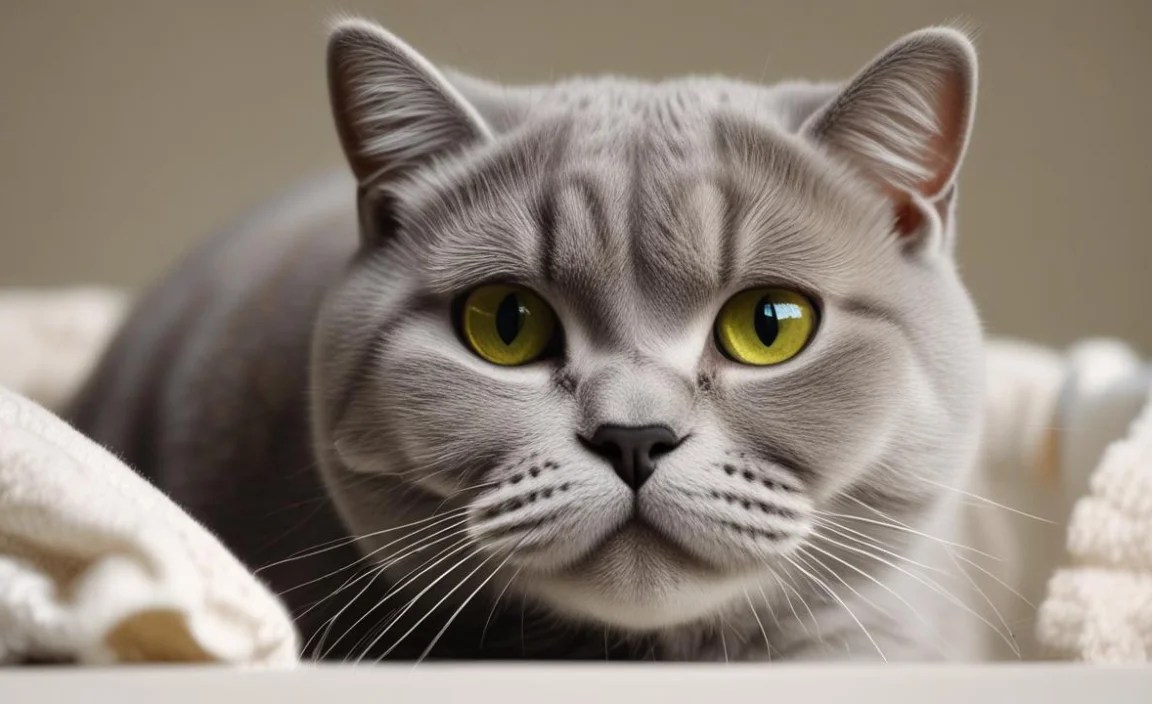
A little preparation goes a long way in making bath time a positive experience for your British Shorthair. Here’s how to set the stage for success:
Gather Your Supplies
Having everything you need within reach will minimize stress for both of you. Here’s a checklist:
- Cat-Specific Shampoo: Never use human shampoo on your cat, as it can be too harsh and disrupt their skin’s pH balance. Look for a gentle, hypoallergenic formula designed for cats.
- Non-Slip Mat: Place a non-slip mat in the sink or tub to provide your cat with secure footing.
- Pitcher or Cup: For rinsing. Avoid using a strong shower stream, which can be frightening.
- Soft Towels: Have several soft, absorbent towels ready for drying.
- Brush: For brushing before and after the bath.
- Treats: High-value treats to reward your cat for good behavior.
- Optional:
- Rubber Gloves: To protect your hands.
- Apron: To protect your clothes.
Choose the Right Location
A quiet, enclosed space like a bathroom is ideal. This will help contain any potential splashing and prevent your cat from escaping. The sink or a small tub can work well, depending on your cat’s size and comfort level.
Prepare the Water
The water should be lukewarm – not too hot and not too cold. Test the water temperature with your wrist, just as you would for a baby. Fill the sink or tub with only a few inches of water.
Brush Your Cat
Brush your British Shorthair thoroughly before the bath to remove any loose fur and mats. This will make the bathing process easier and prevent clumps of wet fur.
Stay Calm and Reassuring
Cats are very sensitive to our emotions. Speak to your cat in a calm, soothing voice throughout the entire process. Avoid sudden movements or loud noises that could startle them.
Step-by-Step Guide to Bathing Your British Shorthair

Now that you’re prepared, let’s get to the actual bathing process. Remember to take it slow and be patient. If your cat becomes overly stressed at any point, stop and try again another time.
- Introduce Your Cat to the Water: Gently place your cat in the sink or tub. Use a cup or pitcher to slowly wet their fur, starting from the neck down. Avoid getting water in their eyes, ears, and nose.
- Apply Shampoo: Pour a small amount of cat shampoo into your hands and lather it gently into your cat’s fur, avoiding the face and ears. Massage the shampoo into their coat for a few minutes, paying attention to any dirty areas.
- Rinse Thoroughly: Use the cup or pitcher to rinse all the shampoo out of your cat’s fur. Be sure to rinse thoroughly, as any remaining shampoo can irritate their skin. Continue rinsing until the water runs clear.
- Dry Your Cat: Gently squeeze out excess water from their fur. Wrap your cat in a soft towel and pat them dry. You can use multiple towels to absorb as much water as possible.
- Brush Again: Once your cat is mostly dry, brush their fur to help remove any remaining tangles and promote a healthy shine.
- Reward Your Cat: Give your cat plenty of praise and treats for being such a good sport! This will help them associate bath time with positive experiences.
Drying Your British Shorthair

Proper drying is essential to prevent your cat from getting chilled and to maintain their coat’s health.
Towel Drying
As mentioned above, towel drying is the primary method. Use soft, absorbent towels and gently pat your cat dry. Avoid rubbing vigorously, which can cause matting.
Hair Dryer (Optional)
If your cat tolerates it, you can use a hair dryer on a low, cool setting to speed up the drying process. Keep the hair dryer moving and avoid holding it too close to their skin. Never use a hot setting, as this can burn your cat.
Some cats may be frightened by the noise of a hair dryer. If your cat is anxious, stick to towel drying.
Keep Them Warm
After the bath, keep your cat in a warm, draft-free area until they are completely dry. This will help prevent them from getting chilled.
Choosing the Right Shampoo

Selecting the right shampoo is crucial for your British Shorthair’s skin and coat health. Here’s what to look for:
- Cat-Specific Formula: Always use a shampoo specifically designed for cats. Human shampoos are too harsh and can disrupt their skin’s pH balance.
- Hypoallergenic: Choose a hypoallergenic formula to minimize the risk of allergic reactions.
- Gentle and Mild: Look for a shampoo that is gentle and mild, with no harsh chemicals or fragrances.
- Ingredients to Avoid: Avoid shampoos that contain sulfates, parabens, artificial colors, or strong fragrances.
- Consider Their Needs: If your cat has specific skin issues, such as dryness or allergies, choose a shampoo formulated to address those concerns. Your veterinarian can recommend a suitable shampoo.
Here’s a quick comparison of shampoo types:
| Shampoo Type | Benefits | Considerations |
|---|---|---|
| Hypoallergenic | Reduces risk of allergic reactions, gentle on sensitive skin. | May not be as effective for heavily soiled coats. |
| Oatmeal | Soothes dry, itchy skin, moisturizes the coat. | Some cats may be allergic to oatmeal. |
| Medicated | Treats specific skin conditions like fungal infections or dermatitis. | Should only be used under veterinary supervision. |
| Waterless | Convenient for quick clean-ups, no rinsing required. | Not suitable for heavily soiled coats, may leave a residue. |
Tips for a Stress-Free Bath Time
Here are some additional tips to make bath time as stress-free as possible for both you and your British Shorthair:
- Start Young: If possible, get your cat used to being handled and bathed from a young age. This will make them more comfortable with the process as they get older.
- Keep it Short and Sweet: The less time your cat spends in the water, the better. Aim for a quick and efficient bath.
- Use Positive Reinforcement: Reward your cat with treats and praise throughout the bath. This will help them associate bath time with positive experiences.
- Enlist Help: If possible, have a friend or family member help you with the bath. One person can hold and reassure the cat while the other person washes and rinses.
- Know When to Stop: If your cat becomes overly stressed or agitated, stop the bath and try again another time. It’s better to have a slightly dirty cat than a traumatized one.
Alternative Cleaning Methods
If your British Shorthair truly hates baths, there are alternative cleaning methods you can use to keep them looking their best.
Grooming Wipes
Cat-specific grooming wipes are a convenient way to freshen up your cat’s coat and remove dirt and debris. Simply wipe down their fur with a grooming wipe, paying attention to any dirty areas.
Dry Shampoo
Dry shampoo is another option for cats who dislike water. Sprinkle the dry shampoo onto your cat’s fur and massage it in. Then, brush out the excess powder.
Regular Brushing
Regular brushing is the best way to keep your British Shorthair’s coat clean and healthy. Brush your cat several times a week to remove loose fur, dirt, and debris. This will also help prevent mats and tangles.
Understanding British Shorthair Coat Care
The British Shorthair’s plush, dense coat requires regular care to prevent matting and maintain its healthy appearance. Regular brushing is paramount, ideally several times a week. This removes loose hair, distributes natural oils, and stimulates circulation, contributing to a glossy, healthy coat. During shedding seasons, typically spring and fall, daily brushing can help manage the increased hair loss.
Pay close attention to areas prone to matting, such as behind the ears, under the legs, and around the tail. Gentle combing or brushing in these areas can prevent mats from forming, which can be painful and difficult to remove. According to The International Cat Association (TICA), regular grooming also strengthens the bond between you and your cat.
Here’s a helpful grooming schedule you can adapt:
| Frequency | Activity | Benefits |
|---|---|---|
| 2-3 times per week | Brushing | Removes loose hair, prevents mats, stimulates circulation |
| Monthly | Nail trimming | Prevents overgrowth and damage to furniture |
| As needed (usually rare) | Bathing | Removes heavy dirt or grease, treats skin conditions |
When to Consult Your Veterinarian
While bathing can help with some skin issues, it’s essential to consult your veterinarian if you notice any of the following:
- Excessive Shedding: More than usual hair loss, potentially indicating underlying health issues.
- Skin Irritation: Redness, inflammation, or itchiness that doesn’t resolve with bathing.
- Lumps or Bumps: New or changing lumps or bumps on your cat’s skin.
- Changes in Appetite or Behavior: Any changes in your cat’s eating habits or behavior, which could indicate an underlying health problem.
These symptoms could indicate an underlying health issue that requires veterinary attention. Your vet can diagnose the problem and recommend the appropriate treatment. According to the Cornell Feline Health Center, skin problems can be a sign of allergies, infections, or other medical conditions.
FAQ About Bathing British Shorthairs
Here are some frequently asked questions about bathing British Shorthairs:
How often should I bathe my British Shorthair?
Generally, British Shorthairs don’t need frequent baths. Unless they get into something particularly messy or have a skin condition that requires it, bathing them once or twice a year is usually sufficient. Over-bathing can strip their coat of essential oils, leading to dry skin.
Can I use baby shampoo on my British Shorthair?
No, you should never use baby shampoo on your British Shorthair. Human shampoos, including baby shampoo, have a different pH balance than cat-specific shampoos and can irritate their skin. Always use a shampoo specifically formulated for cats.
My British Shorthair hates water. What can I do?
If your cat hates water, try using alternative cleaning methods like grooming wipes or dry shampoo. You can also try making bath time more positive by using treats and praise. If your cat becomes overly stressed, stop and try again another time.
How do I prevent my British Shorthair from scratching me during the bath?
Trim your cat’s nails before the bath to minimize the risk of scratches. You can also wear rubber gloves to protect your hands. Stay calm and reassuring throughout the process, and avoid sudden movements that could startle your cat.
What if my British Shorthair licks the shampoo?
While cat-specific shampoos are generally formulated to be safe if ingested in small amounts, it’s still best to prevent your cat from licking the shampoo. Rinse thoroughly to remove all traces of shampoo from their fur. If you’re concerned about your cat ingesting shampoo, contact your veterinarian.
Can I use a human conditioner on my British Shorthair?
It’s best to avoid using human conditioner on your British Shorthair. Like human shampoos, conditioners are formulated for human hair and can disrupt your cat’s skin’s pH balance. If you feel your cat’s coat needs extra conditioning, look for a cat-specific conditioner or leave-in conditioner spray.
How do I clean my British Shorthair’s face?
Use a damp washcloth to gently wipe your cat’s face, avoiding the eyes. You can also use a cotton ball moistened with warm water to clean around their eyes. Be very careful not to get any water or soap in their eyes or ears.
Conclusion
Bathing your British Shorthair doesn’t have to be a stressful experience. By following these steps and understanding your cat’s needs, you can make bath time a calm and even bonding experience. Remember, regular brushing is often enough to keep your British Shorthair clean and healthy, so only bathe them when necessary. With patience, preparation, and plenty of treats, you can keep your feline friend looking and feeling their best!


