
Are British Shorthairs Good With Dogs? Ultimate Guide

Quick Summary: British Shorthairs can often get along with dogs, but it depends on the individual cat and dog, their personalities, and how they are introduced. Early socialization is key. Gradual introductions, providing separate spaces, and positive reinforcement can help them become friends. Always supervise their interactions, especially at first.
Bringing a new pet into your home is a big decision, especially when you already have a furry friend. If you’re considering a British Shorthair and have a dog, you might be wondering if they can coexist peacefully. It’s a common concern, and I understand why you’d want to make sure everyone gets along. After all, a harmonious home is a happy home!
The good news is that British Shorthairs are known for their calm and adaptable nature. But, like all cats, they have their own personalities. So, can a British Shorthair and a dog become best buddies? Let’s explore what makes these cats tick and how to make introductions go smoothly. We’ll cover everything from early socialization to creating safe spaces, ensuring your British Shorthair and dog can live together in peace and maybe even friendship.
Understanding the British Shorthair Personality

British Shorthairs are famous for their laid-back and gentle temperament. They are often described as undemanding and easygoing, making them great companions. But before you assume it’s a guaranteed match with your dog, let’s dive deeper into their personality traits:
- Calm and Docile: British Shorthairs aren’t usually the type to get easily flustered. They prefer a calm environment.
- Independent: They enjoy their own company and don’t always need constant attention. This can be a plus when introducing them to a dog who might be a bit too enthusiastic.
- Adaptable: While they appreciate routine, they can adapt to new situations, especially if introduced slowly and positively.
- Not overly playful: They are playful but not as hyperactive as some other breeds. They enjoy gentle play, which can be a good match for a calmer dog.
Remember, every cat is an individual. Some British Shorthairs might be more outgoing, while others are shyer. Understanding your cat’s unique personality will help you manage the introduction process more effectively.
Factors Influencing Compatibility

Several factors play a role in whether a British Shorthair and a dog will get along. It’s not just about the breed; it’s also about the individual animals and their environment.
- Early Socialization: Kittens who are exposed to dogs early in life are more likely to accept them. Similarly, dogs socialized with cats from a young age are usually more cat-friendly.
- Individual Personalities: A calm, older dog is more likely to get along with a British Shorthair than a high-energy puppy. Similarly, a confident, outgoing British Shorthair might adapt more easily than a timid one.
- Dog Breed: Some dog breeds have a higher prey drive than others. Breeds like terriers or sight hounds might be more inclined to chase cats.
- Introduction Process: How you introduce your British Shorthair to your dog can make or break their relationship. A slow, gradual introduction is crucial.
- Environment: A home where the cat has safe spaces to retreat to is essential. This helps the cat feel secure and reduces stress.
Step-by-Step Guide to Introducing a British Shorthair to a Dog

Introducing a new cat to a dog requires patience and a careful approach. Here’s a step-by-step guide to help you navigate the process:
Step 1: Preparation is Key
Before the actual introduction, prepare your home to ensure the safety and comfort of your British Shorthair.
- Create a Safe Space: Designate a room or area that is exclusively for your cat. This should include their food, water, litter box, scratching post, and a comfortable bed.
- Scent Swapping: Before they meet, let them get used to each other’s scent. You can do this by swapping bedding or toys. Rub a towel on your dog and then place it in your cat’s area, and vice versa.
- Separate Feeding Areas: Feed your cat and dog in separate areas to avoid competition and stress.
Step 2: The Initial Introduction
The first meeting should be controlled and brief.
- Keep Them Separate: Initially, keep your dog on a leash and allow your British Shorthair to observe from a safe distance, like in a carrier or on a high perch.
- Short and Sweet: Keep the first few introductions short, no more than a few minutes.
- Positive Reinforcement: Reward both your cat and dog with treats and praise for calm behavior.
Step 3: Gradual Exposure
Slowly increase the amount of time they spend together.
- Supervised Visits: Allow them to interact under supervision. Keep your dog on a leash to prevent chasing.
- Observe Body Language: Watch for signs of stress or aggression. If either animal seems uncomfortable, separate them and try again later.
- Controlled Freedom: Gradually allow your dog more freedom, but always supervise their interactions.
Step 4: Unsupervised Time
Only allow unsupervised time once you are confident they are comfortable with each other.
- Monitor Interactions: Even when unsupervised, continue to monitor their interactions.
- Provide Escape Routes: Make sure your cat always has access to high places or other escape routes where they can feel safe.
- Maintain Separate Spaces: Even if they become friends, it’s important for your cat to still have their own space where they can retreat when needed.
Managing Potential Problems
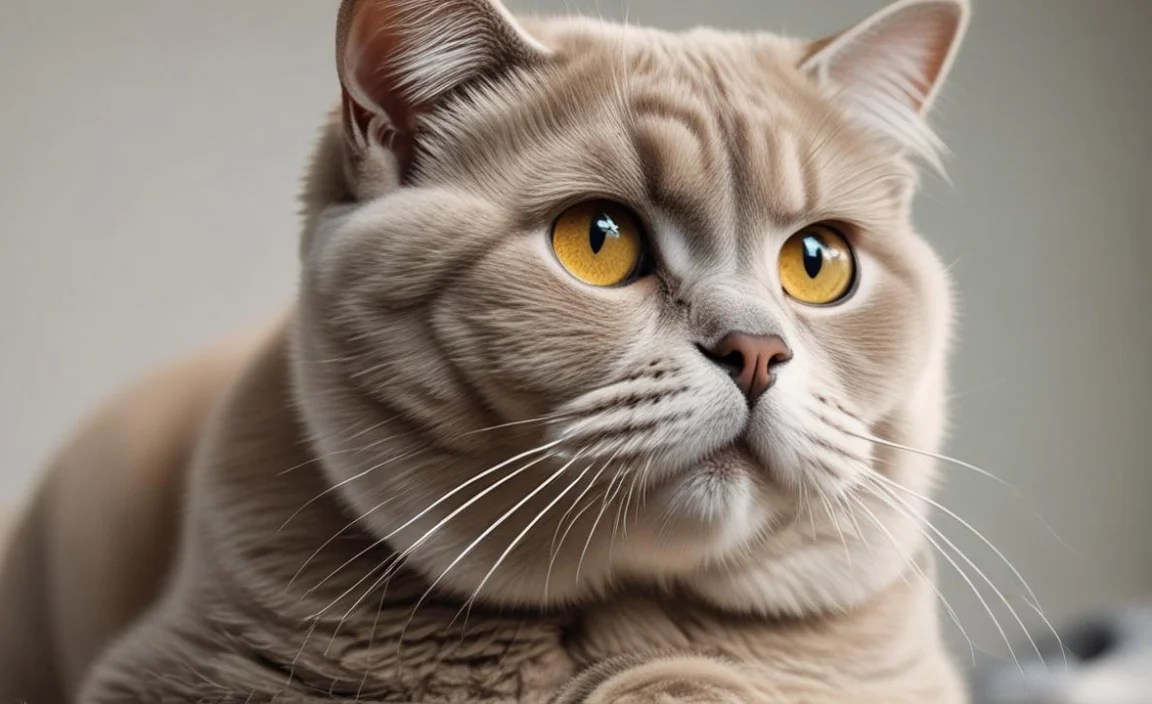
Even with careful introductions, problems can arise. Here’s how to handle some common issues:
- Chasing: If your dog chases your cat, redirect their attention with a toy or command. Never punish your dog, as this can create negative associations.
- Aggression: If either animal shows signs of aggression (hissing, growling, swatting), separate them immediately and seek advice from a professional animal behaviorist.
- Fear: If your cat is fearful, provide plenty of reassurance and safe spaces. Avoid forcing interactions and let them approach the dog at their own pace.
- Resource Guarding: If either animal guards their food, toys, or territory, feed them in separate areas and provide separate resources.
Creating a Harmonious Environment
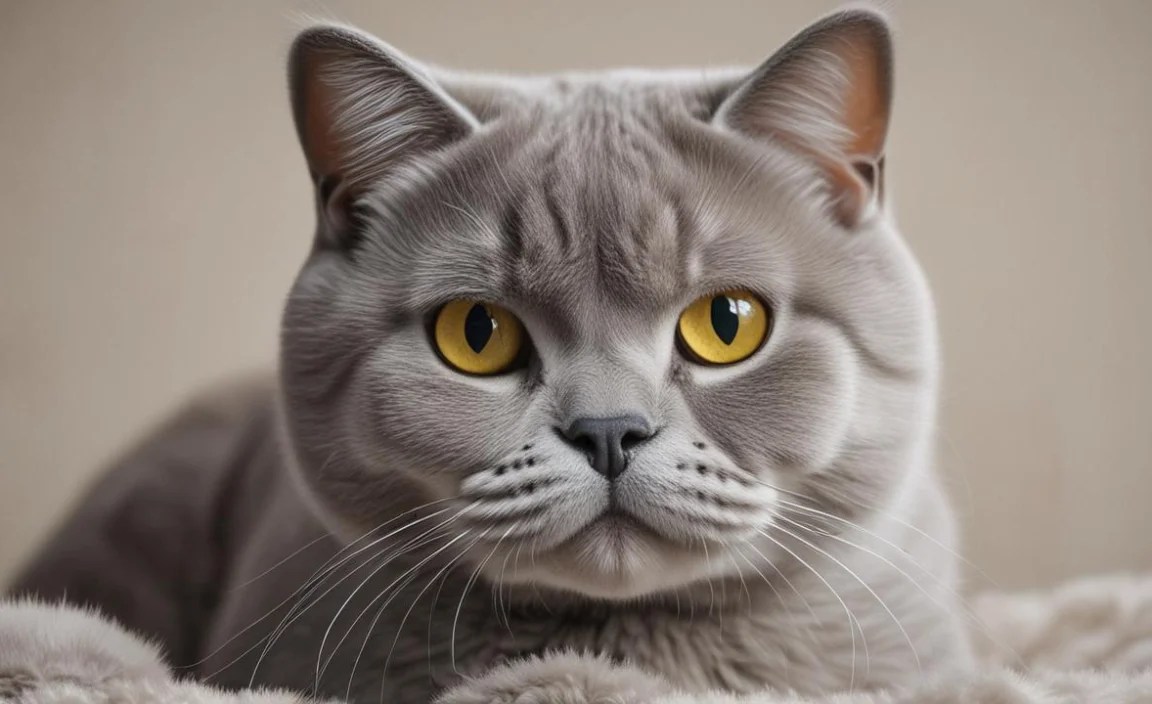
A harmonious environment is key to a successful relationship between a British Shorthair and a dog. Here are some tips to create a peaceful home:
- Provide Vertical Space: Cats feel safer when they have access to high places. Install cat trees, shelves, or window perches.
- Multiple Litter Boxes: Provide multiple litter boxes in different locations to prevent territorial issues. The RSPCA recommends having one more litter box than the number of cats in your home.
- Consistent Routine: Cats thrive on routine. Keep feeding times, playtimes, and other activities consistent.
- Positive Reinforcement: Use positive reinforcement to reward calm and friendly behavior. This will help both your cat and dog associate each other with positive experiences.
The Benefits of a Multi-Pet Household
While introducing a British Shorthair to a dog can be challenging, the rewards can be great. A multi-pet household can bring joy and companionship to everyone involved.
- Companionship: Pets can provide companionship and reduce feelings of loneliness.
- Enrichment: A multi-pet household can provide enrichment and stimulation for both animals.
- Entertainment: Watching your cat and dog interact can be entertaining and rewarding.
- Love and Affection: Pets bring so much love and affection into a home.
| Benefit | Description |
|---|---|
| Companionship | Reduces loneliness and provides a sense of connection for both pets and owners. |
| Enrichment | Offers mental and physical stimulation, preventing boredom and promoting well-being. |
| Entertainment | Provides amusement and joy as you observe their interactions and unique personalities. |
| Love and Affection | Enhances the overall atmosphere of love and happiness within the home. |
Expert Advice on Cat-Dog Introductions
According to the Cornell Feline Health Center, gradual introductions are crucial for successful cat-dog relationships. They recommend starting with scent swapping and controlled, supervised interactions. The key is to allow the cat to set the pace and provide plenty of safe spaces.
TICA (The International Cat Association) also emphasizes the importance of understanding your cat’s personality. Some cats are naturally more adaptable than others. If your British Shorthair is particularly timid, it may take more time and patience to acclimate them to a dog.
British Shorthair and Dog Breed Compatibility
While individual personalities are key, some dog breeds tend to get along better with cats than others. Here’s a quick guide:
| Dog Breed | Compatibility with British Shorthairs | Notes |
|---|---|---|
| Golden Retriever | High | Known for their gentle and friendly nature. |
| Labrador Retriever | High | Similar to Golden Retrievers, they are usually good-natured and tolerant. |
| Bichon Frise | Medium to High | Small and friendly, they are often good with cats. |
| Pug | Medium | Laid-back and not overly energetic, but supervision is still needed. |
| Greyhound | Low | Sight hounds with a high prey drive; requires careful management. |
| Terriers (e.g., Jack Russell) | Low | Bred to hunt, they may have a strong prey drive. |
British Shorthairs in Multi-Pet Homes: Real-Life Examples
Many British Shorthair owners successfully keep their cats with dogs. For instance, Sarah, a British Shorthair owner, shared her experience: “I was worried about introducing my British Shorthair, Winston, to my Labrador, Max. But by following a slow and patient approach, they now coexist peacefully. Winston even initiates playtime sometimes!”
Another owner, John, said, “My British Shorthair, Luna, was initially scared of my Beagle, Charlie. But with plenty of high perches and safe spaces, she gradually became more confident. Now, they often nap in the same room.”
Addressing Common Myths
There are several myths about cats and dogs that can cause unnecessary worry. Let’s debunk a few:
- Myth: Cats and dogs are natural enemies.
- Fact: While they have different communication styles, they can learn to coexist and even form strong bonds.
- Myth: You can’t train a cat to get along with a dog.
- Fact: Cats can be trained using positive reinforcement techniques. Rewarding calm behavior can help them associate the dog with positive experiences.
- Myth: All dogs will chase cats.
- Fact: Some dog breeds are more prone to chasing, but training and socialization can help manage this behavior.
Essential Supplies for a Multi-Pet Home
Having the right supplies can make a big difference in creating a harmonious multi-pet home. Here’s a list of essentials:
- Multiple Food and Water Bowls: To prevent resource guarding.
- Multiple Litter Boxes: One more than the number of cats.
- Cat Trees and Shelves: To provide vertical space and escape routes.
- Scratching Posts: To satisfy your cat’s natural scratching instincts.
- Interactive Toys: To provide enrichment and stimulation for both pets.
- Pet Carrier: For safe and stress-free transportation.
- Leash and Harness: For controlled introductions and supervised outdoor time for your dog.
When to Seek Professional Help
If you are struggling to introduce your British Shorthair to your dog, don’t hesitate to seek professional help. A certified animal behaviorist or veterinarian can provide valuable guidance and support.
Signs you may need professional help include:
- Persistent aggression
- Excessive fear or anxiety
- Resource guarding
- Failure to make progress after several weeks of introductions
British Shorthair and Dog: A Lifelong Commitment
Bringing a British Shorthair into a home with a dog is a lifelong commitment. It requires patience, understanding, and a willingness to adapt. But with the right approach, you can create a loving and harmonious environment for all your furry family members. Remember to always prioritize the safety and well-being of both your cat and dog, and enjoy the unique bond they can share.
FAQ: British Shorthairs and Dogs
1. Are British Shorthairs naturally good with dogs?
British Shorthairs are generally known for their calm and adaptable nature, which can make them more likely to get along with dogs. However, individual personalities and early socialization play a significant role. Some British Shorthairs may be more accepting of dogs than others.
2. How can I introduce my British Shorthair to my dog safely?
Start with scent swapping by exchanging bedding or toys. Then, allow brief, supervised meetings with your dog on a leash. Gradually increase the time they spend together, always monitoring for signs of stress or aggression. Provide your cat with safe spaces to retreat to.
3. What if my dog chases my British Shorthair?
Redirect your dog’s attention with a toy or command. Never punish your dog, as this can create negative associations. If the chasing persists, seek guidance from a professional animal behaviorist.
4. What are the signs that my British Shorthair is stressed around my dog?
Signs of stress include hissing, growling, flattened ears, a tucked tail, hiding, and changes in appetite or litter box habits. If you notice these signs, separate your cat and dog and reassess your introduction strategy.
5. Should I feed my British Shorthair and dog in the same area?
No, it’s best to feed them in separate areas to avoid competition and resource guarding. Make sure each pet has their own food and water bowls, and that they are placed in locations where they feel safe and comfortable.
6. How much time will it take for my British Shorthair and dog to get along?
The timeline varies depending on the individual animals and their personalities. Some cats and dogs may become friends within a few weeks, while others may take several months. Patience and consistency are key.
7. What dog breeds are most likely to get along with British Shorthairs?
Dog breeds known for their gentle and friendly nature, such as Golden Retrievers, Labrador Retrievers, and Bichon Frises, are often good matches for British Shorthairs. However, individual personalities are more important than breed.
Introducing a British Shorthair to a dog can be a rewarding experience with the right approach. Remember, patience and understanding are key. By creating a safe and harmonious environment, you can help your cat and dog become the best of friends. Every pet is unique, and with time and care, your furry companions can live together in peace and happiness. Good luck on your journey to a multi-pet home!


