
Cat Breeds That Tolerate Other Pets: Find Your Match!

Have you ever wondered if cats can have best friends? Some cats love to play with dogs and other cats. It is fun to watch them cuddle and chase each other. Some cat breeds that tolerate other pets are known for being friendly. These cats make great additions to multi-pet homes.
What makes a cat good with other animals? Is it their personality or their breed? Let’s explore the wonderful world of friendly felines. We’ll learn about the cat breeds that tolerate other pets. You might find the perfect furry friend for your family!
Do you dream of a home filled with happy pets? Some cats are naturally more open to sharing their space. These cats can become great companions. Knowing which cat breeds that tolerate other pets can help. It can make introducing a new cat easier.
Key Takeaways
- Some cat breeds that tolerate other pets are naturally more social and friendly.
- The Ragdoll cat is known for its gentle and patient nature.
- The Maine Coon is a large, friendly cat that gets along with others.
- The Burmese cat is playful and enjoys having company.
- Early socialization helps all cats become more accepting of other pets.
Which Cat Breeds Tolerate Other Pets?

Choosing a cat that gets along with other pets is important. Some breeds are known for their friendly nature. These cats often adapt well to homes with dogs, cats, and even smaller animals. The cat breeds that tolerate other pets include Ragdolls, Maine Coons, Burmese, and American Shorthairs. These breeds are generally social and enjoy companionship. However, every cat is different. Individual personalities can vary. Early socialization is key. Expose kittens to other animals early. This helps them learn to accept and enjoy the company of other pets. A friendly cat can bring joy and harmony to your home. They can create a loving and playful environment for everyone. This makes them ideal for families with multiple pets.
- Ragdolls are known for their gentle and docile nature.
- Maine Coons are large and friendly, often called “gentle giants.”
- Burmese cats are playful and love to be around people and other pets.
- American Shorthairs are adaptable and easygoing.
- Early socialization is crucial for any cat.
- A slow and careful introduction helps cats adjust to new companions.
When you bring a new cat home, take it slow. Keep the new cat separate at first. Let the animals get used to each other’s scent. Feed them on opposite sides of a closed door. This helps them associate positive things with each other’s smell. Gradually allow them to see each other. Supervise their interactions closely. If they hiss or growl, separate them again. Try again later. Reward calm behavior with treats and praise. Patience is key to a successful introduction. Over time, most cats will learn to tolerate, and even love, their new companions. Choosing one of the cat breeds that tolerate other pets can make this process easier. But remember, every cat is unique. Give them time and space to adjust.
Are Maine Coons Good with Other Animals?
Maine Coons are often called “gentle giants”. They are known for their friendly and patient nature. These cats get along well with dogs and other cats. Their large size does not make them bullies. They are usually very tolerant. Maine Coons are playful and enjoy having company. They often form strong bonds with their housemates. Do you want a cat that will cuddle with your dog? A Maine Coon might be the perfect choice. They are also intelligent and easy to train. This makes them adaptable to different home environments. Socialization is still important, even with a friendly breed. Expose your Maine Coon to other animals early. This will help them become well-adjusted and happy companions. Maine Coons can bring a lot of love and fun to a multi-pet household.
Do Ragdolls Enjoy Having Company?
Ragdolls are famous for their relaxed and loving personalities. They love to be around people and other animals. These cats are very gentle and patient. They rarely get upset or aggressive. This makes them great companions for children and other pets. Ragdolls often follow their owners around the house. They love to be involved in family activities. They also enjoy cuddling and playing games. Are you looking for a cat that will always be by your side? A Ragdoll might be the perfect fit. Their calm demeanor helps them get along with everyone. They are also very adaptable to new situations. This makes them easy to introduce to new pets. Ragdolls thrive in a loving and social environment. They bring a sense of peace and harmony to any home.
How Important Is Socialization for Cats?
Socialization is very important for all cats. It helps them learn how to interact with others. Early socialization is especially crucial for kittens. Expose them to different people, animals, and environments. This helps them become well-adjusted adults. Kittens that are not socialized may become fearful or aggressive. They may have trouble adapting to new situations. Socialization involves positive experiences. These can include playing, cuddling, and exploring. Introduce your kitten to new things gradually. Make sure they feel safe and secure. Reward them with treats and praise. A well-socialized cat is more likely to be friendly and confident. They will also be better able to handle stress. Socialization is an investment in your cat’s future happiness. It helps them become loving and well-behaved companions.
Fun Fact or Stat: Studies show that cats who are socialized before 14 weeks of age are more likely to be friendly towards other pets.
How to Introduce Cats to Other Pets

Introducing cats to other pets requires patience and care. A slow and gradual approach is best. Start by keeping the new cat separate from the other animals. Use a closed door or a barrier. This allows them to get used to each other’s scent. Feed them on opposite sides of the door. This creates a positive association with each other’s smell. After a few days, allow them to see each other briefly. Supervise their interactions closely. If they hiss or growl, separate them immediately. Try again later. Use positive reinforcement. Reward calm behavior with treats and praise. Gradually increase the amount of time they spend together. Make sure each animal has its own space. This includes food bowls, water bowls, and beds. This reduces competition and stress. With patience and understanding, most cats will eventually learn to coexist peacefully. Some may even become best friends.
- Keep the new cat separate at first.
- Let them get used to each other’s scent.
- Supervise their initial interactions.
- Use positive reinforcement.
- Provide separate resources for each animal.
- Be patient and understanding.
Scent swapping is a great way to introduce cats. Rub a towel on one cat. Then, let the other cat smell the towel. This helps them get used to each other’s scent without a direct confrontation. You can also switch their bedding. Place the new cat’s bed in the other cat’s area. This helps them become familiar with each other’s smell. When they do meet face-to-face, keep the interactions short and supervised. Distract them with toys or treats. This helps them focus on something positive. If they start to fight, separate them immediately. Never punish them for hissing or growling. This will only make them more fearful. Instead, try to redirect their attention. With time and patience, most cats will learn to accept each other. Some may even develop a close bond. A harmonious multi-pet household is possible with the right approach.
Why Is Scent So Important to Cats?
Scent is very important to cats. They use their sense of smell to communicate. Cats have scent glands all over their bodies. They rub against objects to leave their scent. This marks their territory. It also helps them identify other cats. Scent helps cats feel secure and comfortable. When introducing a new cat, scent swapping can be very helpful. It allows them to get used to each other’s smell without a direct encounter. This reduces stress and anxiety. It also helps them feel more comfortable when they finally meet. Scent is a powerful tool for communication and bonding. It plays a key role in feline social interactions. Understanding the importance of scent can help you create a harmonious multi-cat household.
How Can You Reduce Stress During Introductions?
Reducing stress is key to a successful introduction. Keep the environment calm and quiet. Avoid loud noises and sudden movements. Provide each cat with its own safe space. This could be a bed, a crate, or a quiet corner. Make sure they have access to food, water, and a litter box. Use pheromone diffusers. These release calming scents into the air. They can help reduce anxiety. Play soft music. This can help mask any stressful sounds. Spend time with each cat individually. Give them attention and affection. This helps them feel secure and loved. Avoid forcing them to interact. Let them approach each other at their own pace. With patience and understanding, you can help them adjust to each other. A stress-free introduction leads to a happier and more harmonious home.
What Are the Signs of a Positive Interaction?
Knowing the signs of a positive interaction is important. Look for relaxed body language. Cats that are comfortable will have relaxed postures. Their tails will be upright. Their ears will be forward. They may blink slowly. This is a sign of trust. They may also rub against each other. This is a way of exchanging scents. Playful behavior is also a good sign. Cats that are playing together are generally getting along. They may chase each other, wrestle, or bat at toys. Grooming each other is another positive sign. This shows that they are bonding. If you see these behaviors, you know that the introduction is going well. Continue to supervise their interactions. Encourage positive behavior with treats and praise. A positive introduction leads to a lasting friendship.
Fun Fact or Stat: Cats have nearly 200 million scent receptors in their noses, compared to about 5 million in humans.
Training Tips for Multi-Pet Households

Training is essential for creating a harmonious multi-pet household. Teach your pets basic commands. This includes “sit,” “stay,” and “come.” These commands help you control their behavior. They also promote obedience. Use positive reinforcement techniques. Reward good behavior with treats, praise, or toys. Avoid punishment. It can create fear and anxiety. Train each pet separately at first. This allows them to focus without distractions. Gradually introduce them to training sessions together. This helps them learn to cooperate. Consistency is key. Use the same commands and rewards every time. This helps them understand what you want them to do. A well-trained pet is more likely to be calm and well-behaved. This creates a peaceful and enjoyable environment for everyone.
- Teach basic commands like “sit” and “stay.”
- Use positive reinforcement.
- Train each pet separately at first.
- Be consistent with commands and rewards.
- Address any behavioral issues promptly.
- Create a structured routine.
Addressing behavioral issues promptly is important. If your cat is hissing or biting, find out why. It could be fear, anxiety, or territoriality. Consult with a veterinarian or a professional trainer. They can help you identify the cause and develop a solution. Create a structured routine for your pets. This includes feeding times, playtime, and rest periods. A predictable routine helps them feel secure and reduces stress. Provide plenty of enrichment. This includes toys, scratching posts, and climbing structures. Enrichment keeps them entertained and prevents boredom. A bored pet is more likely to develop behavioral problems. Training and enrichment are essential for a happy and harmonious multi-pet household. They help your pets coexist peacefully and enjoy each other’s company.
How Can You Prevent Resource Guarding?
Resource guarding is when a pet becomes possessive of food, toys, or space. They may growl, snap, or bite if another pet approaches. To prevent resource guarding, provide separate resources for each pet. This includes food bowls, water bowls, beds, and toys. Feed them in separate locations. This prevents competition for food. Avoid giving them high-value treats or toys together. These can trigger guarding behavior. If you notice signs of resource guarding, consult with a trainer. They can help you develop a management plan. They may recommend desensitization and counter-conditioning techniques. These techniques help the pet associate positive things with the presence of other animals. Resource guarding can be a serious problem. Early prevention and management are key to a harmonious multi-pet household.
What Is the Best Way to Stop Fights?
Stopping fights between pets requires quick and decisive action. Never try to physically separate fighting animals. You could get bitten or scratched. Instead, use a loud noise or a water spray to startle them. This may be enough to break up the fight. Once they are separated, keep them apart. Give them time to calm down. Identify the cause of the fight. Was it triggered by food, toys, or territory? Address the underlying issue to prevent future fights. If fights are frequent or severe, consult with a veterinarian or a trainer. They can help you identify the cause and develop a solution. They may recommend medication or behavior modification techniques. Preventing fights is essential for a safe and harmonious multi-pet household.
Why Is Enrichment Important for Indoor Cats?
Enrichment is very important for indoor cats. It provides mental and physical stimulation. This helps prevent boredom and behavioral problems. Provide a variety of toys. Rotate them regularly to keep things interesting. Offer scratching posts and climbing structures. These allow cats to express their natural behaviors. Create opportunities for hunting and exploring. Hide treats around the house for them to find. Provide a window perch where they can watch birds and other animals. Spend time playing with your cat. This helps them bond with you and burn off energy. A well-enriched cat is a happy and healthy cat. Enrichment is an essential part of responsible cat ownership.
Fun Fact or Stat: Cats sleep an average of 12-16 hours per day, but they need mental and physical stimulation when they are awake.
Creating a Safe Space for Each Pet
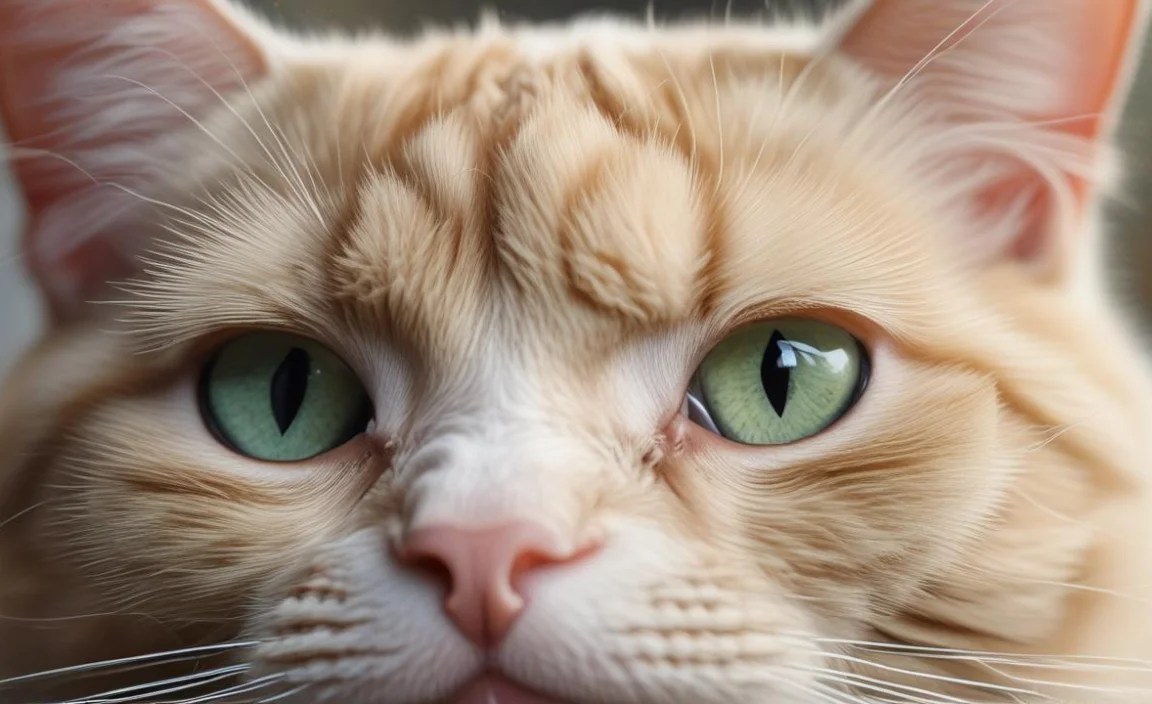
Creating a safe space for each pet is crucial. Every animal needs a place where they can retreat and feel secure. This space should be their own. It should be free from intrusion by other pets or people. Provide each pet with a comfortable bed or crate. Place it in a quiet and secluded area. Make sure they have access to food, water, and a litter box. Never force them to use their safe space. Let them go there voluntarily. If they are feeling stressed or overwhelmed, they will retreat to their safe space. This helps them calm down and feel secure. Respect their privacy. Do not disturb them when they are in their safe space. A safe space provides a sense of security and control. This is essential for their well-being.
- Provide a comfortable bed or crate.
- Place it in a quiet and secluded area.
- Ensure access to food, water, and a litter box.
- Never force them to use their safe space.
- Respect their privacy.
- Make sure it is free from intrusion.
Vertical space is important for cats. Cats love to climb and perch. Provide them with climbing structures, such as cat trees or shelves. This allows them to get up high and survey their surroundings. It also provides a sense of security. Cats feel safer when they can see what’s going on around them. Make sure the climbing structures are sturdy and safe. Place them near windows. This allows them to watch birds and other animals. Vertical space provides enrichment and reduces stress. It also helps cats coexist peacefully. Each cat can have its own territory. This reduces competition and conflict. A well-designed environment promotes harmony and well-being for all pets.
Why Do Cats Need Vertical Space?
Cats need vertical space for several reasons. Climbing is a natural behavior for cats. It allows them to exercise their muscles and stretch their bodies. Vertical space provides a sense of security. Cats feel safer when they are up high. They can survey their surroundings and watch for danger. Climbing structures provide enrichment and stimulation. They prevent boredom and behavioral problems. Vertical space also allows cats to escape from other pets or people. If they are feeling stressed or overwhelmed, they can retreat to a high perch. Vertical space is an essential part of a cat-friendly environment. It promotes physical and mental well-being.
How Can You Make a Crate a Safe Space?
A crate can be a safe and comfortable space for your pet. Start by introducing the crate gradually. Leave the door open and encourage your pet to explore it. Place treats or toys inside the crate. This helps them associate it with positive things. Make the crate comfortable. Add a soft bed or blanket. Cover the crate with a blanket or towel. This creates a den-like atmosphere. Feed your pet in the crate. This helps them associate it with food. Never use the crate as punishment. This will make them fear it. Use the crate for short periods at first. Gradually increase the amount of time they spend in it. A crate can provide a sense of security and comfort. It can be a valuable tool for managing stress and anxiety.
What Are the Benefits of a Cat Tree?
Cat trees offer many benefits for indoor cats. They provide a place to climb, scratch, and perch. This allows cats to express their natural behaviors. Cat trees provide exercise and stimulation. They help prevent boredom and behavioral problems. They also provide a sense of security. Cats feel safer when they are up high. Cat trees can also help reduce stress and anxiety. They provide a safe place to retreat and relax. Choose a cat tree that is sturdy and stable. Place it near a window. This allows your cat to watch birds and other animals. A cat tree is a valuable addition to any cat-friendly home.
Fun Fact or Stat: A cat’s whiskers are about as wide as their body, helping them determine if they can fit through a space.
Managing Food and Water Resources

Managing food and water resources is essential. It prevents competition and stress. Provide separate food and water bowls for each pet. Place them in different locations. This prevents one pet from guarding the resources. Feed them at the same time each day. This creates a predictable routine. It also reduces anxiety. Monitor their eating habits. Make sure each pet is getting enough food. If one pet is eating too much, separate them during meal times. Provide fresh water at all times. Clean the bowls regularly. This prevents bacteria from growing. A well-managed feeding and watering routine promotes harmony and well-being.
- Provide separate food and water bowls.
- Place them in different locations.
- Feed them at the same time each day.
- Monitor their eating habits.
- Provide fresh water at all times.
- Clean the bowls regularly.
Consider using automatic feeders. These can dispense food at set times. This helps regulate their eating habits. It also prevents overeating. Use water fountains. These provide fresh, filtered water. They also encourage pets to drink more. If you have a multi-level home, place food and water bowls on each level. This ensures that each pet has access to resources. It also reduces competition. Be aware of any dietary restrictions. Some pets may have allergies or sensitivities. Provide them with appropriate food. A well-managed food and water routine is essential. It promotes health and well-being for all pets.
| Resource | Why It’s Important | How to Manage |
|---|---|---|
| Food | Prevents competition and ensures adequate nutrition. | Separate bowls, scheduled feedings, monitor intake. |
| Water | Keeps pets hydrated and healthy. | Fresh water daily, clean bowls, water fountains. |
| Space | Provides security and reduces stress. | Separate beds, climbing structures, safe spaces. |
| Toys | Provides enrichment and prevents boredom. | Rotate toys, offer variety, play interactive games. |
How Can You Prevent Overeating in One Pet?
Preventing overeating in one pet requires careful management. Monitor their food intake. Weigh their food to ensure accurate portions. Feed them in separate locations. This prevents them from stealing food from other pets. Use a slow-feeder bowl. This makes them eat more slowly. It also prevents them from gulping down their food. Consider using a puzzle feeder. This requires them to work for their food. It also slows down their eating. If you have multiple pets, feed them at the same time. This prevents one pet from feeling rushed or anxious. Consult with a veterinarian. They can help you determine the appropriate amount of food for each pet. Overeating can lead to obesity and health problems. Early prevention and management are key.
What Are the Benefits of Water Fountains?
Water fountains offer several benefits for pets. They provide fresh, filtered water. This encourages pets to drink more. Water fountains are often more appealing to pets than still water. They mimic the natural flow of water. This can stimulate their interest. Water fountains help prevent dehydration. They also promote kidney health. They are easy to clean and maintain. Choose a water fountain that is made from safe materials. Make sure it is easy to disassemble and clean. Water fountains are a valuable addition to any pet-friendly home.
How Often Should You Clean Food and Water Bowls?
Cleaning food and water bowls regularly is essential. This prevents bacteria from growing. It also promotes hygiene. Clean food bowls after each meal. This removes any leftover food. Wash them with soap and water. Rinse them thoroughly. Clean water bowls daily. This removes any debris or saliva. Wash them with soap and water. Rinse them thoroughly. Use a dishwasher if possible. This sanitizes the bowls. Avoid using harsh chemicals. These can be harmful to pets. Regular cleaning helps prevent the spread of disease. It also ensures that your pets have access to clean and healthy food and water.
Fun Fact or Stat: Dehydration can lead to serious health problems in pets, including kidney disease.
Understanding Cat Body Language
Understanding cat body language is crucial. It helps you interpret their moods and intentions. Cats communicate through a variety of signals. These include their posture, tail position, ear position, and facial expressions. A relaxed cat will have a relaxed posture. Their tail will be upright or slightly curved. Their ears will be forward. They may blink slowly. This is a sign of trust. A fearful cat will crouch down. Their tail will be tucked between their legs. Their ears will be flattened. They may hiss or growl. An aggressive cat will arch their back. Their fur will stand on end. Their tail will twitch. They may swat or bite. Learning to read cat body language helps you understand their needs. It also helps you prevent conflicts.
- Relaxed posture: content and comfortable.
- Upright tail: friendly and confident.
- Flattened ears: fearful or aggressive.
- Slow blinking: sign of trust.
- Hissing or growling: warning sign.
- Swatting or biting: aggressive behavior.
Pay attention to their vocalizations. Cats meow for different reasons. They may be greeting you, asking for food, or expressing discomfort. Learn to recognize the different types of meows. This helps you understand what they want. Purring is usually a sign of contentment. However, cats may also purr when they are stressed or in pain. Context is important. Consider the situation and the cat’s body language. This helps you interpret the meaning of the purr. Understanding cat body language and vocalizations helps you communicate effectively. It also helps you build a strong bond with your feline companion.
What Does It Mean When a Cat Kneads?
Kneading is a common behavior in cats. They push their paws into a soft surface. This is often accompanied by purring. Kneading is a sign of contentment. It is a behavior that cats learn as kittens. They knead their mother’s belly to stimulate milk flow. As adults, they may knead blankets, pillows, or their owners. This is a way of self-soothing. It also releases endorphins. These are natural pain relievers. Some cats may also knead to mark their territory. They have scent glands in their paws. Kneading releases their scent. Kneading is a normal and harmless behavior. It is a sign that your cat feels safe and comfortable.
How Can You Tell If a Cat Is Stressed?
There are several signs that a cat is stressed. They may hide or withdraw. They may stop eating or drinking. They may urinate or defecate outside the litter box. They may groom excessively. They may become aggressive. They may hiss, growl, or swat. They may have dilated pupils. They may pant or breathe rapidly. If you notice these signs, try to identify the cause of the stress. It could be a change in their environment. It could be a new pet or person in the home. It could be a medical condition. Once you identify the cause, try to reduce the stress. Provide them with a safe space. Give them plenty of attention and affection. Consult with a veterinarian if the stress persists.
Why Do Cats Rub Against Your Legs?
Cats rub against your legs for several reasons. They are marking you with their scent. They have scent glands on their cheeks, head, and tail. Rubbing releases their scent. This identifies you as part of their territory. They are also seeking attention. Rubbing is a way of saying hello. It is also a way of asking for affection. They are also showing affection. Rubbing is a sign of trust and bonding. It is a way of saying that they love you. Enjoy the attention. It is a sign that your cat feels comfortable and secure around you.
Fun Fact or Stat: A cat’s purr vibrates at a frequency of 25 to 150 Hertz, which can promote healing in bones and tissues.
Summary
Choosing cat breeds that tolerate other pets can make a big difference in a multi-pet household. Breeds like Ragdolls, Maine Coons, and Burmese cats are known for their friendly nature. However, every cat is unique. Early socialization is very important. Introduce kittens to other animals early. This helps them learn to accept and enjoy the company of other pets. A slow and gradual introduction is best. Keep the new cat separate at first. Let them get used to each other’s scent. Supervise their initial interactions. Use positive reinforcement. Provide separate resources for each animal. With patience and understanding, most cats will eventually learn to coexist peacefully. Some may even become best friends.
Conclusion
Creating a harmonious multi-pet household takes time and effort. It involves choosing the right cat breeds that tolerate other pets, proper introductions, and consistent training. Providing safe spaces, managing resources, and understanding cat body language are also essential. With patience and understanding, you can create a loving and playful environment for all your pets. Remember that every animal is unique. Give them the time and space they need to adjust. A well-managed multi-pet household can bring joy and companionship to your life.
Frequently Asked Questions
Question No 1: What are some of the friendliest cat breeds that get along well with other pets?
Answer: Some of the friendliest cat breeds that tolerate other pets include Ragdolls, Maine Coons, Burmese, and American Shorthairs. Ragdolls are known for their gentle and docile nature. Maine Coons are large and friendly, often called “gentle giants.” Burmese cats are playful and love to be around people and other pets. American Shorthairs are adaptable and easygoing. These breeds are generally social and enjoy companionship. However, every cat is different. Individual personalities can vary. Early socialization is key to ensuring they get along well with other animals in the household.
Question No 2: How important is early socialization for cats in a multi-pet household?
Answer: Early socialization is extremely important for cats in a multi-pet household. It helps them learn how to interact with other animals in a positive way. Kittens that are exposed to different people, animals, and environments early in life are more likely to be well-adjusted and friendly as adults. Socialization involves positive experiences. These can include playing, cuddling, and exploring. Introduce your kitten to new things gradually. Make sure they feel safe and secure. Reward them with treats and praise. A well-socialized cat is more likely to be friendly and confident. They will also be better able to handle stress.
Question No 3: What are some tips for introducing a new cat to other pets in the house?
Answer: Introducing a new cat to other pets requires patience and a gradual approach. Start by keeping the new cat separate from the other animals. Use a closed door or a barrier. This allows them to get used to each other’s scent. Feed them on opposite sides of the door. This creates a positive association with each other’s smell. After a few days, allow them to see each other briefly. Supervise their interactions closely. If they hiss or growl, separate them immediately. Use positive reinforcement. Reward calm behavior with treats and praise. Gradually increase the amount of time they spend together.
Question No 4: How can I create a safe space for each pet in a multi-pet household?
Answer: Creating a safe space for each pet is crucial for their well-being. Every animal needs a place where they can retreat and feel secure. This space should be their own. It should be free from intrusion by other pets or people. Provide each pet with a comfortable bed or crate. Place it in a quiet and secluded area. Make sure they have access to food, water, and a litter box. Never force them to use their safe space. Let them go there voluntarily. If they are feeling stressed or overwhelmed, they will retreat to their safe space. This helps them calm down and feel secure.
Question No 5: What are some signs that a cat is stressed in a multi-pet environment?
Answer: There are several signs that a cat is stressed in a multi-pet environment. They may hide or withdraw. They may stop eating or drinking. They may urinate or defecate outside the litter box. They may groom excessively. They may become aggressive. They may hiss, growl, or swat. They may have dilated pupils. They may pant or breathe rapidly. If you notice these signs, try to identify the cause of the stress. It could be competition for resources. It could be bullying from another pet. It could be a lack of safe space.
Question No 6: How can I manage food and water resources to prevent competition among pets?
Answer: Managing food and water resources is essential for preventing competition and stress among pets. Provide separate food and water bowls for each pet. Place them in different locations. This prevents one pet from guarding the resources. Feed them at the same time each day. This creates a predictable routine. It also reduces anxiety. Monitor their eating habits. Make sure each pet is getting enough food. If one pet is eating too much, separate them during meal times. Provide fresh water at all times. Clean the bowls regularly. A well-managed feeding and watering routine promotes harmony. Choosing cat breeds that tolerate other pets also helps.


