
British Shorthair Outdoor Safety: The Smart Guide

Have you ever seen a fluffy British Shorthair cat? They look like teddy bears! These cats love to play and explore. But is it safe for them to go outside? British Shorthair outdoor safety is very important. We need to keep these sweet cats safe from harm.
Let’s learn how to protect our furry friends. What dangers might they face outside? How can we make sure they stay healthy and happy? Keep reading to find out!
Key Takeaways
- Always supervise your British Shorthair when they are outdoors.
- Use a harness and leash for safe outdoor exploration.
- Vaccinations and parasite control are vital for British Shorthair outdoor safety.
- Create a safe and enclosed outdoor space for your cat.
- Know the signs of common outdoor dangers and act quickly.
Understanding British Shorthair Outdoor Risks

Let’s talk about the risks for British Shorthairs outside. It’s important to know what can hurt them. Cars are a big danger. Cats can run into the street without looking. Other animals can also be a problem. Dogs might chase your cat. Wild animals could fight with your cat. Poisons are another risk. Some people use chemicals to kill bugs or weeds. These can be very bad for your cat. Plants can also be poisonous. Some flowers and leaves are not safe to eat. Weather is also a factor. Very hot or cold weather can make your cat sick. Being aware helps keep your British Shorthair safe.
- Cars can hit cats that run into the street.
- Dogs may chase and hurt your cat.
- Wild animals can fight and spread diseases.
- Poisons like rat bait are dangerous.
- Some plants are toxic if eaten.
- Extreme weather can cause health problems.
Thinking about these dangers can be scary. But knowing about them is the first step. You can take steps to protect your cat. Keep your cat inside or in a safe outdoor area. Always watch your cat when it is outside. Make sure your cat has all its shots. This will help protect it from diseases. Check your yard for poisons and dangerous plants. By being careful, you can help your British Shorthair stay safe and healthy. They can enjoy the outdoors without getting hurt. You can also learn first aid. This will help if your cat gets into trouble.
Fun Fact or Stat:British Shorthairs are one of the oldest cat breeds in England. They were brought to the UK by the Romans!
What are Common Outdoor Hazards?
Have you ever wondered what dangers lurk outside for your kitty? Outdoor hazards can be anything that can harm your British Shorthair. This includes things like cars, other animals, and even certain plants. Cars are a major threat because cats don’t always understand traffic. They might dart across the road without looking, putting them in danger. Other animals, such as dogs or foxes, can also pose a risk. These animals might chase or attack your cat, leading to injuries. Even some common garden plants can be poisonous if ingested. It’s important to know which plants to avoid.
How Can I Identify Poisonous Plants?
Do you know which plants in your yard could make your cat sick? Identifying poisonous plants is super important. Some common culprits include lilies, azaleas, and daffodils. If your cat eats these, it can cause vomiting, diarrhea, or even more serious problems. A good way to protect your cat is to remove these plants from your garden. You can also keep your cat away from areas where these plants grow. If you’re not sure about a plant, it’s best to err on the side of caution. You can check online or ask a local garden center for advice.
What First Aid Steps Should I Know?
Imagine your cat gets into a scrape outside. Would you know what to do? Learning basic first aid can be a lifesaver. If your cat is injured, the first thing to do is stay calm. Then, check for any obvious injuries, like cuts or bleeding. Use a clean cloth to gently apply pressure to any wounds. If your cat has been poisoned, try to find out what they ingested. Contact your vet immediately and follow their instructions. Knowing these simple steps can help you care for your British Shorthair until you can get them to a vet.
Creating a Safe Outdoor Space

Want your cat to enjoy the outdoors safely? Creating a safe outdoor space is a great idea. A catio is one option. This is a screened-in patio just for cats. It keeps them in and other animals out. Fencing your yard can also work. Make sure the fence is tall enough. Cats can jump high! You can also use special netting on top of the fence. This stops cats from climbing over. Check the yard for holes or gaps. Cats can squeeze through small spaces. Remove any poisons or dangerous plants. Make sure there’s shade and water. Your cat needs a cool place to rest. By creating a safe space, you protect your British Shorthair.
- Build a catio for a safe outdoor area.
- Use tall fences with netting to prevent escapes.
- Check for and seal any holes in the fence.
- Remove poisons and dangerous plants from the yard.
- Provide shade and fresh water.
- Regularly inspect the area for new hazards.
Think of it like building a playground. You want to make sure it is safe. You would check for sharp edges or loose parts. You would also make sure there’s a soft landing. Creating a safe space for your cat is the same. You are protecting them from harm. It allows them to explore and play without danger. Plus, you will feel better knowing they are safe. You can relax and watch them enjoy the fresh air. British Shorthair outdoor safety is about creating a happy and healthy environment. This benefits both you and your furry friend.
Fun Fact or Stat:Catios are becoming very popular. Some people even build them themselves using DIY kits!
What is a “Catio” and How to Build One?
Have you ever heard of a catio? It’s like a patio, but for cats! A catio is an enclosed outdoor space where your cat can enjoy the fresh air without the risks of wandering off or encountering dangers. You can build one yourself or buy a pre-made kit. Building one yourself can be a fun project. You’ll need wood, wire mesh, and some basic tools. Start by planning the size and shape of your catio. Then, build a frame and cover it with wire mesh. Make sure to include a door for easy access. Add some shelves or climbing structures for your cat to enjoy. Now your British Shorthair has a safe outdoor haven!
Fencing Options for Cat Safety
What kind of fence will keep your cat safe? Fencing is a great way to create a secure outdoor space. But not all fences are created equal. Cats are clever and can often find ways to escape. A tall fence is a good start. Aim for at least six feet high. You can also add netting to the top of the fence to prevent climbing. Another option is to use a special cat-proof fence. These fences have a curved top that makes it difficult for cats to grip. Regular fences are also a good deterant to protect your British Shorthair.
Landscaping Tips for a Safe Garden
Did you know that your garden could be dangerous for your cat? Landscaping can make your yard beautiful and safe for your British Shorthair. Start by identifying and removing any poisonous plants. Choose cat-friendly plants, such as catnip or cat grass. These plants are safe for your cat to nibble on. Avoid using pesticides or herbicides, as these can be harmful. Create shady spots for your cat to cool off in. A water feature can also be a nice addition. Just make sure it’s shallow enough for your cat to safely drink from. These simple changes can make your garden a safe haven for your feline friend.
Using Harnesses and Leashes
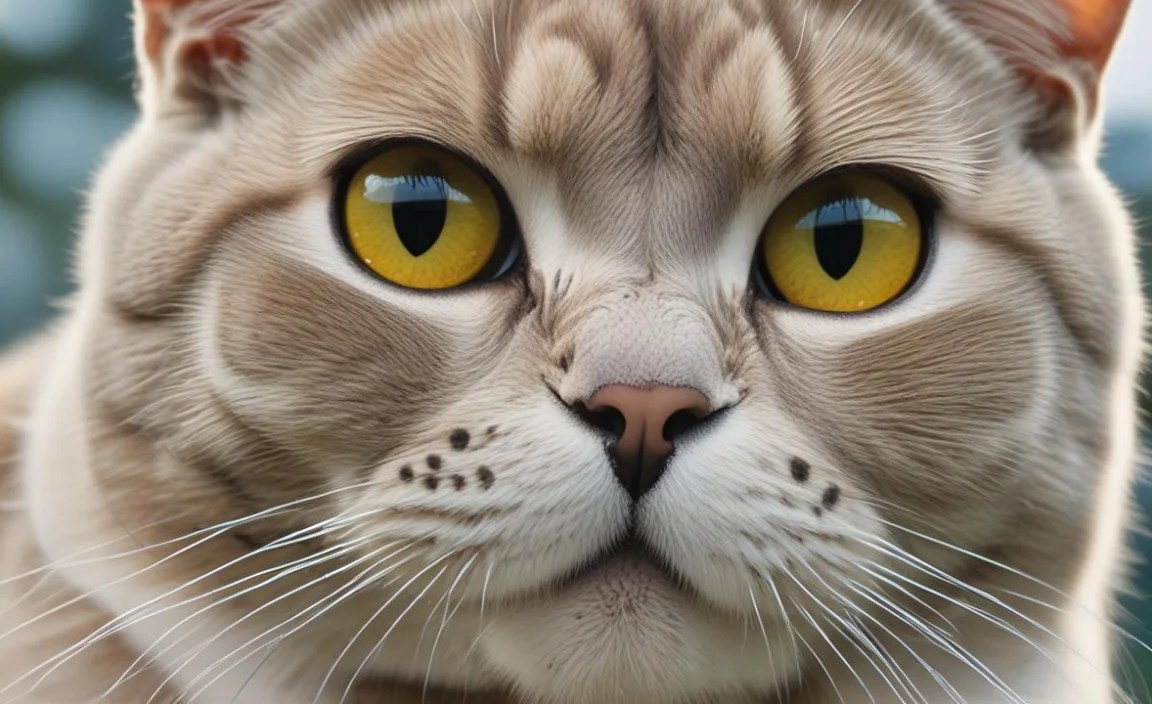
Want to take your cat for a walk? A harness and leash are a must! Some cats don’t like them at first. But with patience, they can learn to enjoy it. Start by letting your cat wear the harness inside. Do this for short periods. Make sure the harness fits well. It should be snug but not too tight. Attach the leash and let your cat drag it around. This helps them get used to the feeling. Next, take your cat outside in a safe area. Keep the leash short at first. Let them explore and sniff around. Always reward them with treats and praise. This helps them associate the harness and leash with good things. This is key for British Shorthair outdoor safety.
- Start with indoor training sessions.
- Make sure the harness fits properly.
- Let your cat drag the leash around indoors.
- Use positive reinforcement with treats and praise.
- Begin with short outdoor walks in safe areas.
- Always supervise your cat on the leash.
Think of it like teaching a dog to walk on a leash. It takes time and patience. You wouldn’t expect a dog to be perfect right away. It’s the same with cats. Some cats may never like it. That’s okay too. The goal is to give them a safe way to explore. This allows them to experience the outdoors without getting lost or hurt. A harness and leash can be a great tool. It promotes British Shorthair outdoor safety. It helps your cat enjoy the world around them.
Fun Fact or Stat:More and more cat owners are using harnesses and leashes. It’s becoming a popular way to exercise cats!
Choosing the Right Harness
Is your cat ready for a walk? Choosing the right harness is the first step. There are many different types of harnesses available. Some are vests, while others are made of straps. A good harness should fit snugly but not too tight. You should be able to fit two fingers between the harness and your cat’s body. Make sure the harness is adjustable. This will allow you to get a perfect fit. Look for a harness made of soft, breathable material. This will keep your cat comfortable. Always supervise your cat when they are wearing a harness. This will ensure their safety and comfort.
Training Your Cat to Wear a Harness
How do you get your cat to wear a harness? Training takes patience and positive reinforcement. Start by introducing the harness to your cat. Let them sniff it and get used to it. Then, try putting the harness on for a few seconds. Reward your cat with a treat and praise. Gradually increase the amount of time your cat wears the harness. Once your cat is comfortable wearing the harness indoors, you can start taking them outside. Start with short walks in a safe, enclosed area. Always supervise your cat and reward them for good behavior.
Leash Walking Tips
Ready to explore the great outdoors with your cat? Leash walking can be a fun activity for both of you. Choose a lightweight leash that is comfortable to hold. Start by walking in a quiet area with few distractions. Let your cat lead the way and explore at their own pace. Avoid pulling on the leash, as this can be uncomfortable for your cat. Always be aware of your surroundings and watch out for potential hazards. Reward your cat with treats and praise for good behavior. With patience and practice, you and your cat can enjoy many happy walks together.
Vaccinations and Parasite Control

Keeping your cat healthy is key. Vaccinations and parasite control are very important. Vaccines protect against diseases. These diseases can make your cat very sick. Parasites like fleas and ticks can cause problems. They can make your cat itchy and uncomfortable. Some parasites can even spread diseases. Talk to your vet about what your cat needs. They can help you create a plan. This plan will keep your cat safe from diseases and parasites. Regular checkups are also important. The vet can catch problems early. This makes them easier to treat. British Shorthair outdoor safety includes health care.
| Parasite | Symptoms | Prevention |
|---|---|---|
| Fleas | Itching, scratching, hair loss | Flea treatments, regular grooming |
| Ticks | Visible ticks, fever, Lyme disease | Tick prevention products, check after outdoor time |
| Heartworms | Coughing, difficulty breathing, fatigue | Monthly heartworm prevention |
| Intestinal Worms | Vomiting, diarrhea, weight loss | Regular deworming medication |
- Vaccinate your cat against common diseases.
- Use flea and tick prevention products.
- Give your cat heartworm medication.
- Regularly deworm your cat.
- Take your cat for regular vet checkups.
- Follow your vet’s recommendations.
Think of vaccines as a shield. They protect your cat from getting sick. Parasite control is like bug spray. It keeps pests away. Taking care of your cat’s health is part of being a good owner. It shows you care about their well-being. A healthy cat is a happy cat. British Shorthair outdoor safety means more than just keeping them inside. It also means making sure they are protected from illness. Work with your vet to keep your furry friend healthy and strong.
Fun Fact or Stat:Vaccines have saved millions of pets from deadly diseases!
Why Are Vaccinations Important?
Have you ever wondered why your cat needs shots? Vaccinations are like a superhero shield for your cat. They protect against serious diseases that can make your cat very sick. Some of these diseases, like feline leukemia and rabies, can even be deadly. When your cat gets vaccinated, their body learns how to fight off these diseases. This means that if your cat is ever exposed to these diseases, they will be much less likely to get sick. Keeping your cat up-to-date on their vaccinations is one of the best things you can do for their health.
How Do I Control Fleas and Ticks?
Are fleas and ticks bugging your cat? These pesky parasites can cause a lot of discomfort for your furry friend. Fleas can cause itching and skin irritation. Ticks can transmit diseases like Lyme disease. There are many ways to control fleas and ticks. You can use topical treatments, oral medications, or even flea and tick collars. Talk to your vet about which option is best for your cat. Regularly check your cat for fleas and ticks, especially after they have been outside. Removing these parasites promptly can help keep your cat healthy and happy.
What is Heartworm Prevention?
Have you heard of heartworm? It’s a serious disease that can affect cats. Heartworms are parasites that live in the heart and lungs. They can cause damage to these organs and even lead to death. Heartworm is transmitted through mosquito bites. This means that even indoor cats are at risk. Fortunately, there are medications that can prevent heartworm. These medications are usually given monthly. Talk to your vet about heartworm prevention for your cat. Protecting your cat from heartworm is an important part of responsible pet ownership.
Supervising Outdoor Time
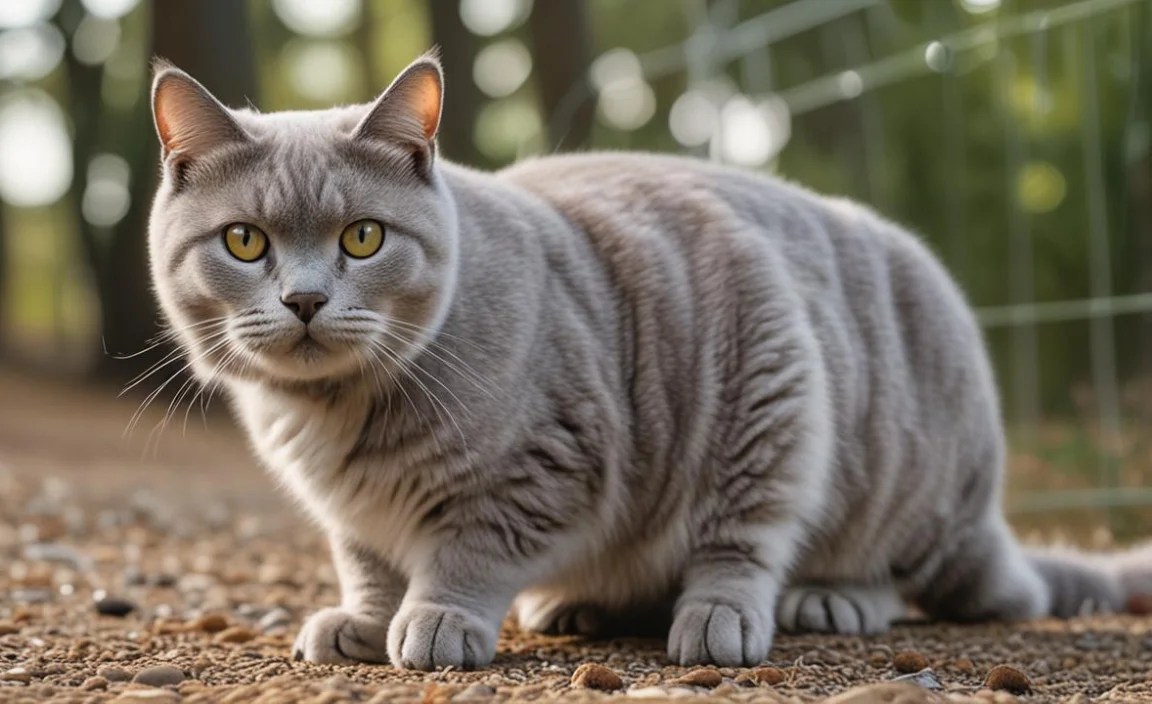
Always watch your cat outside. Never let them roam free. Supervision is very important. Even in a fenced yard, things can happen. A dog could dig under the fence. A person could leave a gate open. Your cat could find a way to escape. When you are watching, you can react quickly. You can stop your cat from getting into trouble. You can also protect them from other animals. Bring your cat inside at night. This keeps them safe from predators. It also protects them from the cold. British Shorthair outdoor safety relies on you.
- Never let your cat roam unsupervised.
- Watch your cat closely when outside.
- Be ready to react to potential dangers.
- Bring your cat inside at night.
- Check your yard for hazards regularly.
- Know your cat’s behavior and habits.
Think of it like watching a child at the park. You wouldn’t let them run off on their own. You would keep an eye on them. You would make sure they are safe. Supervising your cat is the same. You are being a responsible pet owner. You are protecting them from harm. This allows them to enjoy the outdoors without getting hurt. It also gives you peace of mind. Knowing your cat is safe makes outdoor time more enjoyable for everyone. It shows you care about British Shorthair outdoor safety.
Fun Fact or Stat:Cats that are supervised outdoors live longer than those who roam freely!
Why is Supervision Important?
Have you ever wondered why you need to watch your cat outside? Supervision is crucial for keeping your cat safe. Even if you have a fenced yard, there are still potential dangers. Your cat could encounter other animals, such as dogs or wild animals. They could also come across poisonous plants or chemicals. By supervising your cat, you can quickly intervene if they get into trouble. You can also prevent them from wandering off and getting lost. Supervision is a simple but effective way to protect your cat.
How to Make Outdoor Time Fun and Safe
Want your cat to love outdoor time? Make it fun and safe! Start by choosing a safe, enclosed area where your cat can explore. Provide plenty of toys and activities to keep them entertained. A scratching post, a climbing tree, or even a simple cardboard box can provide hours of fun. You can also hide treats around the area for your cat to find. Always supervise your cat during outdoor time and watch out for potential hazards. With a little planning, you can create a fun and safe outdoor experience for your feline friend.
What to Do in Case of an Emergency
Imagine your cat gets into trouble outside. Would you know what to do? It’s important to be prepared for emergencies. Keep a first aid kit handy with supplies like bandages, antiseptic wipes, and tweezers. If your cat is injured, stay calm and assess the situation. If the injury is serious, take your cat to the vet immediately. If your cat has been poisoned, try to identify the substance and contact your vet or a pet poison control center. Knowing what to do in an emergency can help you save your cat’s life.
Recognizing and Reacting to Dangers
Learn to spot dangers. Know what to do if something happens. If your cat is bitten by another animal, get them to the vet right away. If they eat something poisonous, call the vet or a pet poison hotline. If they get lost, search the neighborhood. Put up posters with their picture. Check with local shelters. If they are hit by a car, take them to the vet immediately. Even if they seem okay, they could have hidden injuries. Quick action can save your cat’s life. Being prepared is key for British Shorthair outdoor safety.
- Know the signs of common injuries and illnesses.
- Keep your vet’s number handy.
- Know the location of the nearest emergency vet.
- Learn basic pet first aid.
- Stay calm in an emergency.
- Act quickly to get your cat help.
Think of it like being a lifeguard. You need to be alert and ready to help. You need to know what to do in different situations. You wouldn’t wait to help someone who is drowning. You would jump in and take action. It’s the same with your cat. You need to be ready to help them if they are in danger. Your quick thinking can make a big difference. It can save them from serious harm. This is essential for British Shorthair outdoor safety.
Fun Fact or Stat:Knowing pet first aid can increase your pet’s chances of survival in an emergency!
Signs of Common Injuries
Can you tell if your cat is hurt? Knowing the signs of common injuries is important. If your cat is limping, they may have a sprain or fracture. If they are bleeding, apply pressure to the wound with a clean cloth. If they are having trouble breathing, this could be a sign of a serious injury. Other signs of injury include vomiting, diarrhea, and loss of appetite. If you notice any of these signs, take your cat to the vet right away. Early treatment can prevent serious complications.
What to Do If Your Cat Eats Something Poisonous
Oh no! What if your cat eats something they shouldn’t? If you suspect your cat has eaten something poisonous, act quickly. First, try to identify what they ate. Then, call your vet or a pet poison control center. They can advise you on what to do next. Do not try to induce vomiting unless your vet tells you to. Some substances can cause more damage if they are vomited up. Take your cat to the vet immediately. The sooner they receive treatment, the better their chances of recovery.
How to Find a Lost Cat
Losing your cat can be a scary experience. But there are things you can do to increase your chances of finding them. Start by searching your neighborhood. Call your cat’s name and listen for a response. Check under bushes, in garages, and other hiding spots. Put up posters with your cat’s picture and contact information. Contact local animal shelters and rescue organizations. Post about your lost cat on social media. The more people who are looking, the better your chances of finding your furry friend.
Summary
British Shorthair outdoor safety is very important for your cat’s well-being. There are many things to think about when letting your cat outside. Cars, other animals, and poisons can all be dangerous. You can create a safe outdoor space with a catio or a fenced yard. A harness and leash are great for supervised walks. Vaccinations and parasite control keep your cat healthy. Always watch your cat when they are outside. Know how to react in case of an emergency. You can help your British Shorthair live a long and happy life by following these tips.
Conclusion
Keeping your British Shorthair safe outside takes effort. It means understanding the risks. It also means taking steps to protect them. Use a harness and leash. Create a safe outdoor space. Make sure they have their shots. Always supervise them. By being careful, you can let your cat enjoy the outdoors. You can give them a happy and healthy life. Remember, British Shorthair outdoor safety is your responsibility.
Frequently Asked Questions
Question No 1: Is it safe to let my British Shorthair roam freely outside?
Answer: No, it is generally not safe. Letting your British Shorthair roam freely outside exposes them to many dangers. These include cars, other animals, poisons, and diseases. Unsupervised outdoor time significantly increases the risk of injury, illness, or even death. It is always best to supervise your cat when they are outside. You can also create a safe and enclosed outdoor space for them to enjoy. This will ensure they can experience the outdoors without the risks of roaming free. Always prioritize British Shorthair outdoor safety.
Question No 2: What are the benefits of using a harness and leash for outdoor time?
Answer: Using a harness and leash allows you to control your cat’s movements. It keeps them safe from potential dangers. It prevents them from running into the street or getting into fights with other animals. It also allows them to explore the outdoors. They can sniff around and enjoy the fresh air. Without the risk of getting lost or injured. Training your cat to wear a harness takes patience. But it can be a rewarding experience for both you and your furry friend. It’s a great way to promote British Shorthair outdoor safety.
Question No 3: How can I create a safe outdoor space for my British Shorthair?
Answer: There are several ways to create a safe outdoor space. A catio is a great option. It’s a screened-in enclosure that allows your cat to enjoy the outdoors without the risks. You can also fence your yard. Make sure the fence is tall enough. Cats can jump high! Remove any poisonous plants or chemicals from the area. Provide shade and fresh water. Regularly inspect the area for hazards. A safe outdoor space allows your cat to enjoy the outdoors. It provides a safe and controlled environment.
Question No 4: What vaccinations does my British Shorthair need?
Answer: Your British Shorthair needs core vaccinations. These protect against common and serious diseases. Core vaccines include feline distemper, feline herpesvirus, feline calicivirus, and rabies. Your vet may also recommend non-core vaccines. These depend on your cat’s lifestyle and risk factors. Talk to your vet. They can create a vaccination plan. This plan is right for your cat. Keeping your cat up-to-date on their vaccinations is crucial. It’s important for their health and well-being. This is a key part of British Shorthair outdoor safety.
Question No 5: How can I protect my British Shorthair from parasites?
Answer: Protecting your British Shorthair from parasites is essential for their health. Use flea and tick prevention products. These come in different forms. Topical treatments, oral medications, and collars are good options. Give your cat heartworm medication. This medication prevents heartworm disease. Regularly deworm your cat. This eliminates intestinal worms. Talk to your vet about the best parasite prevention plan. Regular vet checkups are important. Your vet can detect and treat parasite infections early. Protecting your cat from parasites is a key part of British Shorthair outdoor safety.
Question No 6: What should I do if my British Shorthair gets lost outside?
Answer: If your British Shorthair gets lost, act quickly. Search your neighborhood. Call your cat’s name. Check under bushes and in hiding spots. Put up posters with your cat’s picture and contact information. Contact local animal shelters and rescue organizations. Post about your lost cat on social media. Check online lost pet websites. The more people who are looking, the better your chances of finding your cat. Microchipping your cat can also help. If your cat is found, the microchip can be scanned. It can help reunite you with your furry friend.


