
British Shorthair Breed Standards: The Ultimate Guide

Have you ever seen a cat that looks like a fluffy teddy bear? That might be a British Shorthair! These cats are known for their round faces and thick fur. But what makes a British Shorthair a *really* good one? That’s where british shorthair breed standards come in. These standards help people know what to look for.
They describe the perfect British Shorthair. It is like a rule book for cat shows. Or for people who want to breed these cute cats. Let’s learn more about what makes a British Shorthair special.
Key Takeaways
- British Shorthair breed standards define the ideal look and personality.
- A round face and sturdy body are key features of the breed.
- Coat color and texture are very important in judging the breed.
- Good temperament is also part of what makes them special.
- These standards help breeders maintain the breed’s quality.
Understanding Breed Standard for British Shorthairs

The british shorthair breed standards are like a blueprint. They tell breeders and judges what to look for in a perfect cat. These standards cover everything from the cat’s head shape to its tail length. They even talk about the cat’s personality! The goal is to keep the breed healthy and looking its best. These standards aren’t just for show cats. They help anyone who loves British Shorthairs. If you know what to look for, you can spot a good one. It is like knowing the rules of a game. The rules help you understand what is happening. Understanding the breed standards can help you appreciate these cats even more. Breed standards ensure we have these wonderful companions for years to come.
- Head shape should be round and full.
- Eyes should be large and copper-colored.
- Coat should be dense and plush.
- Body should be sturdy and well-proportioned.
- Tail should be thick and medium in length.
Imagine you are building a Lego castle. You need instructions to make it look right. The british shorthair breed standards are like those instructions. They tell you what each part of the cat should look like. Think about the cat’s fur. It should be thick and feel like a soft blanket. Or think about the cat’s eyes. They should be big and round, like shiny pennies. All these details add up to make a perfect British Shorthair. Knowing these standards helps breeders make good choices. They can choose cats that will have cute kittens. This helps keep the breed strong and healthy. It also means more people can enjoy these amazing cats. These standards are really important for the breed.
Fun Fact or Stat: The British Shorthair is one of the oldest cat breeds in England!
Why Are Breed Standards Important?
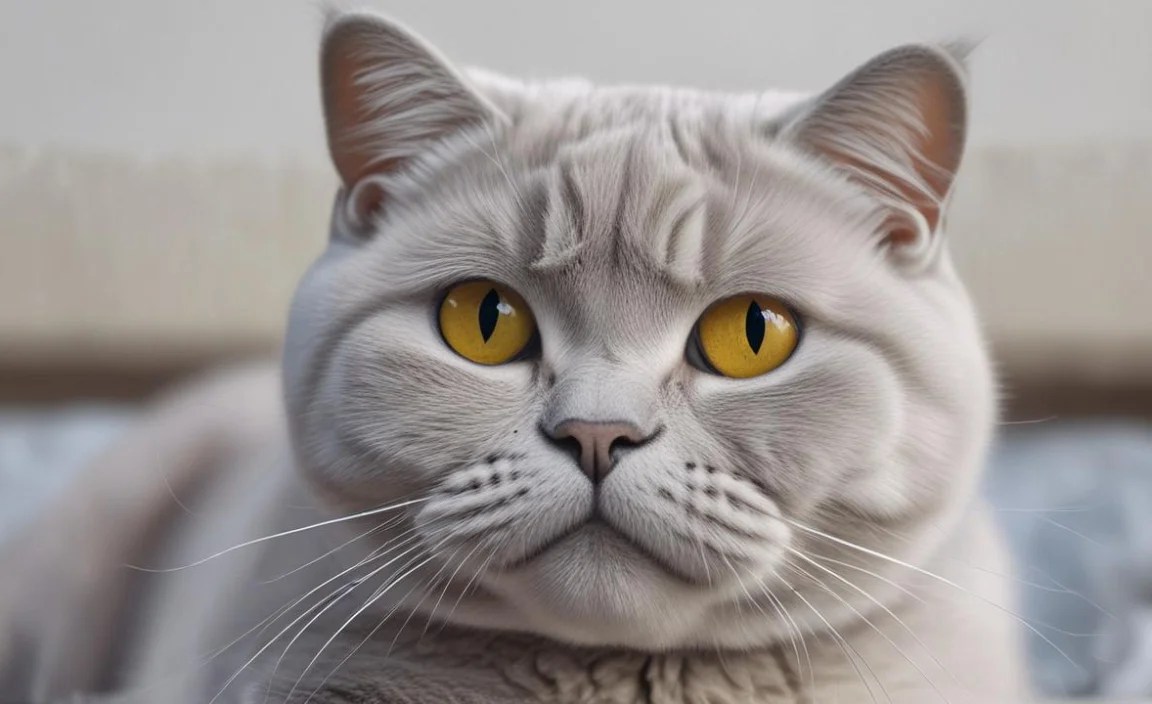
Have you ever wondered why some dogs look so different from each other? It’s because of breeding! People choose which dogs to have puppies. They pick dogs with certain traits. The same thing happens with cats. British shorthair breed standards help breeders pick the best cats. They want to make sure the kittens are healthy. They also want the kittens to look like British Shorthairs. Without these standards, the breed might change. The cats might not look the same anymore. They might have different personalities. These standards keep the breed true to itself. It is like following a recipe to make sure your cake tastes good. The standards are the recipe for a perfect British Shorthair.
How Do Judges Use Breed Standards?

Imagine you are a judge at a cat show. Your job is to pick the best British Shorthair. How do you do it? You use the british shorthair breed standards! You look at each cat carefully. You check its head shape, its fur, and its eyes. You see if it matches the standards. The cat that comes closest to the standards wins. It is like a beauty contest for cats. But it is not just about looks. Judges also look at the cat’s personality. Is it friendly and calm? Or is it scared and angry? A good British Shorthair should be relaxed and happy. The judges use the standards to find the best cat. It’s a tough job, but someone has to do it!
What Happens if a Cat Doesn’t Meet the Standards?

Not every British Shorthair is perfect. Some cats might have ears that are too big. Others might have fur that is too thin. What happens to these cats? They are still loved! But they might not win at cat shows. And they might not be used for breeding. This is because breeders want to make sure their kittens are perfect. If they breed a cat with flaws, the kittens might have those flaws too. It is like planting seeds from a bad apple. You might get more bad apples! So, breeders try to choose the best cats. This helps keep the breed healthy and strong. Even if a cat doesn’t meet the british shorthair breed standards, it can still be a great pet.
Key Physical Traits in British Shorthair Breed Standards

What makes a British Shorthair look like a British Shorthair? It’s all about the details! The british shorthair breed standards describe these details. The head should be round and wide. The cheeks should be full and chubby. The eyes should be big and round, like copper pennies. The body should be sturdy and muscular. The legs should be short and strong. And the tail should be thick and medium in length. All these things add up to make a cat that looks like a teddy bear. The coat is also very important. It should be thick and dense, like a plush carpet. These cats come in many colors, but blue is the most famous. These physical traits are what make this breed so special.
- Round head with full cheeks
- Large, round copper-colored eyes
- Short, thick legs
- Dense, plush coat
- Medium-length, thick tail
- Sturdy, muscular body
Imagine you are drawing a picture of a British Shorthair. What would you include? You would start with a round head and chubby cheeks. Then you would add big, round eyes. Next, you would draw a sturdy body with short, thick legs. Don’t forget the plush coat! And the medium-length, thick tail. If you get all these details right, your picture will look just like a British Shorthair. The british shorthair breed standards are like a guide for your drawing. They tell you exactly what the cat should look like. Following these standards helps breeders create beautiful cats. It also helps judges pick the best cats at shows. It is all about the details!
Fun Fact or Stat: British Shorthairs are known for their “Cheshire Cat” smile!
The Importance of Coat Texture

Have you ever petted a cat with really soft fur? It feels so good! The coat of a British Shorthair is very important. The british shorthair breed standards say it should be dense and plush. This means it should be thick and feel like a soft carpet. The coat should also stand away from the body. This makes the cat look even fluffier! The texture of the coat is just as important as the color. A good coat can make a cat look even more impressive. Breeders pay close attention to the coat. They want to make sure their cats have the perfect fur. A good coat is a sign of a healthy cat.
Understanding Eye Color Requirements

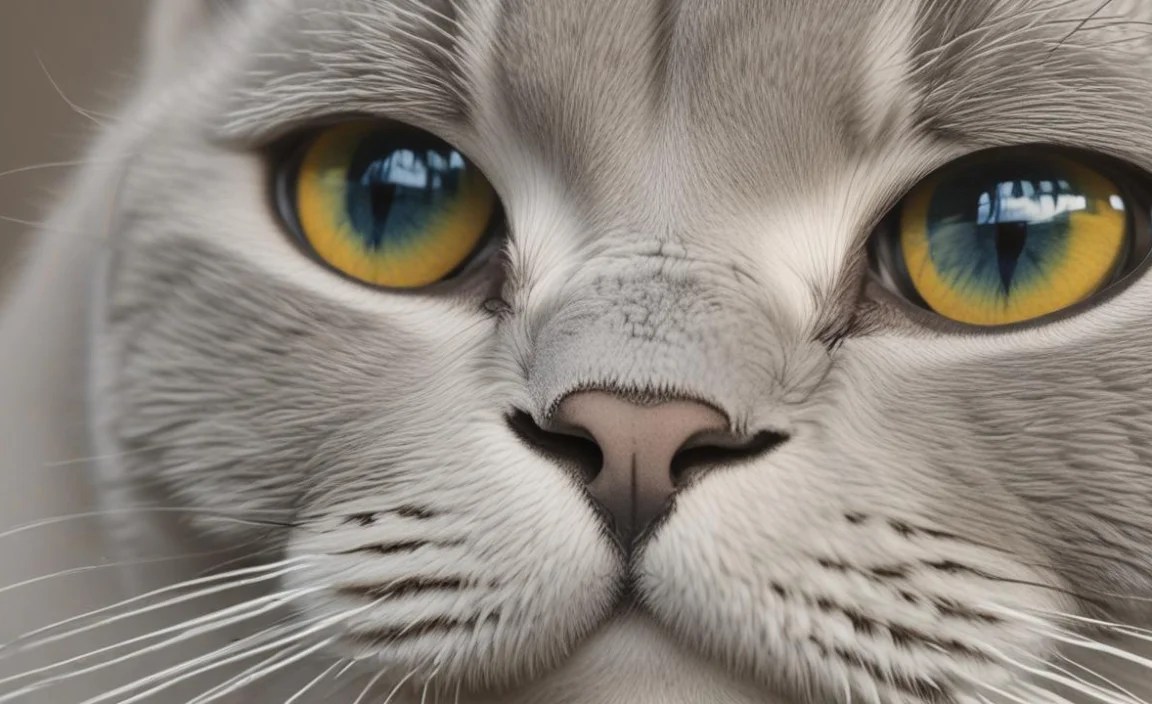
The eyes are the windows to the soul. What do you see when you look into a British Shorthair’s eyes? The british shorthair breed standards say the eyes should be large and round. They should also be copper-colored. This means they should look like shiny pennies. The eye color is very important. It can make a cat look more striking. Breeders try to breed cats with the best eye color. They want to make sure their cats meet the standards. The eye color is just one part of what makes this breed special. But it is an important part!
Body Structure and Size Explained
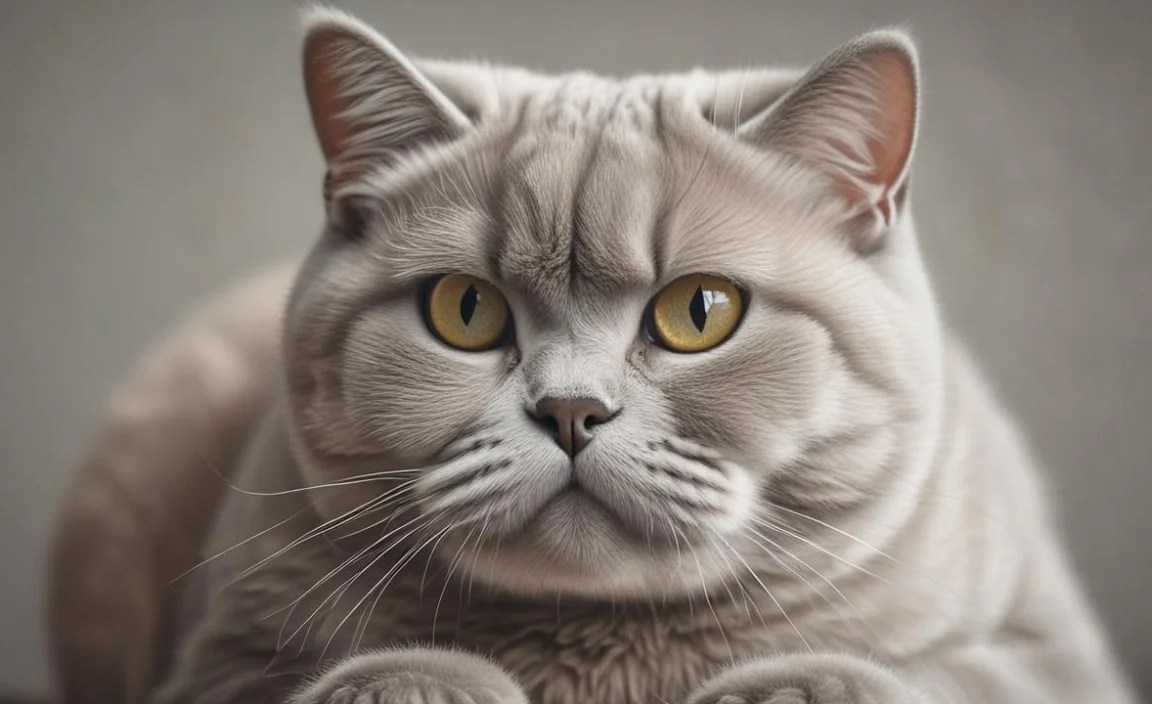
British Shorthairs are not tiny, delicate cats. They are sturdy and strong! The british shorthair breed standards describe their body structure. They should have a well-proportioned body. This means all the parts should fit together nicely. They should also have a broad chest and a level back. The legs should be short and thick. The paws should be round and firm. These cats are not built for speed. They are built for comfort! Their body structure makes them look like teddy bears. It also makes them great lap cats. They are happy to sit and cuddle all day long.
Color Variations and British Shorthair Breed Standards

Did you know that British Shorthairs come in many colors? It’s true! They can be blue, white, black, cream, and even tabby. Each color has its own british shorthair breed standards. For example, a blue British Shorthair should have a deep blue-gray coat. A white British Shorthair should be pure white. A tabby British Shorthair should have clear, distinct markings. Some colors are more popular than others. Blue is the most famous color for this breed. But all the colors are beautiful in their own way. The color of the coat is an important part of what makes each cat unique. Breeders work hard to produce cats in all the different colors.
- Blue: Deep blue-gray color
- White: Pure white with no markings
- Black: Jet black with no other colors
- Cream: Pale cream color
- Tabby: Clear, distinct markings
- Colorpoint: Darker color on face, ears, paws, and tail
Imagine a rainbow of British Shorthairs. You would see cats in all different colors. There would be blue cats, white cats, black cats, and cream cats. You would even see tabby cats with stripes and swirls. Each cat would be beautiful in its own way. The british shorthair breed standards help breeders create these colorful cats. They know what each color should look like. They choose cats that will produce kittens with the best color. This helps keep the breed diverse and interesting. It also means there is a British Shorthair for everyone. No matter what your favorite color is, you can find a cat to match!
Fun Fact or Stat: The “blue” British Shorthair is actually a shade of gray!
Understanding Solid Color Standards
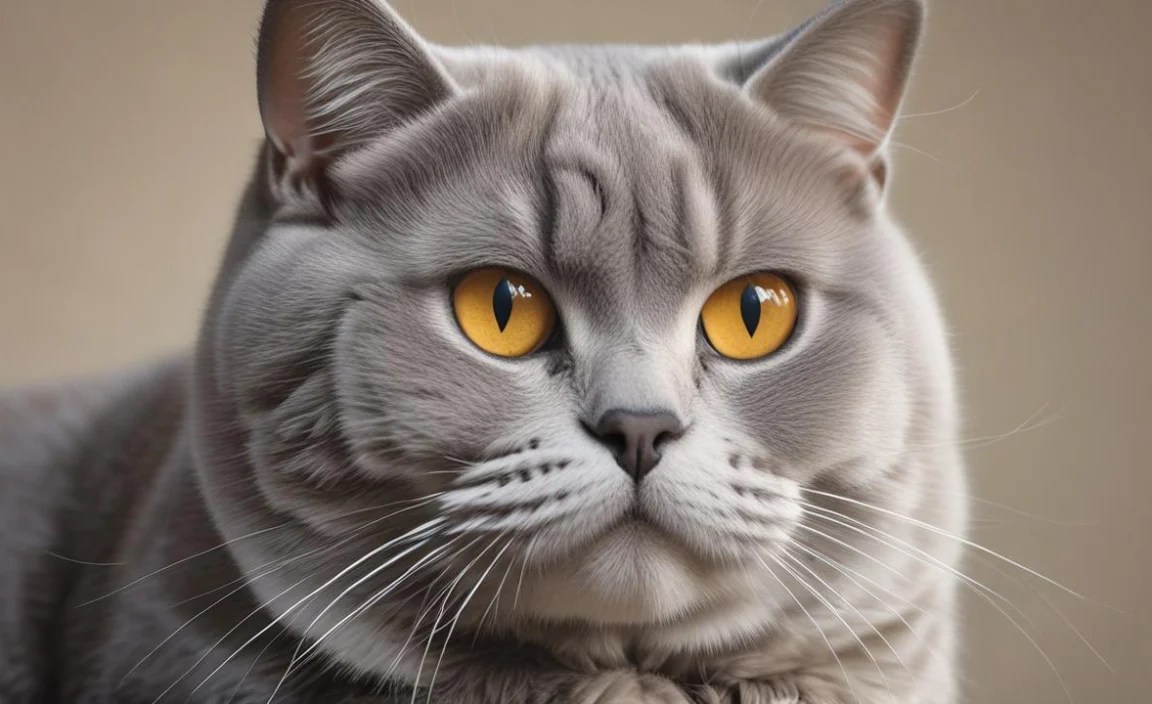
Some British Shorthairs are one solid color. These cats are called “solid” colors. The british shorthair breed standards for solid colors are very strict. The color should be even all over the body. There should be no spots or markings. The color should also be rich and deep. A good solid color is hard to achieve. Breeders work hard to produce cats with perfect solid colors. These cats are often very prized at cat shows. A solid-colored British Shorthair is a classic beauty.
Recognizing Tabby Pattern Variations
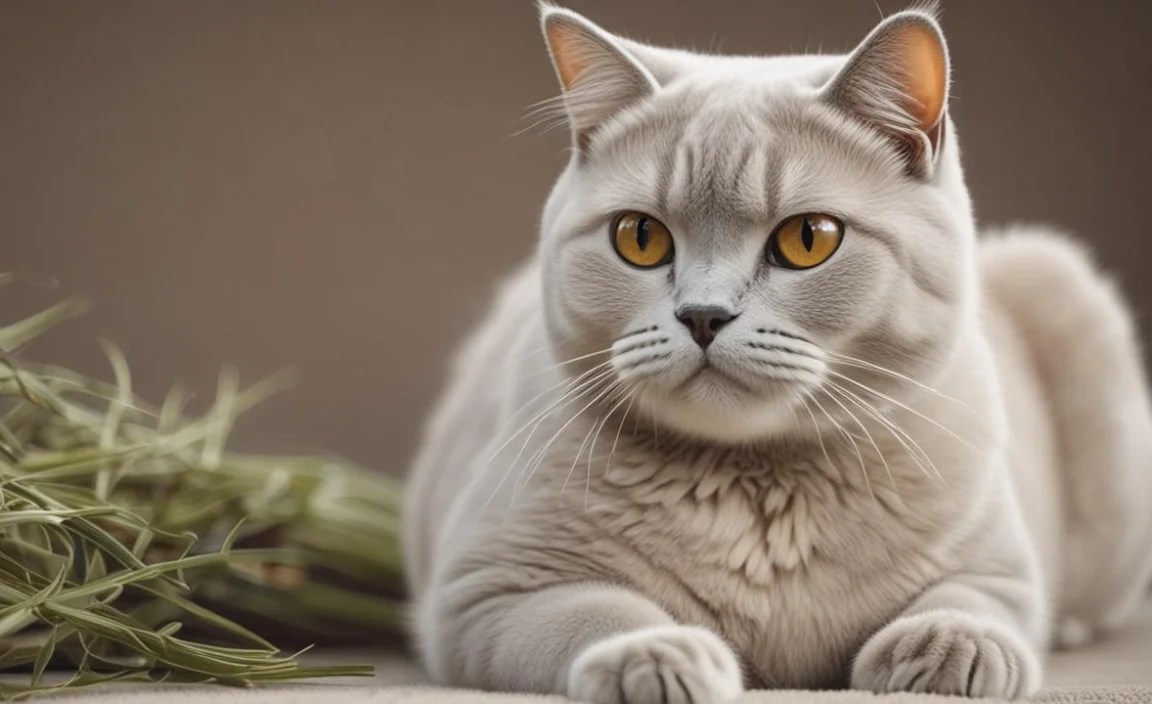
Tabby cats have stripes and swirls. The british shorthair breed standards recognize several tabby patterns. There is the classic tabby, the mackerel tabby, and the ticked tabby. The classic tabby has bold swirls on its sides. The mackerel tabby has narrow stripes. The ticked tabby has no stripes or swirls. Instead, each hair has bands of color. All these patterns are beautiful in their own way. Breeders try to produce cats with clear, distinct tabby markings. A well-marked tabby British Shorthair is a sight to behold.
The Significance of Colorpoint Patterns

Colorpoint British Shorthairs have a special pattern. They have dark color on their face, ears, paws, and tail. The rest of their body is lighter. This pattern is called “colorpoint.” The british shorthair breed standards for colorpoint cats are very specific. The points should be a rich, even color. The body should be a pale, contrasting color. The contrast between the points and the body should be clear. Colorpoint British Shorthairs are very striking. Their unique pattern makes them stand out from the crowd.
Temperament and Personality as Breed Standards

Looks aren’t everything! The british shorthair breed standards also talk about personality. These cats are known for being calm and friendly. They are not usually hyper or demanding. They like to spend time with their families. They also enjoy playing with toys. A good British Shorthair should be well-adjusted and social. This means it should get along with people and other animals. Temperament is just as important as looks. A beautiful cat with a bad personality is not a good pet. Breeders pay attention to temperament when they choose cats for breeding. They want to make sure their kittens have good personalities. These cats make wonderful companions.
- Calm and relaxed demeanor
- Friendly and affectionate
- Playful and curious
- Good with children and other pets
- Not overly demanding or vocal
Imagine you are looking for a new friend. Would you pick someone who is always angry and grumpy? Probably not! You would want someone who is friendly and fun to be around. The same is true for cats. The british shorthair breed standards recognize the importance of a good personality. These cats should be calm and affectionate. They should enjoy spending time with their families. They should also be playful and curious. A good temperament makes these cats great pets. Breeders work hard to produce cats with good personalities. They want to make sure everyone can enjoy these wonderful cats. A cat’s personality matters.
Fun Fact or Stat: British Shorthairs are often called “the teddy bears of the cat world” because of their sweet nature!
Assessing a Cat’s Sociability
Is the cat friendly? Does it like to be petted? The british shorthair breed standards value sociability. A good British Shorthair should enjoy human company. It should not be afraid or aggressive. It should be happy to be held and petted. Sociability is important for a pet cat. You want a cat that will cuddle with you. You don’t want a cat that will hide under the bed all day. Breeders try to breed cats that are sociable. They want to make sure their kittens will make good pets. A sociable cat is a happy cat.
The Ideal Level of Playfulness

Do you like to play with your cat? British Shorthairs are playful cats. The british shorthair breed standards say they should be curious and enjoy playing. But they should not be hyper or destructive. They should be happy to chase a toy mouse. But they should not climb the curtains. The ideal level of playfulness is moderate. These cats should be active enough to be fun. But not so active that they cause trouble. Breeders try to breed cats with the right level of playfulness. They want to make sure their kittens will be entertaining but not too crazy.
How Breed Standards Define Docility
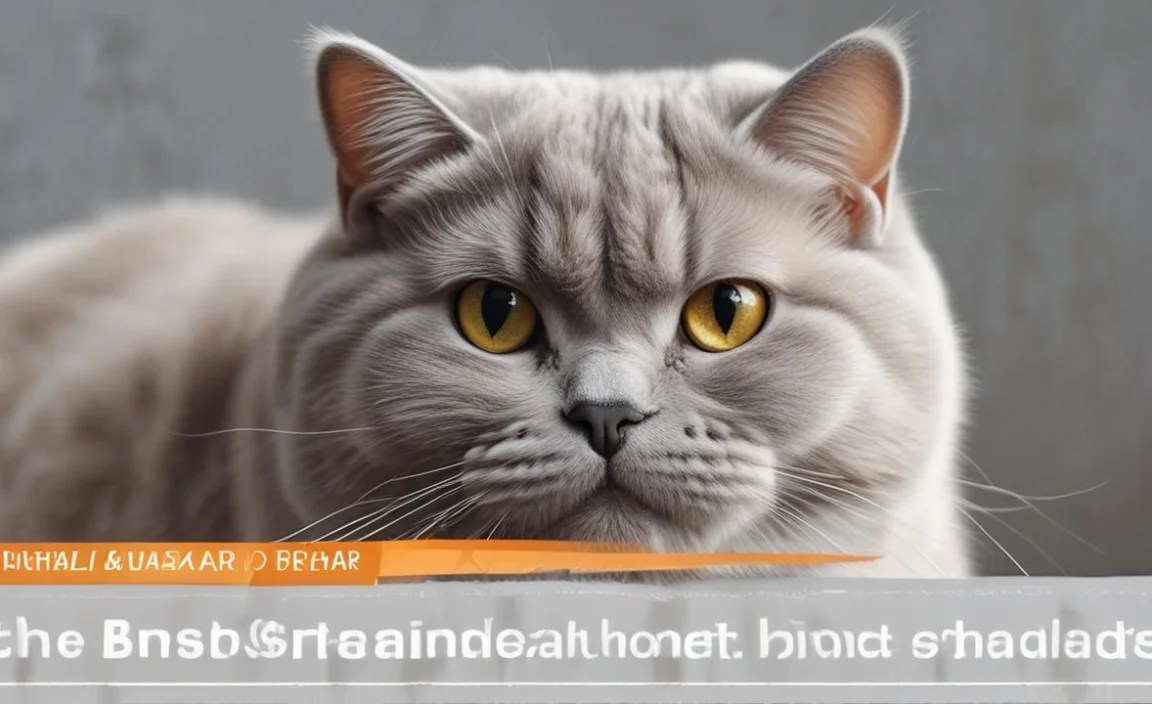
Docile means calm and easy to handle. The british shorthair breed standards value docility. A good British Shorthair should be easy to handle. It should not be aggressive or resistant. It should be happy to be groomed and examined. Docility is important for cat shows. Judges need to be able to handle the cats. It is also important for vet visits. A docile cat will be easier to treat. Breeders try to breed cats that are docile. They want to make sure their kittens will be easy to care for. A docile cat is a pleasure to own.
Grooming and Care Influence Breed Standards

Taking care of a British Shorthair is important. Grooming keeps their coat healthy and looking good. The british shorthair breed standards expect a well-groomed cat. Regular brushing helps to prevent mats and tangles. A good diet keeps them healthy from the inside out. Regular vet check-ups help to catch any problems early. A healthy and well-cared-for cat is more likely to meet the breed standards. Grooming and care are part of responsible cat ownership. A happy cat is a well-cared-for cat. These things all contribute to a cat meeting the breed standards.
- Regular brushing to prevent mats
- Proper diet for a healthy coat
- Regular vet check-ups
- Keeping their living area clean
- Providing fresh water daily
Imagine you are getting ready for a big party. You would want to look your best, right? You would take a shower, brush your hair, and put on nice clothes. The same is true for British Shorthairs. They need regular grooming to look their best. The british shorthair breed standards expect a well-groomed cat. This means their coat should be clean and free of mats. Their ears should be clean and their nails should be trimmed. A well-groomed cat is a happy cat. It also shows that you care about your pet. Grooming is an important part of responsible cat ownership. A well-cared-for cat is a beautiful cat.
Fun Fact or Stat: British Shorthairs have a dense coat that requires regular brushing, especially during shedding season!
Best Practices for Coat Maintenance

How do you keep a British Shorthair’s coat looking its best? The british shorthair breed standards require a healthy, well-maintained coat. Regular brushing is key. Use a good quality brush. Brush the cat several times a week. This will help to remove loose hair. It will also prevent mats and tangles. A good diet is also important. Feed the cat a high-quality food. This will help to keep its coat shiny and healthy. Regular baths are also a good idea. But don’t overdo it. Too many baths can dry out the skin. Follow these tips to keep your cat’s coat looking great.
The Role of Diet in Maintaining Breed Standards

What you feed your cat matters! The british shorthair breed standards depend on a healthy diet. A good diet provides the nutrients a cat needs. This includes protein, fat, and vitamins. A poor diet can lead to health problems. It can also affect the cat’s coat. A cat with a poor diet might have a dull, dry coat. It might also be prone to skin problems. Choose a high-quality food. Look for a food that is specifically formulated for cats. Talk to your vet for recommendations. A healthy diet is essential for a healthy cat.
Importance of Veterinary Care

Taking your cat to the vet is important! The british shorthair breed standards require a healthy cat. Regular vet check-ups can help to catch problems early. Vaccinations can protect your cat from diseases. Parasite control can prevent fleas and worms. Dental care can keep your cat’s teeth healthy. A good vet can also give you advice on diet and grooming. Don’t skip your cat’s vet appointments. They are essential for its health and well-being. A healthy cat is a happy cat. And a happy cat is more likely to meet the breed standards.
## Health Considerations and Breed Standards
A healthy cat is a happy cat. The british shorthair breed standards prioritize health. Breeders should screen for genetic diseases. This helps to prevent health problems in kittens. Common health issues include heart disease and kidney disease. A healthy cat is more likely to meet the breed standards. Responsible breeding practices are essential for maintaining the health of the breed. Regular vet check-ups are also important. A healthy cat can live a long and happy life. Health is a key part of the breed standards.
| Health Issue | Description | Prevention/Management |
|---|---|---|
| Hypertrophic Cardiomyopathy (HCM) | A type of heart disease that can cause sudden death. | Genetic screening, regular vet check-ups. |
| Polycystic Kidney Disease (PKD) | A genetic disease that causes cysts to form on the kidneys. | Genetic screening, monitoring kidney function. |
| Hip Dysplasia | A condition where the hip joint doesn’t fit together properly. | Maintaining a healthy weight, avoiding overexertion. |
| Obesity | Excessive body weight that can lead to other health problems. | Controlled feeding, regular exercise. |
Imagine you are a detective. Your job is to find clues about a cat’s health. You would look for signs of illness. You would check its eyes, its coat, and its behavior. You would also ask the owner about its diet and lifestyle. The british shorthair breed standards require a healthy cat. This means the cat should be free from disease. It should also be well-nourished and well-cared for. Breeders play an important role in maintaining the health of the breed. They should screen their cats for genetic diseases. They should also provide their cats with good care. A healthy cat is a beautiful cat.
Fun Fact or Stat: British Shorthairs are prone to certain genetic health issues, so responsible breeding is crucial!
### Genetic Screening and Responsible Breeding
Why is genetic screening important? The british shorthair breed standards promote responsible breeding. Genetic screening can identify cats that carry genetic diseases. This allows breeders to make informed decisions. They can avoid breeding cats that are likely to produce sick kittens. Responsible breeding helps to improve the health of the breed. It also reduces the risk of suffering for the cats. Choose a breeder who performs genetic screening. This is a sign of a responsible breeder.
### Common Health Issues to Watch For
What are the common health issues in British Shorthairs? The british shorthair breed standards recognize the importance of health. Some common health issues include heart disease and kidney disease. These diseases can be serious. It is important to watch for signs of illness. Take your cat to the vet if you notice anything unusual. Early detection and treatment can improve the outcome. Be aware of the common health issues in this breed. This will help you to keep your cat healthy.
### Maintaining a Healthy Weight
Why is it important to maintain a healthy weight? The british shorthair breed standards value a healthy body condition. Overweight cats are at risk for health problems. These problems include diabetes and heart disease. Underweight cats may not be getting enough nutrients. Feed your cat a balanced diet. Provide regular exercise. Monitor its weight. Talk to your vet if you have concerns. Maintaining a healthy weight is essential for your cat’s health. A healthy weight contributes to a long and happy life.
Summary
British shorthair breed standards are a set of guidelines. They help breeders and judges evaluate these cats. The standards cover physical traits like head shape, eye color, and coat texture. They also cover temperament and health. These standards are important for maintaining the breed’s quality. Breeders use them to select cats for breeding. Judges use them to evaluate cats at shows. The standards help to ensure that British Shorthairs remain healthy and beautiful. They also help to preserve the breed’s unique characteristics. Understanding these standards can help you appreciate these wonderful cats even more. These standards help to define what makes a British Shorthair special. They ensure the breed remains consistent and healthy for generations.
Conclusion
The british shorthair breed standards are important. They help keep the breed healthy and looking good. These standards cover everything from coat color to personality. Breeders and judges use them to make sure cats meet the ideal. Knowing these standards helps us appreciate British Shorthairs. They are wonderful cats with a lot to offer. These standards help to maintain the breed’s unique qualities. This ensures we can enjoy these cats for many years to come.
Frequently Asked Questions
Question No 1: What are british shorthair breed standards?
Answer: British shorthair breed standards are guidelines. These guidelines describe the ideal traits of the breed. They cover things like appearance, temperament, and health. Breeders and judges use these standards. They use them to evaluate cats. The goal is to maintain the breed’s quality and consistency. These standards are important for responsible breeding. They also help to preserve the unique characteristics of the breed.
Question No 2: Why are breed standards important?
Answer: Breed standards are important for several reasons. They help to maintain the breed’s unique traits. This ensures that British Shorthairs continue to look and act like British Shorthairs. They also promote responsible breeding practices. Breeders use the standards to select healthy cats. This helps to prevent genetic diseases. Breed standards also provide a framework for judging cats at shows. This ensures that the best cats are recognized and rewarded. These standards are beneficial for the breed and for cat lovers.
Question No 3: What are some key physical traits in the breed standards?
Answer: Key physical traits include a round head and full cheeks. Also important are large, round copper-colored eyes. British Shorthairs need short, thick legs and a dense, plush coat. The tail should be medium-length and thick. The body should be sturdy and muscular. These traits all contribute to the cat’s distinctive appearance. Breeders pay close attention to these traits. They ensure their cats meet the british shorthair breed standards. This helps to maintain the breed’s unique look.
Question No 4: How does temperament factor into the breed standards?
Answer: Temperament is very important. These cats are known for their calm and friendly nature. They should be affectionate and playful. They should also be good with children and other pets. The british shorthair breed standards value a cat that is not overly demanding. A good temperament makes them great pets. Breeders consider temperament when selecting cats. This ensures the kittens have good personalities.
Question No 5: What health issues are addressed in the breed standards?
Answer: The british shorthair breed standards emphasize health. Breeders should screen for genetic diseases like heart and kidney disease. Maintaining a healthy weight is also important. The standards promote responsible breeding practices. Regular vet check-ups are essential for maintaining health. Addressing these health issues helps to ensure these cats live long and happy lives. A healthy cat is more likely to meet the breed standards.
Question No 6: How does grooming and care relate to the breed standards?
Answer: Grooming and care are essential. Regular brushing keeps their coat healthy. A proper diet provides the nutrients they need. Regular vet check-ups help to catch any problems early. The british shorthair breed standards expect a well-groomed cat. A healthy and well-cared-for cat is more likely to meet the standards. Grooming and care are part of responsible cat ownership. A happy cat is a well-cared-for cat, contributing to meeting breed expectations.


