
Cat Breeds with Hairless Varieties: The Ultimate Guide

Do you know about cats that look a bit different? Some cats have no fur. These are special cat breeds with hairless varieties. It might sound strange, but they are super cool. Let’s learn about these unique kitties.
Have you ever seen a cat with wrinkly skin? Or maybe one that looks like it is always wearing a sweater? Get ready to discover the world of cat breeds with hairless varieties!
Key Takeaways
- Some cat breeds with hairless varieties need special care like sunscreen and baths.
- Hairless cats are often very affectionate and love to cuddle to stay warm.
- The Sphynx is the most well-known of the cat breeds with hairless varieties.
- These cats are great for some people with allergies, but not all.
- Hairless cats can be playful and smart, making them fun pets.
Exploring Cat Breeds With Hairless Varieties

Have you ever wondered why some cats have no hair? It’s all about their genes! Some cat breeds with hairless varieties have a special gene. This gene stops them from growing a full coat of fur. The most famous hairless cat is the Sphynx. But there are other cat breeds with hairless varieties too. These cats are not completely bald. They often have a fine layer of fuzz. This fuzz feels like soft peach skin. Because they don’t have fur, they need extra care. They can get cold easily, so they need sweaters. They also need baths more often. Without fur, their skin gets oily. Learning about these special cats is very interesting. They show us how different cats can be. They also show us how much love they can give.
- The Sphynx cat is the most common hairless breed.
- These cats have a fine layer of downy fuzz.
- Hairless cats need regular baths to remove skin oils.
- They can get cold easily, so they need sweaters.
- Some people with allergies find them easier to be around.
Taking care of cat breeds with hairless varieties is a bit different. Since they don’t have fur, they can get sunburned. It’s important to keep them out of strong sunlight. You might even need to put sunscreen on them. Because they get cold easily, they love to cuddle. They will often snuggle under blankets or with their owners. This makes them very affectionate pets. Feeding them the right food is also important. They need a diet that helps keep their skin healthy. These cats are truly unique. They bring a lot of joy to their families. Even though they look different, they are just like any other cat. They love to play, purr, and be loved.
Fun Fact or Stat: The Sphynx cat originated in Canada in the 1960s, when a domestic cat gave birth to a hairless kitten due to a natural genetic mutation!
What Makes a Cat Hairless?

Have you ever wondered what makes a cat hairless? It’s all about genetics! A special gene causes cat breeds with hairless varieties. This gene affects the hair follicles. Hair follicles are tiny pockets in the skin where hair grows. In hairless cats, this gene makes the hair follicles very small. This means they can’t produce normal fur. Some cat breeds with hairless varieties have a little bit of fuzz. This fuzz is very fine and soft. It feels like peach fuzz. Other hairless cats are completely bald. The gene for hairlessness is recessive. This means both parents must have the gene. If only one parent has the gene, the kittens will have fur. Understanding genetics helps us understand these unique cats.
The Role of Genetics

Genetics play a big role in hairless cats. The hairless gene is a mutation. A mutation is a change in the DNA. This change affects how hair grows. Scientists have studied this gene in cat breeds with hairless varieties. They have learned a lot about how genes work. The hairless gene is not the same in all breeds. This means different cat breeds with hairless varieties might have slightly different genes. This can affect how much hair they have. It can also affect their skin. Some hairless cats have more wrinkles. Others have smoother skin. Genetics help us understand why these cats are so unique. It also helps breeders make sure the cats are healthy.
Common Myths About Hairless Cats

There are many myths about cat breeds with hairless varieties. Some people think they are allergic to hairless cats. But it’s not the hair that causes allergies. It’s a protein in the cat’s saliva. This protein sticks to the cat’s fur when they groom. When the fur sheds, the protein spreads around. Hairless cats still produce this protein. So, people with allergies can still be allergic to them. Another myth is that hairless cats are always cold. While they do get cold more easily, they can stay warm. They need sweaters and warm places to sleep. It’s important to know the truth about these special cats.
Caring for Cat Breeds With Hairless Varieties

Taking care of cat breeds with hairless varieties needs some special attention. Because they lack fur, their skin is more exposed. This means they can get sunburned easily. You should avoid letting them spend too much time in direct sunlight. If they must be in the sun, use pet-safe sunscreen. Bathing is also very important. Normal cats groom themselves with their tongues. Hairless cats can’t do this as easily. They need regular baths to remove oil and dirt from their skin. Without regular baths, they can develop skin problems. Also, remember that they get cold easily. Provide them with warm blankets, sweaters, and cozy places to sleep. Taking good care of their skin and warmth will help them stay happy and healthy.
- Protect their skin from the sun with sunscreen.
- Bathe them regularly to remove skin oils.
- Keep them warm with sweaters and blankets.
- Feed them a high-quality diet for healthy skin.
- Clean their ears regularly to prevent wax buildup.
Feeding cat breeds with hairless varieties a good diet is key. Choose a high-quality cat food. Look for food with lots of protein and healthy fats. These nutrients help keep their skin healthy. Some hairless cats have sensitive stomachs. You might need to try different foods to find one that works well. Make sure they always have fresh water. Staying hydrated is important for their skin and overall health. It’s also important to keep their living space clean. Regular cleaning helps prevent skin infections. You can use special pet wipes to clean their skin between baths. By following these tips, you can help your hairless cat thrive. They will be happy, healthy, and full of love.
Fun Fact or Stat: Hairless cats often have a higher metabolism than furred cats because they need to burn more calories to stay warm.
Sun Protection Tips
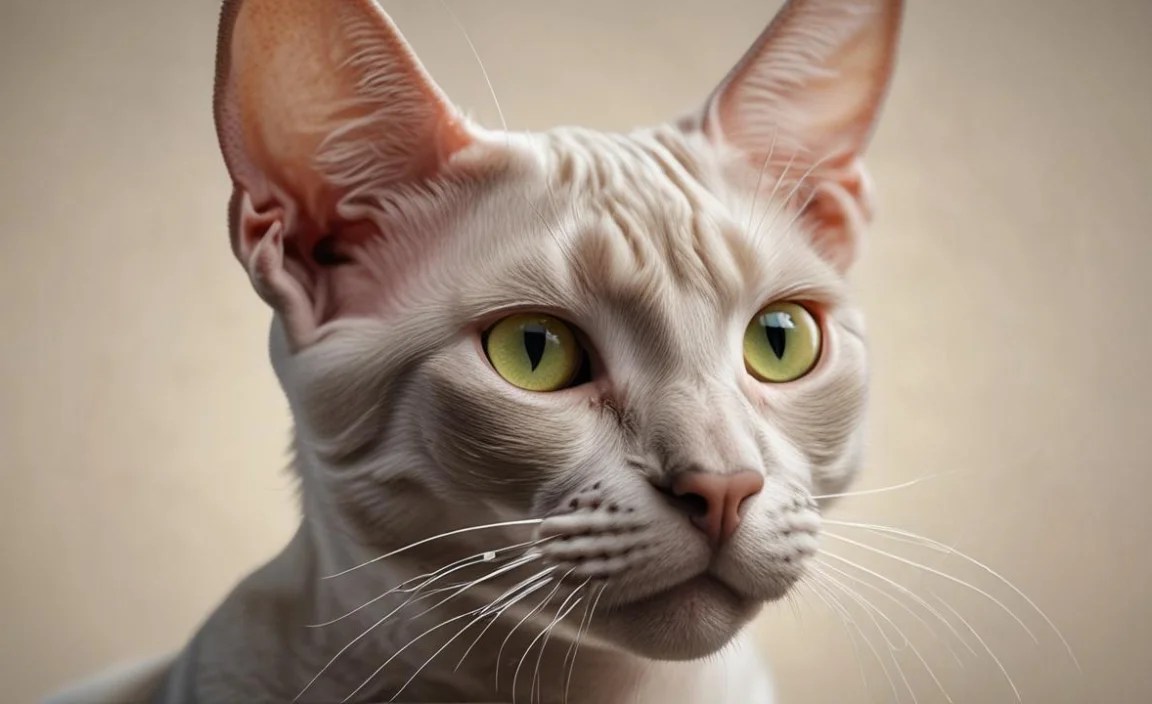
Protecting hairless cats from the sun is very important. Their skin is exposed and can burn easily. Just like humans, cats can get sunburned. Sunburn can be painful and lead to skin problems. Use pet-safe sunscreen on your hairless cat. Apply it to their ears, nose, and any other exposed areas. Avoid letting them outside during the hottest part of the day. If they like to sit by the window, use curtains or blinds to block the sun. You can also buy special UV-protective clothing for cats. These clothes help protect their skin from harmful rays. Remember, prevention is the best way to keep your hairless cat safe in the sun.
Bathing and Skin Care

Bathing is a crucial part of caring for cat breeds with hairless varieties. Because they lack fur, their skin gets oily. Regular baths help remove this oil and prevent skin problems. Use a gentle, hypoallergenic shampoo. This will help avoid irritating their skin. Bathe them every one to two weeks. After the bath, dry them gently with a soft towel. You can also use a low-heat hair dryer. Be careful not to burn them. Between baths, you can use pet wipes to clean their skin. Pay special attention to their wrinkles. Dirt can get trapped in the wrinkles and cause infections. Keeping their skin clean will help them stay healthy and happy.
Keeping Them Warm
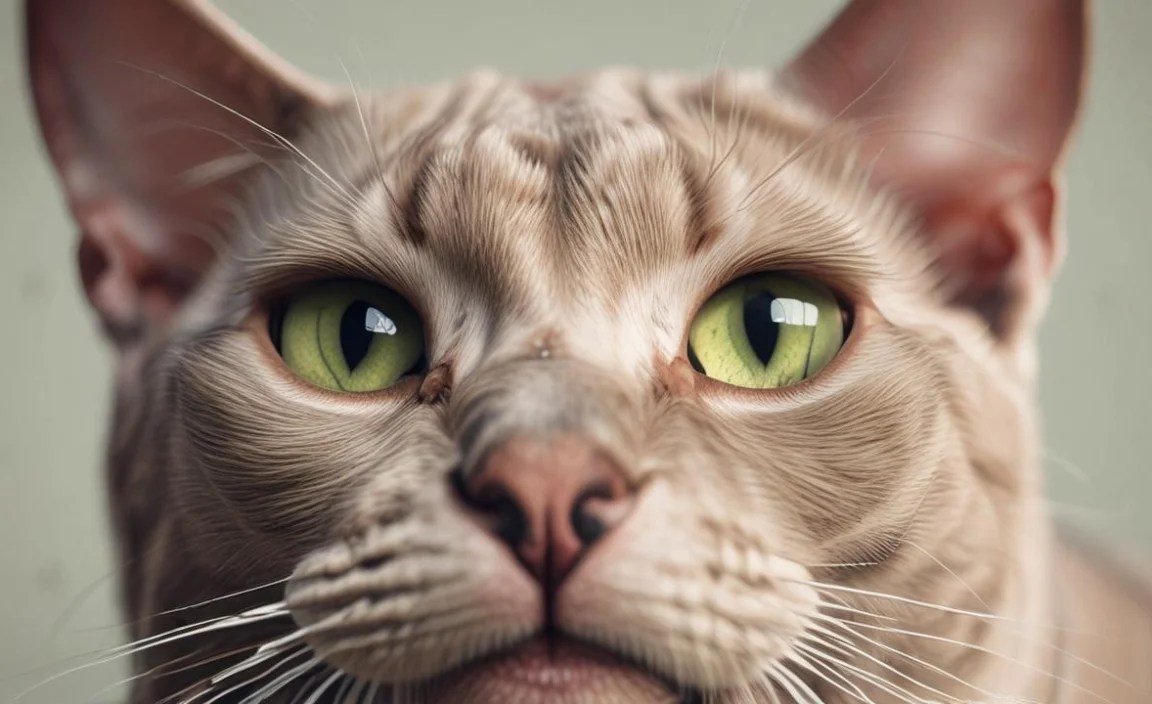
Keeping hairless cats warm is very important. They don’t have fur to protect them from the cold. Provide them with warm blankets and cozy beds. You can also buy sweaters and coats for cats. These help keep them warm when it’s chilly. Keep your home at a comfortable temperature. Avoid drafts and cold spots. If your cat shivers, they are too cold. You can also use heated beds or blankets. These provide extra warmth. Hairless cats love to cuddle. They will often snuggle up with you to stay warm. By taking these steps, you can help your hairless cat stay comfortable all year round.
Health Issues in Hairless Cat Breeds

Like all cats, cat breeds with hairless varieties can have health problems. Some health issues are more common in these breeds. One common issue is hypertrophic cardiomyopathy (HCM). This is a heart disease. It can cause the heart to become thick and weak. Another common problem is skin issues. Without fur, their skin is more likely to get infections. They can also get sunburned easily. Some hairless cats have dental problems. It’s important to take them to the vet for regular checkups. Early detection can help manage these health issues. With proper care, hairless cats can live long and happy lives.
- Hypertrophic cardiomyopathy (HCM) is a common heart issue.
- Skin problems like infections and sunburns can occur.
- Dental issues may be more prevalent in some breeds.
- They can be more sensitive to anesthesia.
- Regular vet checkups are crucial for early detection.
Preventing health issues in cat breeds with hairless varieties starts with good care. Feed them a high-quality diet. This helps keep their skin and body healthy. Keep them at a healthy weight. Obesity can worsen heart problems. Provide them with a clean and safe environment. This helps prevent infections. Protect them from the sun. Use sunscreen and avoid letting them outside during peak hours. Regular vet checkups are very important. Your vet can check for early signs of health problems. Early detection and treatment can make a big difference. With proper care, your hairless cat can live a long and healthy life.
Fun Fact or Stat: Some studies suggest that hairless cats may have a higher risk of certain genetic conditions due to the limited gene pool.
Hypertrophic Cardiomyopathy (HCM)

Hypertrophic cardiomyopathy (HCM) is a heart disease. It is common in cat breeds with hairless varieties. HCM causes the heart muscle to thicken. This makes it harder for the heart to pump blood. Symptoms of HCM include difficulty breathing, lethargy, and fainting. Sometimes, there are no symptoms. Regular vet checkups can help detect HCM early. Your vet can listen to your cat’s heart. They may also recommend an echocardiogram. This is an ultrasound of the heart. Treatment for HCM can include medication. This medication helps the heart pump more easily. With early detection and treatment, cats with HCM can live longer.
Skin Infections and Issues

Skin infections are a common problem for cat breeds with hairless varieties. Without fur, their skin is exposed to bacteria and fungi. These can cause infections. Symptoms of skin infections include redness, itching, and sores. Regular bathing can help prevent skin infections. Use a gentle, hypoallergenic shampoo. Dry your cat thoroughly after bathing. Pay special attention to their wrinkles. Keep their living area clean. If you notice any signs of a skin infection, see your vet. They can prescribe antibiotics or antifungal medications. With proper care, you can keep your hairless cat’s skin healthy.
Dental Problems
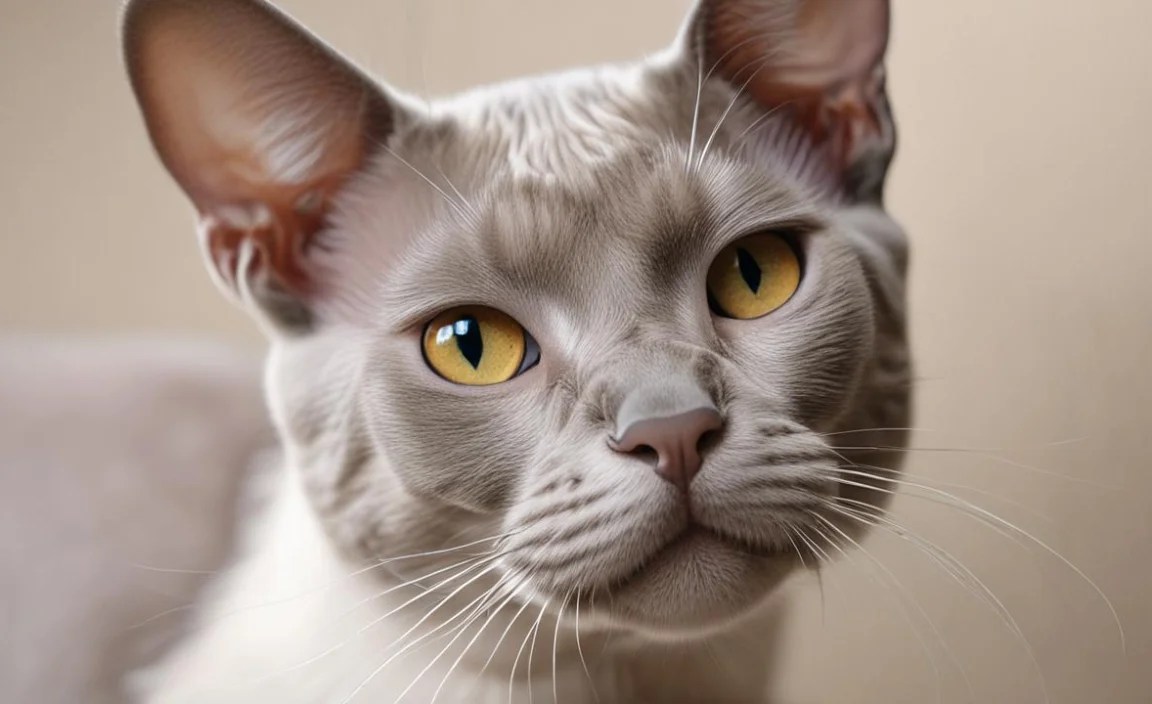
Dental problems can occur in cat breeds with hairless varieties. Some breeds are prone to dental issues. These issues include gum disease and tooth decay. Regular dental care can help prevent these problems. Brush your cat’s teeth regularly. Use a cat-specific toothbrush and toothpaste. Your vet can also clean your cat’s teeth. This helps remove plaque and tartar. Feed your cat a diet that supports dental health. Dry food can help clean their teeth. If you notice any signs of dental problems, see your vet. These signs include bad breath, drooling, and difficulty eating.
Finding a Reputable Hairless Cat Breeder

If you want to get one of the cat breeds with hairless varieties, find a good breeder. A good breeder cares about the health of their cats. They will test their cats for genetic problems. They will also make sure the kittens are healthy. Ask the breeder lots of questions. Find out about the kitten’s parents. Ask about their health history. A good breeder will be happy to answer your questions. They will also let you meet the kittens. Make sure the kittens look healthy and happy. They should be clean and well-fed. Avoid breeders who seem secretive or don’t care about their cats. Getting a kitten from a good breeder will give you the best chance of having a healthy pet.
- Ask about the breeder’s experience and reputation.
- Inquire about genetic testing for common health issues.
- Visit the cattery to see the living conditions.
- Meet the kitten’s parents, if possible.
- Ask for health records and vaccination information.
A responsible breeder of cat breeds with hairless varieties will prioritize health. They will screen their cats for diseases like HCM. They also provide a clean and stimulating environment. The kittens will be well-socialized. This means they are used to being around people and other animals. A good breeder will also offer support after you take your kitten home. They can answer your questions and provide advice. Be wary of breeders who sell kittens too young. Kittens need to stay with their mother for at least 12 weeks. This helps them develop properly. Getting a kitten from a responsible breeder is worth the extra effort. You will have a healthier and happier pet.
Fun Fact or Stat: Reputable breeders often have waiting lists because they prioritize the health and well-being of their cats over quick profits.
Questions to Ask a Breeder

Asking the right questions is very important when finding a breeder of cat breeds with hairless varieties. Start by asking about their experience. How long have they been breeding cats? What is their philosophy on breeding? Ask about the health of their cats. Do they test for genetic problems? What is the health history of the kitten’s parents? Ask about the kitten’s living environment. Is it clean and stimulating? Are the kittens well-socialized? Ask about their support after you take the kitten home. Will they be available to answer your questions? Asking these questions will help you find a responsible breeder.
Red Flags to Watch Out For

There are some red flags to watch out for when choosing a breeder of cat breeds with hairless varieties. Be wary of breeders who sell kittens too young. Kittens need to stay with their mother for at least 12 weeks. Avoid breeders who seem secretive or don’t want to answer your questions. Be cautious of breeders who have many different breeds of cats. This can be a sign that they are not focused on the health of their cats. Be careful of breeders who offer very low prices. This could mean they are cutting corners on care. Trust your instincts. If something feels wrong, it probably is.
Visiting the Cattery
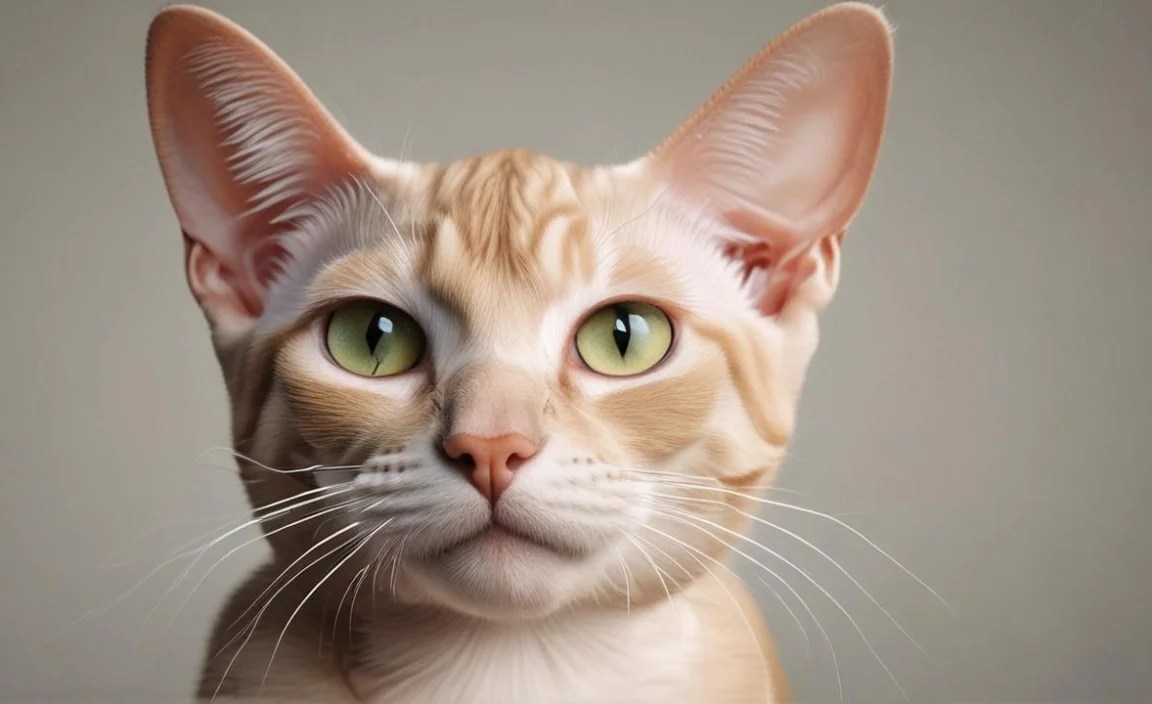
Visiting the cattery is a great way to assess a breeder of cat breeds with hairless varieties. When you visit, pay attention to the cleanliness of the cattery. Is it clean and well-maintained? Look at the cats. Do they look healthy and happy? Are they well-fed? Observe the kittens. Are they playful and social? Do they seem comfortable around people? Talk to the breeder. Are they knowledgeable and passionate about their cats? Are they willing to answer your questions? A visit to the cattery can give you valuable insights into the breeder’s practices.
Are Hairless Cats Hypoallergenic?

Many people think that cat breeds with hairless varieties are hypoallergenic. This means they believe these cats won’t cause allergies. However, this is not entirely true. Allergies to cats are caused by a protein called Fel d 1. This protein is found in cat saliva, skin, and urine. All cats produce this protein. Hairless cats still produce Fel d 1. Because they don’t have fur, the protein doesn’t get trapped in their coat. But they still spread it when they groom. Some people with allergies find that they react less to hairless cats. But others still have allergic reactions. It’s important to spend time with a hairless cat before getting one. This will help you see if you are allergic.
- Cat allergies are caused by a protein called Fel d 1.
- Hairless cats still produce this protein.
- The protein is found in saliva, skin, and urine.
- Some people react less to hairless cats.
- Spending time with one helps determine allergic reactions.
If you have allergies and want a cat, there are things you can do. Regular bathing can help reduce allergens. This removes saliva and dander from the cat’s skin. Air purifiers can help remove allergens from the air. Vacuuming regularly can also help. Talk to your doctor about allergy medications. These can help manage your symptoms. While cat breeds with hairless varieties are not truly hypoallergenic, they can be a good option for some allergy sufferers. It’s important to be realistic about your allergies. You may still have some reactions. But with proper management, you can enjoy the companionship of a hairless cat.
Fun Fact or Stat: No cat breed is truly 100% hypoallergenic, but some breeds produce less of the Fel d 1 protein.
The Truth About Cat Allergies

Understanding cat allergies is important. Many people think cat hair causes allergies. But the real culprit is a protein called Fel d 1. This protein is produced by all cats. It’s found in their saliva, skin, and urine. When cats groom themselves, they spread saliva on their fur. As the fur dries, the protein becomes airborne. This is what causes allergic reactions. Symptoms of cat allergies include sneezing, runny nose, and itchy eyes. Some people also develop skin rashes. If you think you are allergic to cats, see your doctor. They can perform allergy tests. These tests can confirm if you are allergic to Fel d 1.
Managing Allergies With Hairless Cats

Managing allergies is key if you want a hairless cat. Regular bathing can help reduce allergens. Bathe your cat every one to two weeks. Use a gentle, hypoallergenic shampoo. Air purifiers can remove allergens from the air. Choose an air purifier with a HEPA filter. Vacuum regularly. Use a vacuum cleaner with a HEPA filter. Keep your bedroom cat-free. This will give you a safe space to sleep. Talk to your doctor about allergy medications. Antihistamines and nasal sprays can help manage symptoms. With proper management, you can enjoy a hairless cat.
Are Certain Breeds Less Allergenic?

Some people believe certain cat breeds with hairless varieties are less allergenic. While no breed is completely hypoallergenic, some may produce less Fel d 1. The Sphynx is often considered a good choice for allergy sufferers. But remember, all cats produce the protein. It’s important to spend time with a cat before getting one. This will help you see if you are allergic. Even if a breed is said to be less allergenic, you may still have a reaction. Managing your allergies is still important. Talk to your doctor about the best approach for you.
Cost of Owning Cat Breeds With Hairless Varieties

Owning cat breeds with hairless varieties can be expensive. The initial cost of buying a kitten can be high. These cats are often more expensive than other breeds. You also need to factor in the cost of supplies. They need special care. They need sweaters, sunscreen, and gentle shampoo. Regular vet checkups are also important. They are prone to certain health problems. These health problems can be costly to treat. Pet insurance can help cover some of these costs. Food is another ongoing expense. Choose a high-quality cat food to keep them healthy. Owning a hairless cat is a big commitment. Be prepared for the financial responsibility.
| Expense | Estimated Cost |
|---|---|
| Kitten Purchase | $1,000 – $3,000 |
| Supplies (Sweaters, Sunscreen, Shampoo) | $100 – $200 per year |
| Vet Checkups | $100 – $300 per year |
| Food | $50 – $100 per month |
Adopting a hairless cat can be a more affordable option. Check with local shelters and rescue organizations. Sometimes, they have cat breeds with hairless varieties available for adoption. The adoption fee is usually much lower than buying a kitten. You will still need to pay for supplies and vet care. But you can save money on the initial cost. Adopting a cat also gives a home to a deserving animal. It’s a rewarding experience. Whether you buy or adopt, make sure you are prepared for the costs. Owning a pet is a financial responsibility. But the love and companionship they provide are priceless.
Fun Fact or Stat: The cost of a Sphynx kitten can vary widely depending on the breeder, location, and pedigree of the cat.
Initial Costs vs. Ongoing Expenses
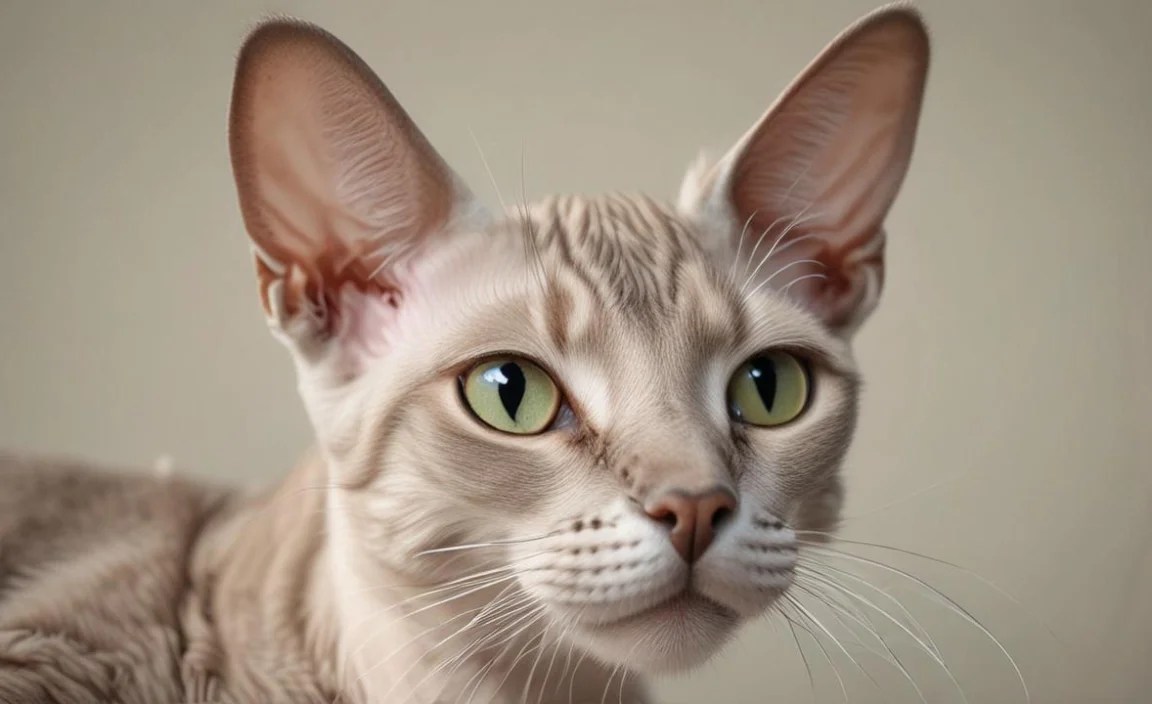
Understanding the difference between initial and ongoing costs is key. The initial cost of buying a kitten can be high. But ongoing expenses can add up over time. Initial costs include the price of the kitten, vaccinations, and initial supplies. Ongoing expenses include food, litter, vet checkups, and grooming supplies. Pet insurance can help cover unexpected vet bills. It’s important to budget for both initial and ongoing costs. This will help you avoid financial stress. Owning a pet is a long-term commitment. Be prepared for the financial responsibility.
Ways to Save Money on Pet Care

There are ways to save money on pet care for cat breeds with hairless varieties. Buy pet supplies in bulk. This can save you money on food and litter. Look for discounts and coupons. Many pet stores offer loyalty programs. Consider making your own cat toys. This can be a fun and affordable way to entertain your cat. Learn how to groom your cat at home. This can save you money on grooming bills. Take good care of your cat’s health. This can help prevent costly vet bills. With some planning, you can save money on pet care.
The Value of Pet Insurance

Pet insurance can be a valuable investment for cat breeds with hairless varieties. These cats are prone to certain health problems. Vet bills can be expensive. Pet insurance can help cover some of these costs. There are different types of pet insurance plans. Some plans cover accidents and illnesses. Others cover routine care. Research different plans to find one that fits your needs and budget. Consider the deductible and coverage limits. Pet insurance can provide peace of mind. It can help you afford the best care for your cat.
Summary
Cat breeds with hairless varieties are unique and interesting pets. The Sphynx is the most well-known, but other breeds exist. These cats need special care. They need protection from the sun and regular baths. They also need to stay warm. Hairless cats can be prone to certain health problems. Regular vet checkups are important. While not truly hypoallergenic, some allergy sufferers may tolerate them better. Finding a reputable breeder is key to getting a healthy kitten. Owning a hairless cat can be expensive. But the love and companionship they provide are priceless. They make wonderful pets for the right owners. Remember to do your research before getting one.
Conclusion
Cat breeds with hairless varieties are special pets. They need extra care because they have no fur. This includes sunscreen and regular baths. Hairless cats can be very loving and playful. They need a warm home and good food. If you can give them what they need, they will be great friends. They might cost more than other cats. But they give back lots of love. If you want a different kind of cat, think about getting one of the cat breeds with hairless varieties.
Frequently Asked Questions
Question No 1: Are hairless cats really hairless?
Answer: No, cat breeds with hairless varieties are not truly hairless. They have a fine layer of downy fuzz that feels like peach skin. This fuzz is very short and sparse. It’s not the same as a full coat of fur. Some hairless cats have more fuzz than others. The amount of fuzz can vary depending on the breed and the individual cat. Even though they have this fuzz, they still need special care. They need protection from the sun and regular baths. They also need to stay warm. This fuzz does not provide the same protection as a full coat of fur.
Question No 2: Do hairless cats get cold easily?
Answer: Yes, cat breeds with hairless varieties get cold easily. They don’t have fur to insulate them. This makes them more sensitive to cold temperatures. It’s important to keep them warm. Provide them with sweaters, blankets, and warm beds. Keep your home at a comfortable temperature. Avoid drafts and cold spots. If your cat is shivering, they are too cold. You can also use heated beds or blankets. Hairless cats love to cuddle. They will often snuggle up with you to stay warm. Keeping them warm is important for their health and well-being. It helps them stay comfortable and happy.
Question No 3: How often should I bathe my hairless cat?
Answer: You should bathe cat breeds with hairless varieties regularly. They need more baths than cats with fur. Without fur, their skin gets oily and dirty. This can lead to skin problems. Bathe them every one to two weeks. Use a gentle, hypoallergenic shampoo. This will help avoid irritating their skin. Dry them gently with a soft towel. You can also use a low-heat hair dryer. Be careful not to burn them. Between baths, you can use pet wipes to clean their skin. Pay special attention to their wrinkles. Regular bathing is important for their skin health.
Question No 4: Are hairless cats good for people with allergies?
Answer: Cat breeds with hairless varieties are not truly hypoallergenic. Allergies to cats are caused by a protein called Fel d 1. This protein is found in cat saliva, skin, and urine. All cats produce this protein, even hairless cats. Some people with allergies find that they react less to hairless cats. But others still have allergic reactions. It’s important to spend time with a hairless cat before getting one. This will help you see if you are allergic. If you have allergies, talk to your doctor about managing your symptoms.
Question No 5: What kind of food should I feed my hairless cat?
Answer: You should feed cat breeds with hairless varieties a high-quality cat food. Look for food with lots of protein and healthy fats. These nutrients help keep their skin healthy. Some hairless cats have sensitive stomachs. You might need to try different foods to find one that works well. Make sure they always have fresh water. Staying hydrated is important for their skin and overall health. Avoid foods with artificial colors and flavors. These can irritate their skin. Talk to your vet about the best food for your cat.
Question No 6: Are hairless cats prone to any specific health problems?
Answer: Yes, cat breeds with hairless varieties are prone to certain health problems. One common issue is hypertrophic cardiomyopathy (HCM). This is a heart disease. It can cause the heart to become thick and weak. Another common problem is skin issues. Without fur, their skin is more likely to get infections. They can also get sunburned easily. Some hairless cats have dental problems. It’s important to take them to the vet for regular checkups. Early detection can help manage these health issues. With proper care, they can live long and happy lives.


