
Development of the Standard Schnauzer: A Powerful Guide

Quick Summary: The Standard Schnauzer originated in Germany in the 14th and 15th centuries, evolving from local farm dogs. Bred for versatility, they excelled at ratting, guarding, and herding. Selective breeding refined their distinctive traits: a wiry coat, bushy eyebrows, and a robust build. Today, they are cherished family companions known for their intelligence and loyalty.
Have you ever wondered where your furry friend comes from? The Standard Schnauzer, with its distinctive beard and eyebrows, has a fascinating history. Understanding the breed’s development helps you appreciate its unique traits and care needs. Many owners are curious about how this intelligent and loyal dog came to be. It’s a story of hard work, careful breeding, and a touch of German ingenuity. Let’s explore the journey of the Standard Schnauzer, from its humble beginnings to its current status as a beloved family pet. We’ll uncover the key milestones and influences that shaped this remarkable breed.
The Origins of the Standard Schnauzer

The Standard Schnauzer’s story begins in the Middle Ages in the regions of Bavaria and Württemberg in Germany. These dogs were bred as versatile farm dogs, capable of performing various tasks. Their primary roles included:
- Ratting: Keeping farms and stables free of rodents.
- Guarding: Protecting livestock and property from intruders.
- Herding: Moving cattle and other animals.
Early versions of the Standard Schnauzer were known as Wirehaired Pinschers. They were medium-sized dogs with a sturdy build and a wiry coat, essential for protecting them from the harsh elements and the bites of vermin. These dogs were not just workers; they were also companions to the farmers and their families.
Early Ancestry and Related Breeds
The exact ancestry of the Standard Schnauzer is somewhat debated, but several breeds are believed to have contributed to its development. These include:
- German Pinscher: A closely related breed that shares a similar history and appearance.
- Spitz-type dogs: These dogs likely contributed to the Schnauzer’s sturdy build and weather-resistant coat.
- Local herding dogs: Various regional herding breeds probably played a role in the development of the Standard Schnauzer’s herding instincts and capabilities.
From these roots, two other Schnauzer breeds emerged: the Miniature Schnauzer and the Giant Schnauzer. The Miniature Schnauzer was created by breeding smaller Standard Schnauzers and Affenpinschers, while the Giant Schnauzer was developed by crossing Standard Schnauzers with larger breeds like Great Danes and Rottweilers. Each of these breeds retains the distinctive Schnauzer traits but caters to different needs and preferences.
The Development of Key Characteristics

Over time, breeders began to focus on refining the Standard Schnauzer’s traits to create a more standardized and recognizable breed. This involved selecting for specific physical and temperamental characteristics. The goal was to enhance their working abilities and create a dog that was both functional and aesthetically pleasing.
Physical Traits
The physical characteristics of the Standard Schnauzer were carefully developed through selective breeding. Some of the key traits that breeders focused on include:
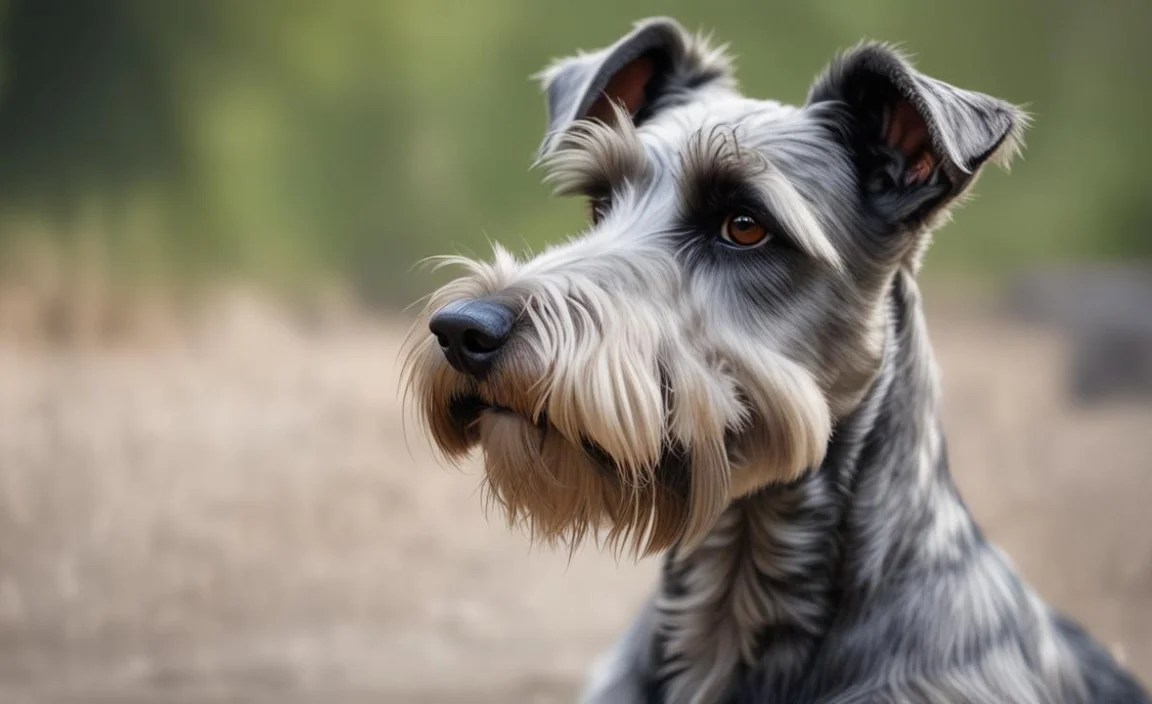
- Wiry Coat: The dense, wiry coat is one of the breed’s most distinctive features. It provides protection against the elements and is relatively easy to maintain.
- Beard and Eyebrows: The bushy beard and eyebrows give the Standard Schnauzer a unique and expressive face. These features also serve a practical purpose, protecting the dog’s face from dirt and debris.
- Sturdy Build: The Standard Schnauzer has a muscular and well-proportioned body, built for strength and endurance.
- Medium Size: Standing 17.5 to 19.5 inches tall, they are the perfect size for herding, guarding, and companionship.
Temperament and Working Abilities
In addition to physical traits, breeders also focused on developing the Standard Schnauzer’s temperament and working abilities. Key aspects of their temperament include:
- Intelligence: Standard Schnauzers are highly intelligent and quick learners, making them easy to train.
- Loyalty: They form strong bonds with their families and are fiercely loyal.
- Courage: They are courageous and protective, making them excellent guard dogs.
- Alertness: They are always alert and aware of their surroundings, making them good watchdogs.
These traits, combined with their physical attributes, made the Standard Schnauzer an ideal working dog and a valued member of the family.
Recognition and Standardization
As the Standard Schnauzer’s popularity grew, efforts were made to standardize the breed and gain official recognition. This involved establishing breed standards and registering dogs with kennel clubs.
Early Breed Standards
The first breed standards for the Standard Schnauzer were developed in the late 19th century in Germany. These standards outlined the ideal physical and temperamental characteristics of the breed. The goal was to create a consistent and recognizable type of dog. Key elements of the early breed standards included:
- Size and Proportion: Specific measurements for height and weight were established to ensure uniformity.
- Coat and Color: The desired coat texture and color were defined, with a preference for a wiry, salt-and-pepper coat.
- Head and Expression: The shape of the head, the set of the eyes, and the expression were all carefully described.
- Temperament: The breed standard emphasized the importance of a confident, intelligent, and loyal temperament.
Kennel Club Recognition
The Standard Schnauzer gained official recognition from major kennel clubs in the early 20th century. This recognition helped to solidify the breed’s status and promote its popularity. Some key milestones in kennel club recognition include:
- Germany: The breed was officially recognized by the German Kennel Club (the Verband für das Deutsche Hundewesen, or VDH) in the late 19th century.
- United States: The American Kennel Club (AKC) recognized the Standard Schnauzer in 1904.
- United Kingdom: The Kennel Club (UK) recognized the breed shortly thereafter.
Recognition by these kennel clubs meant that Standard Schnauzers could be registered and compete in dog shows. This helped to further refine the breed and promote its popularity among dog enthusiasts.
The Standard Schnauzer in the 20th and 21st Centuries

The 20th and 21st centuries saw the Standard Schnauzer evolve from a working farm dog to a cherished family companion. While they still retain their working abilities, they are now primarily valued for their intelligence, loyalty, and affectionate nature.
Popularity as a Companion Animal
The Standard Schnauzer’s popularity as a companion animal has grown steadily over the years. Several factors have contributed to this trend:
- Adaptability: Standard Schnauzers are adaptable and can thrive in a variety of living situations, from apartments to large homes.
- Trainability: Their intelligence and eagerness to please make them easy to train, making them ideal for families with children.
- Health: They are generally healthy dogs with a lifespan of 12-15 years.
- Moderate Exercise Needs: They are energetic but don’t require excessive exercise, fitting well into many lifestyles.
These qualities have made the Standard Schnauzer a popular choice for families, couples, and individuals looking for a loyal and intelligent companion.
Continued Refinement of the Breed
Breeders continue to refine the Standard Schnauzer, focusing on health, temperament, and conformation to the breed standard. This involves careful selection of breeding pairs and health testing to minimize the risk of genetic diseases. Some of the ongoing efforts to improve the breed include:
- Health Testing: Breeders screen their dogs for common health issues such as hip dysplasia, eye diseases, and heart conditions.
- Temperament Evaluation: Breeders prioritize dogs with stable and friendly temperaments.
- Conformation to Standard: Breeders strive to produce dogs that closely conform to the breed standard, ensuring that the breed retains its distinctive appearance and characteristics.
These efforts help to ensure that the Standard Schnauzer remains a healthy, well-tempered, and beautiful breed for generations to come.
Caring for a Standard Schnauzer Today

Owning a Standard Schnauzer brings joy and companionship, but it also requires a commitment to their specific needs. Here’s what you need to know to provide the best care for your Standard Schnauzer.
Grooming Needs
The Standard Schnauzer’s wiry coat requires regular grooming to stay healthy and looking its best. Key grooming tasks include:
- Brushing: Brush your Standard Schnauzer several times a week to prevent matting and tangles.
- Clipping or Stripping: The coat should be clipped or hand-stripped several times a year to maintain its texture and appearance. Hand-stripping involves pulling out the dead hairs to encourage new growth, preserving the wiry texture.
- Bathing: Bathe your Standard Schnauzer as needed, usually every few months, using a dog-specific shampoo.
- Nail Trimming: Trim their nails regularly to prevent overgrowth and discomfort.
- Ear Cleaning: Clean their ears regularly to prevent infections.
Exercise and Training
Standard Schnauzers are intelligent and energetic dogs that require regular exercise and mental stimulation. Here are some tips for meeting their needs:
- Daily Walks: Provide at least one or two daily walks to keep them physically fit.
- Playtime: Engage them in playtime activities such as fetch or frisbee.
- Training: Standard Schnauzers excel in obedience and agility training.
- Mental Stimulation: Provide puzzle toys or engage them in activities that challenge their minds.
Health Considerations
While generally healthy, Standard Schnauzers are prone to certain health issues. Regular veterinary checkups and preventative care are essential. Common health concerns include:
- Hip Dysplasia: A condition in which the hip joint doesn’t develop properly.
- Progressive Retinal Atrophy (PRA): A degenerative eye disease that can lead to blindness.
- Hypothyroidism: A condition in which the thyroid gland doesn’t produce enough thyroid hormone.
- Heart Conditions: Some Standard Schnauzers may be prone to heart problems.
Work with your veterinarian to monitor your Standard Schnauzer’s health and address any concerns promptly.
Standard Schnauzer Breed Characteristics
Here is a table summarizing the key characteristics of the Standard Schnauzer:
| Characteristic | Description |
|---|---|
| Size | Medium (17.5-19.5 inches tall) |
| Weight | 30-50 pounds |
| Coat | Wiry, dense |
| Color | Salt and pepper, black |
| Temperament | Intelligent, loyal, courageous, alert |
| Life Expectancy | 12-15 years |
| Grooming Needs | Regular brushing, clipping or stripping |
| Exercise Needs | Moderate |
Frequently Asked Questions
Here are some common questions about the Standard Schnauzer:
- Are Standard Schnauzers good family dogs?
- Yes, Standard Schnauzers are known for their loyalty and affectionate nature, making them excellent family dogs. They are also protective of their families, which can be a great asset.
- Do Standard Schnauzers shed?
- Standard Schnauzers are low-shedding dogs, especially if groomed regularly. Their wiry coat doesn’t shed as much as some other breeds.
- Are Standard Schnauzers easy to train?
- Yes, they are highly intelligent and eager to please, making them relatively easy to train. They excel in obedience and agility training.
- How much exercise do Standard Schnauzers need?
- They require a moderate amount of exercise, including daily walks and playtime. They are energetic but don’t need excessive exercise.
- What is the average lifespan of a Standard Schnauzer?
- The average lifespan is 12-15 years.
- Are Standard Schnauzers good with children?
- Yes, they are generally good with children, especially when raised with them from puppyhood. They are protective and playful.
- What health problems are Standard Schnauzers prone to?
- They are prone to hip dysplasia, progressive retinal atrophy (PRA), hypothyroidism, and certain heart conditions. Regular veterinary checkups are essential.
Conclusion
The Standard Schnauzer has come a long way from its humble beginnings as a versatile farm dog. Through careful breeding and selection, it has evolved into a beloved companion animal known for its intelligence, loyalty, and distinctive appearance. Understanding the breed’s history and characteristics can help you provide the best possible care for your Standard Schnauzer, ensuring a happy and healthy life together. Whether you’re a seasoned dog owner or a first-time pet parent, the Standard Schnauzer offers a rewarding and fulfilling companionship. Embrace their unique qualities, meet their needs, and enjoy the unwavering loyalty of this remarkable breed.


