
Development of the Redbone Coonhound: A Powerful Guide

Quick Summary:
The Redbone Coonhound’s development began in the southeastern United States, likely in the late 18th or early 19th century. They are believed to descend from red-colored foxhounds brought over by Scottish immigrants. Breeders carefully selected for traits like tracking ability, treeing instinct, and a distinctive baying voice, resulting in the breed we know today—a skilled and courageous hunter.
Have you ever wondered how certain dog breeds came to be? It’s a fascinating journey, especially when you look at breeds like the Redbone Coonhound. Their story is one of careful breeding, specific needs, and a whole lot of heart. Understanding their history helps us appreciate their unique traits and care for them better.
In this article, we’ll walk through the origins of the Redbone Coonhound, tracing their lineage and the purpose behind their development. You’ll discover how they became the skilled hunters they are today and what makes them such a beloved breed.
Origins of the Redbone Coonhound

The Redbone Coonhound’s story starts in the southeastern United States. While the exact details are a bit hazy, most accounts point to Scottish immigrants as the key players in the breed’s early development. These immigrants brought with them their red-colored foxhounds, which are believed to be the foundation of the Redbone line.
Early Ancestry
The dogs brought from Scotland were primarily used for fox hunting. These early hounds were valued for their stamina, keen sense of smell, and ability to work in packs. As these dogs were bred in America, they were gradually refined to better suit the local terrain and hunting needs.
- Scottish Foxhounds: The primary ancestors of the Redbone Coonhound.
- Selection for Traits: Early breeders focused on traits suited for hunting in the American Southeast.
The Role of Peter Redbone
One name that often comes up in the Redbone’s history is Peter Redbone. Although details are scarce, it’s believed that Redbone was a prominent breeder who significantly influenced the breed’s development. Some accounts suggest he refined the breed to focus specifically on hunting raccoons, which were plentiful in the region.
Whether Peter Redbone was the sole founder or simply a key figure, his name became synonymous with these red-coated hounds. It’s a testament to his influence that the breed is still known as the Redbone Coonhound today.
Breeding for Purpose
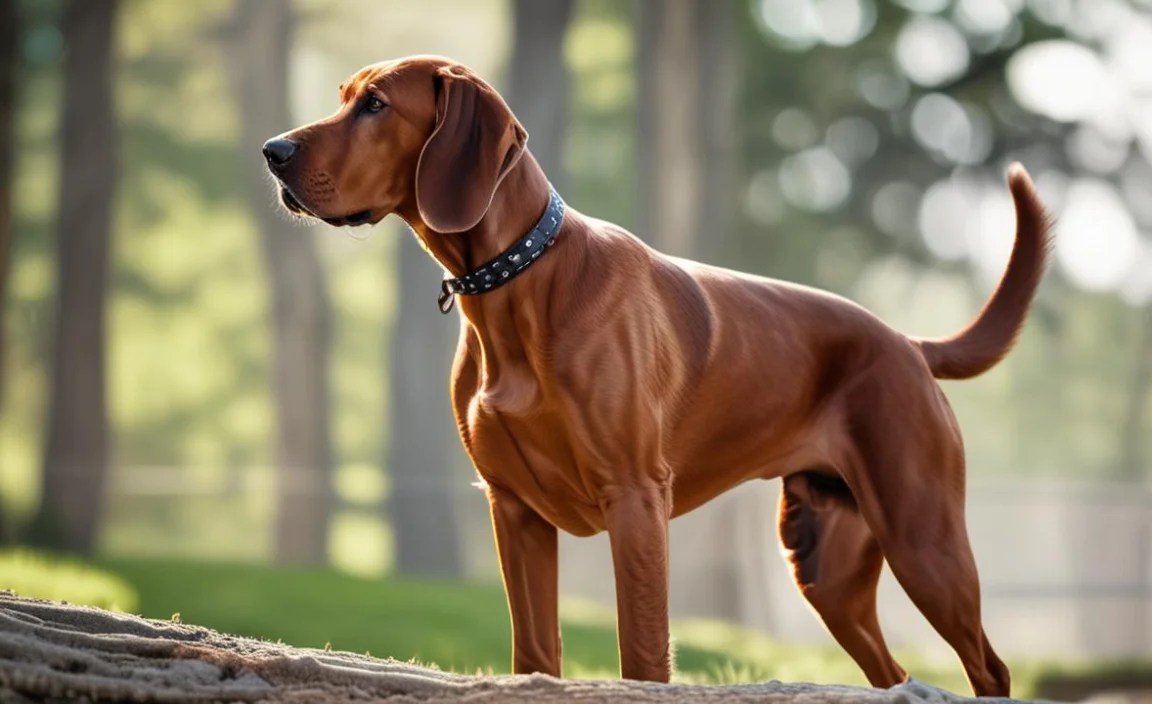
The development of the Redbone Coonhound wasn’t just about looks; it was driven by the need for a skilled hunting dog capable of tracking and treeing raccoons, as well as larger game like bears and wildcats. Breeders carefully selected for specific traits that made these dogs exceptional hunters.
Essential Hunting Traits
Several key characteristics were prioritized in the breeding process:
- Tracking Ability: Redbones needed an excellent nose to follow scent trails over long distances.
- Treeing Instinct: The ability to chase raccoons up trees and alert the hunter with a distinctive bay was crucial.
- Stamina and Endurance: Hunts could last for hours, so stamina was essential.
- Courage and Determination: Redbones needed to be brave enough to confront potentially dangerous game.
- Intelligence and Trainability: A smart dog that could learn commands and adapt to different hunting situations was highly valued.
The Baying Voice
The Redbone’s distinctive bay is one of its most recognizable features. This loud, clear call serves several purposes:
- Alerting the Hunter: The bay tells the hunter that the dog has located the quarry.
- Signaling Location: The unique sound helps the hunter pinpoint the dog’s position in dense woods.
- Intimidating the Quarry: The bay can help keep the treed animal in place until the hunter arrives.
Standardization of the Breed

While Redbone Coonhounds were valued hunting companions for generations, it wasn’t until the 20th century that efforts were made to standardize the breed and gain official recognition.
Early Breed Clubs
Enthusiasts formed breed clubs to promote and preserve the Redbone Coonhound. These clubs played a crucial role in defining the breed standard and advocating for recognition by kennel clubs.
The Redbone Coonhound Association
The Redbone Coonhound Association (RCA) is the primary breed club in the United States. The RCA works to:
- Maintain the Breed Standard: Ensuring that Redbones conform to a consistent set of physical and temperamental traits.
- Promote Responsible Breeding: Encouraging breeders to prioritize health, temperament, and working ability.
- Organize Events: Hosting shows, hunts, and other events that showcase the breed’s talents.
AKC Recognition
The American Kennel Club (AKC) officially recognized the Redbone Coonhound in 2009. This recognition was a significant milestone, as it brought increased visibility and legitimacy to the breed.
Physical Characteristics
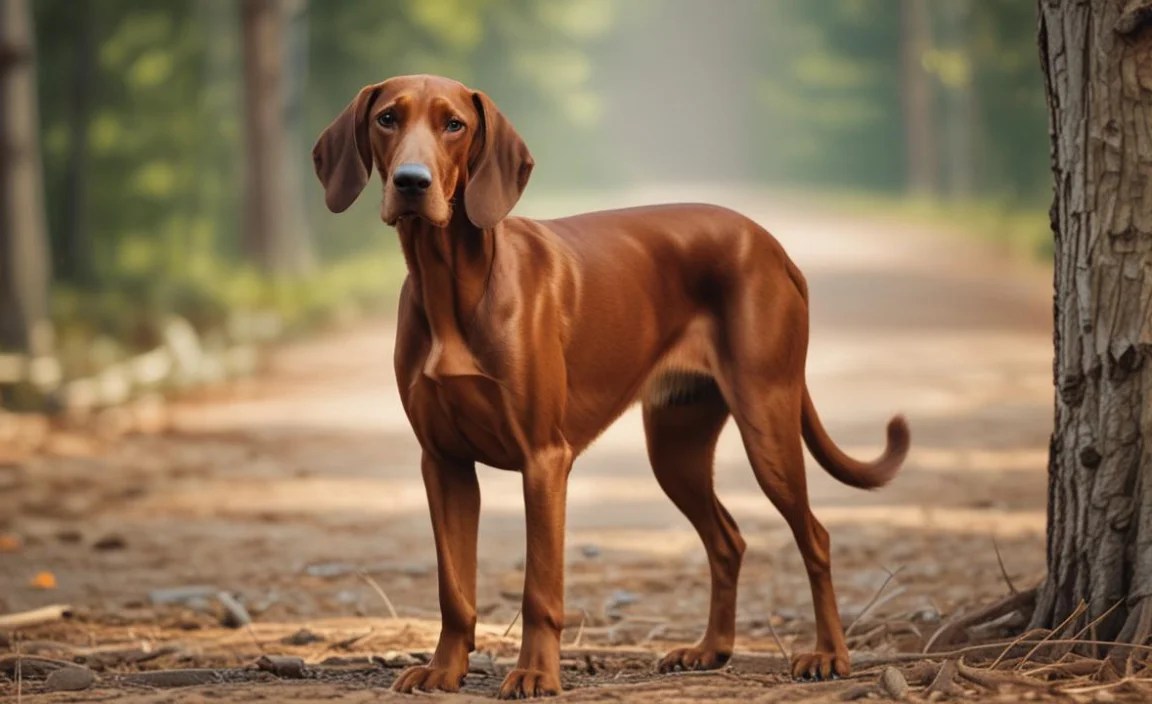
Redbone Coonhounds are known for their athletic build and striking red coat. Here’s a closer look at their key physical traits:
Coat and Color
The Redbone’s coat is short, smooth, and dense. The color is always red, but shades can range from a light, coppery hue to a deep mahogany. A small amount of white on the chest or feet is permissible, but excessive white markings are not desirable.
Size and Build
Redbones are medium to large-sized dogs with a muscular, athletic build. Males typically stand 22 to 27 inches tall at the shoulder and weigh 50 to 70 pounds. Females are slightly smaller, standing 21 to 26 inches tall and weighing 45 to 65 pounds.
Head and Facial Features
The Redbone has a well-proportioned head with a moderately long muzzle. Their eyes are typically dark brown and have a gentle, pleading expression. The ears are long and droopy, reaching to or slightly past the tip of the nose.
Temperament and Personality

Redbone Coonhounds are known for their friendly, laid-back personalities. They are generally good-natured and get along well with people, including children. However, their strong hunting instincts can sometimes present challenges.
Affectionate and Loyal
Redbones are affectionate dogs that bond closely with their families. They enjoy spending time with their people and are often described as being “velcro dogs” because they like to stick close.
Good with Children
When properly socialized, Redbones can be excellent family pets. They are generally patient and tolerant of children, although supervision is always recommended, especially with very young kids.
Potential Challenges
Despite their many positive qualities, Redbones can present some challenges for inexperienced dog owners:
- Strong Hunting Instincts: Their prey drive can lead them to chase small animals, so a secure fence is essential.
- Vocalization: Redbones are vocal dogs and may bark or bay frequently, which can be a problem in some living situations.
- Exercise Needs: They require a good amount of exercise to stay happy and healthy.
Caring for a Redbone Coonhound
Providing proper care for a Redbone Coonhound involves meeting their physical, mental, and emotional needs. Here’s a guide to keeping your Redbone happy and healthy:
Exercise
Redbones are energetic dogs that need plenty of exercise. Daily walks, runs, or hikes are essential. They also enjoy activities like swimming, playing fetch, and participating in dog sports.
Grooming
Redbones have a short, easy-to-care-for coat. Regular brushing will help remove loose hair and keep their coat looking healthy. They only need to be bathed occasionally, as over-bathing can dry out their skin.
Nutrition
Feed your Redbone a high-quality dog food that is appropriate for their age and activity level. Be sure to measure their food carefully to prevent overeating, as Redbones can be prone to weight gain.
Health
Redbone Coonhounds are generally healthy dogs, but they can be prone to certain health issues:
- Hip Dysplasia: A genetic condition that affects the hip joint.
- Elbow Dysplasia: Similar to hip dysplasia, but affecting the elbow joint.
- Bloat (Gastric Dilatation-Volvulus): A life-threatening condition that occurs when the stomach fills with gas and twists.
- Progressive Retinal Atrophy (PRA): A degenerative eye disease that can lead to blindness.
Regular veterinary checkups and responsible breeding practices can help minimize the risk of these health problems.
Redbone Coonhounds Today
Today, Redbone Coonhounds are still used for hunting, but they are also popular as family pets. Their friendly personalities and striking appearance have made them a beloved breed around the world.
Hunting Companions
Many Redbone owners continue to use their dogs for hunting raccoons, bears, and other game. Their tracking ability, treeing instinct, and courage make them valuable partners in the field.
Family Pets
Redbones can also thrive as family pets, provided they get enough exercise and mental stimulation. Their affectionate nature and loyalty make them wonderful companions for people of all ages.
Breed Popularity
While not as popular as some other breeds, the Redbone Coonhound has a dedicated following of enthusiasts who appreciate their unique qualities. Their recognition by the AKC has helped to increase their visibility and popularity in recent years.
Adopting a Redbone Coonhound
If you’re considering adding a Redbone Coonhound to your family, there are a few things to keep in mind:
Finding a Reputable Breeder
If you’re buying a Redbone puppy, it’s essential to find a reputable breeder who prioritizes health, temperament, and responsible breeding practices. Look for a breeder who:
- Performs health testing on their breeding dogs to screen for genetic conditions.
- Provides a clean and stimulating environment for their dogs.
- Socializes their puppies from a young age.
- Is knowledgeable about the breed and willing to answer your questions.
Considering Rescue
Another option is to adopt a Redbone Coonhound from a rescue organization. There are many Redbones in shelters and rescues who are looking for loving homes. Adopting a rescue dog can be a rewarding experience, as you’re giving a deserving dog a second chance.
Preparing Your Home
Before bringing a Redbone home, it’s important to prepare your home for their arrival. Make sure you have:
- A secure fence to prevent them from escaping.
- A comfortable bed and plenty of toys.
- A high-quality dog food and fresh water.
- A plan for exercise and training.
Interesting Facts About Redbone Coonhounds
Here are some fascinating facts about Redbone Coonhounds:
- State Dog: The Redbone Coonhound is the official state dog of Tennessee.
- Versatile Hunters: They can hunt a variety of game, including raccoons, bears, and wildcats.
- Distinctive Bay: Their baying voice is unique and can be heard over long distances.
- Loyal Companions: They are known for their loyalty and affection towards their families.
- AKC Recognition: The American Kennel Club officially recognized the Redbone Coonhound in 2009.
Table: Redbone Coonhound Breed Information
| Characteristic | Description |
|---|---|
| Origin | Southeastern United States |
| Ancestry | Scottish Foxhounds |
| Purpose | Hunting Raccoons and Other Game |
| Size | Medium to Large |
| Weight | 45-70 pounds |
| Coat | Short, Smooth, Red |
| Temperament | Friendly, Loyal, Energetic |
| AKC Recognition | 2009 |
Table: Common Health Issues in Redbone Coonhounds
| Health Issue | Description |
|---|---|
| Hip Dysplasia | A genetic condition affecting the hip joint |
| Elbow Dysplasia | A genetic condition affecting the elbow joint |
| Bloat (GDV) | A life-threatening condition where the stomach twists |
| PRA | A degenerative eye disease leading to blindness |
FAQ About Redbone Coonhounds
What is the origin of the Redbone Coonhound?
The Redbone Coonhound originated in the southeastern United States and is believed to descend from red-colored foxhounds brought over by Scottish immigrants.
What were Redbone Coonhounds originally bred for?
Redbone Coonhounds were primarily bred for hunting raccoons and other game, such as bears and wildcats.
Are Redbone Coonhounds good family pets?
Yes, Redbone Coonhounds can make excellent family pets. They are known for their friendly and loyal nature, especially when properly socialized.
How much exercise does a Redbone Coonhound need?
Redbone Coonhounds are energetic dogs that require plenty of exercise. Aim for at least one to two hours of physical activity per day, including walks, runs, or playtime.
Do Redbone Coonhounds bark a lot?
Redbone Coonhounds are vocal dogs and may bark or bay frequently, especially when they detect interesting scents or feel the need to alert their owners.
What are some common health issues in Redbone Coonhounds?
Common health issues in Redbone Coonhounds include hip dysplasia, elbow dysplasia, bloat (GDV), and progressive retinal atrophy (PRA).
How do I find a reputable Redbone Coonhound breeder?
Look for a breeder who performs health testing on their breeding dogs, provides a clean and stimulating environment, socializes their puppies, and is knowledgeable about the breed.
Conclusion
The development of the Redbone Coonhound is a testament to the dedication of early breeders who sought to create a skilled and versatile hunting dog. From their Scottish foxhound ancestors to their recognition by the AKC, the Redbone’s journey is a fascinating chapter in canine history.
Whether you’re drawn to their hunting prowess, their striking appearance, or their friendly personalities, Redbone Coonhounds have a lot to offer. By understanding their history and meeting their needs, you can provide a loving and fulfilling home for these wonderful dogs.


