
Preventing Bad Breath in British Shorthairs: Easy Tips

Quick Summary: Bad breath in British Shorthairs is often caused by dental disease. Prevent it with regular teeth brushing using a cat-specific toothbrush and toothpaste. Provide dental treats and dry food to help clean teeth. Schedule annual vet checkups for professional cleanings and to catch any underlying health issues early. Good dental hygiene is key to a fresh-smelling, healthy kitty!
Does your sweet British Shorthair have breath that could clear a room? Don’t worry, you’re not alone! Bad breath, or halitosis, is a common issue in cats, especially as they get older. The good news is that with a little attention and care, you can often improve your furry friend’s breath and keep their pearly whites healthy. Think of it as a little extra TLC for your beloved British Shorthair.
In this guide, I’ll walk you through simple, effective ways to prevent bad breath in your British Shorthair. We’ll cover everything from at-home dental care to what your vet can do. Get ready to say hello to fresher kitty kisses! Let’s dive in and learn how to keep your British Shorthair’s breath as charming as their personality.
Why Does My British Shorthair Have Bad Breath?

Before we jump into solutions, let’s understand the common causes of bad breath in British Shorthairs. It’s not just about *what* they ate; often, it’s about their dental health.
Common Causes:
- Dental Disease: This is the most frequent culprit. Plaque and tartar build-up leads to gingivitis (inflamed gums) and periodontal disease, causing foul odors. According to the American Veterinary Medical Association (AVMA), dental disease affects a significant percentage of cats.
- Diet: While dry food can help scrape away some plaque, a diet consisting mainly of wet food can contribute to tartar build-up if not balanced with dental care.
- Kidney Disease: Sometimes, bad breath can indicate a more serious underlying health issue, such as kidney disease. The breath may smell like ammonia in these cases.
- Diabetes: In rare instances, a sweet, fruity odor on your cat’s breath might be a sign of diabetes.
- Oral Tumors or Infections: Though less common, these can also cause noticeable bad breath.
- Foreign Objects: Occasionally, a piece of food or a small object can get stuck in your cat’s teeth or gums, leading to infection and bad breath.
Understanding the cause is the first step to addressing the problem. Now, let’s explore how to keep your British Shorthair’s breath fresh and clean!
Step-by-Step Guide to Preventing Bad Breath

Here’s a detailed guide to maintaining your British Shorthair’s oral hygiene and preventing bad breath. Consistency is key, so try to incorporate these steps into your regular routine.
Step 1: Start a Regular Brushing Routine
Brushing your cat’s teeth is the most effective way to prevent dental disease and bad breath. It might seem daunting, but with patience, you and your British Shorthair can get the hang of it!
What You’ll Need:
- Cat-Specific Toothbrush: These are smaller and have softer bristles than human toothbrushes. You can find them at most pet stores.
- Cat-Specific Toothpaste: Never use human toothpaste, as it contains ingredients that are toxic to cats. Cat toothpaste comes in flavors cats enjoy, like chicken or fish.
- Patience: Start slowly and reward your cat for cooperation.
How to Brush:
- Introduce the Toothpaste: Let your cat lick the toothpaste off your finger to get used to the taste.
- Introduce the Toothbrush: Gently touch the toothbrush to your cat’s teeth and gums.
- Start Brushing: Lift your cat’s lip and use the toothbrush to gently clean the outer surfaces of the teeth. Focus on the gumline, where plaque tends to accumulate.
- Keep it Short: Aim for 30 seconds per side. Don’t worry about getting the inside surfaces.
- Reward Your Cat: Give your cat a treat or praise after brushing.
Frequency: Ideally, brush your cat’s teeth daily. If that’s not possible, aim for at least 2-3 times per week. Remember, even a little brushing is better than none!
Step 2: Incorporate Dental Treats and Toys
Dental treats and toys can help clean your cat’s teeth and massage their gums as they chew. They’re not a substitute for brushing, but they can be a helpful addition to your dental care routine.
Choosing the Right Treats and Toys:
- Dental Treats: Look for treats that are specifically designed to promote dental health. These treats often have a slightly abrasive texture to help scrape away plaque.
- Dental Toys: Choose toys that your cat can chew on to help clean their teeth. Some toys are infused with catnip to make them even more appealing.
Tips for Using Treats and Toys:
- Moderation: Don’t overdo it with the treats, as they can contribute to weight gain. Follow the package instructions for serving size.
- Supervision: Always supervise your cat when they’re playing with toys to ensure they don’t swallow any small pieces.
- Variety: Offer a variety of treats and toys to keep your cat interested.
Step 3: Provide Dry Food
Dry food can help scrape away plaque and tartar as your cat chews. It’s not a complete solution for dental health, but it can be a helpful part of a balanced approach.
Choosing the Right Dry Food:
- Dental Diets: Some dry foods are specifically formulated to promote dental health. These diets often have larger kibble sizes and a slightly abrasive texture.
- High-Quality Ingredients: Choose a dry food that is made with high-quality ingredients and is appropriate for your cat’s age and health condition.
Tips for Feeding Dry Food:
- Mix it Up: Consider mixing dry food with wet food to provide a variety of textures and flavors.
- Fresh Water: Always provide your cat with plenty of fresh, clean water, especially if they’re eating dry food.
Step 4: Schedule Regular Veterinary Dental Checkups
Regular veterinary dental checkups are essential for maintaining your British Shorthair’s oral health. Your veterinarian can identify and treat dental problems before they become serious.
What to Expect During a Dental Checkup:
- Examination: Your veterinarian will examine your cat’s teeth and gums for signs of dental disease.
- Professional Cleaning: If necessary, your veterinarian may recommend a professional dental cleaning under anesthesia. This involves removing plaque and tartar from above and below the gumline.
- X-Rays: Your veterinarian may take X-rays to assess the health of your cat’s teeth roots and jawbone.
How Often to Schedule Checkups:
- Annual Checkups: Most cats should have a dental checkup at least once a year.
- More Frequent Checkups: Cats with a history of dental problems may need more frequent checkups.
Step 5: Consider Dental Wipes and Solutions
Dental wipes and solutions can be a helpful addition to your cat’s dental care routine, especially if your cat is resistant to brushing.
Dental Wipes:
- How to Use: Gently wipe your cat’s teeth and gums with the wipe.
- Benefits: Helps remove plaque and freshen breath.
Dental Solutions:
- How to Use: Add the solution to your cat’s water bowl.
- Benefits: Helps prevent plaque and tartar build-up.
Step 6: Monitor Your Cat’s Overall Health
As mentioned earlier, bad breath can sometimes be a sign of an underlying health problem. It’s important to monitor your cat’s overall health and consult with your veterinarian if you notice any other concerning symptoms.
Symptoms to Watch For:
- Loss of Appetite: If your cat is eating less than usual, it could be a sign of dental pain or another health problem.
- Excessive Drooling: This can be a sign of nausea or oral discomfort.
- Weight Loss: Unexplained weight loss can be a sign of a serious health issue.
- Changes in Behavior: If your cat is acting lethargic or withdrawn, it could be a sign of illness.
Choosing the Right Products: A Table Guide

With so many dental care products available, it can be overwhelming to choose the right ones for your British Shorthair. Here’s a table to help you make informed decisions:
| Product Type | Benefits | Considerations | Recommended Brands (Examples) |
|---|---|---|---|
| Cat Toothpaste | Removes plaque, freshens breath | Must be cat-specific (non-toxic) | CET Enzymatic Toothpaste, Virbac C.E.T. |
| Cat Toothbrush | Effective plaque removal | Soft bristles, angled head | CET Dual-Ended Toothbrush, Pet Republique Dog & Cat Toothbrush |
| Dental Treats | Helps clean teeth while chewing | Check ingredients, moderate use | Greenies Feline Dental Treats, Purina DentaLife Cat Treats |
| Dental Toys | Encourages chewing, massages gums | Durable, safe materials | Petstages Dental Health Chew Toy, Kong Cat Dental Toy |
| Dental Wipes | Easy plaque removal, good for cats who resist brushing | Gentle formula, alcohol-free | Paws & Pals Dental Wipes, Petkin Plaque Wipes |
| Water Additives | Helps prevent plaque build-up | Follow dilution instructions, check for allergies | Oxyfresh Pet Dental Water Additive, PetSafe Fresh Dental Clean Teeth Water Additive |
Troubleshooting Common Issues
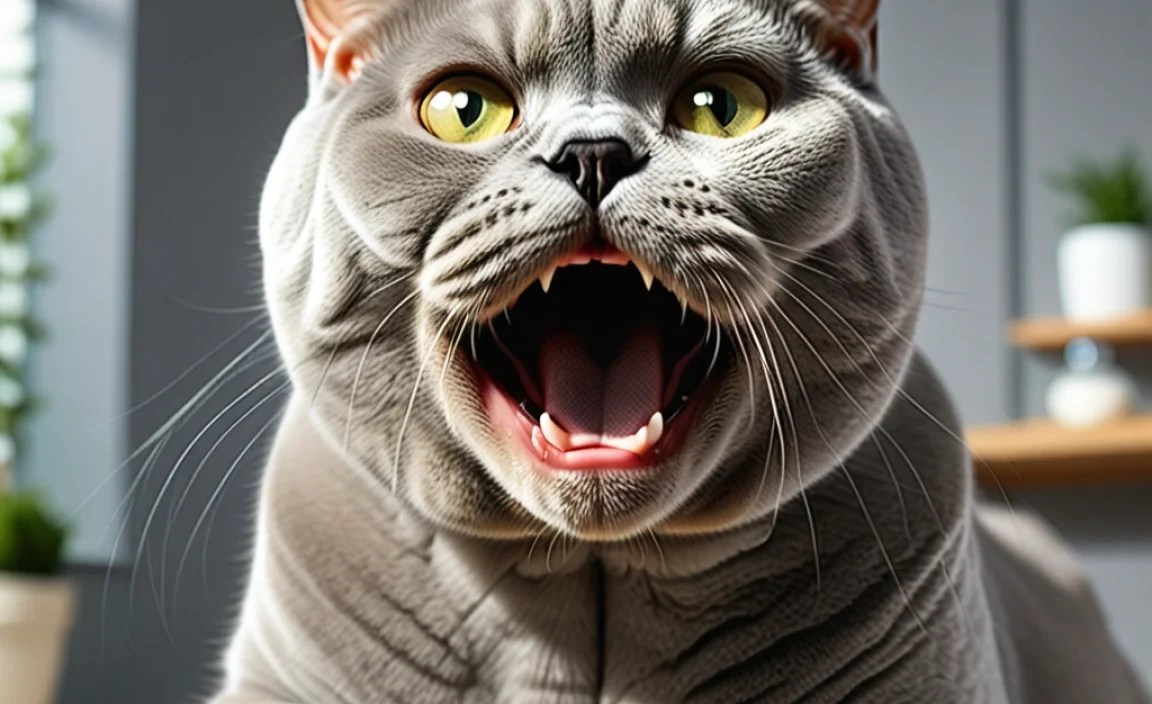
Even with the best intentions, you might encounter some challenges when trying to improve your British Shorthair’s dental health. Here are some tips for troubleshooting common issues:
My Cat Hates Having Their Teeth Brushed
- Start Slowly: Introduce the toothbrush and toothpaste gradually. Let your cat lick the toothpaste off your finger before attempting to brush.
- Positive Reinforcement: Reward your cat with treats and praise after each brushing session.
- Short Sessions: Keep brushing sessions short and sweet. Even 30 seconds is better than nothing.
- Alternative Methods: If your cat absolutely refuses to let you brush their teeth, try using dental wipes or water additives instead.
My Cat Has Bad Breath Even After Brushing
- Underlying Health Problem: As mentioned earlier, bad breath can be a sign of an underlying health problem. Schedule a visit with your veterinarian to rule out any medical issues.
- Professional Cleaning Needed: If your cat has a lot of tartar build-up, they may need a professional dental cleaning to remove it.
- Brushing Technique: Make sure you’re using the proper brushing technique and reaching all areas of your cat’s mouth.
My Cat Won’t Eat Dental Treats
- Variety: Try different flavors and textures of dental treats to see which ones your cat prefers.
- Small Pieces: Break the treats into smaller pieces to make them easier to chew.
- Mix it Up: Mix the treats with your cat’s regular food to make them more appealing.
British Shorthair-Specific Considerations

While the above advice applies to most cats, there are a few things to keep in mind specifically for British Shorthairs.
- Breed Predisposition: British Shorthairs are generally healthy, but some may have a genetic predisposition to certain dental issues. Regular checkups are key!
- Weight Management: British Shorthairs can be prone to weight gain, so be mindful of treat portions and ensure they get enough exercise. Obesity can exacerbate dental problems.
- Gentle Approach: These cats are known for their calm demeanor, but they still appreciate a gentle, patient approach to dental care. Avoid forcing anything.
The Science Behind the Solutions
You might be wondering, “Why are these methods effective?” Here’s a brief look at the science behind preventing bad breath in cats:
| Method | Scientific Explanation | Benefits |
|---|---|---|
| Brushing | Removes plaque and bacteria before they harden into tartar. | Prevents gingivitis and periodontal disease. |
| Dental Treats | Abrasive texture helps scrape away plaque. | Reduces plaque and tartar build-up. |
| Dry Food | Chewing on kibble can help remove plaque. | Contributes to cleaner teeth. |
| Veterinary Checkups | Professional cleaning removes stubborn tartar, X-rays reveal hidden problems. | Early detection and treatment of dental disease. |
Essentially, these methods work by disrupting the formation of plaque and tartar, which are the primary causes of bad breath and dental disease.
FAQ: Preventing Bad Breath in British Shorthairs
Here are some frequently asked questions about preventing bad breath in British Shorthairs:
- Q: How often should I brush my British Shorthair’s teeth?
- A: Ideally, you should brush your cat’s teeth daily. If that’s not possible, aim for at least 2-3 times per week.
- Q: Can I use human toothpaste on my cat?
- A: No! Human toothpaste contains ingredients that are toxic to cats. Always use a cat-specific toothpaste.
- Q: What are some signs of dental disease in cats?
- A: Signs of dental disease include bad breath, excessive drooling, difficulty eating, red or swollen gums, and loose teeth.
- Q: Are dental treats a substitute for brushing?
- A: No, dental treats are not a substitute for brushing. They can be a helpful addition to your dental care routine, but they don’t remove plaque as effectively as brushing.
- Q: How often should I take my cat to the vet for a dental checkup?
- A: Most cats should have a dental checkup at least once a year. Cats with a history of dental problems may need more frequent checkups.
- Q: My cat hates having their teeth brushed. What can I do?
- A: Start slowly and use positive reinforcement. If your cat absolutely refuses to let you brush their teeth, try using dental wipes or water additives instead.
- Q: Can bad breath in cats be a sign of a serious health problem?
- A: Yes, bad breath can sometimes be a sign of an underlying health problem, such as kidney disease or diabetes. Consult with your veterinarian if you’re concerned.
Conclusion
Preventing bad breath in your British Shorthair doesn’t have to be a chore. By incorporating these simple steps into your routine, you can help keep their teeth healthy and their breath fresh. Remember, consistency is key, and even a little bit of effort can make a big difference. Not only will you be improving their oral hygiene, but you’ll also be strengthening the bond between you and your beloved feline companion.
So, grab that cat toothbrush, stock up on dental treats, and get ready to say goodbye to bad breath and hello to sweet kitty kisses! Your British Shorthair will thank you for it with purrs, cuddles, and a much more pleasant aroma. Happy brushing!


