
British Shorthair-Specific Preventive Care Checklist: Secret Tips

A British Shorthair-specific preventive care checklist includes regular vet visits, vaccinations, parasite control, dental care, grooming, and a balanced diet. Early detection and consistent care can help maintain your cat’s health and quality of life. Monitor their behavior, weight, and appetite for any signs of illness, and provide a safe and stimulating environment.
Bringing a British Shorthair into your life is a joy! These cats are known for their calm, affectionate nature and beautiful plush coats. But, like all breeds, they have specific health needs. It can feel overwhelming to keep track of everything they need to stay happy and healthy. Many owners worry about missing something important, especially when it comes to preventive care.
Don’t worry! This checklist will guide you through the essential steps to keep your British Shorthair in top condition. We’ll cover everything from vaccinations to grooming, making it easy to provide the best possible care for your feline friend. Let’s get started and ensure your British Shorthair enjoys a long and healthy life!
British Shorthair-Specific Preventive Care Checklist

Preventive care is the key to a long and healthy life for your British Shorthair. Regular checkups and proactive measures can help catch potential problems early and keep your furry friend in top shape. Here’s a detailed checklist to guide you.
1. Veterinary Checkups and Vaccinations

Regular vet visits are crucial for maintaining your British Shorthair’s health. These checkups help detect any potential health issues early on. Here’s what you need to know:
- Frequency: Annual checkups are generally recommended for adult cats. Kittens and senior cats may need more frequent visits.
- What to expect: During the checkup, the vet will perform a physical examination, checking your cat’s weight, temperature, heart rate, and overall condition. They’ll also discuss any concerns you may have about your cat’s behavior or health.
- Vaccinations: Core vaccines for cats include FVRCP (feline viral rhinotracheitis, calicivirus, and panleukopenia) and rabies. Your vet may also recommend other vaccines based on your cat’s lifestyle, such as FeLV (feline leukemia virus) for outdoor cats.
2. Parasite Control
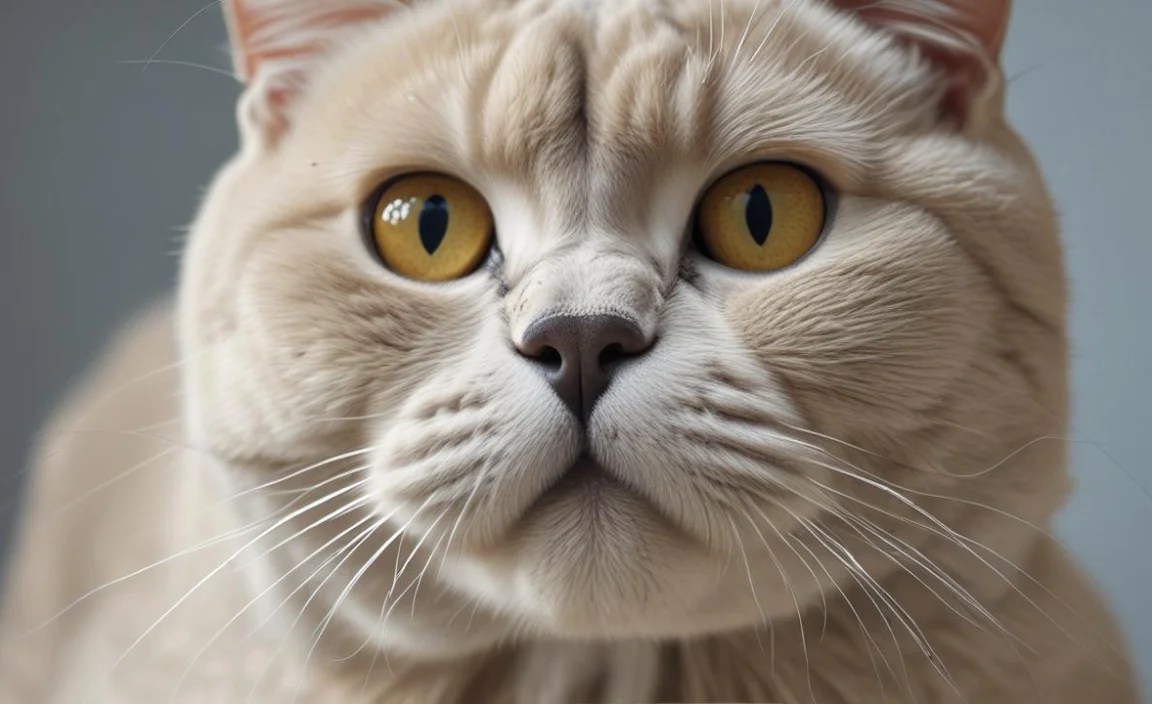
Parasites can cause significant health problems for your British Shorthair. Regular parasite control is essential to keep your cat healthy and comfortable.
- Fleas: Use a vet-approved flea preventative regularly, especially during warmer months. Fleas can cause itching, skin irritation, and transmit diseases.
- Ticks: If your cat goes outdoors, check for ticks regularly. Use a tick preventative if necessary. Ticks can transmit diseases like Lyme disease.
- Heartworms: While less common in cats than dogs, heartworm prevention is still important, especially in areas where heartworms are prevalent. Consult your vet about heartworm prevention options.
- Intestinal Worms: Regular deworming is crucial. Common intestinal worms in cats include roundworms, hookworms, and tapeworms. Your vet can recommend the best deworming schedule and medication for your cat.
Here’s a quick reference table for common parasites and their preventatives:
| Parasite | Preventative Measures | Symptoms of Infestation |
|---|---|---|
| Fleas | Monthly flea treatments (topical or oral) | Excessive scratching, flea dirt in coat |
| Ticks | Tick prevention medication, daily checks | Visible ticks, fever, lethargy |
| Heartworms | Monthly heartworm preventatives | Coughing, difficulty breathing, lethargy |
| Intestinal Worms | Regular deworming treatments | Diarrhea, vomiting, weight loss |
3. Dental Care

Dental health is often overlooked but is crucial for your British Shorthair’s overall well-being. Dental disease can lead to pain, infection, and other health problems.
- Brushing: Ideally, brush your cat’s teeth daily. Use a cat-specific toothbrush and toothpaste. Never use human toothpaste, as it can be toxic to cats.
- Dental Treats and Food: Some dental treats and foods are designed to help reduce plaque and tartar buildup. Look for products approved by the Veterinary Oral Health Council (VOHC).
- Professional Cleanings: Regular professional dental cleanings are essential. Your vet can remove plaque and tartar buildup and assess your cat’s dental health. The frequency of cleanings depends on your cat’s individual needs, but most cats benefit from a cleaning every 1-2 years.
4. Nutrition and Weight Management

Proper nutrition is vital for maintaining your British Shorthair’s health and weight. British Shorthairs are prone to obesity, so it’s important to monitor their diet and weight.
- Balanced Diet: Feed your cat a high-quality, balanced diet formulated for their age and activity level. Look for foods that list a specific meat source as the first ingredient.
- Portion Control: Follow the feeding guidelines on the food packaging and adjust as needed to maintain a healthy weight. Avoid free-feeding, as this can lead to overeating.
- Treats: Limit treats and ensure they are healthy and low in calories.
- Weight Monitoring: Weigh your cat regularly and monitor their body condition. You should be able to feel their ribs without excessive fat covering them. If you’re concerned about your cat’s weight, consult your vet.
5. Grooming
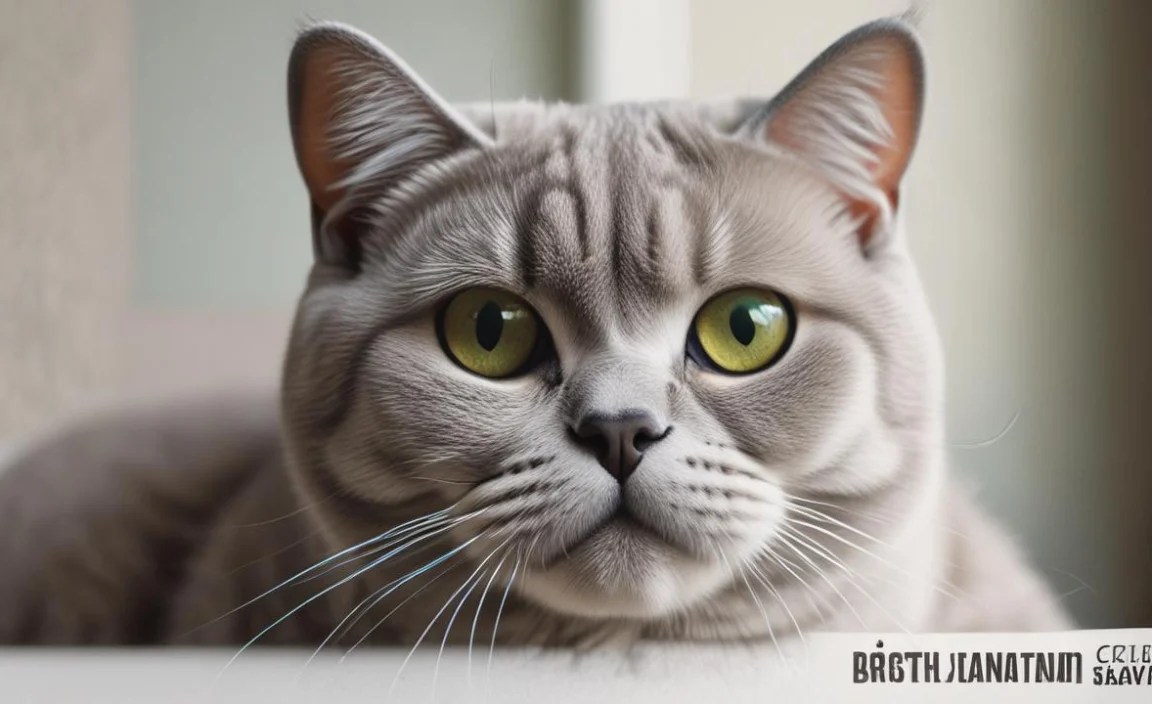
British Shorthairs have a dense, plush coat that requires regular grooming to prevent matting and hairballs.
- Brushing: Brush your cat several times a week to remove loose hair and prevent mats. A stainless steel comb or slicker brush works well.
- Bathing: British Shorthairs don’t typically need frequent baths unless they get dirty. When you do bathe your cat, use a cat-specific shampoo and rinse thoroughly.
- Nail Trimming: Trim your cat’s nails every few weeks to prevent them from becoming too long and sharp. Use cat nail clippers and be careful not to cut the quick (the pink part of the nail).
- Ear Cleaning: Check your cat’s ears regularly for dirt and wax buildup. Clean them with a vet-approved ear cleaning solution if needed.
6. Environmental Enrichment
Providing a stimulating environment is essential for your British Shorthair’s mental and physical well-being.
- Scratching Posts: Provide scratching posts to allow your cat to scratch and stretch. This helps keep their nails healthy and prevents them from scratching furniture.
- Toys: Offer a variety of toys to keep your cat entertained. Rotate the toys regularly to keep them interested.
- Climbing Structures: Cats love to climb, so provide cat trees or shelves to allow them to explore and perch.
- Safe Outdoor Access: If you allow your cat outdoors, ensure they have a safe and enclosed area to explore. Consider a catio or harness training.
7. Monitoring Behavior and Health
Keeping a close eye on your British Shorthair’s behavior and health is crucial for early detection of any potential problems.
- Appetite and Thirst: Monitor your cat’s eating and drinking habits. Changes in appetite or thirst can be a sign of illness.
- Litter Box Habits: Pay attention to your cat’s litter box habits. Changes in urination or defecation can indicate a health problem.
- Activity Level: Note any changes in your cat’s activity level. Lethargy or decreased interest in play can be a sign of illness.
- Grooming Habits: Observe your cat’s grooming habits. Decreased grooming can indicate illness or pain.
- Behavioral Changes: Be aware of any changes in your cat’s behavior, such as increased aggression, hiding, or vocalization.
Here’s a table summarizing potential warning signs to watch out for:
| Area of Concern | Warning Signs | Possible Causes |
|---|---|---|
| Appetite | Loss of appetite, increased appetite, sudden changes | Illness, dental issues, stress |
| Litter Box Habits | Straining to urinate, blood in urine, diarrhea, constipation | Urinary tract infection, bladder stones, digestive issues |
| Activity Level | Lethargy, decreased interest in play | Illness, pain, depression |
| Grooming Habits | Decreased grooming, matted fur | Illness, pain, arthritis |
| Behavior | Increased aggression, hiding, excessive vocalization | Stress, anxiety, pain |
8. Breed-Specific Health Concerns
British Shorthairs are prone to certain health conditions. Knowing about these potential issues can help you take proactive steps to protect your cat’s health.
- Hypertrophic Cardiomyopathy (HCM): HCM is a common heart condition in cats, including British Shorthairs. Regular veterinary checkups can help detect early signs of HCM.
- Polycystic Kidney Disease (PKD): PKD is a genetic condition that causes cysts to form on the kidneys. Genetic testing can help identify cats at risk.
- Obesity: British Shorthairs are prone to obesity, which can lead to other health problems. Monitor their diet and weight carefully.
- Arthritis: As they age, British Shorthairs can develop arthritis. Joint supplements and pain management can help manage arthritis symptoms.
For more information on breed-specific health concerns, consult your veterinarian or reputable sources like the International Cat Care website.
9. Creating a Safe Environment
A safe home environment is crucial for preventing accidents and injuries.
- Toxic Substances: Keep all toxic substances, such as cleaning products, medications, and pesticides, out of your cat’s reach.
- Electrical Cords: Secure or cover electrical cords to prevent your cat from chewing on them.
- Houseplants: Be aware that some houseplants are toxic to cats. Keep toxic plants out of reach or choose cat-safe alternatives. The ASPCA has a comprehensive list of toxic and non-toxic plants.
- Windows and Balconies: Ensure windows and balconies are secure to prevent falls.
- Small Objects: Keep small objects, such as rubber bands, paper clips, and string, out of your cat’s reach to prevent ingestion.
10. Senior Cat Care
As your British Shorthair enters their senior years (typically around age 10), their needs will change. Senior cats require extra care and attention to maintain their health and comfort.
- More Frequent Vet Visits: Senior cats should have vet checkups every 6 months to monitor their health and detect any age-related problems early on.
- Adjusted Diet: Senior cats may need a diet that is lower in calories and higher in fiber to help maintain a healthy weight and digestive function.
- Joint Support: Consider adding joint supplements to your cat’s diet to help support their joints and manage arthritis symptoms.
- Comfortable Bedding: Provide comfortable and supportive bedding to help your cat rest and relax.
- Cognitive Support: Senior cats may experience cognitive decline. Provide mental stimulation and consider cognitive support supplements if needed.
FAQ: British Shorthair Preventive Care
Here are some frequently asked questions about preventive care for British Shorthairs:
1. How often should I take my British Shorthair to the vet?
Adult British Shorthairs should have annual checkups. Kittens and senior cats may need more frequent visits, as recommended by your vet.
2. What vaccinations does my British Shorthair need?
Core vaccines include FVRCP (feline viral rhinotracheitis, calicivirus, and panleukopenia) and rabies. Your vet may recommend additional vaccines based on your cat’s lifestyle.
3. How can I prevent fleas on my British Shorthair?
Use a vet-approved flea preventative regularly, especially during warmer months. Topical and oral treatments are available.
4. How often should I brush my British Shorthair?
Brush your British Shorthair several times a week to remove loose hair and prevent matting. Daily brushing is ideal.
5. What are some common health problems in British Shorthairs?
Common health problems include hypertrophic cardiomyopathy (HCM), polycystic kidney disease (PKD), obesity, and arthritis.
6. How can I keep my British Shorthair from getting fat?
Feed your cat a balanced diet, control portion sizes, limit treats, and provide plenty of exercise.
7. Is pet insurance worth it for a British Shorthair?
Pet insurance can help cover the costs of unexpected veterinary care, especially for breed-specific health concerns. It’s worth considering to help manage potential expenses.
Conclusion
Taking care of a British Shorthair involves a comprehensive approach that includes regular vet visits, parasite control, dental care, proper nutrition, grooming, environmental enrichment, and monitoring their behavior and health. By following this British Shorthair-specific preventive care checklist, you can ensure your feline friend enjoys a long, healthy, and happy life. Remember to consult with your veterinarian regularly to address any specific concerns and tailor your cat’s care to their individual needs. With your love and attention, your British Shorthair will thrive and bring you years of joy and companionship.


