
Indoor Exercise Routine for British Shorthairs: Easy Guide

Indoor Exercise Routine for British Shorthairs: Quick Summary
Need to keep your British Shorthair active indoors? Regular play sessions are key! Use interactive toys like wand toys and puzzle feeders to stimulate their minds and bodies. Create climbing opportunities with cat trees and shelves. Aim for at least 15-20 minutes of active play daily, broken into shorter sessions. This helps prevent boredom, manages weight, and keeps your furry friend happy and healthy.
Bringing a British Shorthair into your home is like welcoming a cuddly, plushy companion. Known for their calm and affectionate nature, these cats are often happy to laze about. But don’t let their relaxed demeanor fool you! British Shorthairs still need regular exercise to stay healthy and prevent weight gain, especially when living indoors. A bored British Shorthair can become a mischievous British Shorthair! Luckily, there are many ways to keep your indoor cat active and entertained.
This guide will walk you through creating a fun and effective indoor exercise routine for your British Shorthair. We’ll cover everything from choosing the right toys to building a stimulating environment. Get ready to unleash your cat’s inner athlete!
Why is Exercise Important for British Shorthairs?

British Shorthairs, like all cats, benefit greatly from regular physical activity. Exercise isn’t just about burning calories; it’s crucial for their overall well-being. Here’s why:
- Weight Management: British Shorthairs are prone to weight gain, which can lead to health problems like diabetes and arthritis. Exercise helps them maintain a healthy weight.
- Mental Stimulation: Physical activity provides mental enrichment, preventing boredom and destructive behaviors. A stimulated cat is a happy cat!
- Muscle Tone: Regular exercise helps maintain muscle mass and strength, keeping your cat agile and mobile as they age.
- Improved Digestion: Activity can aid digestion and prevent constipation, a common issue in less active cats.
- Reduced Stress: Exercise can help reduce stress and anxiety, leading to a calmer and more relaxed feline friend.
Understanding Your British Shorthair’s Play Style

Before diving into an exercise routine, it’s important to understand your cat’s individual preferences. British Shorthairs are generally not as high-energy as some other breeds, but they still enjoy playing. Observe your cat to identify what motivates them. Do they prefer chasing toys, pouncing, or batting things around? This will help you choose the right activities and toys.
Some British Shorthairs are more playful as kittens and gradually become less active as they mature. Others maintain a playful spirit throughout their lives. Pay attention to your cat’s cues and adjust the intensity of the exercise accordingly. Never force your cat to play if they’re not interested.
Creating an Enriching Indoor Environment

Your home environment plays a vital role in encouraging your British Shorthair to exercise. Here are some ways to create a stimulating space:
Vertical Space
Cats love to climb and explore vertical spaces. Providing opportunities to climb is essential for their physical and mental well-being.
- Cat Trees: Invest in a sturdy cat tree with multiple levels, scratching posts, and hiding spots. Place it near a window so your cat can enjoy watching the outside world.
- Cat Shelves: Install cat shelves on your walls to create a climbing pathway. Make sure the shelves are securely mounted and can support your cat’s weight.
- Window Perches: A window perch provides a comfortable spot for your cat to bask in the sun and observe birds and other outdoor activities.
Scratching Posts
Scratching is a natural behavior for cats. Providing scratching posts allows them to stretch their muscles, sharpen their claws, and mark their territory.
- Variety of Materials: Offer scratching posts made of different materials, such as sisal, cardboard, and carpet, to see which your cat prefers.
- Placement: Place scratching posts in areas where your cat likes to scratch, such as near their sleeping area or favorite window.
- Horizontal and Vertical Options: Provide both horizontal and vertical scratching posts to cater to your cat’s preferences.
Interactive Toys
Interactive toys are a great way to engage your British Shorthair and encourage them to exercise. Rotate toys regularly to keep your cat interested.
- Wand Toys: Wand toys with feathers, ribbons, or other enticing attachments are excellent for simulating prey and encouraging your cat to chase and pounce.
- Laser Pointers: Laser pointers can be fun for cats, but use them sparingly and always end the session by pointing the laser at a tangible toy so your cat can “catch” it.
- Puzzle Feeders: Puzzle feeders challenge your cat to solve problems and work for their food, providing mental stimulation and slowing down their eating.
- Toy Mice: Simple toy mice can be a great way for your cat to practice their hunting skills.
Step-by-Step Indoor Exercise Routine
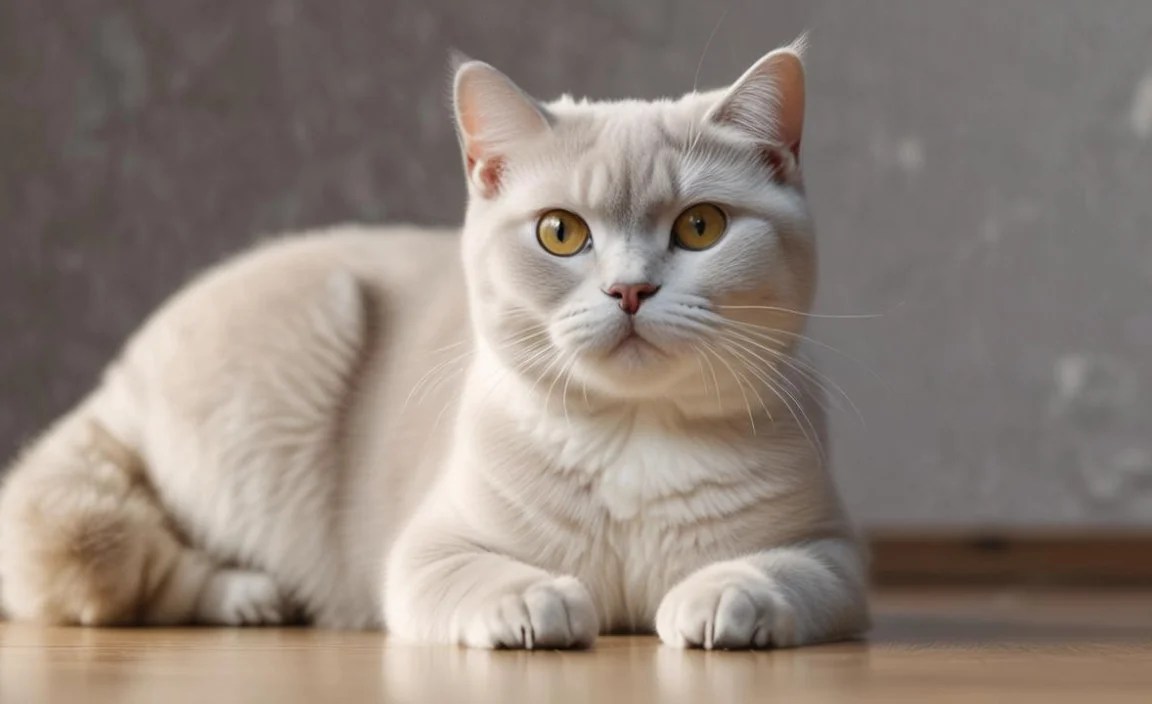
Now that you have a stimulating environment, let’s create a structured exercise routine for your British Shorthair. Remember to be patient and adjust the routine based on your cat’s individual needs and preferences.
Step 1: Warm-Up (5 minutes)
Start with a gentle warm-up to prepare your cat’s muscles for exercise. Use a wand toy to encourage them to stretch and move around.
- Slowly move the wand toy in front of your cat, allowing them to stalk and pounce.
- Encourage them to reach up and bat at the toy.
- Gradually increase the speed and intensity of the movements.
Step 2: Active Play (10-15 minutes)
Engage your cat in more vigorous play to get their heart rate up. Use a variety of toys to keep them interested.
- Chasing: Toss a toy mouse or ball for your cat to chase.
- Pouncing: Use a wand toy to simulate prey and encourage your cat to pounce.
- Climbing: Encourage your cat to climb the cat tree or shelves by dangling a toy at the top.
Step 3: Cool-Down (5 minutes)
End the session with a cool-down to help your cat’s muscles recover. Slow down the pace of the play and offer some gentle petting.
- Gradually decrease the speed and intensity of the movements with the wand toy.
- Allow your cat to catch the toy and “win” the game.
- Offer some gentle petting and praise.
Step 4: Reward (Optional)
Reward your cat with a healthy treat or a small amount of their favorite food after the exercise session. This will help them associate exercise with positive reinforcement.
Sample Weekly Exercise Schedule
| Day | Activity | Duration |
|---|---|---|
| Monday | Wand Toy Play | 20 minutes |
| Tuesday | Puzzle Feeder | Throughout the day |
| Wednesday | Chasing Toys | 15 minutes |
| Thursday | Cat Tree Climbing | 10 minutes |
| Friday | Wand Toy Play | 20 minutes |
| Saturday | Free Play (with various toys) | 30 minutes |
| Sunday | Rest Day (gentle petting and interaction) | As desired |
This is just a sample schedule. Adjust it based on your cat’s individual needs and preferences. The key is to be consistent and make exercise a regular part of your cat’s routine.
Tips for Keeping Your British Shorthair Motivated
It can sometimes be challenging to keep your British Shorthair engaged in exercise. Here are some tips to help you succeed:
- Variety is Key: Rotate toys and activities regularly to prevent boredom.
- Positive Reinforcement: Use praise, petting, and treats to reward your cat for participating in exercise.
- Short and Sweet: Keep exercise sessions short and fun to maintain your cat’s interest.
- Timing is Everything: Choose a time of day when your cat is most active.
- Observe Your Cat: Pay attention to your cat’s cues and adjust the exercise routine accordingly.
- Make it a Game: Turn exercise into a game to make it more enjoyable for your cat.
Safety Considerations
Before starting an exercise routine, it’s important to consider your cat’s safety.
- Consult Your Veterinarian: If your cat has any health concerns, consult your veterinarian before starting an exercise routine.
- Safe Environment: Ensure the play area is free of hazards, such as loose cords, sharp objects, and toxic plants.
- Supervise Play: Always supervise your cat during play to prevent accidents.
- Avoid Overexertion: Don’t push your cat too hard, especially if they are overweight or have health problems.
- Hydration: Provide fresh water for your cat during and after exercise.
Monitoring Your Cat’s Progress
It’s important to monitor your cat’s progress and adjust the exercise routine as needed. Keep track of their weight, activity level, and overall health. If you notice any changes in their behavior or health, consult your veterinarian. Regular check-ups with your vet are an important part of any wellness plan. The RSPCA also provides lots of valuable information and guidance on pet health and well-being.
Addressing Common Challenges
You might encounter some challenges when trying to establish an indoor exercise routine for your British Shorthair. Here are some common issues and how to address them:
- Lack of Interest: If your cat isn’t interested in playing, try different toys and activities until you find something they enjoy.
- Overweight Cat: If your cat is overweight, start with gentle exercise and gradually increase the intensity as they become more fit. Consult your veterinarian for guidance on weight management.
- Senior Cat: Senior cats may have limited mobility. Adapt the exercise routine to their abilities and focus on gentle activities.
- Medical Conditions: If your cat has any medical conditions, consult your veterinarian before starting an exercise routine.
The Benefits of Exercise Beyond Physical Health
While the physical benefits of exercise are clear, the positive impact on your British Shorthair’s mental and emotional well-being shouldn’t be overlooked.
* **Strengthened Bond:** Playing together creates a stronger bond between you and your cat. These interactions foster trust and affection.
* **Reduced Behavioral Issues:** A well-exercised cat is less likely to exhibit destructive behaviors stemming from boredom or pent-up energy.
* **Better Sleep:** Regular physical activity can lead to improved sleep patterns, ensuring your cat gets the rest they need.
* **Increased Confidence:** Mastering new climbing challenges or successfully “hunting” a toy can boost your cat’s confidence and self-esteem.
Advanced Exercise Techniques for Agile British Shorthairs
Once your British Shorthair has mastered the basics, you can introduce more challenging exercises.
* **Agility Training:** Set up a mini agility course with tunnels, hoops, and low jumps. Guide your cat through the course using treats or a favorite toy.
* **Trick Training:** Teach your cat simple tricks like “sit,” “stay,” or “high-five.” Use positive reinforcement and keep training sessions short and fun.
* **Interactive Feeding:** Use a food ball or puzzle feeder to make mealtime more challenging and engaging.
Example Table of Calorie Expenditure for British Shorthairs
| Activity | Estimated Calories Burned (per 30 minutes) |
|---|---|
| Playing with Wand Toy | 20-30 calories |
| Chasing Toys | 25-35 calories |
| Climbing Cat Tree | 30-40 calories |
| Using Puzzle Feeder | 10-15 calories |
Please note that these are estimates, and the actual calorie expenditure may vary depending on your cat’s size, age, and activity level. Monitoring your cat’s weight and adjusting their diet accordingly is important.
Indoor Exercise Routine for British Shorthairs: Frequently Asked Questions
How much exercise does a British Shorthair need?
Aim for at least 15-20 minutes of active play per day, broken into shorter sessions. Adjust the duration and intensity based on your cat’s individual needs and preferences.
What are the best toys for British Shorthairs?
Wand toys, puzzle feeders, toy mice, and catnip toys are all great options. Rotate toys regularly to keep your cat interested.
How can I encourage my cat to use the cat tree?
Place the cat tree near a window or in an area where your cat likes to spend time. Sprinkle catnip on the tree or dangle a toy from the top to entice them to climb.
What if my cat is overweight?
Start with gentle exercise and gradually increase the intensity as they become more fit. Consult your veterinarian for guidance on weight management and diet.
Is it safe to use a laser pointer with my cat?
Laser pointers can be fun for cats, but use them sparingly and always end the session by pointing the laser at a tangible toy so your cat can “catch” it. This will prevent frustration and anxiety.
How do I know if my cat is getting enough exercise?
Monitor your cat’s weight, activity level, and overall health. If they are maintaining a healthy weight and appear happy and engaged, they are likely getting enough exercise.
Can I exercise my British Shorthair kitten the same way as an adult cat?
Kittens have shorter attention spans and less stamina than adult cats. Keep exercise sessions short and gentle, and focus on play that encourages coordination and exploration. Always supervise kittens during play to prevent injuries.
Conclusion
Creating an indoor exercise routine for your British Shorthair is an investment in their health and well-being. By providing a stimulating environment, engaging in regular play sessions, and monitoring their progress, you can help your feline friend stay happy, healthy, and active for years to come. Remember to be patient, observant, and adaptable, and most importantly, have fun with your furry companion! A little effort can make a big difference in the life of your beloved British Shorthair.


