
Outdoor Hair Shedding Solutions for British Shorthairs: Easy Guide

Quick Summary: Managing British Shorthair shedding, especially outdoors, involves regular grooming with slicker brushes and de-shedding tools to remove loose fur. A high-quality diet rich in Omega-3 fatty acids supports coat health. Create shaded outdoor spots, provide fresh water, and consider a catio to limit roaming. Vacuum outdoor furniture frequently and use washable covers to minimize hair accumulation.
British Shorthairs are known for their plush, dense coats, which unfortunately means they’re also known for shedding! If your British Shorthair enjoys spending time outdoors, you might find yourself battling a furry invasion of your patio, garden furniture, and outdoor spaces. Don’t worry; you’re not alone! Shedding is a natural process, but with the right strategies, you can keep it under control and enjoy a cleaner outdoor environment.
This guide will walk you through effective outdoor hair shedding solutions tailored for British Shorthairs. We’ll cover grooming techniques, diet adjustments, environmental management, and cleaning tips to help you maintain a fur-free outdoor oasis. Let’s dive in and make your outdoor space enjoyable for both you and your feline friend!
Understanding British Shorthair Shedding

Before we tackle the solutions, let’s understand why British Shorthairs shed and what makes their shedding unique.
Why British Shorthairs Shed
Shedding is a normal process for cats, helping them to get rid of old or damaged hair and make way for new, healthy growth. British Shorthairs have a particularly dense double coat, which means they tend to shed more than some other breeds. Several factors influence shedding:
- Seasonal Changes: Like many animals, British Shorthairs typically shed more in the spring and fall as they adjust to temperature changes.
- Diet: A poor diet can lead to dry, brittle fur, increasing shedding.
- Health: Underlying health issues, such as allergies or skin conditions, can cause excessive shedding.
- Grooming: Inadequate grooming allows loose fur to accumulate, leading to increased shedding.
The British Shorthair Coat
The British Shorthair’s coat is one of its defining features. It’s dense, plush, and almost woolly in texture, which is due to its unique double-layered structure. This luxurious coat requires regular maintenance to prevent matting and reduce shedding. Understanding the coat’s characteristics is the first step in managing shedding effectively.
Effective Grooming Techniques
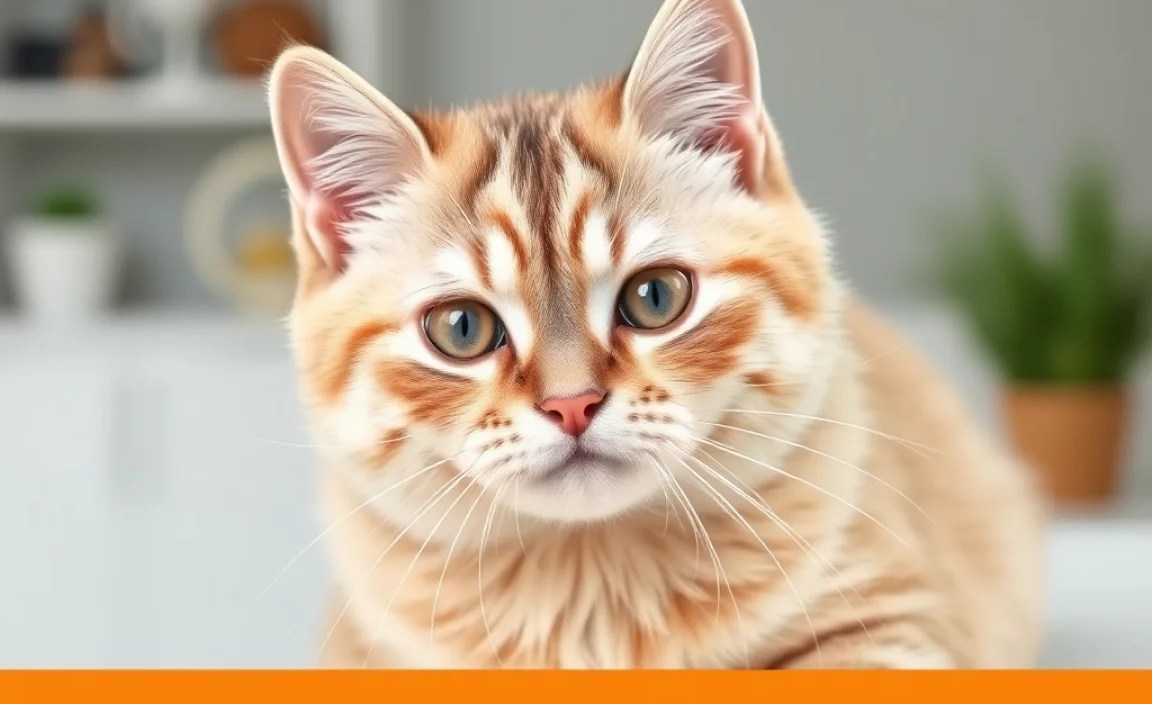
Regular grooming is the cornerstone of managing shedding in British Shorthairs. Here’s how to groom your cat effectively:
Essential Grooming Tools
Investing in the right grooming tools can make a significant difference. Here are some must-have tools:
- Slicker Brush: Ideal for removing loose fur and preventing mats. Look for one with fine, angled bristles.
- De-shedding Tool: Designed to reach deep into the coat and remove the undercoat. The FURminator is a popular brand, but there are many effective options.
- Grooming Glove: A gentle option for everyday grooming, especially for cats who are sensitive to brushing.
- Metal Comb: Useful for detangling and checking for mats.
Step-by-Step Grooming Guide
Follow these steps for an effective grooming session:
- Start with a Slicker Brush: Gently brush your cat’s coat in the direction of hair growth to remove surface-level loose fur.
- Use a De-shedding Tool: Work in sections, using short, gentle strokes to remove the undercoat. Be careful not to apply too much pressure, as this can irritate the skin.
- Comb Through: Use a metal comb to check for any remaining tangles or mats. Pay special attention to areas behind the ears and under the legs.
- Finish with a Grooming Glove: Use the glove to give your cat a gentle massage while removing any remaining loose fur.
Grooming Frequency
During peak shedding seasons (spring and fall), aim to groom your British Shorthair daily. During other times of the year, 2-3 times a week should be sufficient. Regular grooming not only reduces shedding but also strengthens the bond between you and your cat.
Diet and Hydration

A balanced diet and proper hydration are crucial for maintaining a healthy coat and reducing shedding.
The Importance of a High-Quality Diet
A diet rich in essential nutrients supports healthy fur growth and reduces dryness and brittleness, which can lead to increased shedding. Look for cat foods that contain:
- High-Quality Protein: Essential for fur growth and overall health.
- Omega-3 and Omega-6 Fatty Acids: These promote healthy skin and a shiny coat. Fish oil supplements can also be beneficial.
- Vitamins and Minerals: Ensure the food contains a balanced blend of vitamins and minerals, including Vitamin E and biotin.
Consult with your veterinarian to determine the best diet for your British Shorthair, especially if they have any specific dietary needs or allergies. Purina offers a range of cat foods formulated for coat health.
Hydration Tips
Dehydration can lead to dry skin and increased shedding. Make sure your cat has access to fresh, clean water at all times. Some cats prefer running water, so consider a cat water fountain. Wet food can also help increase your cat’s water intake.
Creating a Cat-Friendly Outdoor Environment

If your British Shorthair enjoys spending time outdoors, creating a cat-friendly environment can help manage shedding and keep your outdoor space clean.
Shaded Areas
Provide shaded areas where your cat can relax and escape the sun. Overexposure to sunlight can dry out their coat and increase shedding. Trees, shrubs, or a covered patio can offer much-needed shade.
Fresh Water Outdoors
Always have a bowl of fresh water available outdoors, especially during warm weather. Dehydration can worsen shedding, so keeping your cat hydrated is essential.
Designated Outdoor Space
Consider creating a designated outdoor space for your cat, such as a catio or enclosed garden. This can help contain shedding and prevent your cat from roaming into areas where you don’t want fur.
A catio (cat patio) is an enclosed outdoor space that allows your cat to enjoy the outdoors safely. It can be attached to your house or be a standalone structure. Catios provide enrichment and prevent roaming, reducing the amount of fur spread around your yard. You can find catio designs and kits online, or build one yourself.
Outdoor Furniture Considerations
Choose outdoor furniture that is easy to clean and less likely to attract fur. Avoid fabrics that are highly textured or prone to trapping hair. Smooth, waterproof materials are ideal.
Managing Shedding on Outdoor Surfaces

Even with the best grooming and environmental strategies, some shedding is inevitable. Here’s how to manage fur on outdoor surfaces:
Regular Cleaning
Regular cleaning is key to keeping your outdoor space fur-free. Sweep or vacuum patios, decks, and other hard surfaces frequently. Use a shop vacuum for efficient fur removal.
Outdoor Furniture Care
Clean outdoor furniture regularly to remove accumulated fur. Use a vacuum with an upholstery attachment for fabric furniture. For cushions, consider using washable covers that can be easily removed and laundered.
Plant Care
Remove fur from plants and outdoor décor using a damp cloth or a soft brush. This prevents fur from accumulating and becoming unsightly. Check plants regularly, as cats may rub against them and leave fur behind.
Dealing with Outdoor Allergens
Cat allergies are common, and outdoor shedding can exacerbate symptoms. Here’s how to minimize allergens in your outdoor space:
Allergen-Reducing Products
Consider using allergen-reducing sprays or wipes on outdoor furniture and surfaces. These products can help neutralize allergens and reduce their impact.
Air Purifiers
If you have an enclosed outdoor space, such as a screened porch, consider using an air purifier to remove allergens from the air. Look for an air purifier with a HEPA filter, which is effective at trapping small particles like pet dander.
Personal Precautions
If you are allergic to cats, take personal precautions when spending time outdoors. Wear gloves when gardening or cleaning outdoor furniture, and wash your hands thoroughly after contact with your cat or outdoor surfaces. The RSPCA offers guidance on managing pet allergies.
When to Consult a Veterinarian
While shedding is normal, excessive or sudden shedding can indicate an underlying health issue. Consult a veterinarian if you notice any of the following:
- Sudden Increase in Shedding: If your cat is shedding significantly more than usual, it could be a sign of a problem.
- Bald Patches: Areas of missing fur can indicate allergies, infections, or other health issues.
- Skin Irritation: Redness, itching, or inflammation of the skin can be caused by allergies, parasites, or infections.
- Changes in Appetite or Behavior: If your cat is also experiencing changes in appetite, energy level, or behavior, it’s important to seek veterinary care.
A veterinarian can help identify the cause of excessive shedding and recommend appropriate treatment. Early diagnosis and treatment can prevent more serious health problems.
British Shorthair Shedding Solutions: A Summary Table
| Solution | Description | Frequency | Benefits |
|---|---|---|---|
| Regular Grooming | Brushing with slicker brush and de-shedding tool | Daily during shedding season, 2-3 times a week otherwise | Removes loose fur, prevents mats, reduces shedding |
| High-Quality Diet | Food rich in protein, Omega-3 fatty acids, and vitamins | Daily | Supports healthy coat, reduces dryness, minimizes shedding |
| Hydration | Fresh water available at all times, wet food | Daily | Prevents dry skin, reduces shedding |
| Shaded Outdoor Areas | Trees, shrubs, covered patio | Continuous | Protects coat from sun damage, reduces shedding |
| Designated Outdoor Space | Catio or enclosed garden | Continuous | Contains shedding, prevents roaming |
| Regular Cleaning | Sweeping, vacuuming outdoor surfaces | Weekly or as needed | Removes accumulated fur, keeps outdoor space clean |
| Allergen Reduction | Allergen-reducing sprays, air purifiers | As needed | Minimizes allergens, improves air quality |
Additional Tips and Tricks
Here are some extra tips to help you manage your British Shorthair’s shedding:
- Bathe Your Cat: Occasional baths can help remove loose fur. Use a cat-specific shampoo to avoid drying out their skin.
- Use a Lint Roller: Keep a lint roller handy for quick cleanups of outdoor furniture and clothing.
- Consider a Professional Groomer: A professional groomer can provide specialized grooming services, such as de-shedding treatments.
- Monitor Your Cat’s Health: Regular vet checkups can help identify and address any underlying health issues that may be contributing to shedding.
FAQ: Outdoor Hair Shedding Solutions for British Shorthairs
Here are some frequently asked questions about managing British Shorthair shedding outdoors:
Q1: How often should I groom my British Shorthair?
A: During peak shedding seasons (spring and fall), aim to groom your British Shorthair daily. At other times, 2-3 times a week is usually sufficient.
Q2: What type of brush is best for a British Shorthair?
A: A slicker brush is excellent for removing loose fur and preventing mats. A de-shedding tool like the FURminator can also be very effective for removing the undercoat.
Q3: Can diet affect my cat’s shedding?
A: Yes, a high-quality diet rich in protein, Omega-3 and Omega-6 fatty acids, and vitamins can significantly improve coat health and reduce shedding.
Q4: How can I keep my outdoor furniture fur-free?
A: Regular cleaning with a vacuum or lint roller is essential. Consider using washable covers on cushions and choosing furniture made from smooth, easy-to-clean materials.
Q5: Is it normal for my British Shorthair to shed year-round?
A: Yes, British Shorthairs typically shed year-round, but shedding is usually more intense during the spring and fall.
Q6: What are some signs that my cat’s shedding is abnormal?
A: Signs of abnormal shedding include a sudden increase in shedding, bald patches, skin irritation, and changes in appetite or behavior. Consult a veterinarian if you notice any of these signs.
Q7: Can I bathe my British Shorthair to reduce shedding?
A: Yes, occasional baths can help remove loose fur. Use a cat-specific shampoo to avoid drying out their skin. Be sure to dry your cat thoroughly after bathing to prevent chills.
Conclusion
Managing outdoor hair shedding from your British Shorthair requires a combination of consistent grooming, a healthy diet, and environmental management. By implementing the strategies outlined in this guide, you can significantly reduce shedding and keep your outdoor space clean and enjoyable. Remember, regular grooming not only benefits your cat’s coat but also strengthens the bond between you. Embrace these tips, and you and your British Shorthair can enjoy a fur-free, happy outdoor experience!


