
How to Prevent Indoor Obesity in British Shorthairs: Easy Tips

Quick Summary:
Preventing obesity in your indoor British Shorthair involves a multi-pronged approach. Provide a balanced diet with portion control, engage your cat in regular interactive play to encourage exercise, use food puzzles to stimulate their mind and body, and create a stimulating environment with climbing structures and toys. Regular vet check-ups are essential to monitor their weight and overall health, ensuring a happy and active life for your beloved feline.
British Shorthairs are known for their charming looks and calm nature. But, like all cats, they can easily become overweight, especially when living indoors. As a devoted British Shorthair owner, I know how worrying it can be to see your furry friend gaining too much weight. Indoor life can lead to less activity, making our beloved cats prone to obesity. But don’t worry! With a few simple changes, you can keep your British Shorthair healthy and happy.
In this guide, I’ll walk you through easy steps to prevent indoor obesity in your British Shorthair. We’ll cover diet, exercise, mental stimulation, and regular health checks. By following these tips, you can ensure your cat stays in great shape and enjoys a long, joyful life. Let’s dive in and discover how to keep your British Shorthair fit and fabulous!
Understanding Obesity in British Shorthairs

Obesity is a common health problem in cats, especially those living indoors. British Shorthairs, with their relaxed temperament, are particularly susceptible. It’s important to recognize the causes and risks of obesity to take preventive measures effectively.
Causes of Obesity
- Overfeeding: Giving your cat too much food, especially dry food, can lead to weight gain.
- Lack of Exercise: Indoor cats often don’t get enough physical activity.
- Diet Composition: High-carbohydrate diets can contribute to obesity.
- Age: Older cats are less active and may gain weight more easily.
- Genetics: Some cats are genetically predisposed to weight gain.
- Neutering/Spaying: These procedures can slow down metabolism, increasing the risk of obesity if diet and exercise are not adjusted accordingly.
Risks of Obesity
- Diabetes: Overweight cats are more likely to develop diabetes.
- Arthritis: Excess weight puts stress on joints, leading to arthritis.
- Heart Disease: Obesity can cause heart problems.
- Liver Problems: Fatty liver disease is a serious risk for overweight cats.
- Reduced Lifespan: Obese cats tend to live shorter lives.
- Skin Problems: Overweight cats may have difficulty grooming, leading to skin issues.
Recognizing these causes and risks will help you take proactive steps to keep your British Shorthair healthy and fit. According to the RSPCA, maintaining a healthy weight is crucial for your cat’s overall well-being.
Step 1: Balanced Diet and Portion Control

A balanced diet is the foundation of your British Shorthair’s health. Knowing what and how much to feed them is essential to prevent obesity.
Choosing the Right Food
- High-Quality Protein: Look for cat food with a high percentage of animal-based protein.
- Low Carbohydrates: Avoid foods with excessive grains and fillers.
- Wet Food: Consider incorporating wet food into their diet for added hydration and fewer calories per serving.
- Read Labels: Always check the ingredient list and nutritional information.
Portion Control
- Measure Food: Use a measuring cup to ensure you’re feeding the correct amount.
- Follow Guidelines: Adhere to the feeding guidelines on the food packaging, adjusting based on your cat’s activity level and weight.
- Scheduled Meals: Feed your cat at specific times rather than leaving food out all day.
- Avoid Table Scraps: Human food can be high in calories and harmful to cats.
Transitioning to a New Diet
- Gradual Change: Mix a small amount of the new food with the old food.
- Increase Ratio: Gradually increase the ratio of new food over 7-10 days.
- Monitor Reactions: Watch for any digestive issues during the transition.
- Consult Vet: If you have concerns, consult your veterinarian.
Here’s an example feeding schedule:
| Time | Meal | Amount |
|---|---|---|
| 7:00 AM | Wet Food | 1/2 can (3 oz) |
| 6:00 PM | Dry Food | 1/4 cup |
Remember, every cat is different, so adjust portions based on your British Shorthair’s individual needs and activity level. The International Cat Association (TICA) offers valuable resources on feline nutrition.
Step 2: Regular Interactive Play
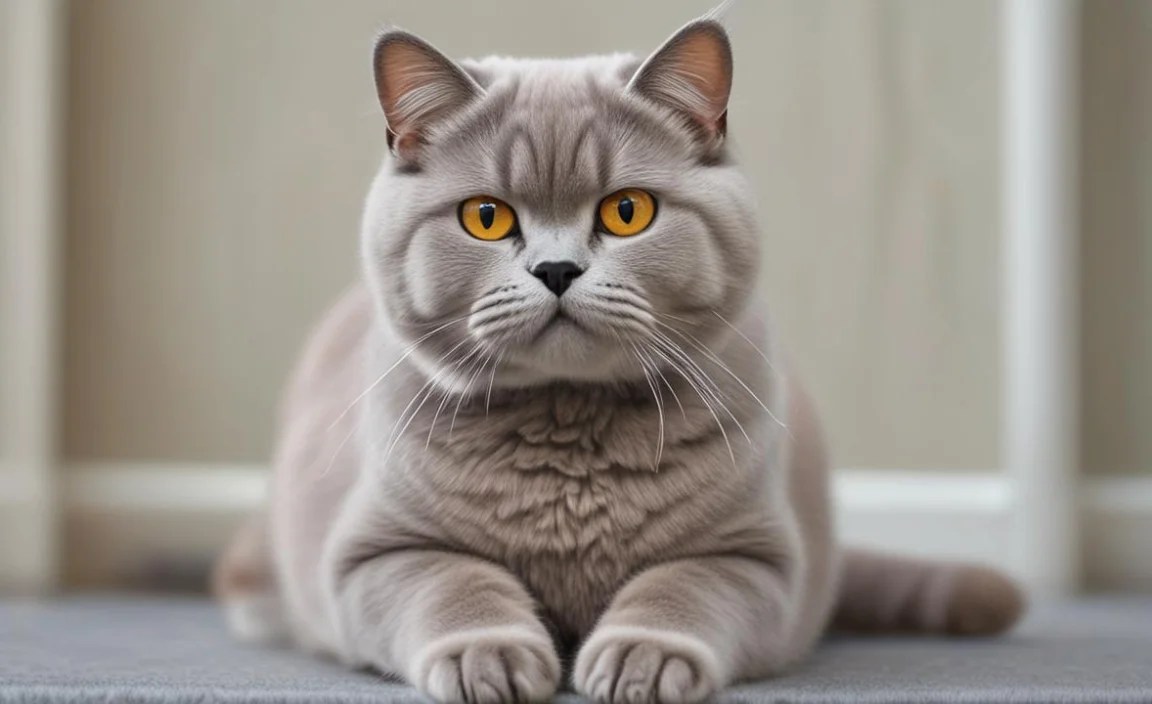
Exercise is just as important for cats as it is for humans. Regular play sessions can help your British Shorthair burn calories and stay fit.
Types of Interactive Play
- Feather Wands: Cats love chasing and pouncing on feather wands.
- Laser Pointers: Direct the laser pointer for your cat to chase, but avoid shining it in their eyes.
- Toy Mice: Encourage hunting behavior with small toy mice.
- Puzzle Toys: These toys combine play with mental stimulation.
Creating a Play Routine
- Daily Sessions: Aim for at least 15-20 minutes of play each day.
- Variety: Rotate toys to keep your cat interested.
- End on a High Note: Finish play sessions with a “catch” to satisfy their hunting instincts.
- Be Patient: Some cats take time to warm up to play, so be persistent and encouraging.
Benefits of Play
- Weight Management: Burns calories and prevents weight gain.
- Mental Stimulation: Keeps your cat mentally sharp and engaged.
- Bonding: Strengthens the bond between you and your cat.
- Reduces Boredom: Prevents destructive behaviors caused by boredom.
Here’s a sample weekly play schedule:
| Day | Activity | Duration |
|---|---|---|
| Monday | Feather Wand | 20 minutes |
| Tuesday | Laser Pointer | 15 minutes |
| Wednesday | Toy Mice | 20 minutes |
| Thursday | Puzzle Toy | 25 minutes |
| Friday | Feather Wand | 20 minutes |
| Saturday | Mix of Toys | 30 minutes |
| Sunday | Relaxed Play | 15 minutes |
Remember to adjust the intensity and duration of play based on your cat’s age and physical condition. Always supervise play to ensure their safety. The Purina website offers helpful tips on how to play effectively with your cat.
Step 3: Mental Stimulation and Enrichment

Keeping your British Shorthair mentally stimulated is just as important as physical exercise. A stimulating environment can prevent boredom and reduce the likelihood of overeating.
Creating an Enriching Environment
- Climbing Structures: Cat trees and shelves allow cats to climb and explore.
- Scratching Posts: Provide scratching posts to satisfy their natural instincts and protect your furniture.
- Window Perches: Cats enjoy watching the outside world from a comfortable perch.
- Hiding Places: Offer safe spaces like boxes or tunnels where your cat can retreat.
Using Food Puzzles
- Slow Feeders: These bowls make cats eat more slowly, preventing overeating.
- Puzzle Toys: These toys require cats to solve a puzzle to get a treat, providing mental stimulation and slowing down eating.
- DIY Puzzles: Create your own puzzles using household items like cardboard boxes and toilet paper rolls.
Rotating Toys
- Keep it Fresh: Rotate toys regularly to keep your cat interested.
- Storage: Store toys out of sight when not in use to make them more exciting when reintroduced.
- New Toys: Introduce new toys periodically to provide novelty.
Benefits of Mental Stimulation
- Reduces Boredom: Prevents destructive behaviors and overeating.
- Enhances Cognitive Function: Keeps your cat mentally sharp.
- Stress Relief: Provides an outlet for natural behaviors.
- Improved Well-being: Contributes to a happier, healthier cat.
Here are some ideas for enriching your cat’s environment:
- Place a bird feeder outside a window your cat likes to watch.
- Create a “dig box” filled with toys and treats for your cat to explore.
- Hang toys from the ceiling for your cat to bat at.
Remember to observe your cat’s preferences and adjust the environment accordingly. The Cornell Feline Health Center offers valuable information on environmental enrichment for cats.
Step 4: Regular Vet Check-Ups

Regular veterinary check-ups are essential for monitoring your British Shorthair’s weight and overall health. Your vet can provide personalized advice and catch potential problems early.
Importance of Regular Check-Ups
- Weight Monitoring: Your vet can track your cat’s weight and identify any concerning trends.
- Health Assessment: A thorough physical exam can detect underlying health issues that may contribute to weight gain.
- Dietary Advice: Your vet can provide tailored dietary recommendations based on your cat’s specific needs.
- Early Detection: Regular check-ups can help detect and treat health problems before they become severe.
What to Expect During a Check-Up
- Weight Measurement: Your vet will weigh your cat and assess their body condition score.
- Physical Exam: The vet will check your cat’s vital signs, listen to their heart and lungs, and examine their body for any abnormalities.
- Vaccinations: Your cat will receive any necessary vaccinations.
- Parasite Control: The vet will discuss parasite prevention and treatment options.
- Discussion: You’ll have the opportunity to discuss any concerns you have about your cat’s health and behavior.
Frequency of Check-Ups
- Kittens: Kittens need frequent check-ups for vaccinations and parasite control.
- Adult Cats: Adult cats should have annual check-ups.
- Senior Cats: Senior cats (over 10 years old) may benefit from more frequent check-ups (every 6 months).
Preparing for the Vet Visit
- Calm Environment: Keep your cat calm and relaxed before the visit.
- Secure Carrier: Use a sturdy and comfortable carrier.
- Familiar Blanket: Place a familiar blanket or toy in the carrier.
- Rewards: Bring treats to reward your cat during and after the visit.
Here’s a sample checklist of what to discuss with your vet during a check-up:
- Weight changes
- Diet and feeding habits
- Activity level
- Behavioral changes
- Any signs of illness
Remember, your vet is your partner in keeping your British Shorthair healthy. Don’t hesitate to ask questions and seek their advice. Regular vet visits, as emphasized by the American Veterinary Medical Association (AVMA), are crucial for your cat’s well-being.
Step 5: Monitoring Weight and Adjusting Strategies
Keeping a close eye on your British Shorthair’s weight and adjusting your strategies as needed is essential for long-term success in preventing obesity.
How to Monitor Your Cat’s Weight
- Regular Weigh-Ins: Weigh your cat at home regularly using a pet scale or by weighing yourself with and without your cat and calculating the difference.
- Body Condition Score (BCS): Learn how to assess your cat’s body condition score. This involves feeling their ribs and observing their body shape to determine if they are underweight, overweight, or at an ideal weight.
- Visual Cues: Look for visual cues such as a visible waistline and the ability to feel their ribs easily.
Adjusting Diet and Exercise
- Evaluate Food Portions: If your cat is gaining weight, reduce their food portions gradually.
- Increase Playtime: Add extra play sessions to their daily routine.
- Dietary Changes: Consider switching to a lower-calorie food or increasing the amount of wet food in their diet.
- Consult Your Vet: If you’re struggling to manage your cat’s weight, consult your veterinarian for further guidance.
Tracking Progress
- Keep a Journal: Record your cat’s weight, food intake, and activity level in a journal to track their progress.
- Take Photos: Take regular photos of your cat to visually monitor their body condition.
- Set Goals: Set realistic weight loss or maintenance goals and celebrate milestones along the way.
Addressing Plateaus
- Re-evaluate Diet: Make sure you’re accurately measuring food portions and that the food is appropriate for weight management.
- Vary Exercise: Try new games and activities to keep your cat engaged.
- Rule Out Medical Issues: If your cat is not losing weight despite your efforts, consult your vet to rule out any underlying medical conditions.
Here’s a sample weight tracking chart:
| Date | Weight (lbs) | Body Condition Score | Notes |
|---|---|---|---|
| June 1, 2024 | 14 | 4/9 | Slightly overweight |
| July 1, 2024 | 13.5 | 4/9 | Reduced dry food portion |
| August 1, 2024 | 13 | 3/9 | Increased playtime |
| September 1, 2024 | 12.5 | 3/9 | Ideal weight |
Remember, consistency is key. By monitoring your cat’s weight and adjusting your strategies as needed, you can help them maintain a healthy weight and enjoy a long, happy life. Consult resources from reputable organizations like the American Animal Hospital Association (AAHA) for more information on weight management.
FAQ: Preventing Obesity in British Shorthairs
1. How can I tell if my British Shorthair is overweight?
You can tell if your British Shorthair is overweight by feeling for their ribs. If you can’t easily feel them, they’re likely overweight. Also, look for a lack of a visible waistline and extra padding around their abdomen.
2. What’s the best type of food to prevent obesity in my cat?
The best food is high in protein, low in carbohydrates, and has controlled portions. Wet food can also be beneficial due to its higher moisture content and lower calorie density compared to dry food.
3. How much exercise does my British Shorthair need?
Aim for at least 15-20 minutes of interactive play each day. Vary the types of toys and activities to keep them engaged and prevent boredom.
4. Are food puzzles really effective for weight management?
Yes, food puzzles are very effective. They slow down eating, provide mental stimulation, and make mealtime more engaging, which can help prevent overeating and weight gain.
5. How often should I take my cat to the vet for weight checks?
Adult cats should have annual check-ups, while senior cats (over 10 years old) may benefit from check-ups every 6 months to monitor their weight and overall health.
6. What are some signs of health problems related to obesity in cats?
Signs include difficulty breathing, decreased activity level, changes in appetite, difficulty grooming, and signs of discomfort or pain when moving.
7. Can neutering or spaying cause my cat to become obese?
Neutering or spaying can slow down your cat’s metabolism, which can increase the risk of weight gain if their diet and exercise are not adjusted accordingly. Monitor their weight and adjust their food portions and activity level as needed.
Conclusion
Preventing obesity in your indoor British Shorthair is a commitment to their long-term health and happiness. By focusing on a balanced diet with portion control, engaging them in regular interactive play, providing mental stimulation through toys and environmental enrichment, and scheduling regular vet check-ups, you can ensure your feline friend stays fit and healthy.
Remember, consistency is key. Monitoring their weight, adjusting your strategies as needed, and consulting with your veterinarian are crucial steps in maintaining their well-being. With your love and care, your British Shorthair can enjoy a joyful, active, and healthy life, free from the risks associated with obesity. Here’s to many happy and healthy years together!


