
British Shorthair Grooming for Coat Enhancement: Secret?

Quick Summary: Grooming your British Shorthair properly enhances their beautiful coat. Regular brushing (2-3 times a week, daily during shedding season) with a slicker brush and metal comb is key. A bath every few months, quality diet rich in Omega-3s, and staying on top of parasite prevention also contribute to a healthy, luxurious coat. Hydration is very important too.
Is your British Shorthair’s coat looking a little lackluster? Don’t worry, you’re not alone! Many owners wonder how to keep their British Shorthair’s plush coat in top condition. The good news is, with the right techniques and a little patience, you can easily enhance their coat’s natural beauty. We’ll walk you through everything you need to know, from the best brushes to dietary tips, so your British Shorthair can have the gorgeous coat it deserves. Get ready to unlock the secrets to a show-stopping British Shorthair coat!
Understanding the British Shorthair Coat

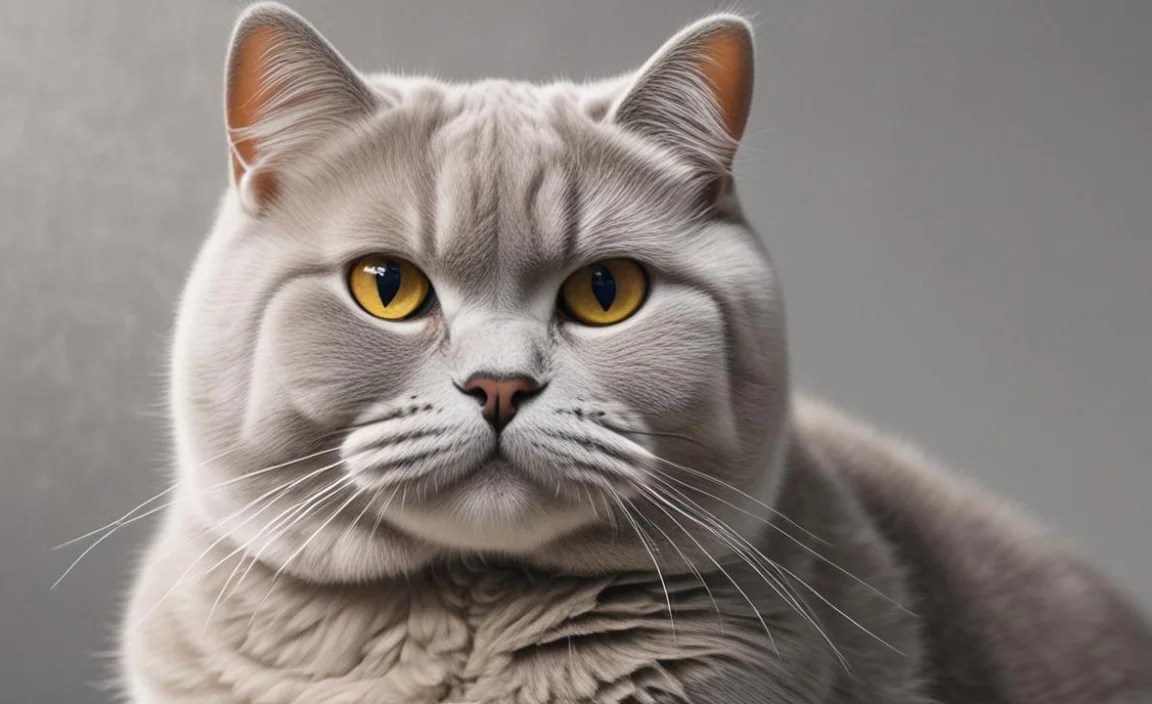
The British Shorthair is famous for its dense, plush coat, often described as “crisp” to the touch. Unlike some breeds with a silky or sleek coat, the British Shorthair has a unique double coat that stands out from the body, giving them a teddy bear-like appearance. Understanding the characteristics of their coat is the first step in providing the proper care.
The Double Coat
A double coat consists of two layers:
- Outer Coat: This layer is made up of coarser guard hairs that protect the cat from the elements.
- Undercoat: This layer is soft and dense, providing insulation and warmth.
The density of the undercoat is what gives the British Shorthair its characteristic plushness. However, this density also means they are prone to shedding, especially during seasonal changes.
Coat Colors and Patterns
British Shorthairs come in a wide array of colors and patterns, including:
- Blue
- Cream
- White
- Black
- Tabby (classic, mackerel, spotted, ticked)
- Colorpoint
- Tortoiseshell
- Bicolor and Tricolor
Regardless of the color or pattern, the grooming needs remain consistent. Regular grooming helps maintain the coat’s health and appearance, no matter the shade.
Essential Grooming Tools for British Shorthairs

Having the right tools makes grooming easier and more effective. Here are some essential tools every British Shorthair owner should have:
- Slicker Brush: This brush has fine, bent wire bristles that are great for removing loose fur and preventing mats.
- Metal Comb: A metal comb with both wide and narrow teeth helps to detangle the coat and remove any remaining loose hair.
- Rubber Brush or Grooming Glove: These are gentle options for everyday brushing and can also be used during baths.
- Nail Clippers: Regular nail trimming is important for your cat’s comfort and prevents damage to furniture.
- Pet Shampoo: Choose a shampoo specifically formulated for cats, preferably one that is hypoallergenic and moisturizing.
- Soft Towel: A soft, absorbent towel is essential for drying your cat after a bath.
Step-by-Step Grooming Guide for Coat Enhancement

Follow these steps to keep your British Shorthair’s coat looking its best:
Step 1: Regular Brushing (2-3 Times a Week)
Regular brushing is the cornerstone of British Shorthair coat care. Aim to brush your cat 2-3 times a week, and daily during shedding season. This removes loose fur, prevents matting, and stimulates blood circulation, promoting a healthy coat.
- Start with the slicker brush, gently brushing through the coat in the direction of hair growth.
- Pay attention to areas prone to matting, such as behind the ears, under the legs, and around the tail.
- Follow up with the metal comb to remove any remaining loose hair and detangle any small knots.
Step 2: Bathing (Every Few Months)
British Shorthairs don’t require frequent baths unless they get particularly dirty. Bathing every few months is usually sufficient to keep their coat clean and healthy. Over-bathing can strip the coat of its natural oils, leading to dryness and irritation.
- Brush your cat thoroughly before bathing to remove any loose fur and mats.
- Wet your cat’s coat with lukewarm water, avoiding the face and ears.
- Apply a small amount of cat shampoo and gently massage it into the coat, working up a lather.
- Rinse thoroughly with lukewarm water until all the shampoo is removed.
- Use a soft towel to dry your cat, gently blotting the fur. You can also use a low-heat hair dryer, but be cautious as some cats are scared of the noise.
Step 3: Nail Trimming (Every 2-3 Weeks)
Regular nail trimming prevents overgrowth, which can be uncomfortable for your cat and damage your furniture. Aim to trim your cat’s nails every 2-3 weeks.
- Gently hold your cat’s paw and extend the claws.
- Using pet nail clippers, trim the tip of each nail, being careful to avoid the quick (the pink part of the nail containing blood vessels and nerves).
- If you accidentally cut the quick, use a styptic pencil or powder to stop the bleeding.
Step 4: Ear Cleaning (As Needed)
Check your cat’s ears regularly for dirt, wax buildup, or signs of infection. Clean the ears as needed using a cat-specific ear cleaning solution and cotton balls.
- Apply a small amount of ear cleaning solution to a cotton ball.
- Gently wipe the inside of the ear, removing any dirt or wax.
- Avoid inserting the cotton ball deep into the ear canal.
Step 5: Dental Care (Daily or Weekly)
Maintaining good dental hygiene is crucial for your cat’s overall health. Brush your cat’s teeth daily or weekly using a cat-specific toothbrush and toothpaste.
- Introduce your cat to the toothbrush and toothpaste gradually, allowing them to sniff and lick it.
- Gently brush your cat’s teeth in a circular motion, focusing on the gumline.
- Reward your cat with a treat after each brushing session.
The Role of Diet in Coat Health

A balanced and nutritious diet is essential for maintaining a healthy and lustrous coat. What your British Shorthair eats directly impacts the quality of their fur. Deficiencies in certain nutrients can lead to a dull, dry, or brittle coat.
Essential Nutrients for a Healthy Coat
- Omega-3 and Omega-6 Fatty Acids: These essential fatty acids promote healthy skin and a shiny coat. They can be found in fish oil, flaxseed oil, and some cat food formulas.
- Protein: Adequate protein is crucial for hair growth and repair. Look for cat foods with high-quality protein sources like chicken, fish, or turkey.
- Vitamins and Minerals: Vitamins A, E, and B vitamins, as well as minerals like zinc and copper, play a vital role in maintaining coat health.
Choosing the Right Cat Food
Select a high-quality cat food that is specifically formulated to support skin and coat health. Look for foods that contain the essential nutrients mentioned above and avoid foods with artificial colors, flavors, and preservatives. Here are some things to consider:
- Read the Label: Check the ingredient list and nutritional analysis to ensure the food meets your cat’s needs.
- Consider Life Stage: Kittens, adults, and senior cats have different nutritional requirements. Choose a food that is appropriate for your cat’s age.
- Consult Your Veterinarian: Your vet can recommend the best food for your cat based on their individual needs and health condition.
Supplements for Coat Enhancement
In some cases, supplements can be beneficial for improving coat health. However, it’s important to consult with your veterinarian before adding any supplements to your cat’s diet. Here are some supplements that may be helpful:
- Fish Oil: A good source of omega-3 fatty acids, fish oil can help improve skin and coat health.
- Biotin: This B vitamin is essential for healthy hair growth and can help improve coat quality.
Addressing Common Coat Problems
Even with the best grooming practices, British Shorthairs can sometimes experience coat problems. Here are some common issues and how to address them:
Excessive Shedding
Shedding is a natural process for cats, but excessive shedding can be a sign of an underlying problem. Regular brushing, a healthy diet, and adequate hydration can help reduce shedding. Consider using a deshedding tool during shedding season to remove loose fur more effectively.
Dull or Dry Coat
A dull or dry coat can be caused by a poor diet, dehydration, or over-bathing. Ensure your cat is eating a high-quality diet rich in essential fatty acids and encourage them to drink plenty of water. Avoid bathing your cat too frequently and use a moisturizing shampoo when you do.
Matting
Matting occurs when loose fur becomes tangled and forms tight clumps in the coat. Regular brushing is the best way to prevent matting. If your cat develops mats, gently try to detangle them with a metal comb. If the mats are severe, you may need to have them professionally removed by a groomer or veterinarian.
Hairballs
Hairballs are a common problem for cats, especially those with long or dense coats. Regular brushing helps reduce the amount of hair your cat ingests while grooming. You can also feed your cat a hairball control diet or give them a hairball remedy to help prevent hairballs.
Grooming Tips for Senior British Shorthairs

As British Shorthairs age, their grooming needs may change. Senior cats may have difficulty grooming themselves due to arthritis or other health issues. It’s important to adjust your grooming routine to accommodate their needs.
Gentle Brushing
Use a soft brush and gentle strokes when grooming senior cats. Avoid putting pressure on their joints or sensitive areas.
Shorter Grooming Sessions
Break grooming sessions into shorter, more frequent intervals to avoid tiring your cat. This is especially important if your cat has arthritis or other mobility issues.
Assisted Bathing
Senior cats may have difficulty bathing themselves. You may need to assist them with bathing, using a gentle shampoo and warm water. Be sure to dry them thoroughly to prevent chills.
Nail Care
Senior cats’ nails may become brittle and overgrown. Trim their nails regularly to prevent discomfort and injury.
When to Seek Professional Help
While most grooming tasks can be performed at home, there are times when it’s best to seek professional help. Consider consulting a professional groomer or veterinarian if:
- Your cat has severe matting or skin problems.
- You are unable to trim your cat’s nails safely.
- Your cat is showing signs of pain or discomfort during grooming.
- You are unsure how to properly groom your cat.
A professional groomer can provide expert grooming services and advice, while a veterinarian can diagnose and treat any underlying health conditions that may be affecting your cat’s coat.
British Shorthair Grooming: Dos and Don’ts
To ensure a positive grooming experience for both you and your British Shorthair, keep these dos and don’ts in mind:
| Do | Don’t |
|---|---|
| Start grooming your cat from a young age to get them used to the process. | Force your cat to be groomed if they are resisting. |
| Use gentle, positive reinforcement techniques, such as treats and praise. | Use harsh or aggressive grooming techniques. |
| Be patient and understanding, especially with senior cats. | Over-bathe your cat, as this can dry out their skin and coat. |
| Choose grooming tools that are appropriate for your cat’s coat type. | Use human shampoo on your cat, as it can be harmful. |
| Consult with your veterinarian or a professional groomer if you have any concerns. | Ignore signs of skin problems or discomfort during grooming. |
British Shorthair Grooming: A Timeline
Here is a general timeline of when to start grooming your British Shorthair:
| Age | Grooming Activity | Frequency |
|---|---|---|
| 8 weeks+ | Introduce brushing | Few minutes daily |
| 3 months+ | Regular brushing | 2-3 times per week |
| 4 months+ | Nail trimming | Every 2-3 weeks |
| 6 months+ | Bathing (if needed) | Every few months |
| All ages | Dental care | Daily or weekly |
Additional Tips for Coat Enhancement
Here are some additional tips to keep in mind:
- Hydration: Make sure your British Shorthair always has access to fresh, clean water. Proper hydration is crucial for maintaining healthy skin and coat.
- Parasite Prevention: Fleas, ticks, and other parasites can cause skin irritation and coat problems. Use a veterinarian-approved parasite preventative to protect your cat. According to the RSPCA, fleas are a common issue.
- Regular Vet Checkups: Regular veterinary checkups can help identify and address any underlying health conditions that may be affecting your cat’s coat.
FAQ: British Shorthair Grooming
Here are some frequently asked questions about British Shorthair grooming:
- How often should I brush my British Shorthair?
- You should aim to brush your British Shorthair 2-3 times a week, and daily during shedding season.
- How often should I bathe my British Shorthair?
- British Shorthairs typically only need a bath every few months, unless they get particularly dirty.
- What kind of brush is best for a British Shorthair?
- A slicker brush and a metal comb are the best tools for grooming a British Shorthair.
- Can I use human shampoo on my British Shorthair?
- No, you should only use shampoo specifically formulated for cats. Human shampoo can be too harsh and can dry out their skin.
- How can I reduce shedding in my British Shorthair?
- Regular brushing, a healthy diet, and adequate hydration can help reduce shedding.
- What should I do if my British Shorthair develops mats in their coat?
- Gently try to detangle the mats with a metal comb. If the mats are severe, you may need to have them professionally removed.
- Why is my British Shorthair’s coat dull?
- A dull coat can be caused by a poor diet, dehydration, or over-bathing. Ensure your cat is eating a high-quality diet and drinking plenty of water.
Conclusion
Enhancing your British Shorthair’s coat is a rewarding process that strengthens your bond and ensures your feline friend looks and feels their best. Regular grooming, a nutritious diet, and proactive care are the keys to unlocking their coat’s full potential. Remember, consistency is vital. By making grooming a regular part of your routine, you’ll keep their coat healthy, shiny, and oh-so-cuddly. So, grab your brushes, choose a yummy treat, and enjoy the process of pampering your British Shorthair!


