
How to Track British Shorthair Activity: Easy Guide

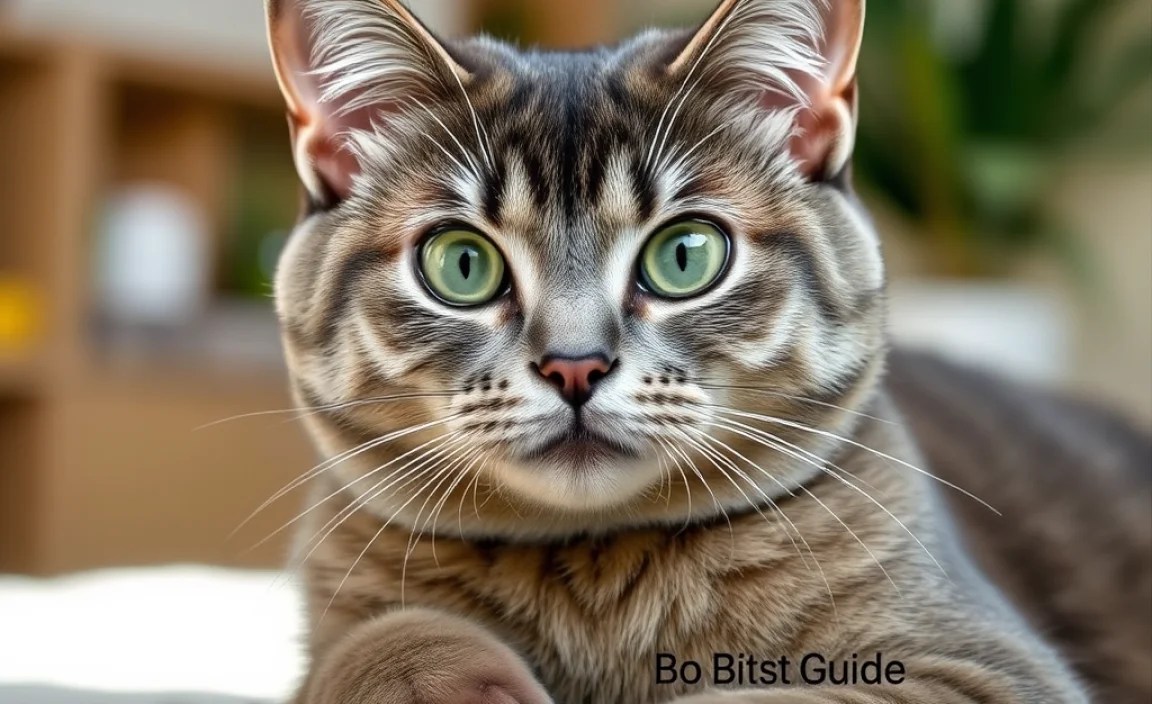
Do you have a British Shorthair cat? These cats are fluffy and calm. They love to sleep and eat. But how much do they really move? It can be tricky to know if they’re getting enough exercise. {How to track British Shorthair activity} is important. You want to keep your cat happy and healthy.
Sometimes, they hide their little quirks. My friend thought her cat was just lazy. Then, she found out it was playing at night! Let’s find out how to keep tabs on your furry friend.
Key Takeaways
- Understanding {How to track British Shorthair activity} helps maintain their health.
- Use activity monitors to see when your cat is most energetic.
- Playtime is key to keeping your British Shorthair fit and engaged.
- Regular vet check-ups can help spot any changes in activity levels.
- Look for subtle signs of activity like exploring new places or playing with toys.
Why Is It Important to Track Activity?

Tracking your British Shorthair’s activity is super important. It helps you know if your cat is healthy. These cats can be lazy. They might not show when they’re not feeling well. If you know their normal activity, you can see changes. These changes can mean they need a vet. {How to track British Shorthair activity} can also help with weight. British Shorthairs can gain weight easily. Too much weight can cause problems. Things like diabetes and joint pain can happen. By tracking, you can make sure they get enough exercise. This keeps them at a healthy weight. Plus, knowing their habits helps you bond. You can play when they are most active. This makes them happy and strengthens your friendship.
- Spot health problems early.
- Manage their weight better.
- Understand their habits.
- Bond with your cat more.
- Keep them happy and healthy.
Think of it like this: Your cat can’t tell you when it hurts. Tracking their movement is like listening to their secret language. If they usually jump on the couch but suddenly stop, you know something is up. Maybe their leg hurts. Or perhaps they are just feeling down. Either way, tracking gives you clues. It’s not just about exercise. It’s about their overall well-being. By being observant, you become a better cat parent. You’re not just feeding and cuddling. You’re actively caring for their health and happiness. Remember, a healthy cat is a happy cat!
Why Do British Shorthairs Need Exercise?
British Shorthairs are known for being calm. But they still need exercise. It helps them stay healthy and happy. Exercise keeps their muscles strong. It also helps their hearts. Playing also keeps their minds sharp. Do you ever get bored when you don’t do anything? Cats do too! Exercise gives them something to do. It stops them from getting bored. Bored cats can get into trouble. They might scratch furniture or meow a lot. {How to track British Shorthair activity} ensures they get enough playtime. It also helps them burn energy. This means they’ll sleep better at night. And a well-rested cat is a happy cat. Plus, exercise helps them maintain a healthy weight. This is very important for this breed.
What Are the Risks of Inactivity?
Being inactive can be bad for British Shorthairs. Just like people, cats need to move. If they don’t, they can get sick. One big risk is weight gain. British Shorthairs love to eat. If they don’t exercise, they’ll get fat. Being overweight can cause diabetes. It can also hurt their joints. Imagine carrying a heavy backpack all day. That’s what it feels like for an overweight cat. Another risk is boredom. Cats need mental stimulation. Playing and exploring keep them happy. If they’re bored, they might get sad or stressed. This can lead to bad behaviors. They might start scratching things or spraying. So, keeping them active is very important for their health and happiness.
How Much Activity Is Enough?
So, how much should your British Shorthair move? Every cat is different. Some cats are naturally more active. Others are couch potatoes. A good goal is at least 15-20 minutes of active play each day. This could be chasing a toy. Or climbing a cat tree. You can break it up into smaller sessions. Maybe 5 minutes in the morning. Then 10 minutes in the evening. Watch your cat for clues. If they seem tired, stop. If they still have energy, keep going. {How to track British Shorthair activity} will help you figure out what’s right for your cat. Also, make sure they have toys. Toys let them play even when you’re not around. Rotate the toys to keep them interested.
Fun Fact or Stat: British Shorthairs sleep an average of 12-16 hours per day! This makes tracking their active hours even more important.
Using Activity Monitors for Tracking
Activity monitors can really help. These are small devices you put on your cat’s collar. They track how much your cat moves. They can tell you how many steps your cat takes. Some can even track sleep. These monitors use technology. They have sensors that detect movement. The data goes to an app on your phone. You can see charts and graphs. This shows when your cat is most active. {How to track British Shorthair activity} becomes much easier. You can see if they’re moving more or less than usual. Some monitors also have GPS. This helps you find your cat if they get lost. Activity monitors are a great way to get detailed information. They help you understand your cat’s habits. This leads to better care.
- Track steps and sleep.
- Get data on your phone.
- See activity patterns.
- Some have GPS tracking.
- Easy to use and helpful.
Imagine you’re a detective. Your mission: understand your cat’s secret life. An activity monitor is your magnifying glass. It reveals clues you’d never see otherwise. Maybe your cat is a ninja at night. Or perhaps they only play when you’re at work. The monitor shows you the truth. It’s not just about numbers. It’s about understanding their personality. This knowledge helps you give them the best life possible. You can adjust their food. Or change their playtime. The monitor empowers you to be a super cat parent. It’s like having a personal trainer for your furry friend!
What Types of Monitors Are Available?
There are many types of activity monitors. Some are simple step trackers. Others have more features. Some can track heart rate. Others can monitor sleep quality. Look for one that fits your needs. Consider the size and weight. You want it to be comfortable for your cat. Check the battery life. Some last for months. Others need charging every few days. Read reviews from other cat owners. This will help you choose a good one. Also, think about the app. Is it easy to use? Does it give you the information you need? {How to track British Shorthair activity} is much easier with the right monitor.
How Accurate Are These Monitors?
Activity monitors are pretty accurate. But they’re not perfect. They use sensors to detect movement. Sometimes, they might count things that aren’t steps. Like scratching or grooming. However, they still give you a good idea. They show you trends over time. Are they moving more this week than last week? That’s useful information. Don’t worry too much about the exact numbers. Focus on the big picture. Are they getting enough exercise? Are they sleeping well? The monitor helps you answer these questions. It’s a tool to help you understand your cat better.
How Do You Get Your Cat to Wear One?
Getting your cat to wear a monitor can be tricky. Start slowly. Let them sniff the monitor first. Then, put it on for a few minutes. Give them a treat. Make it a positive experience. Gradually increase the time. If they try to take it off, distract them. Play with them or give them a toy. Make sure the collar fits well. It shouldn’t be too tight or too loose. {How to track British Shorthair activity} won’t work if they won’t wear it! Be patient. It might take a few days. But eventually, they’ll get used to it. Soon, they won’t even notice it’s there.
Fun Fact or Stat: Some activity monitors can also track your cat’s location using GPS, giving you peace of mind if they wander off.
Observing Your Cat’s Behavior Directly

You can also track your cat by watching them. This doesn’t cost any money. It just takes time and attention. Pay attention to when they are most active. Do they play in the morning? Or at night? Watch what they like to do. Do they chase toys? Or climb furniture? Notice any changes in their behavior. Are they sleeping more than usual? Are they less playful? These changes can be important. They might mean something is wrong. {How to track British Shorthair activity} can be as simple as watching. Keep a journal. Write down what you see. This helps you remember. It also helps you see patterns. Observing your cat is a great way to bond. You’ll learn so much about them. This makes you a better cat parent.
- Watch when they play.
- Notice their favorite activities.
- Look for changes in behavior.
- Keep a journal of your observations.
- Bond with your cat.
Imagine you’re a wildlife researcher. Your subject: your very own cat. You watch their every move. You note their habits. You learn their secrets. It’s like a nature documentary, but in your living room. This method is personal. You see the little things a monitor might miss. The way they twitch their tail when they’re excited. The soft purr when they’re happy. These details matter. They tell you about your cat’s feelings. Observation is about more than just activity. It’s about connection. It’s about understanding. It’s about love. By watching closely, you become your cat’s best friend.
What Are Normal Activity Patterns?
Normal activity patterns vary. Kittens are usually very active. They love to play and explore. Adult cats are calmer. They sleep more. Senior cats are even less active. {How to track British Shorthair activity} changes as they age. British Shorthairs are known for being relaxed. They might sleep a lot. But they should still have some active periods. Look for times when they play. Do they chase toys? Do they climb? Also, pay attention to their eating habits. Are they eating normally? Or have they lost their appetite? All these things can tell you about their health.
What Are Signs of Decreased Activity?
Decreased activity can be a sign of problems. If your cat is sleeping more, be concerned. If they stop playing, pay attention. Also, watch for changes in appetite. Are they eating less? Or not at all? Look for other signs of illness. Are they coughing or sneezing? Are they limping? If you notice any of these things, call your vet. It’s better to be safe than sorry. {How to track British Shorthair activity} helps you spot these changes early. Early detection is key. It can help your cat get better faster.
How Can You Encourage More Activity?
There are many ways to encourage activity. Play with your cat every day. Use toys they like. Try a laser pointer. Or a feather wand. Catnip can also get them excited. Make sure they have a cat tree. This gives them a place to climb. Rotate their toys. This keeps them interested. You can also hide food. This makes them hunt for it. {How to track British Shorthair activity} will show you what works best. Some cats like interactive toys. Others prefer simple things. Experiment and see what your cat enjoys.
Fun Fact or Stat: Cats are most active at dawn and dusk! Try scheduling playtime during these times.
Using Playtime to Boost Activity Levels

Playtime is super important. It’s the best way to get your cat moving. It’s also a lot of fun for both of you. Choose toys that your cat loves. Some cats like chasing things. Others like batting things around. Try different toys. See what they enjoy. Make playtime a regular thing. Schedule it at the same time each day. This helps your cat know what to expect. {How to track British Shorthair activity} will increase with regular playtime. Be creative. Use boxes and tunnels. Make a game out of it. The more fun you make it, the more they’ll play. Playtime is also a great way to bond. You’ll both enjoy it. This makes your relationship stronger.
- Choose fun toys.
- Schedule regular playtime.
- Be creative with games.
- Make it fun for both of you.
- Bond with your cat.
Imagine you’re a personal trainer. Your client: your beloved cat. Your goal: make exercise fun. Forget boring workouts. Think exciting games. Use toys that mimic prey. A feather wand becomes a bird. A laser pointer becomes a mouse. Let your cat stalk and pounce. This taps into their natural instincts. Vary the games. Keep them guessing. Surprise them with new toys. Add obstacles. A cardboard box becomes a fort. A blanket becomes a tunnel. Playtime is more than just exercise. It’s mental stimulation. It’s bonding. It’s a chance to unleash your cat’s inner hunter.
What Are the Best Toys for British Shorthairs?
British Shorthairs like different toys. Some like chasing toys. Others like puzzle toys. Laser pointers are always a hit. Feather wands are also popular. Puzzle toys challenge their minds. They have to figure out how to get treats. This keeps them busy. Catnip toys can also be fun. But not all cats like catnip. {How to track British Shorthair activity} will help you see what they like. Rotate the toys. This keeps them interested. Don’t give them all the toys at once. Keep some hidden. Then, bring them out for playtime.
How Long Should Playtime Sessions Be?
Playtime sessions don’t have to be long. Even 10-15 minutes is good. You can do a few sessions each day. Break it up into smaller chunks. This is easier for you and your cat. Watch your cat for signs of tiredness. If they start panting, stop. If they lose interest, try a different toy. {How to track British Shorthair activity} will show you how long they can play. Some cats have more energy than others. Adjust the playtime to fit their needs. The goal is to have fun and get them moving.
How Can You Make Playtime More Engaging?
Make playtime engaging by being active. Don’t just sit there. Move the toys around. Make them exciting. Mimic prey. Make the toys jump and fly. Use different sounds. This gets their attention. You can also use treats. Reward them for playing. This makes them want to play more. {How to track British Shorthair activity} will show you what works. Some cats like high-energy games. Others prefer calmer play. Pay attention to their preferences. The more fun you make it, the more they’ll play.
Fun Fact or Stat: Interactive toys can keep your cat entertained even when you’re not around, promoting activity and preventing boredom.
Creating an Active Environment at Home

Your home can encourage activity. Make it a fun place for your cat to explore. Add cat trees. These give them places to climb. Put shelves on the walls. This lets them jump and explore high places. Add scratching posts. This gives them a place to scratch. Put toys around the house. This encourages them to play. {How to track British Shorthair activity} will increase with a good environment. Make sure they have a window to look out. Cats love watching birds and squirrels. This keeps them entertained. A stimulating environment keeps them happy and active.
- Add cat trees and shelves.
- Provide scratching posts.
- Put toys around the house.
- Give them a window to watch.
- Make it a fun place to explore.
Imagine your home is a cat playground. Every corner offers a new adventure. A cat tree becomes a jungle gym. Shelves become climbing walls. A window becomes a TV. Think about your cat’s natural instincts. They love to climb. They love to scratch. They love to watch. Provide them with outlets for these behaviors. This prevents boredom. It also prevents destructive behavior. A happy cat is less likely to scratch your furniture. Or spray your walls. A stimulating environment is an investment in your cat’s well-being. It’s a way to say, “I love you, and I want you to be happy.”
How Can Cat Trees Encourage Activity?
Cat trees are great for exercise. They give cats a place to climb. This helps them stretch their muscles. Climbing is also good for their minds. It challenges them. Cat trees also give them a high place to perch. Cats love to be up high. It makes them feel safe. {How to track British Shorthair activity} will increase with a cat tree. Choose a sturdy cat tree. Make sure it won’t tip over. Put it near a window. This gives them something to watch while they’re up there. Cat trees are a great addition to any cat home.
Why Are Scratching Posts Important?
Scratching posts are important for several reasons. They give cats a place to scratch. Scratching is natural for cats. It helps them sharpen their claws. It also helps them stretch their muscles. Scratching also marks their territory. They leave their scent behind. This tells other cats, “This is mine!” {How to track British Shorthair activity} won’t directly increase with scratching, but it prevents destructive scratching. Provide different types of scratching posts. Some cats like vertical posts. Others like horizontal posts. Experiment to see what your cat prefers.
How Can Windows Stimulate Activity?
Windows provide mental stimulation. Cats love watching the outside world. They watch birds, squirrels, and other animals. This keeps them entertained. It also triggers their hunting instincts. They might stalk and pounce on imaginary prey. {How to track British Shorthair activity} can be indirectly stimulated by watching. Put a cat tree or shelf near a window. This gives them a comfortable place to watch. Make sure the window is safe. Use screens to prevent them from escaping. Windows are a great way to keep your cat happy and entertained.
Fun Fact or Stat: Cats can jump up to six times their height! Cat trees and shelves encourage this natural behavior.
Diet and Its Impact on Activity Levels
What your cat eats affects their energy. A healthy diet gives them energy to play. A poor diet makes them sluggish. Choose a high-quality cat food. Look for one with lots of protein. Protein helps build muscle. Avoid foods with lots of fillers. Fillers don’t provide much nutrition. They can also make your cat gain weight. {How to track British Shorthair activity} is closely tied to their diet. Make sure they have fresh water. Water is important for their health. It also helps them digest food. Talk to your vet about the best food for your cat. They can help you choose a diet that meets their needs.
- Choose high-quality cat food.
- Look for lots of protein.
- Avoid fillers.
- Provide fresh water.
- Talk to your vet.
Imagine your cat is a race car. The food you give them is the fuel. Cheap fuel makes the car run poorly. It sputters and stalls. Premium fuel makes the car zoom. It’s the same with cat food. High-quality food fuels their bodies. It gives them energy to play and explore. It also supports their overall health. A healthy cat is a happy cat. They’re more likely to be active and engaged. Diet is not just about weight. It’s about vitality. It’s about giving your cat the best possible life. Choose wisely. Your cat will thank you for it.
What Nutrients Are Important for Energy?
Protein is very important. It helps build and repair muscle. Fat is also important. It provides energy. Carbohydrates can also provide energy. But cats don’t need a lot of carbs. Vitamins and minerals are essential. They support overall health. Look for foods with taurine. Taurine is important for heart health. {How to track British Shorthair activity} will be affected by these nutrients. A balanced diet provides everything they need.
How Does Weight Affect Activity?
Being overweight makes it harder to move. It puts stress on their joints. It also makes them tired. Overweight cats are less likely to play. They might just lie around all day. This can lead to more health problems. Losing weight can improve their activity. It makes it easier to move. It also gives them more energy. {How to track British Shorthair activity} will increase as they lose weight. Talk to your vet about a weight loss plan. They can help you choose the right food and exercise.
Can Supplements Help?
Some supplements can help. Omega-3 fatty acids can improve joint health. This can make it easier to move. Probiotics can improve digestion. This can help them absorb nutrients better. Talk to your vet before giving supplements. Some supplements can be harmful. {How to track British Shorthair activity} might improve with some supplements, but always check with a vet. Your vet can recommend the right supplements for your cat.
Fun Fact or Stat: Over 50% of cats are overweight or obese! A healthy diet is crucial for maintaining a healthy weight.
Regular Vet Check-Ups and Activity
Vet check-ups are very important. They help catch problems early. Your vet can check for signs of illness. They can also check your cat’s weight. They can give you advice on diet and exercise. Tell your vet about your cat’s activity level. Have you noticed any changes? This information helps them assess your cat’s health. {How to track British Shorthair activity} can provide valuable information. Regular check-ups keep your cat healthy. This helps them stay active and happy. Don’t skip these appointments. They are an important part of cat care.
- Catch problems early.
- Get advice on diet and exercise.
- Tell your vet about activity changes.
- Keep your cat healthy.
- Don’t skip appointments.
Imagine your vet is a detective. They’re trying to solve the mystery of your cat’s health. You are their assistant. You provide clues. These clues include your cat’s activity level. Has it changed? Is your cat sleeping more? Playing less? These details are important. They help the vet diagnose problems. Regular check-ups are like preventative maintenance. They catch small problems before they become big problems. A healthy cat is an active cat. By working with your vet, you can ensure your cat stays healthy and happy for years to come.
What Will the Vet Check?
The vet will check many things. They’ll listen to your cat’s heart and lungs. They’ll check their teeth and gums. They’ll feel their belly. They’ll look at their eyes and ears. They’ll check their weight. They’ll also ask you questions. {How to track British Shorthair activity} is a good question for the vet. Be prepared to answer them. They might also run tests. These tests can help diagnose problems. Common tests include blood work and urine tests. The vet will use all this information to assess your cat’s health.
How Often Should You Go?
Kittens need more frequent check-ups. They need vaccines and deworming. Adult cats need yearly check-ups. Senior cats might need more frequent visits. Talk to your vet about what’s best for your cat. {How to track British Shorthair activity} might influence the frequency of visits. If your cat has health problems, they might need to go more often. Regular check-ups are key to keeping your cat healthy.
What If the Vet Finds a Problem?
If the vet finds a problem, don’t panic. Many problems are treatable. The vet will recommend a treatment plan. This might include medication. It might also include changes to diet or exercise. Follow the vet’s instructions carefully. {How to track British Shorthair activity} might become part of the treatment. Ask questions if you don’t understand something. Your vet is there to help you. Work together to get your cat healthy again.
Fun Fact or Stat: Cats age much faster than humans! A yearly check-up for a cat is like a check-up every 5-7 years for a person.
Table: Activity Tracking Methods Comparison
| Method | Pros | Cons | Cost |
|---|---|---|---|
| Activity Monitors | Detailed data, tracks sleep, some have GPS | Can be expensive, requires charging, may irritate some cats | $50 – $150 |
| Direct Observation | Free, allows for bonding, can notice subtle changes | Time-consuming, subjective, may miss nighttime activity | Free |
| Playtime Sessions | Fun, strengthens bond, good for mental and physical health | Requires time commitment, effectiveness varies | Toy costs |
| Environmental Enrichment | Provides constant stimulation, promotes natural behaviors | Can be expensive, requires space, may not be enough for some cats | Varies |
Summary
Keeping track of your British Shorthair’s activity is crucial for their health and happiness. These cats are prone to being lazy. Understanding {How to track British Shorthair activity} helps you monitor their well-being. You can use activity monitors. These devices track their steps and sleep. You can also observe their behavior directly. Watch for changes in their activity levels. Playtime is a great way to boost their activity. Choose toys they enjoy. Make it a regular part of their day. Create an active environment at home. Add cat trees and scratching posts. A healthy diet is also important. Choose a high-quality cat food. Regular vet check-ups are essential. They help catch problems early. By using these methods, you can keep your British Shorthair healthy and happy.
Conclusion
It’s important to remember that every cat is unique. What works for one British Shorthair might not work for another. Experiment with different methods. Find what your cat enjoys. {How to track British Shorthair activity} will become easier over time. Be patient and observant. Your cat will thank you for it with purrs and cuddles. A healthy and active cat is a happy companion. So, start tracking their activity today!
Frequently Asked Questions
Question No 1: Why is tracking my British Shorthair’s activity important?
Answer: Tracking your British Shorthair’s activity is vital for several reasons. These cats are known for their calm and relaxed nature, which can sometimes lead to inactivity. By monitoring their activity levels, you can ensure they’re getting enough exercise to maintain a healthy weight and prevent obesity-related health issues like diabetes and joint problems. {How to track British Shorthair activity} also allows you to detect early signs of illness or discomfort. A sudden decrease in activity could indicate pain, fatigue, or other health concerns that warrant a visit to the vet. Additionally, understanding your cat’s activity patterns helps you tailor their environment and playtime to better suit their needs, promoting a happier and healthier life.
Question No 2: What are some signs that my British Shorthair isn’t getting enough exercise?
Answer: Several signs can indicate that your British Shorthair isn’t getting enough exercise. One of the most noticeable is weight gain. If your cat is becoming rounder or you can’t easily feel their ribs, they may be consuming more calories than they’re burning. Other signs include decreased interest in playing, increased sleeping, and lethargy. You might also notice behavioral changes such as increased irritability or destructive behavior, as boredom can lead to frustration. Additionally, {How to track British Shorthair activity} may reveal that your cat spends most of their time lounging around, rarely engaging in active pursuits like climbing or exploring. If you observe these signs, it’s time to reassess your cat’s exercise routine and find ways to encourage more activity.
Question No 3: What are some fun ways to encourage my British Shorthair to be more active?
Answer: Encouraging your British Shorthair to be more active can be fun and rewarding. Start by introducing interactive toys like laser pointers, feather wands, or puzzle feeders that stimulate their hunting instincts. Rotate their toys regularly to keep them engaged and prevent boredom. Create a stimulating environment by adding cat trees, shelves, and scratching posts that encourage climbing and exploration. You can also hide treats around the house to encourage them to hunt and forage. {How to track British Shorthair activity} can be integrated into playtime. Schedule regular playtime sessions, even if they’re just for 10-15 minutes, and be enthusiastic and interactive. Remember to reward them with praise and affection when they participate, reinforcing positive associations with activity. With a little creativity and patience, you can transform your home into a stimulating playground for your furry friend.
Question No 4: How can activity monitors help me track my cat’s activity levels?
Answer: Activity monitors are small, lightweight devices that attach to your cat’s collar and track their movements throughout the day. These monitors use sensors to measure steps, distance traveled, and even sleep patterns. The data is then transmitted to an app on your smartphone or computer, allowing you to visualize your cat’s activity levels over time. {How to track British Shorthair activity} is made much easier with these tools. Activity monitors can help you identify periods of inactivity, track progress towards exercise goals, and detect subtle changes in behavior that might indicate a health problem. Some monitors also have GPS tracking, which can be useful if your cat likes to wander outdoors. By providing objective data on your cat’s activity, these devices empower you to make informed decisions about their care and well-being.
Question No 5: What are some potential health problems that can arise from inactivity in British Shorthairs?
Answer: Inactivity can lead to a range of health problems in British Shorthairs. Obesity is a major concern, as it can increase the risk of diabetes, heart disease, and joint problems like arthritis. Lack of exercise can also weaken their muscles and bones, making them more prone to injuries. Boredom and lack of mental stimulation can lead to behavioral issues such as destructive scratching, excessive grooming, and anxiety. Additionally, inactive cats are more likely to develop urinary problems like cystitis, as they may not drink enough water or urinate frequently enough. By actively monitoring {How to track British Shorthair activity} and ensuring they get adequate exercise, you can help prevent these health problems and promote a longer, healthier life for your furry companion.
Question No 6: How does diet play a role in my British Shorthair’s activity levels?
Answer: Diet plays a crucial role in your British Shorthair’s activity levels. A balanced and nutritious diet provides the energy they need to stay active and healthy. Choose a high-quality cat food that is rich in protein, which is essential for building and maintaining muscle mass. Avoid foods that are high in fillers and artificial ingredients, as these can lead to weight gain and decreased energy levels. Ensure they have access to fresh water at all times, as dehydration can also contribute to lethargy. {How to track British Shorthair activity} should be combined with a healthy diet. Consider feeding them smaller, more frequent meals to maintain stable blood sugar levels and prevent energy crashes. If your cat is overweight, talk to your vet about a weight management plan that includes both dietary changes and increased exercise. A healthy diet, combined with regular activity, will help your British Shorthair thrive.


