
British Shorthair Cat Exercise Motivation: Easy Tricks

Do you have a British Shorthair cat? Is your furry friend a bit lazy? Do you want to find ways to get them moving? British Shorthair cat exercise motivation is key. It helps them stay happy and healthy. Let’s explore how to motivate your cat.
These cats are calm and love to relax. This can make getting them to exercise tricky. But, exercise is important for their well-being. It helps them avoid health problems. Playtime can be fun for both of you.
We can find fun ways to encourage activity. Think about toys and games your cat will love. You can even create a stimulating environment. Soon, your British Shorthair will be playing. They will be enjoying a more active life.
Key Takeaways
- Regular exercise is crucial for British Shorthairs to prevent obesity and health issues.
- Interactive toys like wands and lasers spark British Shorthair cat exercise motivation.
- Create a stimulating environment with climbing trees and window perches.
- Short, frequent play sessions are more effective than long, infrequent ones.
- Reward your cat with treats and praise to reinforce positive exercise habits.
Understanding British Shorthair Exercise Needs

British Shorthairs are known for their relaxed nature. They are not as naturally active as some breeds. This means they need a little extra encouragement to exercise. Understanding their specific needs is important. It helps you create the right exercise plan. Adult British Shorthairs typically need about 15-20 minutes of active play each day. This can be broken up into shorter sessions. Kittens, on the other hand, have more energy. They need more playtime to stay healthy and happy. Consider your cat’s age and personality. These factors will help you tailor their exercise routine. This will make exercise more effective and enjoyable for your furry friend. Remember, a healthy cat is a happy cat.
- Kittens need more playtime than adult cats.
- Adult cats need about 15-20 minutes of play daily.
- Consider your cat’s personality.
- Shorter, frequent sessions are often best.
- Make exercise fun and engaging.
It’s also important to watch for signs of overexertion. If your cat starts panting or seems tired, stop the activity. Let them rest. You can always resume later. Over time, you’ll learn your cat’s limits. You will know how much they can handle. The goal is to make exercise a positive experience. Use British Shorthair cat exercise motivation. This will help them maintain a healthy weight. It will also improve their overall quality of life. A little planning and effort can make a big difference. Your British Shorthair will thank you for it with purrs and cuddles.
Fun Fact or Stat: British Shorthairs are prone to obesity if they don’t get enough exercise.
Why Is Exercise Important?
Why is exercise so important for your British Shorthair? Well, just like people, cats need to stay active. Exercise helps them maintain a healthy weight. It also prevents health problems like diabetes and heart disease. A lack of exercise can lead to obesity. It can also cause joint problems and reduce their lifespan. Regular physical activity keeps their muscles strong. It keeps their joints flexible. Exercise also provides mental stimulation. This prevents boredom and reduces stress. Think of exercise as a way to keep your cat happy and healthy. It is a key part of their overall well-being. Make it a fun and regular part of their daily routine.
How Much Exercise Is Enough?
How much exercise does your British Shorthair need? This depends on their age, health, and personality. Kittens need more playtime because they have lots of energy. Adult cats usually need about 15-20 minutes of active play each day. You can break this up into shorter sessions. For example, try 5-10 minutes in the morning and another session in the evening. Watch your cat for signs of tiredness. If they start panting or seem uninterested, stop the activity. Adjust the duration and intensity as needed. The key is to find a balance that works for your cat. Make sure they are getting enough exercise to stay healthy. Don’t push them too hard.
What Are the Risks of Inactivity?
What happens if your British Shorthair doesn’t get enough exercise? Inactivity can lead to several health problems. Obesity is a common issue. Overweight cats are more likely to develop diabetes, heart disease, and joint problems. Inactivity can also lead to muscle loss and reduced flexibility. Your cat may become less playful and more withdrawn. This can affect their mental health. It’s important to be aware of these risks. Take steps to ensure your cat gets enough exercise. Even small amounts of daily activity can make a big difference. Help your cat live a longer, healthier, and happier life.
Choosing the Right Toys for Motivation

Choosing the right toys is vital for British Shorthair cat exercise motivation. Not all toys are created equal. Some cats love chasing lasers. Others prefer batting around toy mice. Experiment with different types of toys. See what captures your cat’s attention. Interactive toys are often the most effective. These toys require your cat to move and engage. Wand toys, for example, let you mimic the movement of prey. This can trigger your cat’s hunting instincts. Puzzle toys are also great. They challenge your cat mentally and physically. Rotate toys regularly. This keeps things interesting and prevents boredom. A variety of toys will keep your cat engaged. They will stay active and entertained.
- Wand toys mimic prey movement.
- Laser pointers are great for chasing.
- Puzzle toys challenge cats mentally.
- Rotate toys to keep things interesting.
- Consider toys with different textures.
- Try toys that crinkle or make noise.
It’s also important to consider safety. Avoid toys with small parts that your cat could swallow. Check toys regularly for damage. Replace them when they become worn. Look for toys made from non-toxic materials. This is especially important if your cat likes to chew. Observe your cat during playtime. Make sure they are playing safely. Supervise them. This will prevent accidents. With the right toys, you can create a fun and engaging exercise routine. This will help your British Shorthair stay active and healthy. Remember, a happy cat is an active cat. Choose toys wisely to keep them motivated.
Fun Fact or Stat: Cats can see some colors, but not as vividly as humans. They see blues and yellows best.
What Are Interactive Toys?
What exactly are interactive toys? These are toys that require your cat to actively participate. They are not passive toys that your cat can ignore. Interactive toys stimulate your cat’s hunting instincts. They encourage them to chase, pounce, and play. Wand toys are a classic example. You can move the wand to mimic the movement of a bird or mouse. This will entice your cat to chase and pounce. Puzzle toys are another great option. They require your cat to solve a problem. This could be figuring out how to get a treat out of a toy. Interactive toys provide both physical and mental stimulation. They are a great way to keep your cat engaged and entertained.
How Do Laser Pointers Work?
Have you ever used a laser pointer to play with your cat? Laser pointers are a popular choice. They can get cats moving. The bright, moving dot is very attractive to cats. It triggers their hunting instincts. They will chase it across the room. However, it’s important to use laser pointers responsibly. Never shine the laser directly into your cat’s eyes. This can cause damage. Always end the play session by letting your cat “catch” the laser dot. You can do this by shining it on a treat or toy. This will satisfy their hunting instinct. It will prevent frustration. Use laser pointers in moderation. They can be a great way to get your cat moving.
Why Rotate Toys?
Why is it important to rotate your cat’s toys? Cats can get bored with the same toys over time. If you always offer the same toys, they may lose interest. Rotating toys keeps things fresh and exciting. Put some toys away for a few weeks. Then, bring them back out. Your cat will see them as new and exciting again. This can help reignite their interest in playing. It will encourage them to exercise. You don’t need to buy new toys all the time. Simply rotating the ones you already have can make a big difference. Keep your cat engaged and entertained with a variety of toys.
Creating an Engaging Play Environment

Creating an engaging play environment boosts British Shorthair cat exercise motivation. A stimulating environment encourages your cat to move and explore. This can be as simple as adding a cat tree. It can also include creating a window perch. Cats love to climb. They enjoy having a high vantage point. A cat tree provides both. It gives them a place to climb and survey their surroundings. Window perches allow them to watch birds and other outdoor activities. This can keep them entertained for hours. Make sure your environment is safe and free of hazards. Remove any items that could be harmful to your cat. A stimulating environment will keep your cat active and happy.
- Add a cat tree for climbing.
- Create a window perch for watching birds.
- Provide scratching posts for scratching.
- Use puzzle feeders for meal times.
- Hide toys around the house.
- Make sure the environment is safe.
Consider adding tunnels and boxes to your cat’s environment. Cats love to explore enclosed spaces. These provide a sense of security. They offer a place to hide and play. You can also use puzzle feeders to make meal times more engaging. These feeders require your cat to work for their food. This provides mental stimulation and encourages them to move around. Hide toys around the house. Encourage your cat to hunt for them. This will keep them active and entertained. A well-designed play environment can make a big difference. It can help in encouraging your British Shorthair to exercise. It will keep them happy and healthy. A stimulating environment is key to a happy cat.
Fun Fact or Stat: Cats can jump up to six times their height.
Why Are Cat Trees Important?
Why are cat trees so important for your feline friend? Cat trees provide a vertical space for your cat to explore. Cats love to climb. They enjoy having a high vantage point. A cat tree satisfies this natural instinct. It gives them a place to climb, scratch, and play. Cat trees also provide a sense of security. Cats feel safe when they are up high. They can survey their surroundings. This helps them feel more in control. Choose a cat tree that is sturdy and stable. Make sure it is tall enough for your cat to climb comfortably. Place the cat tree in a location where your cat spends a lot of time. This will encourage them to use it.
What Makes a Good Window Perch?
What makes a good window perch for your British Shorthair? A good window perch should be sturdy and secure. It should be able to support your cat’s weight. It should be placed in a location where your cat can see outside. Cats love to watch birds, squirrels, and other outdoor activities. This can keep them entertained for hours. The perch should be comfortable. Consider adding a soft cushion or blanket. This will make it more inviting for your cat. Clean the window regularly. A dirty window can obstruct your cat’s view. A window perch can provide mental stimulation. It will help your cat stay active and engaged.
How Do Puzzle Feeders Work?
How do puzzle feeders work? Puzzle feeders are designed to make meal times more challenging for your cat. Instead of simply eating from a bowl, your cat has to work for their food. Puzzle feeders come in many different shapes and sizes. Some require your cat to roll a ball to release the food. Others require them to solve a puzzle to access the food. Puzzle feeders provide mental stimulation. They encourage your cat to move around. This can help prevent boredom and obesity. Start with an easy puzzle feeder. Gradually increase the difficulty as your cat gets better at solving them. Puzzle feeders are a great way to keep your cat entertained.
Using Food and Treats as Motivation

Food and treats can be powerful tools. They help with British Shorthair cat exercise motivation. Use treats to reward your cat for playing. Offer a small treat after they chase a toy. Give them praise when they climb the cat tree. Be mindful of the treats you choose. Opt for healthy, low-calorie options. You don’t want to undo the benefits of exercise by overfeeding. You can also use your cat’s regular food. Use it as a reward during playtime. This can be especially effective if your cat is food-motivated. Just be sure to adjust their overall food intake. This will account for the extra calories. Food and treats can be a great way to encourage exercise. Use them wisely.
- Use treats to reward exercise.
- Choose healthy, low-calorie treats.
- Use regular food as a reward.
- Adjust food intake to avoid overfeeding.
- Make the reward immediate.
- Pair treats with praise.
Consider using a treat ball. Fill it with your cat’s favorite treats. A treat ball encourages your cat to roll the ball around. This releases the treats. This provides both exercise and mental stimulation. You can also hide treats around the house. Encourage your cat to hunt for them. This will keep them active and engaged. Be creative with how you use food and treats. This will motivate your cat to exercise. Remember, moderation is key. Use treats as a tool. Do not use them as the only source of motivation. A combination of treats, praise, and playtime is the most effective approach. This will help your British Shorthair stay active.
Fun Fact or Stat: A cat’s sense of smell is about 14 times stronger than a human’s.
What Are Healthy Treat Options?
What are some healthy treat options for your British Shorthair? It’s important to choose treats that are low in calories. They should also be free of artificial colors and flavors. Look for treats that are made with natural ingredients. Single-ingredient treats are often a good choice. These could be freeze-dried meat or fish. These treats are high in protein. They are low in fat. Avoid treats that are high in carbohydrates or sugar. These can contribute to weight gain. Consult with your veterinarian. They can recommend the best treat options for your cat. Remember, treats should only make up a small portion of your cat’s diet. They should be used as a reward. Not as a meal replacement.
How to Use a Treat Ball?
How do you use a treat ball effectively? A treat ball is a toy that you fill with treats or dry food. As your cat rolls the ball around, the treats are released. This encourages them to be active. Start by showing your cat the treat ball. Let them sniff it. Let them get used to it. Then, fill the ball with a few treats. Show your cat how to roll the ball. Encourage them to chase it. If your cat doesn’t seem interested, try using more enticing treats. You can also try rolling the ball yourself. This will show your cat how it works. Once your cat understands how the treat ball works, they will enjoy playing with it. It will keep them entertained for hours.
Why Pair Treats With Praise?
Why should you pair treats with praise? Pairing treats with praise is a great way to reinforce positive behavior. When your cat does something you want to encourage, give them a treat. Also give them verbal praise. This will help them associate the behavior with a positive reward. For example, if your cat climbs the cat tree, give them a treat. Tell them “Good job!” This will help them understand that climbing the cat tree is a good thing. Over time, your cat will be more likely to repeat the behavior. They will want to earn the treat and praise. Pairing treats with praise is a powerful way to train your cat. It will encourage them to exercise.
Making Exercise a Routine
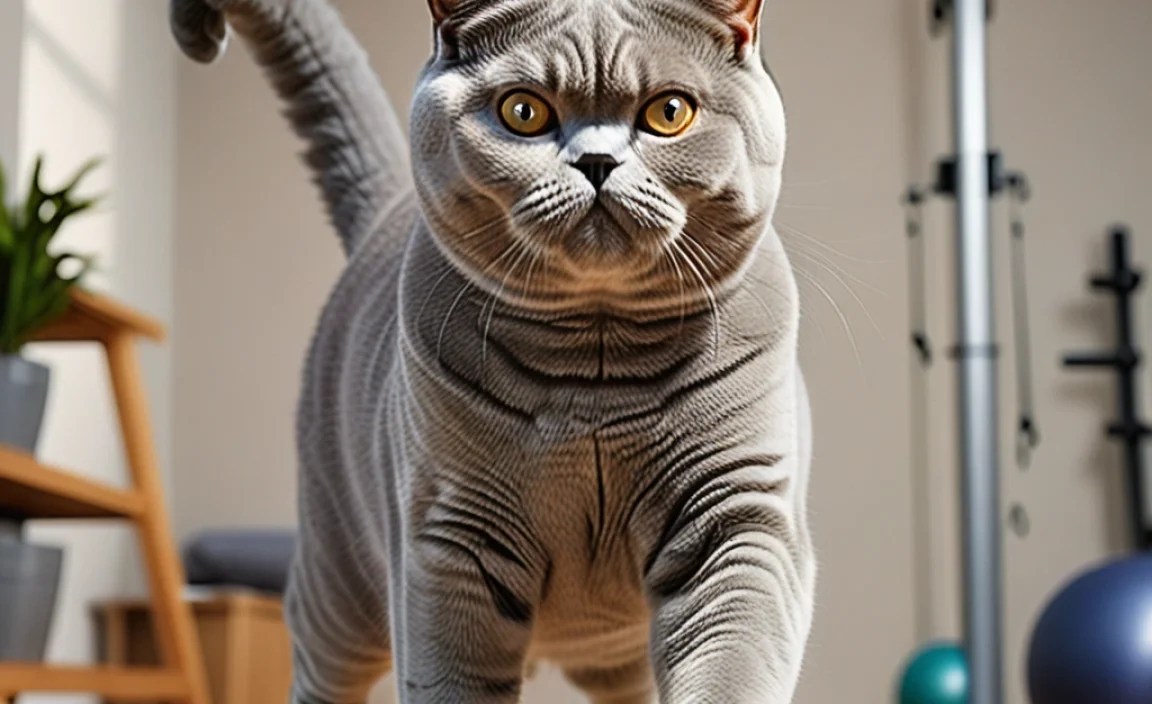
Making exercise a routine is essential for success. This promotes British Shorthair cat exercise motivation. Set aside specific times each day for playtime. This will help your cat understand when it’s time to exercise. Consistency is key. Try to stick to the same schedule as much as possible. Even if it’s just for a few minutes each day. This will help your cat develop a habit of exercising. Choose a time when your cat is most active. This might be in the morning or evening. Avoid trying to exercise your cat when they are sleepy or uninterested. A regular routine will make exercise a part of your cat’s daily life. This will help them stay active and healthy.
- Set aside specific times for playtime.
- Be consistent with the schedule.
- Choose a time when your cat is active.
- Start with short sessions.
- Gradually increase the duration.
- Make it a fun and positive experience.
Start with short exercise sessions. Gradually increase the duration as your cat gets more used to it. Don’t try to do too much too soon. This can discourage your cat. It can make them avoid exercise. Make exercise a fun and positive experience. Use toys that your cat enjoys. Offer praise and treats. Avoid punishment. This can create negative associations with exercise. If your cat resists exercise, don’t force them. Try again later. A gentle and patient approach is always best. A consistent routine will help your British Shorthair stay active and healthy. It will improve their overall quality of life. Make exercise a part of your cat’s daily life. They will thank you for it.
Fun Fact or Stat: Cats have whiskers on their face and legs to help them navigate in the dark.
How to Start a Routine?
How do you start an exercise routine with your British Shorthair? Start by choosing a specific time each day for playtime. This could be in the morning before you leave for work. It could also be in the evening after you get home. Pick a time that works well for both you and your cat. Then, choose a few toys that your cat enjoys. Get them excited about playing. Start with a short session. Just a few minutes. Gradually increase the duration as your cat gets more used to it. Be consistent with the schedule. Try to stick to it as much as possible. Even on weekends. A consistent routine will help your cat develop a habit of exercising.
What to Do if Your Cat Resists?
What should you do if your cat resists exercise? It’s important to be patient. Don’t force your cat to exercise if they don’t want to. This can create negative associations with exercise. It can make them avoid it in the future. Instead, try to make exercise more appealing. Use toys that your cat enjoys. Offer praise and treats. Try a different time of day. Your cat may be more active at a different time. If your cat still resists, don’t give up. Try again later. A gentle and patient approach is always best. Eventually, your cat will come around. They will start to enjoy exercise.
Why Is Consistency Important?
Why is consistency so important when it comes to exercise? Consistency helps your cat develop a habit of exercising. If you only exercise your cat sporadically, they won’t get used to it. They won’t see it as a regular part of their day. But if you exercise your cat at the same time each day, they will start to expect it. They will be more likely to participate. Consistency also helps you track your cat’s progress. You can see how much exercise they are getting each day. You can adjust the routine as needed. Consistency is key to success. It will help your British Shorthair stay active and healthy. Make exercise a regular part of their daily life.
Monitoring Your Cat’s Progress
Monitoring your cat’s progress is important. It shows the effectiveness of your British Shorthair cat exercise motivation efforts. Keep track of how much your cat is exercising. Note any changes in their weight or behavior. This will help you determine if the exercise routine is working. Weigh your cat regularly. This is a good way to monitor their progress. A sudden weight gain or loss could be a sign of a health problem. Consult with your veterinarian. Pay attention to your cat’s behavior. Are they more playful and active? Or are they still lethargic and withdrawn? Changes in behavior can indicate whether the exercise routine is effective. Monitoring your cat’s progress will help you adjust the routine. You will make it more effective.
| Metric | How to Measure | Ideal Range | What to Do if Outside Range |
|---|---|---|---|
| Weight | Use a pet scale or your own scale. | 8-12 pounds | Adjust diet and exercise. Consult vet. |
| Playtime | Track minutes of active play per day. | 15-20 minutes | Increase playtime gradually. |
| Activity Level | Observe energy levels throughout the day. | Active and playful | Increase stimulation and playtime. |
| Appetite | Monitor food intake and eating habits. | Normal, consistent eating | Consult vet about potential health issues. |
Take photos and videos of your cat. This will document their progress. You can compare the photos over time. This will see how their body condition has changed. Keep a journal. Record your cat’s exercise routine and behavior. This will help you track their progress over time. Share this information with your veterinarian. They can provide valuable insights and recommendations. Monitoring your cat’s progress will help you ensure that they are staying healthy and active. It will also help you make any necessary adjustments. This will optimize their exercise routine. Remember, a healthy cat is a happy cat. Monitoring their progress is key.
Fun Fact or Stat: Cats can make over 100 different sounds, while dogs can only make about 10.
How Often Should You Weigh Your Cat?
How often should you weigh your British Shorthair? Weighing your cat regularly is a good way to monitor their health. It helps you track their progress. Aim to weigh your cat at least once a month. This will give you a baseline. You can compare their weight over time. If you notice a sudden weight gain or loss, consult with your veterinarian. This could be a sign of a health problem. Use a pet scale. You can also use your own scale. Weigh yourself first. Then weigh yourself holding your cat. Subtract your weight from the total. This will give you your cat’s weight. Keep a record of your cat’s weight. This will help you track their progress.
What Are Signs of Overexertion?
What are the signs of overexertion in cats? It’s important to watch for these signs. Overexertion can be harmful to your cat. If you notice any of these signs, stop the exercise immediately. Let your cat rest. Signs of overexertion include panting, excessive meowing, and limping. Also watch for reluctance to move, and hiding. If your cat seems tired or uninterested, don’t force them to continue. Reduce the intensity or duration of the exercise. Consult with your veterinarian. This is especially important if your cat has any underlying health conditions. Monitoring your cat’s progress will help you prevent overexertion. It will keep them safe and healthy.
Why Share Info With Your Vet?
Why should you share information with your veterinarian? Your veterinarian is a valuable resource for your cat’s health. They can provide insights and recommendations based on your cat’s individual needs. Share information about your cat’s exercise routine, diet, and behavior. This will help your veterinarian get a complete picture of your cat’s health. Your veterinarian can also help you identify any potential health problems. They can also recommend ways to improve your cat’s health. Regular checkups are important. They can help prevent health problems. Sharing information with your veterinarian is a key part of keeping your British Shorthair healthy.
Summary
British Shorthair cat exercise motivation is important for their health. These cats are prone to weight gain. Exercise helps them stay fit. It also prevents health problems. Interactive toys are a great way to get them moving. Wand toys and laser pointers can spark their hunting instincts. Puzzle toys challenge them mentally and physically. Creating an engaging environment is also important. Cat trees and window perches give them places to climb and explore. Food and treats can be used as rewards. But use them in moderation. Make exercise a routine. This will help your cat develop a habit of staying active. Monitor their progress. This will ensure the routine is effective. With the right approach, you can keep your British Shorthair happy and healthy.
Conclusion
Getting your British Shorthair to exercise can be a challenge. They are naturally laid-back. But with the right approach, it is possible. Use interactive toys and create a fun environment. Use treats and praise to reward their efforts. Make exercise a routine. Monitor their progress. British Shorthair cat exercise motivation is key. This will help them stay healthy and happy for years to come. With a little effort, your furry friend can enjoy a more active life.
Frequently Asked Questions
Question No 1: How do I know if my British Shorthair is overweight?
Answer: You can tell if your British Shorthair is overweight by feeling their ribs. If you can’t easily feel their ribs, they may be overweight. You should also look for a lack of a defined waistline. Excessive fat around their abdomen is another sign. Weighing your cat regularly and comparing it to the breed standard is helpful. If you’re concerned, consult your veterinarian. They can assess your cat’s body condition. They can recommend a weight management plan. This might include dietary changes. This also could include increased British Shorthair cat exercise motivation techniques. Remember, maintaining a healthy weight is crucial for your cat’s overall well-being.
Question No 2: What are some signs that my cat is enjoying playtime?
Answer: There are several signs that your cat is enjoying playtime. Look for dilated pupils, which indicate excitement. A playful posture, such as a raised tail and perked ears, is another good sign. If your cat is actively chasing, pouncing, and batting at toys, they’re likely having fun. Purring and rubbing against you during or after playtime are also positive indicators. A relaxed body language, with no signs of stress or fear, suggests enjoyment. If your cat is engaged and responsive, you’re on the right track. Keep providing them with fun and stimulating activities. This will keep them happy and healthy. Positive reinforcement boosts British Shorthair cat exercise motivation.
Question No 3: How can I encourage my cat to use a scratching post?
Answer: To encourage your cat to use a scratching post, start by placing it in a prominent location. A location where your cat spends a lot of time. Near their sleeping area or favorite play area is a good choice. Make the scratching post appealing by rubbing catnip on it. You can also dangle a toy near the post. This will encourage your cat to reach and scratch. When you see your cat scratching the post, reward them with praise and treats. If your cat is scratching furniture, gently redirect them to the scratching post. Consistency is key. With patience and positive reinforcement, your cat will learn to use the scratching post. This will keep your furniture safe. This will also satisfy their natural scratching instincts. Scratching helps with British Shorthair cat exercise motivation.
Question No 4: Is it okay to let my British Shorthair play outside?
Answer: Letting your British Shorthair play outside can be risky. Outdoor cats are exposed to various dangers. These include traffic, predators, and diseases. If you do decide to let your cat outside, take precautions. Supervise them closely. Make sure they are vaccinated and protected against fleas and ticks. Consider using a harness and leash. This will allow them to explore safely. A catio, or outdoor enclosure, is a safe way to let your cat enjoy the outdoors. Ultimately, the decision is up to you. Weigh the risks and benefits. Prioritize your cat’s safety and well-being. Indoor play can be enhanced with British Shorthair cat exercise motivation.
Question No 5: How often should I replace my cat’s toys?
Answer: You should replace your cat’s toys regularly. This will keep them engaged and prevent boredom. How often depends on how durable the toys are. Also how often your cat plays with them. Inspect toys regularly for damage. Replace them when they become worn or broken. Rotate toys to keep things interesting. Put some toys away for a few weeks. Then bring them back out. This makes them seem new again. Aim to replace toys every few months. This will ensure your cat always has access to safe and stimulating toys. Variety is key to maintain British Shorthair cat exercise motivation.
Question No 6: What should I do if my cat suddenly stops playing?
Answer: If your cat suddenly stops playing, there could be several reasons. They might be feeling unwell. They might be experiencing pain. They might be bored with their current toys. Observe your cat for other signs of illness. These include changes in appetite, litter box habits, or behavior. If you suspect a medical issue, consult your veterinarian. If your cat seems healthy, try introducing new toys or activities. Rotate their toys. Make playtime more engaging. If the problem persists, it’s always best to seek professional advice. A vet can help rule out any underlying health conditions. They can give advice to enhance British Shorthair cat exercise motivation.


