
British Shorthair Fur Maintenance Tips: Easy Guide

British Shorthairs have dense, plush coats that need regular care. Aim to brush your British Shorthair 2-3 times a week to remove loose fur and prevent mats. During shedding season (spring and fall), daily brushing is best. Regular nail trims, ear cleaning, and dental care are also important for their overall health and well-being. A healthy diet and plenty of fresh water will also keep their coat looking its best.
Is your British Shorthair leaving a trail of fur around your home? Don’t worry, it’s perfectly normal! These cats are known for their thick, luxurious coats, but that also means they need a little extra help to stay looking their best. Many owners find grooming a bit overwhelming at first, but with the right tools and techniques, it becomes an easy and enjoyable part of your routine.
In this guide, I’ll walk you through everything you need to know about British Shorthair fur maintenance. From brushing techniques to choosing the right tools, we’ll cover it all. Get ready to say goodbye to excessive shedding and hello to a happy, healthy cat!
Understanding the British Shorthair Coat

The British Shorthair boasts a unique and beautiful coat, but understanding its characteristics is key to proper care. Let’s explore what makes their fur special:
The Double Coat
Unlike some breeds, British Shorthairs have a dense, double-layered coat. This means they have a soft, downy undercoat for warmth and a thicker, more protective outer coat. This double coat is what gives them their characteristic plush, teddy-bear look. However, it also means they tend to shed more than single-coated breeds.
Texture and Density
A healthy British Shorthair coat should feel dense and resilient. The fur should stand slightly away from the body, giving them a rounded appearance. Their coat texture should be crisp, not fluffy or silky. The density of their fur means that loose hairs can easily become trapped, leading to mats and tangles if not properly maintained.
Seasonal Shedding
Like many animals, British Shorthairs experience seasonal shedding. They typically shed most heavily in the spring and fall as they adjust to temperature changes. During these times, you’ll likely notice more fur around your home and will need to increase your grooming frequency to manage the shedding.
Essential Grooming Tools for British Shorthairs

Having the right tools makes all the difference in your British Shorthair’s grooming routine. Here are some essentials:
- Slicker Brush: Ideal for removing loose fur and preventing mats. Look for one with fine, angled bristles.
- Undercoat Rake: Designed to reach deep into the coat and remove dead undercoat.
- Metal Comb: Useful for detangling and smoothing the fur.
- Nail Clippers: To keep their nails trimmed and prevent overgrowth.
- Soft Cloth or Pet Wipes: For gentle cleaning around the eyes and ears.
Investing in quality grooming tools will not only make the process easier but also more comfortable for your cat.
Step-by-Step Guide to Grooming Your British Shorthair

Here’s a detailed guide to help you groom your British Shorthair effectively:
Step 1: Brushing (2-3 Times a Week)
Regular brushing is the cornerstone of British Shorthair fur maintenance. Here’s how to do it right:
- Start with a Slicker Brush: Gently brush through their coat, paying attention to areas prone to matting, such as behind the ears and under the legs.
- Use an Undercoat Rake: Work the rake through their fur to remove any loose undercoat. Be gentle to avoid irritating their skin.
- Finish with a Metal Comb: Comb through their coat to ensure there are no remaining tangles or mats.
During shedding season, increase the frequency to daily brushing.
Step 2: Nail Trimming (Every 2-3 Weeks)
Regular nail trims are important for your cat’s comfort and to prevent damage to your furniture. Follow these steps:
- Get Your Cat Comfortable: Gently hold their paw and massage it to help them relax.
- Identify the Quick: The quick is the pink part of the nail that contains blood vessels and nerves. Avoid cutting into it.
- Trim the Tips: Use nail clippers to trim the tips of their nails, being careful not to cut too short.
If you’re unsure about trimming your cat’s nails, ask your vet or a professional groomer for guidance.
Step 3: Ear Cleaning (As Needed)
Check your cat’s ears regularly for any signs of dirt or wax buildup. Clean their ears as needed using these steps:
- Use a Gentle Ear Cleaner: Purchase a veterinarian-approved ear cleaning solution.
- Apply the Solution: Gently fill their ear canal with the solution.
- Massage the Base of the Ear: Massage gently to help loosen any debris.
- Wipe Clean: Use a soft cloth or cotton ball to wipe away any dirt or wax.
Never use cotton swabs, as they can push debris further into the ear canal. If you notice any signs of infection (redness, swelling, discharge), consult your vet.
Step 4: Dental Care (Daily)
Maintaining good dental hygiene is crucial for your British Shorthair’s overall health. Here’s how to care for their teeth:
- Brush Their Teeth: Use a cat-specific toothbrush and toothpaste to brush their teeth daily.
- Provide Dental Treats: Offer dental treats or toys that help to reduce plaque and tartar buildup.
- Regular Vet Checkups: Schedule regular dental checkups with your vet to catch any potential problems early.
Step 5: Bathing (Only When Necessary)
British Shorthairs typically keep themselves clean, so they don’t require frequent baths. However, if they get particularly dirty or smelly, you can bathe them using these steps:
- Brush Before Bathing: Brush their coat thoroughly to remove any mats or tangles.
- Use Cat-Specific Shampoo: Use a shampoo that is formulated for cats.
- Wet Their Coat: Gently wet their coat with lukewarm water.
- Apply Shampoo: Apply shampoo and lather, avoiding their eyes and ears.
- Rinse Thoroughly: Rinse their coat thoroughly until all shampoo is removed.
- Dry Them Off: Use a towel to dry them as much as possible, and then allow them to air dry or use a low-heat hairdryer.
Make sure they are completely dry to prevent them from getting chilled.
Dealing with Shedding
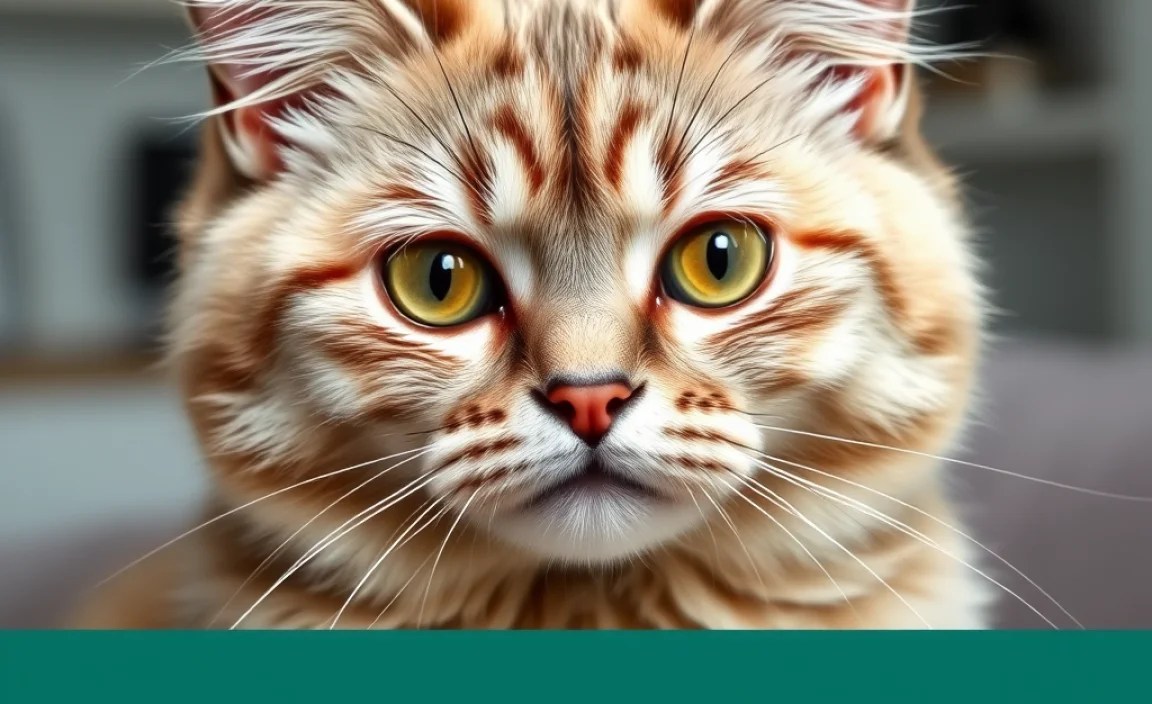
Shedding is a natural part of owning a British Shorthair. Here are some tips to manage it effectively:
- Regular Brushing: As mentioned earlier, regular brushing is key to removing loose fur and preventing it from ending up on your furniture.
- Diet: A healthy diet can help to reduce shedding. Look for cat foods that are high in protein and contain omega-3 and omega-6 fatty acids.
- Hydration: Make sure your cat has access to plenty of fresh water. Dehydration can lead to dry skin and increased shedding.
- Supplements: Consider adding a supplement to their diet that supports healthy skin and coat. Consult with your vet before starting any new supplements.
By following these tips, you can minimize shedding and keep your home cleaner.
Tips for a Stress-Free Grooming Session

Grooming doesn’t have to be a battle. Here are some tips to make it a positive experience for both you and your cat:
- Start Early: Get your cat used to being groomed from a young age. This will help them to accept it as part of their routine.
- Be Gentle: Always handle your cat gently and avoid pulling or tugging on their fur.
- Use Positive Reinforcement: Reward your cat with treats, praise, or playtime after grooming sessions.
- Keep Sessions Short: If your cat is resistant to grooming, start with short sessions and gradually increase the duration as they become more comfortable.
- Find a Quiet Place: Choose a quiet, comfortable place for grooming sessions where your cat feels safe and relaxed.
Diet and Hydration for a Healthy Coat
A healthy coat starts from within. Here’s how diet and hydration play a role:
- High-Quality Food: Feed your British Shorthair a high-quality cat food that is rich in protein and essential nutrients.
- Omega Fatty Acids: Look for foods that contain omega-3 and omega-6 fatty acids, which promote healthy skin and a shiny coat.
- Hydration: Ensure your cat has access to fresh, clean water at all times. Consider adding wet food to their diet to increase their water intake.
- Avoid Fillers: Choose foods that are free from fillers, artificial colors, and preservatives.
A balanced diet will help your cat maintain a healthy, lustrous coat.
Common Coat Problems and Solutions
Even with the best care, British Shorthairs can sometimes experience coat problems. Here are some common issues and how to address them:
| Problem | Possible Causes | Solutions |
|---|---|---|
| Dull Coat | Poor diet, dehydration, underlying health issues | Improve diet, increase water intake, consult vet |
| Excessive Shedding | Seasonal shedding, stress, allergies | Regular brushing, reduce stress, identify and eliminate allergens |
| Mats and Tangles | Lack of grooming, long fur | Regular brushing, detangling sprays, professional grooming |
| Dry Skin | Dehydration, low humidity, allergies | Increase water intake, use a humidifier, consult vet about allergies |
| Hair Loss | Fleas, ringworm, stress, allergies | Treat fleas, consult vet for diagnosis and treatment |
If you notice any persistent or severe coat problems, consult with your veterinarian.
When to Consult a Vet or Groomer
While most grooming tasks can be done at home, there are times when it’s best to seek professional help. Consider consulting a vet or groomer if:
- You’re unsure about how to trim your cat’s nails or clean their ears.
- Your cat has severe mats or tangles that you can’t remove yourself.
- Your cat is showing signs of skin irritation, infection, or hair loss.
- Your cat is extremely resistant to grooming and you’re unable to do it safely.
A vet or groomer can provide expert care and address any underlying health issues that may be affecting your cat’s coat.
British Shorthair Grooming Tips for Senior Cats
As British Shorthairs age, they may require some adjustments to their grooming routine. Senior cats may have difficulty grooming themselves due to arthritis or other health issues. Here are some tips for grooming senior cats:
- Be Gentle: Senior cats may be more sensitive to touch, so be extra gentle during grooming sessions.
- Shorter Sessions: Keep grooming sessions short and frequent to avoid tiring them out.
- Soft Brushes: Use soft-bristled brushes that are gentle on their skin.
- Check for Lumps and Bumps: While grooming, check for any new lumps, bumps, or skin changes that may require veterinary attention.
- Consider Professional Help: If your senior cat is unable to tolerate home grooming, consider taking them to a professional groomer who is experienced in handling senior cats.
British Shorthair Fur Maintenance Tips: Frequently Asked Questions
Here are some common questions about British Shorthair fur maintenance:
How often should I brush my British Shorthair?
Aim to brush your British Shorthair 2-3 times a week to remove loose fur and prevent mats. During shedding season (spring and fall), daily brushing is best.
What kind of brush is best for a British Shorthair?
A slicker brush is ideal for removing loose fur, while an undercoat rake helps to remove dead undercoat. A metal comb is useful for detangling and smoothing the fur.
Do British Shorthairs need baths?
British Shorthairs typically keep themselves clean and don’t require frequent baths. Bathe them only when necessary, such as if they get particularly dirty or smelly.
How can I reduce shedding?
Regular brushing, a healthy diet, and plenty of fresh water can help to reduce shedding. Consider adding a supplement to their diet that supports healthy skin and coat.
How often should I trim my cat’s nails?
Trim your cat’s nails every 2-3 weeks to prevent overgrowth and damage to your furniture. Be careful not to cut into the quick.
What are the signs of a skin problem?
Signs of a skin problem include redness, itching, hair loss, and scaly or flaky skin. Consult with your veterinarian if you notice any of these signs.
Can I use human shampoo on my cat?
No, human shampoo is not safe for cats. It can disrupt their skin’s pH balance and cause irritation. Use a shampoo that is specifically formulated for cats.
Conclusion
Taking care of your British Shorthair’s coat is a labor of love. With the right tools, techniques, and a consistent routine, you can keep their fur looking its best. Regular brushing, nail trims, ear cleaning, and dental care are all important components of a comprehensive grooming plan. Remember to be gentle, patient, and reward your cat for their cooperation. A healthy diet and plenty of fresh water will also contribute to a healthy, lustrous coat. By following these tips, you’ll not only keep your British Shorthair looking beautiful but also strengthen the bond between you and your feline companion.


