
British Shorthair Pedigree Chart: The Ultimate Guide

Have you ever wondered where your cat comes from? Some cats have a special family tree. It is called a pedigree chart. A british shorthair pedigree chart tells you about a cat’s ancestors. It is like a family history for fancy felines.
Imagine your cat is a royal. A british shorthair pedigree chart is like a royal family’s record. It shows all the important cats in their family. These charts help breeders keep track of good traits. They also help avoid health problems.
Do you know what makes a British Shorthair special? They are known for their round faces. They also have thick, plush fur. A british shorthair pedigree chart helps keep these traits strong. It makes sure the kittens are healthy and look like they should.
Key Takeaways
- A british shorthair pedigree chart tracks a cat’s ancestry and lineage.
- These charts help breeders maintain breed standards and health.
- Pedigree charts document important traits and characteristics.
- They ensure kittens meet specific breed qualifications.
- Understanding pedigree charts helps appreciate purebred cats.
Understanding the British Shorthair Pedigree Chart

A british shorthair pedigree chart is like a family tree. It shows a cat’s parents, grandparents, and even further back. Each cat on the chart has a name and registration number. This helps people know which cats are related. It also helps track important traits. Breeders use these charts to plan matings. They want to make sure the kittens are healthy. They also want the kittens to look like good examples of the breed. The chart also helps avoid inbreeding. Inbreeding can cause health problems. A good pedigree chart is important for a healthy, happy cat.
- Pedigree charts show a cat’s ancestry.
- They include names and registration numbers.
- Breeders use them for planning matings.
- Charts help avoid health problems.
- They ensure kittens meet breed standards.
Think of it like building with LEGOs. You want to use the right pieces to make a strong model. A british shorthair pedigree chart helps breeders pick the right “pieces.” They want to create healthy and beautiful British Shorthairs. The chart tells them which cats have good genes. It also tells them which cats might have problems. This careful planning makes sure the breed stays strong. It keeps the cats looking and feeling their best.
Fun Fact or Stat: The oldest known cat pedigree chart dates back to the late 19th century!
Why Is Lineage Important?
Have you ever wondered why some cats look so much alike? Lineage is why! Lineage refers to the ancestry or family history of a cat. A british shorthair pedigree chart shows this lineage. It helps breeders understand which traits are passed down. These traits can be physical, like fur color. They can also be about personality. Knowing the lineage helps breeders predict what kittens will be like. It is like knowing what ingredients make a good cake. You can make another good cake using the same recipe. Lineage is like a recipe for cats!
What Information Is on a Pedigree?

Imagine you are a detective looking for clues. A british shorthair pedigree chart is full of clues. It has the names of the cat’s ancestors. It also has their registration numbers. These numbers are like special IDs. The chart might also show titles. These titles mean the cat won a prize at a cat show. Some charts even show health information. This helps breeders know if there are any problems in the family. All this information helps breeders make good choices. They want to make sure their cats are healthy and happy.
How Does It Affect the Cat’s Value?
Have you ever seen a rare baseball card that’s worth a lot of money? A cat with a good british shorthair pedigree chart can also be worth more. This is because the chart shows the cat comes from good stock. It means the cat is likely to have good traits. It also means the cat is less likely to have health problems. People who want a show cat often look for a good pedigree. They want a cat that will do well in competitions. A strong pedigree makes a cat more valuable. It shows the cat is special.
Reading a British Shorthair Pedigree Chart

Reading a british shorthair pedigree chart can seem tricky. But it’s like reading a map! The chart usually starts with the cat you are interested in. Then, it shows the cat’s parents. Above the parents are the grandparents. The chart goes back several generations. Each cat has a name and registration number. Some charts use colors or symbols to show different traits. These might be fur color or eye color. Understanding these symbols makes the chart easier to read. Breeders use this information to plan future litters. It helps them create healthy and beautiful kittens.
- Start with the cat of interest.
- Follow the lines to the parents.
- Look for names and registration numbers.
- Understand any colors or symbols used.
- Read the chart from top to bottom.
Think of a british shorthair pedigree chart as a family tree. Your cat is at the bottom of the tree. The parents are the first branches. The grandparents are the next branches up. As you go higher, you see more ancestors. Each cat on the tree has a story. The chart tells you a little bit about their lives. It shows you where your cat comes from. This helps you understand why your cat is so special. It is like learning about your own family history!
Fun Fact or Stat: Some pedigree charts can go back as many as five or six generations!
Understanding Registration Numbers
Have you ever had a special ID number? Cats on a british shorthair pedigree chart have them too! These are called registration numbers. Each cat gets a unique number from a cat association. This number helps identify the cat. It also helps track the cat’s pedigree. The registration number is like a social security number for cats. It tells breeders important information about the cat. It helps them keep track of the cat’s family history. This ensures that the cat is a purebred British Shorthair.
Interpreting Titles and Awards

Imagine your cat winning a gold medal! Some cats on a british shorthair pedigree chart have won awards. These awards are called titles. They show that the cat is a good example of the breed. The titles might be “Champion” or “Grand Champion.” These titles mean the cat has won many cat shows. The titles show that the cat has good traits. It also means the cat looks like a British Shorthair should. Breeders are proud to have cats with titles in their pedigree. It shows they are breeding good cats.
Identifying Health Information

Have you ever visited a doctor for a checkup? Cats on a british shorthair pedigree chart might have health information listed. This information helps breeders avoid health problems. It might show if a cat has been tested for certain diseases. Some diseases can be passed down from parents to kittens. Knowing this information helps breeders make smart choices. They can choose cats that are less likely to have problems. This helps keep the kittens healthy and happy. It also helps keep the breed strong.
Benefits of Using a British Shorthair Pedigree Chart

Why do breeders use a british shorthair pedigree chart? There are many good reasons! The chart helps them keep the breed healthy. It also helps them maintain the breed’s appearance. A good pedigree chart can prevent inbreeding. Inbreeding can cause health problems. The chart also helps breeders track traits. They can see which cats pass on good qualities. This helps them breed cats that are beautiful and healthy. A pedigree chart is like a roadmap for breeders. It guides them to make the best choices for their cats.
- Helps maintain breed standards.
- Prevents inbreeding and health issues.
- Tracks desirable traits and characteristics.
- Ensures genetic diversity within the breed.
- Aids in selecting healthy breeding pairs.
Think of a british shorthair pedigree chart as a shield. It protects the breed from problems. It helps breeders make smart decisions. They can see which cats are related. They can avoid breeding cats that are too closely related. This keeps the gene pool healthy. It also helps prevent genetic diseases. A good pedigree chart is a valuable tool. It helps breeders create happy and healthy British Shorthairs.
Fun Fact or Stat: Using pedigree charts can reduce the risk of genetic diseases in cats by up to 50%!
Maintaining Breed Standards
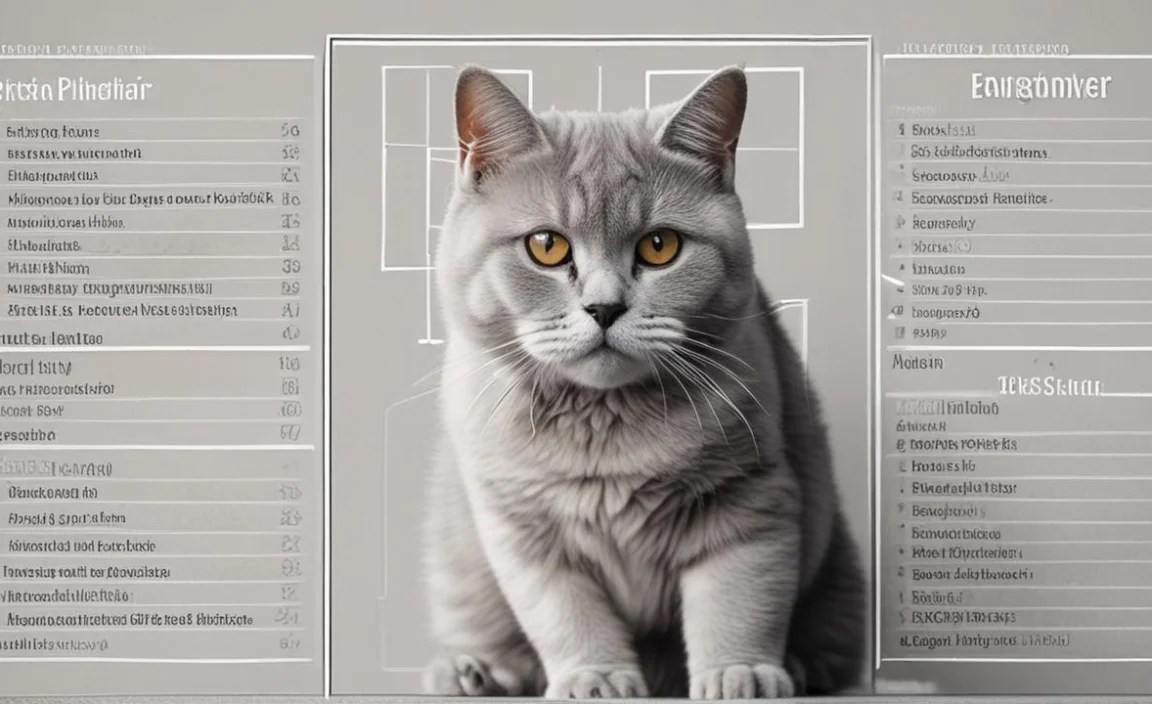
Have you ever seen a cat that looks exactly like a British Shorthair should? That’s because of breed standards! Breed standards are rules about how a cat should look. A british shorthair pedigree chart helps breeders follow these rules. It shows them which cats have the right traits. These traits include a round face and thick fur. By using the chart, breeders can make sure their cats meet the standards. This keeps the breed looking the way it should. It also makes sure the cats are healthy and happy.
Preventing Genetic Issues
Imagine you are trying to solve a puzzle. You want to make sure all the pieces fit together correctly. A british shorthair pedigree chart helps breeders solve a puzzle too. They want to make sure the cats’ genes fit together correctly. The chart helps them avoid breeding cats that have the same bad genes. This can prevent genetic issues. These issues can cause health problems. By using the chart, breeders can keep their cats healthy. They can also make sure the breed stays strong.
Tracking Desirable Traits
Have you ever noticed how some cats have beautiful fur or a friendly personality? A british shorthair pedigree chart helps breeders track these traits. They can see which cats pass on good qualities. These qualities might be a certain fur color or a calm temperament. By tracking these traits, breeders can make sure their cats have them too. This helps them create cats that are both beautiful and well-behaved. It also makes the cats more valuable.
Common Symbols and Abbreviations on Pedigree Charts

British shorthair pedigree charts often use symbols and abbreviations. These can seem confusing at first. But they are like a secret code! Once you learn the code, the chart becomes easier to read. Common symbols might show if a cat is male or female. Abbreviations might stand for titles like “Champion” or “Grand Champion.” Some symbols might show health information. Learning these symbols and abbreviations helps you understand the chart better. It also helps you appreciate the cat’s history. The symbols and abbreviations are like a shortcut to understanding the cat’s story.
- ♂ represents a male cat.
- ♀ represents a female cat.
- CH stands for Champion.
- GC stands for Grand Champion.
- DNA indicates DNA testing results.
Think of symbols and abbreviations on a british shorthair pedigree chart as emoticons. Just like emoticons add meaning to a text message, symbols and abbreviations add information to the chart. They tell you important things about the cat’s history and traits. Once you know what they mean, you can understand the chart more easily. It is like learning a new language. You can read the story of the cat’s life. You can also see why the cat is so special.
Fun Fact or Stat: The symbol ♂ for male cats comes from the symbol for the Roman god Mars!
Understanding Gender Symbols
Have you ever seen the symbols for male and female? On a british shorthair pedigree chart, they are used to show the gender of each cat. The symbol ♂ means the cat is male. The symbol ♀ means the cat is female. These symbols are simple but important. They help you understand the relationships on the chart. They also help you track which traits come from which parent. Knowing the gender of each cat is important for breeding.
Decoding Title Abbreviations

Imagine your cat is a superhero! On a british shorthair pedigree chart, titles are like superhero badges. They show that the cat has done something special. The abbreviation “CH” means the cat is a Champion. This means the cat has won many cat shows. The abbreviation “GC” means the cat is a Grand Champion. This means the cat has won even more shows! These titles show that the cat is a good example of the breed. Breeders are proud to have cats with titles in their pedigree.
Interpreting Health Symbols

Have you ever seen a medical chart with symbols for different health conditions? A british shorthair pedigree chart might have health symbols too. These symbols show if a cat has been tested for certain diseases. They might show if the cat is clear of a disease. Or they might show if the cat is a carrier of a disease. Knowing this information is important for breeders. It helps them make smart choices about which cats to breed. This helps keep the kittens healthy.
Finding a Reputable British Shorthair Breeder
Finding a good breeder is important. A good breeder cares about their cats. They want to make sure the kittens are healthy. They also want to make sure the kittens go to good homes. A good breeder will show you the british shorthair pedigree chart. They will explain it to you. They will also answer your questions. They will let you meet the parent cats. They will also keep their cats in a clean and happy place. A good breeder is like a good friend to the cats. They want what is best for them.
- Ask for health testing records.
- Request to see the pedigree chart.
- Visit the breeder’s cattery or home.
- Ask about socialization practices.
- Check references from past buyers.
Think of finding a good breeder as finding a good doctor. You want someone who knows what they are doing. You also want someone who cares about their patients. A good breeder is knowledgeable about British Shorthairs. They know about the breed’s history and health. They also care about the cats’ well-being. They will make sure the kittens are healthy and happy. They will also help you find the perfect kitten for your family.
Fun Fact or Stat: Reputable breeders often spend more on health testing than they earn from selling kittens!
Checking Health Testing Records

Have you ever seen a doctor check your temperature? Good breeders check their cats’ health too! They test for genetic diseases. They also make sure the cats are vaccinated. They keep records of these tests. A good breeder will show you these records. This shows they care about their cats’ health. It also gives you peace of mind. You know the kitten is coming from a healthy family. Health testing is very important.
Visiting the Breeder’s Home
Imagine you are visiting a new friend’s house. You want to see where they live. You also want to see how they treat their pets. Visiting a breeder’s home is the same thing. You can see where the cats live. You can also see how the breeder treats them. The cats should be in a clean and happy place. They should also be friendly and well-socialized. This shows the breeder cares about their cats. It also shows they are doing a good job.
Asking About Socialization

Have you ever seen a kitten playing with its brothers and sisters? That’s socialization! Socialization is when kittens learn how to interact with others. A good breeder will socialize their kittens. They will play with them and handle them gently. This helps the kittens grow into friendly and confident cats. Ask the breeder about their socialization practices. This will help you find a kitten that is well-adjusted. It will also help the kitten fit into your family.
Ethical Considerations for British Shorthair Breeding
Breeding cats is a big responsibility. Ethical breeders care about the cats’ well-being. They don’t just breed for money. They breed to improve the breed. They make sure the cats are healthy and happy. They also make sure the kittens go to good homes. Ethical breeders use british shorthair pedigree charts wisely. They avoid inbreeding. They also test for genetic diseases. They do everything they can to protect the cats.
| Ethical Breeding | Unethical Breeding |
|---|---|
| Prioritizes cat health | Prioritizes profit |
| Uses pedigree charts responsibly | Ignores pedigree charts |
| Tests for genetic diseases | Skips health testing |
| Finds good homes for kittens | Sells kittens to anyone |
Think of ethical breeding as being a good steward. A steward takes care of something valuable. They protect it and make it better. Ethical breeders do the same for British Shorthairs. They protect the breed from health problems. They also make sure the cats are well-cared for. They find loving homes for the kittens. They are responsible and caring breeders. They want what is best for the cats.
Fun Fact or Stat: Ethical breeders often wait until a female cat is at least two years old before breeding her!
Avoiding Inbreeding Practices
Have you ever heard the saying “blood is thicker than water”? Inbreeding is when breeders breed cats that are too closely related. This can cause health problems. Ethical breeders avoid inbreeding. They use british shorthair pedigree charts to see which cats are related. They choose cats that are not closely related. This helps keep the gene pool healthy. It also helps prevent genetic diseases. Avoiding inbreeding is very important.
Promoting Genetic Diversity

Imagine a garden with many different kinds of flowers. This garden is healthy and strong. Genetic diversity is like that. It means there are many different genes in the cat population. This helps the cats stay healthy. Ethical breeders promote genetic diversity. They use british shorthair pedigree charts to choose cats that are not too similar. This helps keep the breed strong and healthy. It also prevents genetic diseases.
Ensuring Responsible Placement of Kittens
Have you ever helped find a lost pet a new home? Ethical breeders make sure their kittens go to good homes. They ask questions to make sure the new owners are responsible. They want to make sure the kittens will be loved and cared for. They might even ask for references. This helps them find the best homes for their kittens. They want the kittens to be happy and healthy. They also want the new owners to be happy.
Summary
A british shorthair pedigree chart is a family tree for cats. It shows a cat’s ancestors. Breeders use these charts to keep the breed healthy. The charts help them avoid inbreeding. They also help them track good traits. Understanding these charts can be tricky. But it’s like learning a new language. Once you know the symbols and abbreviations, it becomes easier. A good breeder will show you the pedigree chart. They will also explain it to you. They care about their cats’ health and well-being.
Ethical breeders use these charts responsibly. They want to improve the breed. They don’t just breed for money. They make sure the kittens go to good homes. Finding a good breeder is important. They will help you find a healthy and happy kitten. They will also answer your questions. A british shorthair pedigree chart is a valuable tool. It helps breeders create wonderful British Shorthairs.
Conclusion
Understanding the british shorthair pedigree chart helps you appreciate your cat. It shows the careful planning that goes into breeding. Breeders use these charts to maintain breed standards. They also prevent genetic problems. A good pedigree means a healthier, happier cat. Now you know more about your cat’s family history. This makes your bond even stronger.
Frequently Asked Questions
Question No 1: What is a British Shorthair pedigree chart?
Answer: A british shorthair pedigree chart is like a family tree for cats. It shows the cat’s ancestors. It includes parents, grandparents, and great-grandparents. The chart helps breeders track the cat’s lineage. It also helps them maintain breed standards. The chart includes names and registration numbers. Some charts also show titles and health information. It’s a helpful tool for understanding a cat’s background. It helps breeders make informed decisions about breeding. It helps ensure healthy and well-bred kittens.
Question No 2: Why is a pedigree chart important for British Shorthairs?
Answer: A pedigree chart is important because it helps maintain the breed’s quality. It ensures that the cats meet specific standards. It helps breeders avoid inbreeding. Inbreeding can lead to health problems. The british shorthair pedigree chart helps track desirable traits. These traits include fur color, eye color, and temperament. Breeders use the chart to plan matings. They want to produce healthy and beautiful kittens. The chart also helps prevent genetic diseases. It’s a vital tool for responsible breeding.
Question No 3: How do I read a British Shorthair pedigree chart?
Answer: Reading a british shorthair pedigree chart starts with the cat you are interested in. Then, you follow the lines to the parents. Above the parents are the grandparents. Each cat has a name and registration number. Some charts use symbols for male and female. They might also use abbreviations for titles. Look for any health information listed. Understanding these details helps you read the chart. It helps you understand the cat’s family history. It’s like reading a map of the cat’s ancestry.
Question No 4: What do the symbols and abbreviations on a pedigree chart mean?
Answer: Symbols and abbreviations on a british shorthair pedigree chart provide key information. ♂ represents a male cat. ♀ represents a female cat. CH stands for Champion. GC stands for Grand Champion. DNA indicates DNA testing results. These symbols and abbreviations are like a secret code. They tell you important things about the cat. They help you understand the cat’s achievements and health. Learning these symbols makes the chart easier to read. It helps you understand the cat’s story.
Question No 5: How does a pedigree chart affect the value of a British Shorthair?
Answer: A pedigree chart can affect the value of a British Shorthair. A cat with a strong british shorthair pedigree chart is often worth more. This is because the chart shows the cat comes from good stock. It means the cat is likely to have good traits. It also means the cat is less likely to have health problems. People who want a show cat often look for a good pedigree. They want a cat that will do well in competitions. A strong pedigree makes a cat more valuable.
Question No 6: Where can I find a reputable British Shorthair breeder?
Answer: Finding a reputable breeder is important. Look for breeders who care about their cats’ health. They should also care about their well-being. Ask for health testing records. Request to see the british shorthair pedigree chart. Visit the breeder’s home to see the cats’ living conditions. Ask about socialization practices. Check references from past buyers. A good breeder will answer your questions honestly. They will also help you find the perfect kitten. They want to make sure the kittens go to good homes.


