
British Shorthair Friendly With Kids? Find Out!

Do you love cats? Are you looking for a new pet? Many families want a cat that loves kids. The British Shorthair might be perfect. These cats are known for being calm. They are also very friendly. Is a British Shorthair friendly with kids? Yes, they often are!
These cats are great for families. They are gentle and easy to care for. Let’s learn more about them. We will see why they make good pets.
Key Takeaways
- British Shorthairs often get along great with children of all ages.
- Their calm nature makes them good companions for gentle kids.
- Early socialization helps them become friendly with kids.
- Always supervise playtime between cats and very young children.
- British Shorthairs need love and care to be happy family members.
Why Are British Shorthairs Friendly With Kids?

British Shorthairs are known for their easygoing personalities. They are not usually scared or nervous. This helps them get along with kids. Kids can be loud and move quickly. A calm cat is less likely to get upset. British Shorthairs tend to be patient. They will often put up with a lot from kids. These cats also enjoy playing. They can have fun with kids who want to play games. But, they also like to relax. They are happy to sit quietly with kids. So, why are British Shorthairs friendly with kids? It’s because of their calm, patient, and playful nature.
- They have a calm personality.
- They are usually patient.
- They enjoy playing games.
- They also like to relax.
- They are not easily scared.
- They adapt well to family life.
It is important to remember that every cat is different. Some British Shorthairs might be shyer than others. Some might like playing more than others. Always watch how your cat acts around kids. Teach your kids how to treat the cat gently. If everyone is respectful, the cat will feel safe. This will help the cat and kids become friends. A British Shorthair can be a wonderful addition to a family. With the right care, they will be friendly with kids.
Do British Shorthairs Like Being Held?

Have you ever wondered if cats like being held? Some cats love it. Others do not. British Shorthairs are usually okay with being held. But, they might not want to be held all the time. It depends on the cat. Some British Shorthairs enjoy cuddling. They will purr and relax in your arms. Others prefer to sit next to you. They might not want to be picked up. It is important to learn what your cat likes. Never force your cat to be held. This will make them scared. If your cat seems happy, you can try holding them gently. Always support their body. If they start to wiggle, put them down. Let them decide how much they want to be held.
Are They Good With Loud Noises?

Kids can be noisy! Do you ever wonder how cats feel about that? British Shorthairs are often good with loud noises. This is because they are usually calm. They don’t get scared easily. But, very loud noises can still bother them. It is important to protect your cat. If you know there will be loud noises, give them a safe place to go. This could be a quiet room. It could be a cozy bed. Make sure they can escape the noise if they want to. This will help them feel safe and happy. Even though they are usually good with noise, it’s best to be considerate.
How Do They Show Affection?
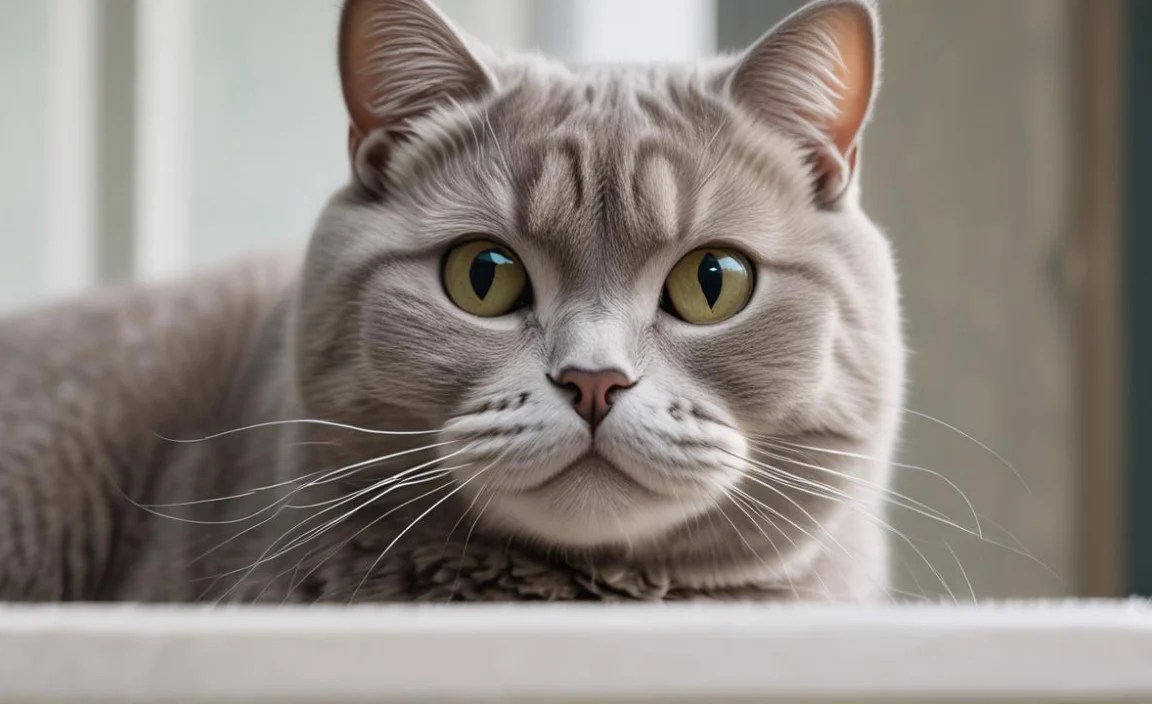
Cats show love in many ways. They might rub against your legs. They might purr when you pet them. British Shorthairs show affection in similar ways. They might follow you around the house. They might sit near you while you watch TV. Some British Shorthairs like to cuddle. They will sleep on your lap. Others are more independent. They might just want to be in the same room as you. Pay attention to your cat’s behavior. This will help you understand how they show love. Knowing this helps build a strong bond. This makes them even more friendly with kids in the family.
Fun Fact or Stat: A study showed that 85% of British Shorthair owners said their cats were good with children!
How to Introduce a British Shorthair to Kids

Bringing a new cat home is exciting! But, it is important to do it right. This is especially true when you have kids. You want everyone to get along. Start slowly. Let the cat explore the house on their own. Do not force them to meet the kids right away. Give the cat a safe space. This could be a bedroom or a quiet corner. Make sure the kids know not to bother the cat there. When the cat seems comfortable, let the kids approach. Teach them to be gentle. Show them how to pet the cat softly. Supervise all interactions. This will help everyone feel safe and happy. With patience, your British Shorthair will become friendly with kids.
- Let the cat explore alone first.
- Give the cat a safe space.
- Teach kids to be gentle.
- Supervise all interactions.
- Be patient and calm.
- Use positive reinforcement.
Remember that building trust takes time. Do not expect the cat and kids to be best friends right away. It is okay if they just tolerate each other at first. Over time, they will likely become closer. Encourage positive interactions. Give the cat treats when the kids are gentle. Praise the kids for being kind. This will help the cat associate the kids with good things. If there are any problems, do not get discouraged. Separate the cat and kids for a while. Then, try again later. With patience and understanding, your British Shorthair will be friendly with kids. You will have a happy and loving home.
What is the Best Age to Introduce?

The age of the child matters. Older kids often understand how to be gentle. Younger kids might not. It is often easier to introduce a British Shorthair to older kids first. They can help teach the younger kids. They can also help supervise playtime. If you have very young children, be extra careful. Always watch them closely. Teach them how to pet the cat softly. Show them not to pull the cat’s tail. With the right guidance, kids of any age can learn to be kind to cats. Introducing them at the right pace helps. This ensures the British Shorthair remains friendly with kids.
How to Teach Kids to Be Gentle?

Teaching kids to be gentle is very important. Start by showing them how to pet the cat. Use a soft voice. Show them how to stroke the cat’s back gently. Explain that pulling the cat’s fur hurts. Tell them not to squeeze the cat too hard. Also, teach them not to chase the cat. Cats need their space. If the cat walks away, let them go. Reinforce good behavior with praise. When you see your child being gentle, tell them how proud you are. This will encourage them to keep being kind. Being gentle will ensure the British Shorthair stays friendly with kids.
What if the Cat Seems Scared?

Sometimes, cats get scared. If your British Shorthair seems scared, do not force them to interact with the kids. Give them space. Let them hide if they want to. Make sure they have a safe place to go. This will help them feel more secure. Try again later. When the cat seems calmer, let the kids approach slowly. If the cat still seems scared, back off. It is important to respect the cat’s feelings. Forcing them to interact will only make them more scared. With patience, they will eventually feel more comfortable. A calm cat is more likely to be friendly with kids.
Fun Fact or Stat: British Shorthairs are known to adapt well to new environments, making introductions easier!
Creating a Safe Environment for Cats and Kids

A safe environment is important for both cats and kids. Make sure the cat has a place to escape. This could be a high shelf or a cat tree. Kids should not be able to reach the cat there. This gives the cat a safe space. Keep the cat’s food and water away from the kids. This prevents messes and arguments. Teach kids not to bother the cat while they are eating. Also, make sure the cat has plenty of toys. This will keep them entertained. It will also prevent them from getting bored. A bored cat might start scratching furniture. A safe and fun environment helps the British Shorthair stay friendly with kids.
- Give the cat a safe escape route.
- Keep food and water separate.
- Provide plenty of toys.
- Keep the litter box clean.
- Supervise playtime.
- Teach kids about cat safety.
It is also important to keep the litter box clean. Cats are very clean animals. They do not like using a dirty litter box. A dirty litter box can also spread germs. Clean the litter box every day. This will keep your cat happy and healthy. Make sure the kids know not to play with the litter box. This is not only unsanitary, but it can also scare the cat. By creating a safe and clean environment, you are helping your British Shorthair to be friendly with kids. A happy and healthy cat is more likely to be a good family pet.
Why Is a Safe Space Important?
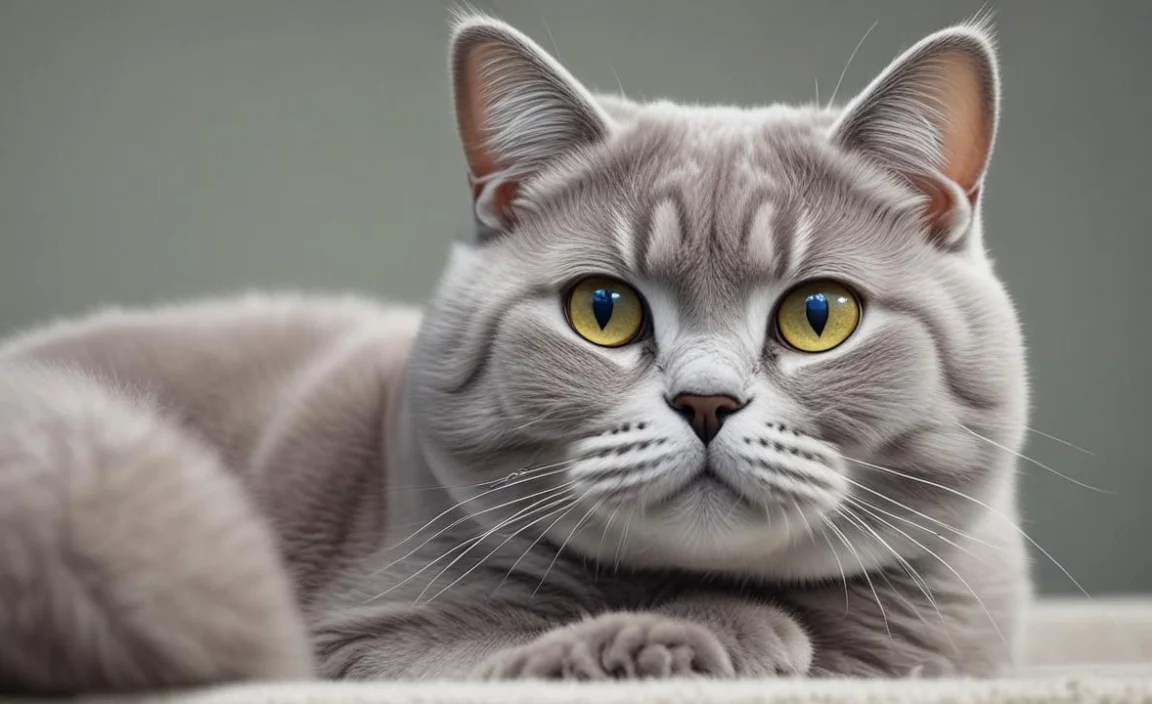
A safe space is very important for cats. It gives them a place to go when they feel scared or overwhelmed. This is especially important when there are kids around. Kids can be loud and unpredictable. A safe space allows the cat to escape the noise and commotion. It also gives them a place to rest and relax. Without a safe space, cats can become stressed and anxious. This can lead to behavioral problems. A safe space helps the British Shorthair feel secure. This helps them remain friendly with kids.
How to Choose the Right Toys?

Choosing the right toys is important for keeping your cat entertained. Cats need toys to play with. This helps them stay active and healthy. Choose toys that are safe for cats. Avoid toys with small parts that can be swallowed. Also, avoid toys with strings or ribbons that can get tangled. Good toy choices include balls, mice, and feather wands. Rotate the toys regularly. This will keep your cat interested. Playing with toys helps the British Shorthair stay happy. This is key to staying friendly with kids.
What About Cat Furniture?

Cat furniture is a great addition to any home with cats. Cat trees provide a place for cats to climb and scratch. Scratching posts help cats keep their claws healthy. They also prevent cats from scratching furniture. Cat beds give cats a comfortable place to sleep. Choose cat furniture that is sturdy and safe. Make sure it is placed in a location where the cat feels comfortable. Cat furniture helps the British Shorthair feel at home. This makes them more likely to be friendly with kids.
Fun Fact or Stat: Cats feel safer when they have vertical space, like cat trees, to observe their surroundings!
Grooming and Health for a Friendly British Shorthair

Grooming is important for keeping your British Shorthair healthy. British Shorthairs have thick fur. They need to be brushed regularly. Brushing helps remove loose fur. It also prevents mats and tangles. Brush your cat at least once a week. During shedding season, brush them more often. Regular grooming also helps you check for health problems. Look for bumps, lumps, or skin irritations. If you notice anything unusual, take your cat to the vet. A healthy cat is more likely to be friendly with kids. Regular vet visits are also very important.
- Brush your cat regularly.
- Check for health problems.
- Feed a healthy diet.
- Keep up with vaccinations.
- Provide fresh water.
- Clean their ears regularly.
A healthy diet is also important. Feed your cat high-quality cat food. Make sure the food is appropriate for their age and activity level. Provide fresh water at all times. Clean their water bowl regularly. Cats are susceptible to certain health problems. Keep up with vaccinations and parasite prevention. Regular vet visits can help catch problems early. Early treatment can improve your cat’s quality of life. By taking good care of your cat’s health, you are helping them to be friendly with kids. A healthy and happy cat is a great addition to any family.
How Often Should You Bathe Them?
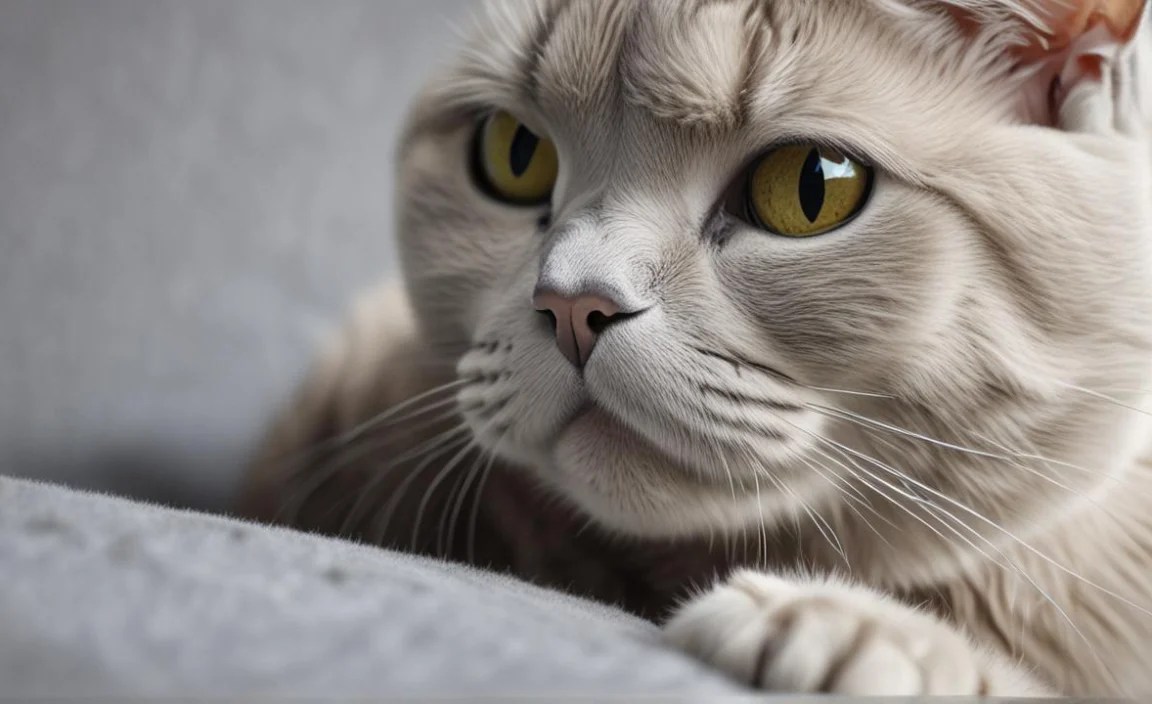
British Shorthairs do not need to be bathed very often. In fact, bathing them too often can dry out their skin. Only bathe your cat when they are dirty or smelly. Use a cat-specific shampoo. Avoid using human shampoo. Human shampoo can be too harsh for cats. Make sure to rinse the shampoo thoroughly. Dry your cat with a towel. You can also use a hairdryer on a low setting. Most British Shorthairs stay clean themselves. This is another reason they are friendly with kids, as they require less maintenance.
Why Are Regular Vet Visits Important?

Regular vet visits are very important for your cat’s health. Vets can detect health problems early. Early detection can lead to more effective treatment. Vets can also provide vaccinations and parasite prevention. These help protect your cat from serious diseases. During a vet visit, the vet will also examine your cat. They will check their weight, teeth, and coat. They will also ask you about your cat’s behavior. Regular vet visits help the British Shorthair stay healthy. This ensures they remain friendly with kids.
What Are Common Health Issues?

British Shorthairs are generally healthy cats. However, they are prone to certain health issues. These include hypertrophic cardiomyopathy (HCM) and polycystic kidney disease (PKD). HCM is a heart condition. PKD is a kidney condition. Both of these conditions can be serious. Early detection and treatment are important. Other common health issues include dental problems and obesity. Regular vet visits can help detect these problems early. Keeping your British Shorthair healthy helps them be friendly with kids.
Fun Fact or Stat: British Shorthairs can live up to 15–20 years with proper care and a healthy lifestyle!
Training and Socialization for a Well-Adjusted Cat

Training and socialization are important for all cats. They help cats become well-adjusted. Socialization is the process of exposing your cat to new people, places, and things. This helps them become less fearful and more confident. Start socializing your cat when they are young. Expose them to different sights, sounds, and smells. Take them for car rides. Introduce them to new people. Training can also help your cat become well-behaved. Teach them basic commands, such as “sit” and “stay”. Use positive reinforcement. Reward them with treats and praise when they do something right. A well-socialized and trained cat is more likely to be friendly with kids.
| Aspect | Importance | How to Implement | Benefits |
|---|---|---|---|
| Early Socialization | Critical for temperament | Introduce to kids early and gently | Reduces fear, increases confidence |
| Positive Reinforcement | Encourages good behavior | Reward good behavior with treats | Strengthens bond, improves behavior |
| Consistent Training | Establishes boundaries | Teach basic commands like ‘sit’ | Ensures predictability, reduces stress |
| Safe Environment | Reduces stress | Provide a safe space for the cat | Increases comfort and security |
Remember that training and socialization take time. Be patient and consistent. Do not get discouraged if your cat does not learn something right away. Keep practicing. Eventually, they will get it. It is also important to be positive. Avoid using punishment. Punishment can make your cat fearful and anxious. Focus on rewarding good behavior. This will help your cat learn more quickly. With training and socialization, your British Shorthair will be friendly with kids. They will be a happy and well-behaved member of your family.
How Early Should You Start Socializing?

The earlier you start socializing your cat, the better. Kittens are most receptive to new experiences between 2 and 7 weeks of age. During this time, expose them to a variety of sights, sounds, and smells. Introduce them to different people. Let them explore new environments. This will help them become well-adjusted adults. Even if you adopt an older cat, you can still socialize them. It might just take a little longer. Early socialization ensures the British Shorthair is friendly with kids.
What Are the Best Training Techniques?

Positive reinforcement is the best training technique for cats. This involves rewarding your cat when they do something right. Use treats, praise, or petting. Avoid using punishment. Punishment can make your cat fearful and anxious. Keep training sessions short and fun. Cats have short attention spans. End the session on a positive note. This will help your cat associate training with good things. Consistent training will help your British Shorthair be friendly with kids.
How to Handle Behavioral Problems?
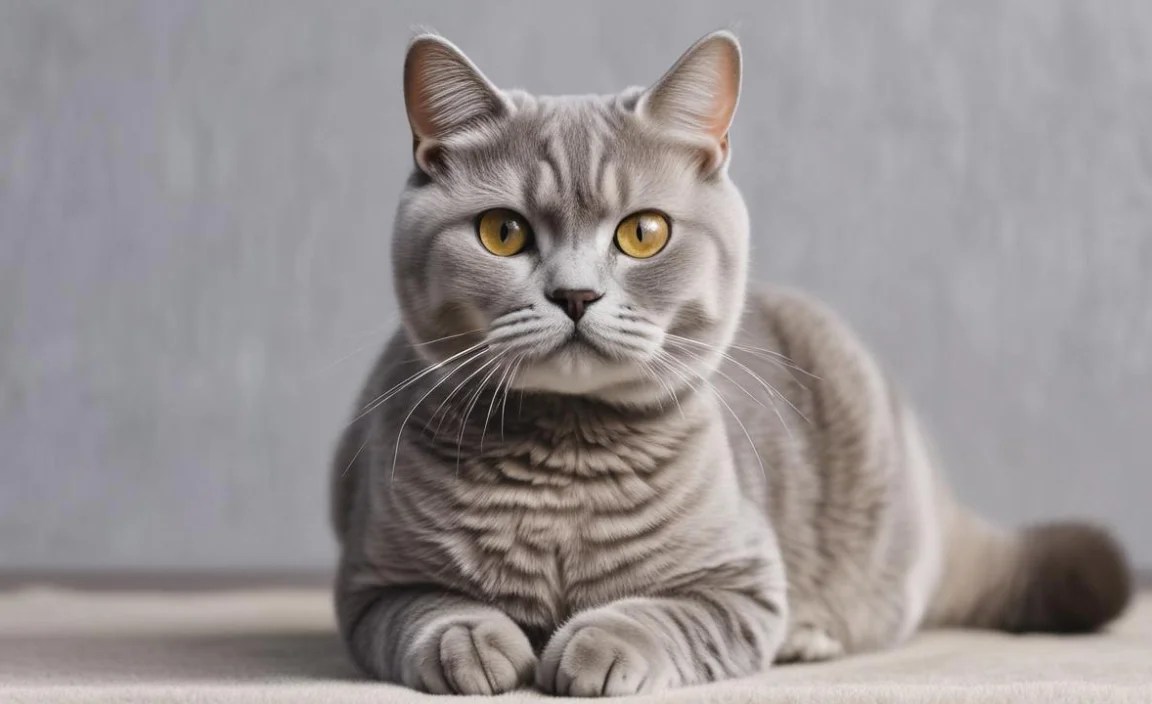
If your cat is exhibiting behavioral problems, try to identify the cause. Are they bored? Are they stressed? Are they sick? Once you know the cause, you can address the problem. Provide more toys and playtime. Create a safe and comfortable environment. Take them to the vet to rule out any medical problems. If the problems persist, consult a professional cat behaviorist. Addressing issues early helps the British Shorthair stay friendly with kids.
Fun Fact or Stat: Socialized cats are less likely to develop behavioral problems later in life!
Understanding British Shorthair Temperament

Understanding the British Shorthair temperament is key. These cats are known for being calm and gentle. They are not usually demanding or clingy. They are independent cats. They are happy to spend time alone. They also enjoy being around people. They are affectionate cats. They will often follow you around the house. They will sit near you while you watch TV. They are not usually destructive cats. They are not prone to scratching furniture or knocking things over. Their calm and gentle nature helps them be friendly with kids.
- They are calm and gentle.
- They are independent.
- They are affectionate.
- They are not destructive.
- They are intelligent.
- They are adaptable.
It is important to remember that every cat is different. Some British Shorthairs might be more playful than others. Some might be more cuddly than others. Get to know your cat’s individual personality. This will help you understand their needs. It will also help you provide them with the best possible care. A well-understood and cared-for British Shorthair will be friendly with kids. They will be a loving and loyal member of your family.
Are They Playful Cats?

British Shorthairs are moderately playful cats. They enjoy playing games. They are not as active as some other breeds. They enjoy playing with toys. They like chasing balls and feather wands. They also enjoy interactive play. They like playing with their owners. Provide your cat with plenty of toys. Set aside time each day to play with them. This will help them stay active and healthy. Playfulness helps the British Shorthair bond. This makes them friendly with kids.
How Do They Handle Being Alone?
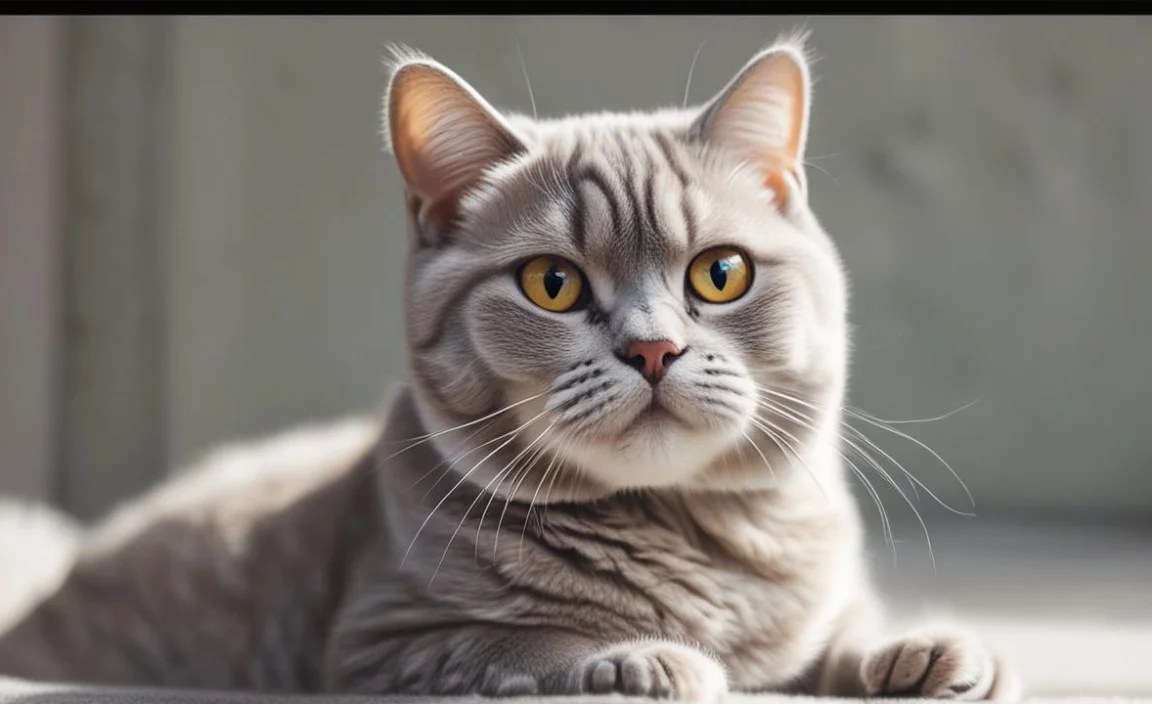
British Shorthairs handle being alone well. They are independent cats. They are happy to spend time by themselves. They do not need constant attention. However, they still need companionship. Make sure to spend time with your cat each day. Provide them with plenty of toys. This will help them stay entertained while you are away. A British Shorthair comfortable alone is often a more relaxed cat. This helps them stay friendly with kids.
Do They Get Jealous?
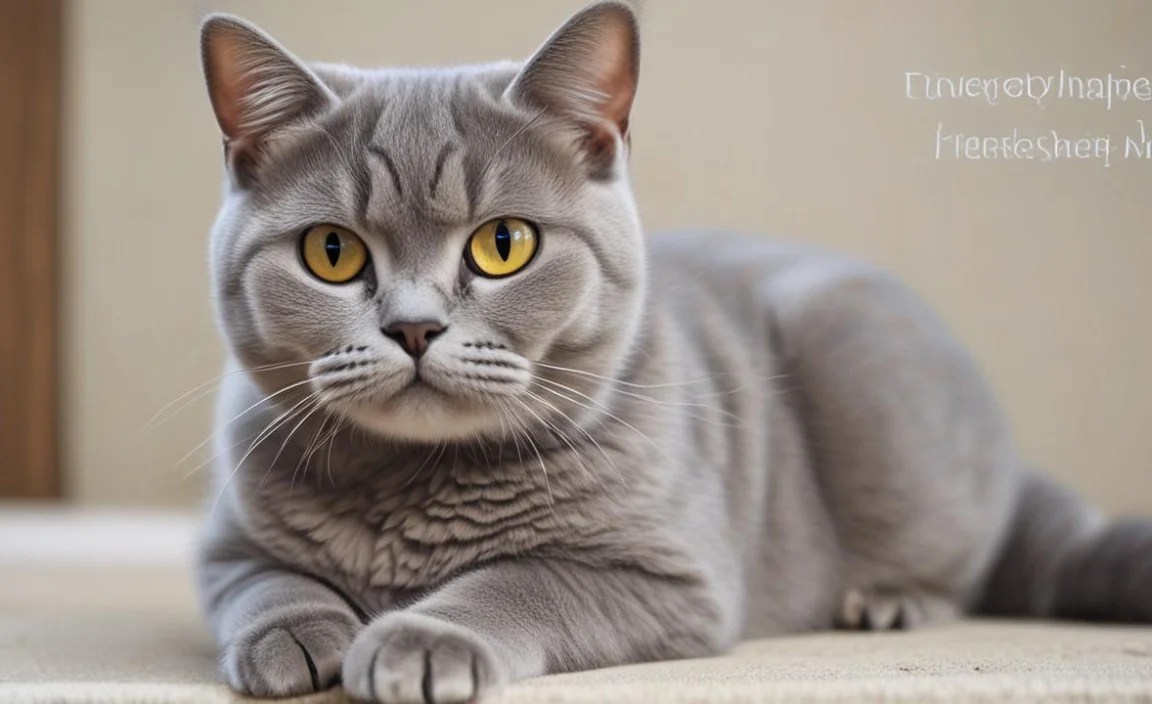
Cats can get jealous. If they feel like they are not getting enough attention, they might act out. Make sure to give your British Shorthair plenty of love and attention. Spend time with them each day. Play with them. Pet them. Talk to them. If you have other pets, make sure to give them equal attention. This will help prevent jealousy. A secure cat is more likely to be friendly with kids. Jealousy prevention is key.
Fun Fact or Stat: British Shorthairs are known for their “smiling” faces due to their cheek structure!
Summary
The British Shorthair is often a great choice for families with kids. They are known for their calm and gentle nature. This helps them get along with children of all ages. Socialization and training are important. They help the cat become well-adjusted. A safe environment is also important. It ensures the cat feels secure. Regular grooming and vet visits are essential. They keep the cat healthy. British Shorthairs are affectionate and playful. They make wonderful companions. With proper care and attention, a British Shorthair can be friendly with kids.
Conclusion
Choosing the right pet for your family is important. British Shorthairs are a popular choice for good reason. They are generally calm, affectionate, and adaptable. Early socialization and consistent care are key. These will ensure your cat is happy and well-adjusted. If you are looking for a cat that is friendly with kids, the British Shorthair might be the perfect fit. They bring joy and companionship to any home.
Frequently Asked Questions
Question No 1: Are British Shorthairs good for first-time cat owners?
Answer: Yes, British Shorthairs are often a good choice for first-time cat owners. They are relatively low-maintenance and have a gentle temperament. They are not overly demanding and adapt well to different lifestyles. Their calm nature makes them easier to care for compared to more active breeds. Providing basic needs like food, water, a clean litter box, and regular playtime is usually enough to keep them happy. This makes the British Shorthair friendly with kids and manageable for new owners.
Question No 2: How much grooming do British Shorthairs need?
Answer: British Shorthairs have thick, plush coats that require regular grooming. Brush them at least once a week to remove loose fur and prevent mats. During shedding season, increase brushing to two or three times a week. Occasional baths are also beneficial, but not necessary unless they get dirty. Regular grooming helps keep their coat healthy and reduces shedding around the house. Grooming also provides an opportunity to check for any skin issues or parasites, ensuring they remain healthy and friendly with kids.
Question No 3: What is the average lifespan of a British Shorthair?
Answer: The average lifespan of a British Shorthair is between 12 and 17 years. With proper care, a healthy diet, and regular vet checkups, they can live long and happy lives. Factors that can influence their lifespan include genetics, lifestyle, and overall health management. Providing a safe and stimulating environment, along with preventative healthcare, can help ensure they live a full and active life. This allows them to remain a friendly with kids companion for many years.
Question No 4: Do British Shorthairs need a lot of exercise?
Answer: British Shorthairs are not high-energy cats. They do not require a lot of exercise. However, they still need regular playtime to stay healthy and stimulated. Provide them with toys, scratching posts, and opportunities to climb and explore. Short play sessions each day are usually sufficient to meet their exercise needs. This helps maintain their physical and mental well-being. It also helps the British Shorthair remain friendly with kids and other family members.
Question No 5: Are British Shorthairs prone to any health problems?
Answer: British Shorthairs are generally healthy. They are prone to certain health problems. These include hypertrophic cardiomyopathy (HCM) and polycystic kidney disease (PKD). HCM is a heart condition. PKD is a kidney condition. Both of these can be serious. Regular vet checkups are important for early detection and treatment. Maintaining a healthy weight and providing a balanced diet can also help prevent some health issues. Addressing health concerns promptly helps the British Shorthair be friendly with kids.
Question No 6: How do I know if a British Shorthair is a good fit for my family?
Answer: To determine if a British Shorthair is a good fit, consider your family’s lifestyle and preferences. British Shorthairs thrive in calm and stable environments. This makes them suitable for families who can provide a predictable routine. Assess whether your children are gentle and respectful towards animals. A British Shorthair that is friendly with kids needs a home where they feel safe and comfortable. Visiting a breeder or shelter to interact with British Shorthairs can help you gauge their temperament and compatibility with your family.


