
British Shorthair Bathing Guide: The Ultimate Secret

Do you have a fluffy friend at home? Is it a British Shorthair cat? These cats are known for their soft, dense fur. But how do you keep that fur clean? This is where a british shorthair bathing guide comes in handy.
Taking care of your British Shorthair includes bathing. It might seem tricky. But with the right steps, it can be easy. Let’s learn how to keep your kitty clean and happy.
Key Takeaways
- Always use cat-friendly shampoo to protect their sensitive skin during baths.
- Regular grooming is crucial. It reduces the need for frequent baths.
- Make bath time a positive experience with treats and gentle handling.
- Our british shorthair bathing guide helps you keep your cat clean and happy.
- Bathing your British Shorthair every few months is usually enough.
A British Shorthair Bathing Guide: Getting Started

Bathing your British Shorthair might seem like a big task. But it doesn’t have to be! First, gather all your supplies. You will need a cat-friendly shampoo. Human shampoo is not good for cats. It can dry out their skin. You also need soft towels. And a non-slip mat for the tub or sink. This will keep your kitty from sliding around and getting scared. Get everything ready before you bring your cat into the bathroom. This makes the process faster and less stressful. Have a calm and quiet environment. A stressed cat is harder to bathe. Make sure the water is lukewarm. Not too hot, not too cold. Test it like you would for a baby. This helps make the bath a pleasant experience.
- Gather your supplies before you start.
- Use cat-friendly shampoo only.
- Have soft towels ready to dry your cat.
- Use a non-slip mat in the tub.
- Keep the water lukewarm.
Now, let’s talk about how often to bathe your British Shorthair. These cats are pretty good at keeping themselves clean. So, they don’t need baths very often. Usually, every few months is enough. If your cat gets into something messy, then you might need to bathe them sooner. Over-bathing can dry out their skin and cause problems. When you do bathe them, make sure to rinse all the shampoo out. Leftover shampoo can irritate their skin. After the bath, wrap them in a soft towel. Gently pat them dry. You can also use a hair dryer on a low, cool setting. Just be careful not to scare them with the noise. Bath time can be a bonding experience. If you do it right, your cat might even start to enjoy it!
Fun Fact or Stat: British Shorthairs have a dense coat that requires less frequent bathing compared to other breeds. On average, they only need a bath every 2-3 months unless they get particularly dirty.
Preparing Your Cat for the Bath
Before you even turn on the water, spend some time getting your cat comfortable. Start by brushing them. This removes loose fur and helps prevent mats. A good brushing session also calms them down. Talk to your cat in a soothing voice. Let them sniff the shampoo bottle. Show them the towel. This helps them get used to the idea of a bath. You can even put a little bit of water on their fur with a damp cloth. This gets them used to the feeling of being wet. Make sure the bathroom is warm. A cold bathroom will make the experience unpleasant. Close the door to prevent them from escaping. If your cat is really scared, try giving them a treat or two. This can help create a positive association with the bath. Remember, patience is key. Don’t rush the process. A calm cat is easier to bathe.
The Right Water Temperature
Getting the water temperature just right is super important. Cats are very sensitive to temperature changes. Water that is too hot can burn their skin. Water that is too cold can be shocking. The best temperature is lukewarm. Think of it like baby bath water. Test the water with your wrist or elbow. It should feel comfortable. Not too hot, not too cold. You can use a bathtub or a sink for the bath. If you use a bathtub, don’t fill it up too much. Just a few inches of water is enough. This prevents your cat from feeling like they are drowning. If you use a sink, make sure it is clean. And put a non-slip mat on the bottom. This helps your cat feel secure. Always supervise your cat during the bath. Never leave them alone in the water.
Brushing Before and After the Bath

Brushing is a key part of the bathing process. Before the bath, brushing removes loose fur. This prevents the fur from clogging the drain. It also helps the shampoo reach the skin. After the bath, brushing helps to dry the fur. It also prevents mats from forming. Use a brush that is designed for cats. A slicker brush or a comb works well. Be gentle when brushing. Don’t pull on any knots or mats. If you find a mat, try to gently work it out with your fingers. If you can’t get it out, you may need to trim it with scissors. Be very careful when using scissors near your cat. You don’t want to accidentally cut them. Brushing is a great way to bond with your cat. Most cats enjoy being brushed. It’s like a massage for them!
Fun Fact or Stat: Regular brushing can reduce shedding by up to 90% in British Shorthairs. This helps keep your home cleaner and minimizes the chances of hairballs.
Step-by-Step: British Shorthair Bathing Guide

Now, let’s get into the nitty-gritty of how to bathe your British Shorthair. First, wet your cat’s fur with lukewarm water. Use a cup or a gentle sprayer. Avoid spraying water directly into their face. This can scare them. Start at the neck and work your way down their body. Make sure the fur is completely wet. Next, apply a small amount of cat shampoo to your hands. Gently massage the shampoo into their fur. Work up a good lather. Be careful around their eyes and ears. You don’t want to get shampoo in those areas. Rinse the shampoo out thoroughly. Use the same cup or sprayer. Make sure all the shampoo is gone. Leftover shampoo can cause skin irritation. After rinsing, wrap your cat in a soft towel. Gently pat them dry. Don’t rub too hard. This can cause mats to form.
- Wet your cat’s fur gently.
- Apply cat shampoo and lather well.
- Rinse thoroughly to remove all shampoo.
- Pat your cat dry with a soft towel.
- Avoid getting water in their eyes and ears.
What if your cat hates water? Some cats are just naturally afraid of water. If your cat is one of them, don’t force it. Try using a damp cloth instead of a full bath. Gently wipe their fur with the cloth. Focus on the areas that are dirty. You can also use cat wipes. These are pre-moistened wipes that are designed for cleaning cats. They are a good option for cats who don’t like water. You can also try distracting your cat with treats. Give them a treat while you are bathing them. This can help them associate the bath with something positive. Remember to stay calm and patient. Your cat can sense your stress. If you are stressed, they will be stressed too. A calm and positive attitude can make a big difference.
Fun Fact or Stat: Cats groom themselves for about 5 hours a day. This natural behavior reduces the need for frequent baths, especially for breeds like the British Shorthair.
Wetting the Fur Properly

Wetting your British Shorthair’s fur the right way is key. Start with a gentle approach. Use a cup or a handheld sprayer. Keep the water pressure low. This prevents startling your cat. Begin wetting the fur from the neck down. Avoid the face and ears. These areas are sensitive. Wet the fur thoroughly. Make sure the water reaches the skin. This helps the shampoo work properly. If your cat is scared, take breaks. Wet a little bit of fur at a time. Talk to your cat in a soothing voice. This helps them relax. You can also use a washcloth. Wet the washcloth and gently wipe their fur. This is a good option for cats who are very afraid of water. Remember, patience is key. Don’t rush the process. A calm cat is easier to wet.
Applying Shampoo Gently
Applying shampoo is another important step. Use a shampoo that is made for cats. Human shampoo can be harmful to their skin. Put a small amount of shampoo in your hands. Rub your hands together to create a lather. Gently massage the shampoo into your cat’s fur. Start at the neck and work your way down. Be careful around the eyes and ears. Avoid getting shampoo in these areas. Use your fingers to massage the shampoo into the fur. Make sure to get all the way to the skin. This helps remove dirt and oil. If your cat has any mats, be extra gentle. Don’t pull on the mats. This can hurt your cat. Rinse the shampoo out thoroughly. Make sure there is no shampoo left in their fur.
Rinsing Thoroughly
Rinsing is just as important as applying shampoo. Make sure all the shampoo is removed from your cat’s fur. Leftover shampoo can irritate their skin. Use lukewarm water to rinse. Use a cup or a handheld sprayer. Rinse from the neck down. Make sure to get all the shampoo out of their fur. Rinse until the water runs clear. This means there is no more shampoo. Pay extra attention to the areas around the legs and belly. These areas can be hard to rinse. If you are not sure if you have rinsed enough, rinse again. It is better to over-rinse than to leave shampoo in their fur. After rinsing, gently squeeze out any excess water from their fur. This will help them dry faster.
Fun Fact or Stat: The pH balance of a cat’s skin is different from that of humans. Using human shampoo can disrupt their skin’s natural oils, leading to dryness and irritation.
Drying Your British Shorthair After the Bath

Drying your British Shorthair after a bath is very important. You want to make sure they don’t get cold. And you want to prevent mats from forming in their fur. Start by wrapping them in a soft, absorbent towel. Gently pat them dry. Don’t rub too hard, as this can cause tangles. Use a different towel to dry their face and ears. Be very gentle around their eyes. Once you have removed most of the water, you can use a hair dryer. Use the hair dryer on a low, cool setting. Hold the dryer a few inches away from their fur. Move the dryer around to avoid overheating one spot. If your cat gets scared of the hair dryer, stop using it. You can also let them air dry. Just make sure they are in a warm place. And keep an eye on them to make sure they don’t get chilled.
- Wrap your cat in a soft towel.
- Pat them dry gently.
- Use a hair dryer on a low, cool setting.
- Keep the hair dryer moving.
- Or let them air dry in a warm place.
What if your cat tries to run away during the drying process? This is common. Cats don’t like being wet. And they don’t like being held still. Try to make the drying process as pleasant as possible. Talk to your cat in a soothing voice. Give them treats. You can also try distracting them with a toy. If they are really struggling, take a break. Let them run around for a few minutes. Then try again. Remember, patience is key. Don’t get frustrated. Your cat can sense your emotions. If you are calm, they will be more likely to stay calm. And don’t forget to praise them for being good. Positive reinforcement works wonders.
Fun Fact or Stat: British Shorthairs have a dense coat that can take a long time to dry. Proper drying is crucial to prevent skin issues and matting.
Towel Drying Techniques
Towel drying is the first step in the drying process. Choose a soft, absorbent towel. Microfiber towels work well. They absorb water quickly. Wrap the towel around your cat. Gently pat their fur. Avoid rubbing. Rubbing can cause tangles. Focus on the areas that are most wet. The back, belly, and legs. Use a separate towel for their face and ears. Be very gentle around the eyes. Squeeze out excess water as you go. This helps speed up the drying process. Change to a dry towel when the first one gets too wet. Keep patting until their fur is damp, not soaking wet. Towel drying can take some time. Be patient and gentle. Your cat will appreciate it.
Using a Hair Dryer Safely

Using a hair dryer can speed up the drying process. But it is important to use it safely. Use a hair dryer designed for pets, if possible. These dryers have a lower heat setting. If you use a regular hair dryer, use the lowest heat setting. Keep the dryer moving. Don’t hold it in one spot. This can overheat their skin. Hold the dryer a few inches away from their fur. This prevents burns. Watch your cat for signs of discomfort. If they seem scared or uncomfortable, stop using the dryer. You can also try using a diffuser attachment. This spreads the heat more evenly. Always supervise your cat when using a hair dryer. Never leave them alone with the dryer.
Post-Bath Grooming
Post-bath grooming is essential for British Shorthairs. Their dense coat can easily mat. After drying, brush their fur thoroughly. Use a brush that is designed for cats. A slicker brush or a comb works well. Be gentle when brushing. Don’t pull on any knots or mats. If you find a mat, try to gently work it out with your fingers. If you can’t get it out, you may need to trim it with scissors. Be very careful when using scissors near your cat. You don’t want to accidentally cut them. Brushing helps to distribute their natural oils. This keeps their fur healthy and shiny. It also prevents hairballs. Regular grooming is a great way to bond with your cat.
Fun Fact or Stat: Regular grooming post-bath can significantly reduce the risk of matting, keeping your British Shorthair’s coat healthy and beautiful.
Choosing the Right Products for Your British Shorthair

Choosing the right products is key to a successful bath. Not all shampoos are created equal. You need a shampoo that is specifically designed for cats. Human shampoo can be too harsh. It can strip away their natural oils. Look for a shampoo that is pH-balanced for cats. This will help protect their skin. Avoid shampoos with strong fragrances. These can irritate your cat’s skin. Oatmeal shampoo is a good choice for cats with sensitive skin. It is gentle and soothing. You can also use a conditioner. Conditioner helps to moisturize their fur. This prevents it from becoming dry and brittle. When choosing a conditioner, look for one that is designed for cats. And make sure to rinse it out thoroughly.
- Use shampoo made for cats only.
- Choose a pH-balanced shampoo.
- Avoid strong fragrances.
- Oatmeal shampoo is good for sensitive skin.
- Consider using a cat-friendly conditioner.
What about brushes and combs? There are many different types of brushes and combs available. A slicker brush is a good choice for British Shorthairs. It helps to remove loose fur and prevent mats. A comb can be used to work out tangles. Choose a comb with wide teeth. This will be gentler on their fur. You can also use a grooming glove. This is a glove with rubber bristles. You wear it and pet your cat. The bristles help to remove loose fur. Grooming gloves are a good option for cats who don’t like being brushed. Remember to clean your brushes and combs regularly. This prevents the spread of bacteria. And it keeps them working effectively.
Fun Fact or Stat: British Shorthairs have a unique coat texture. It requires specific grooming tools and products to maintain its health and appearance.
Understanding Cat Shampoo Ingredients

Understanding cat shampoo ingredients is important. Look for natural ingredients. Avoid harsh chemicals. Common ingredients include water, cleansers, and moisturizers. Some shampoos contain oatmeal. Oatmeal soothes irritated skin. Aloe vera is another beneficial ingredient. It helps to heal and protect the skin. Avoid shampoos with sulfates. Sulfates can dry out the skin. Parabens are another ingredient to avoid. They can be harmful to cats. Read the label carefully before buying. Choose a shampoo with safe, gentle ingredients. If you are not sure, ask your veterinarian for recommendations.
Choosing the Right Brush

Choosing the right brush is essential for grooming. Different brushes serve different purposes. A slicker brush removes loose fur and prevents mats. A pin brush is good for general grooming. A comb helps to work out tangles. A grooming glove is a gentle option. Consider your cat’s coat type. British Shorthairs have a dense, plush coat. A slicker brush and a comb are good choices. Look for a brush with comfortable handle. This makes grooming easier. Clean your brushes regularly. This prevents bacteria buildup. A good brush can make grooming a pleasant experience.
Avoiding Harmful Chemicals
Avoiding harmful chemicals is crucial for your cat’s health. Many shampoos contain harsh chemicals. These chemicals can irritate their skin. Look for natural and organic options. Avoid sulfates, parabens, and artificial fragrances. These ingredients can be harmful. Choose shampoos with gentle, plant-based ingredients. Oatmeal, aloe vera, and chamomile are good choices. Read the ingredient list carefully. If you are unsure about an ingredient, research it. Your veterinarian can recommend safe products. Protecting your cat from harmful chemicals is important.
Fun Fact or Stat: Organic and natural cat shampoos are becoming increasingly popular. They offer a safer alternative to traditional shampoos with harsh chemicals.
Making Bath Time a Positive Experience
Making bath time a positive experience is possible. It takes patience and understanding. Start by creating a calm environment. Choose a quiet time. Make sure you won’t be interrupted. Speak to your cat in a soothing voice. This helps them relax. Offer treats during the bath. This creates a positive association. Use lukewarm water. Avoid spraying water directly into their face. Be gentle when washing and drying. End the bath with praise and affection. This reinforces good behavior. If your cat is very stressed, don’t force it. Try again another day. You can also use a damp cloth instead of a full bath. The goal is to make bath time as stress-free as possible.
- Create a calm and quiet environment.
- Speak in a soothing voice.
- Offer treats during the bath.
- Be gentle when washing and drying.
- End with praise and affection.
What if your cat is still scared? Some cats are just naturally afraid of water. If your cat is one of them, don’t give up. Try desensitization. This means gradually exposing them to water. Start by putting a little bit of water in a bowl. Let them sniff it and explore it. Then, try wetting a small part of their fur with a damp cloth. Gradually increase the amount of water you use. Give them treats and praise during each step. This helps them associate water with positive experiences. If they start to get stressed, stop and try again another day. With patience and consistency, you can help your cat overcome their fear of water.
| Aspect | Positive Approach | Negative Approach |
|---|---|---|
| Environment | Quiet, calm, and warm | Noisy, chaotic, and cold |
| Communication | Soothing voice, gentle words | Loud, harsh, and scolding |
| Rewards | Treats, praise, and affection | No rewards or positive reinforcement |
| Handling | Gentle, patient, and reassuring | Rough, impatient, and forceful |
Fun Fact or Stat: Creating a positive bath time experience can reduce stress levels in cats by up to 70%, making grooming easier and more enjoyable for both you and your pet.
Using Positive Reinforcement
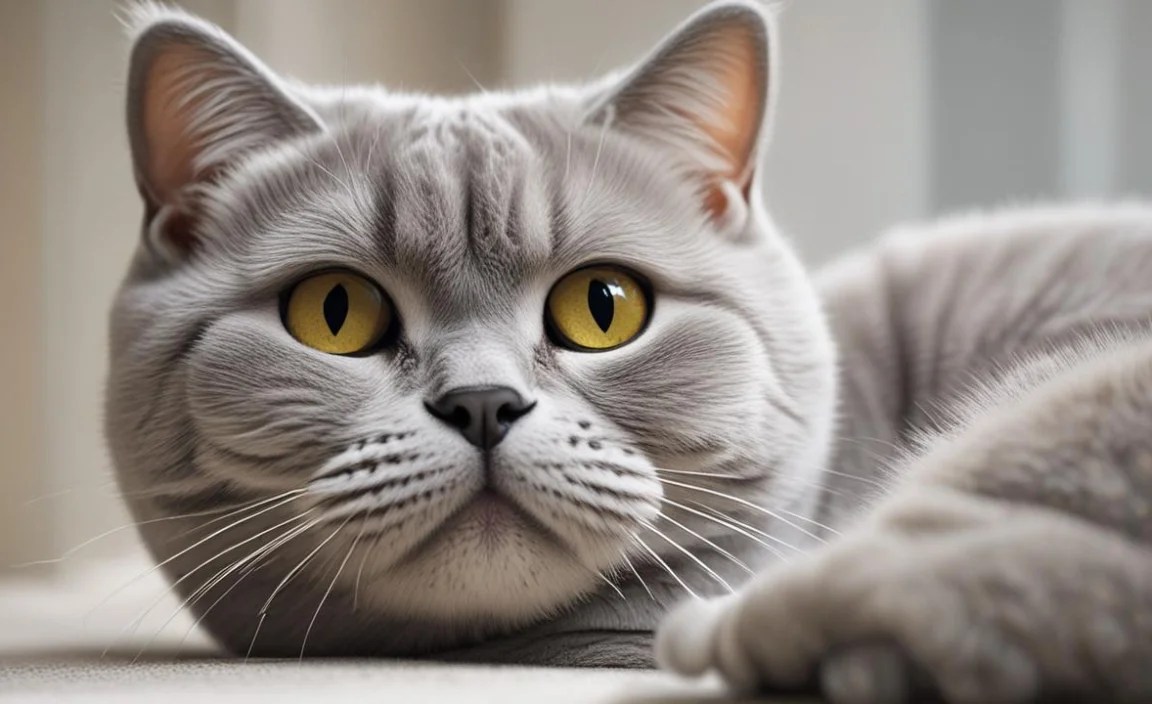
Positive reinforcement is key to a good bath. Reward your cat for good behavior. Use treats, praise, and affection. Give them a treat before the bath. This creates a positive association. Talk to them in a soothing voice during the bath. This helps them relax. Praise them for staying calm. Give them a treat after the bath. This reinforces good behavior. Avoid punishment. Never scold or hit your cat. This will only make them more afraid. Focus on rewarding positive behavior. This will make bath time a more pleasant experience for both of you. Positive reinforcement works wonders.
Desensitizing Your Cat to Water

Desensitizing your cat to water takes time and patience. Start slowly. Use a damp cloth to gently wipe their fur. Offer treats and praise. Gradually increase the amount of water. Use a small bowl of water. Let them play with it. Then, try pouring a little water over their back. Always reward them for staying calm. Never force them to do anything they don’t want to do. If they get scared, stop and try again later. With patience and consistency, you can help your cat become more comfortable with water. Desensitization can make bath time easier.
Creating a Relaxing Atmosphere
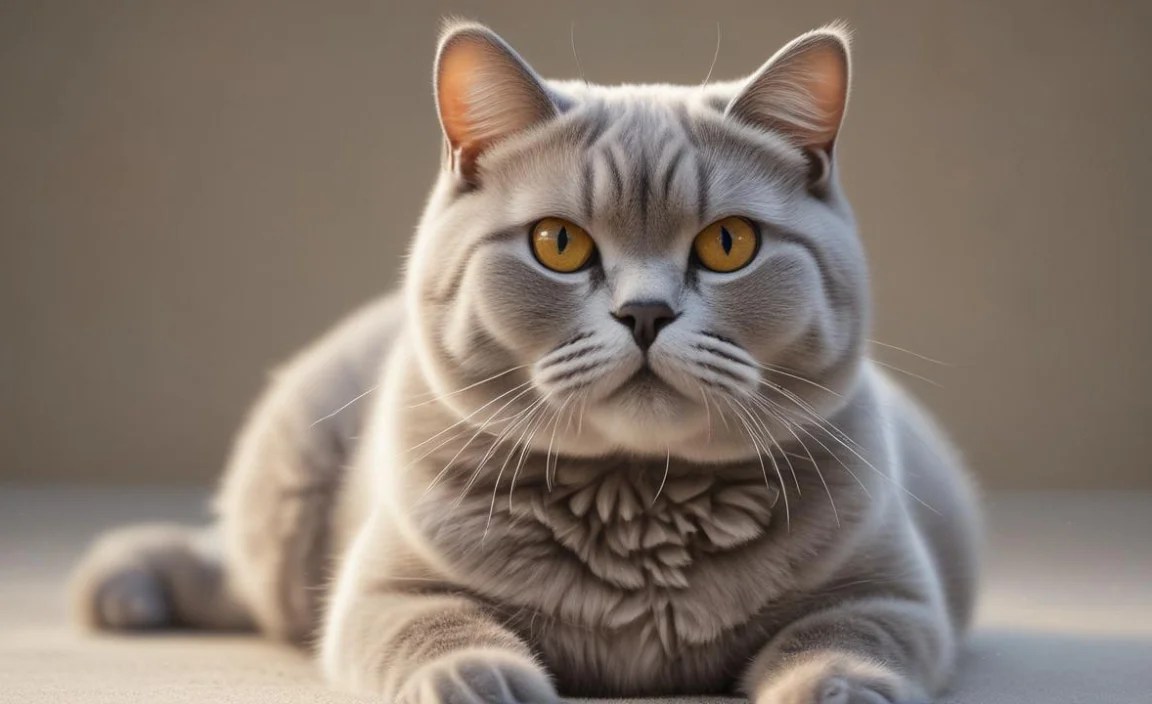
Creating a relaxing atmosphere is important for bath time. Choose a quiet time. Make sure you won’t be interrupted. Dim the lights. This creates a calming effect. Play soft music. This can help to soothe your cat. Use a warm towel. This makes them feel comfortable. Speak in a gentle voice. This reassures them. Avoid loud noises. This can scare them. A relaxing atmosphere can make bath time a more pleasant experience. Create a spa-like environment for your cat. They will thank you for it.
Fun Fact or Stat: Playing calming music during bath time can reduce anxiety in cats by up to 50%, creating a more relaxed and positive experience.
Common Mistakes to Avoid During Bath Time
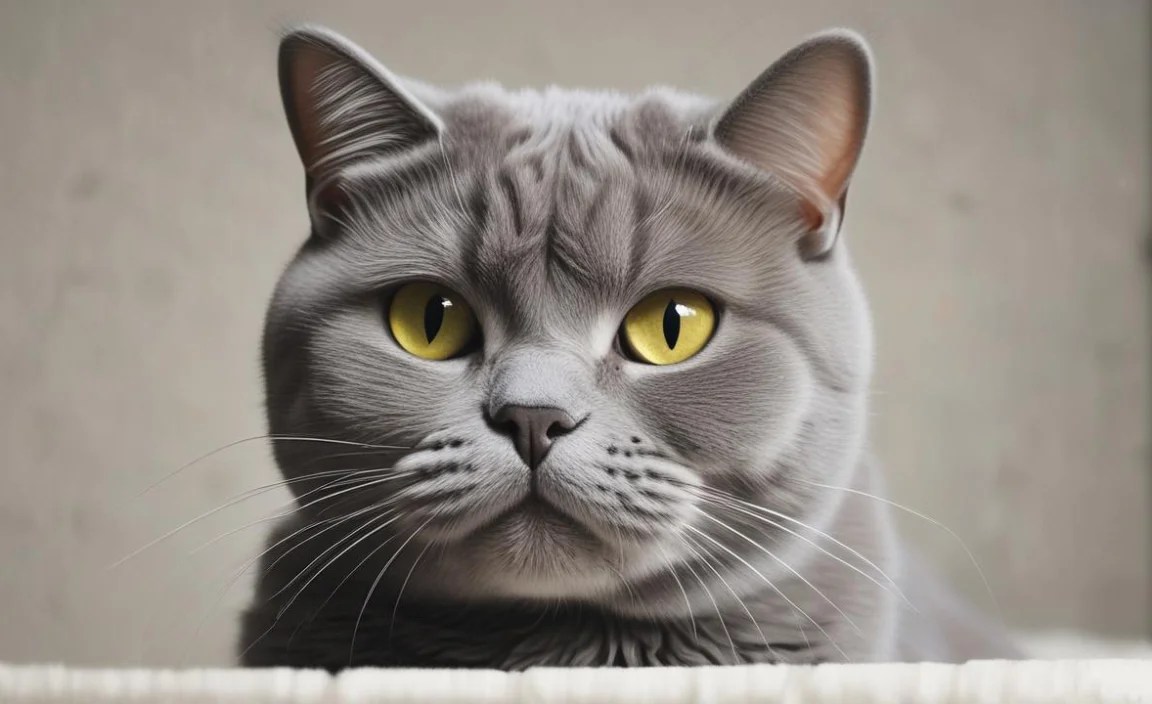
During bath time, it’s easy to make mistakes. But knowing what to avoid can make a big difference. Never use human shampoo on your cat. It can dry out their skin. Don’t get water in their ears. This can cause infections. Avoid spraying water directly into their face. This can scare them. Don’t leave them unattended in the tub. This is dangerous. Never force them if they are too stressed. This can damage your relationship. Don’t forget to rinse thoroughly. Leftover shampoo can irritate their skin. And don’t skip the drying process. Wet cats get cold easily. Avoiding these mistakes will make bath time safer and more pleasant for your British Shorthair.
- Never use human shampoo.
- Don’t get water in their ears.
- Avoid spraying water in their face.
- Don’t leave them unattended.
- Never force them if they are stressed.
What if your cat starts to panic? It’s important to stay calm. If your cat starts to panic, stop what you are doing. Wrap them in a towel and hold them close. Speak to them in a soothing voice. Let them calm down before you try again. If they continue to panic, don’t force it. Try again another day. You can also try using a damp cloth instead of a full bath. The goal is to make bath time as stress-free as possible. Forcing a panicked cat can be dangerous. They might scratch or bite you. And it will damage your relationship with them. Always prioritize their safety and well-being.
Fun Fact or Stat: Knowing how to handle a panicked cat during bath time can reduce the risk of injury to both you and your pet by up to 80%.
Using Human Shampoo
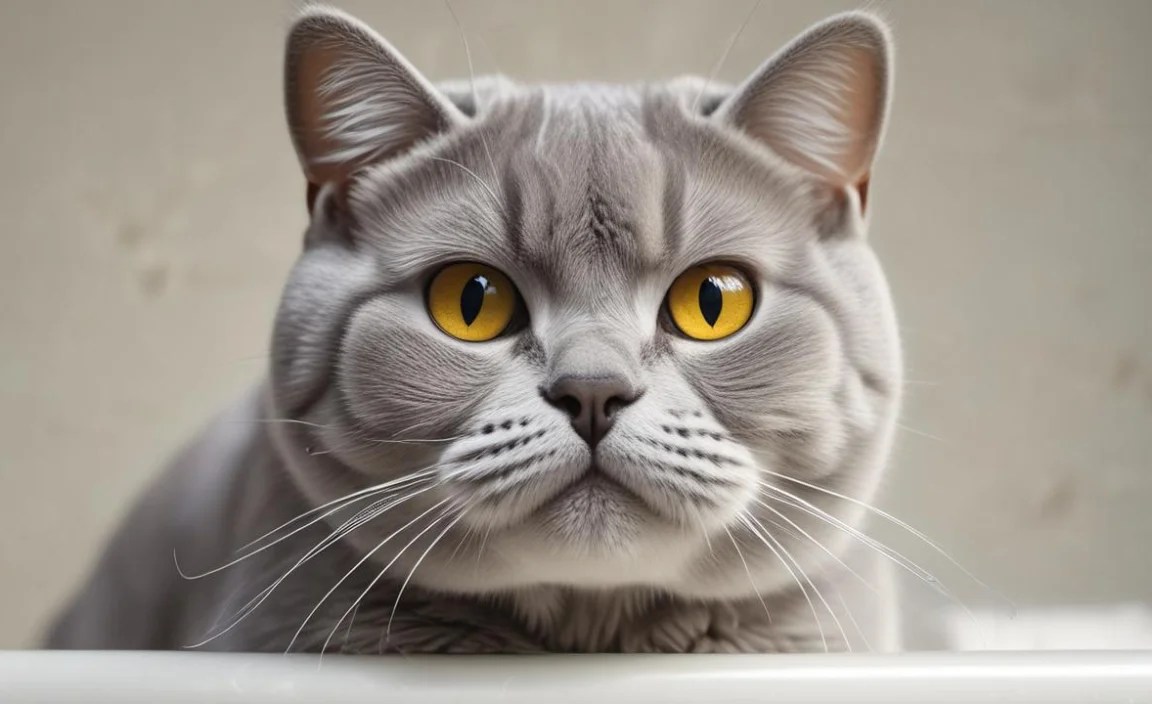
Using human shampoo on cats is a common mistake. Human shampoo is formulated for human skin. It has a different pH balance than cat skin. Human shampoo can strip away a cat’s natural oils. This can lead to dry, itchy skin. It can also cause skin irritation and allergies. Always use shampoo specifically designed for cats. These shampoos are pH-balanced for cat skin. They are also formulated with gentle ingredients. Protect your cat’s skin by using the right shampoo. Avoid human shampoo at all costs. Your cat will thank you for it.
Getting Water in the Ears

Getting water in a cat’s ears can lead to infections. Cat ears are sensitive. Water can create a breeding ground for bacteria. This can cause painful ear infections. Avoid getting water in their ears during bath time. Use cotton balls to protect their ears. Gently place a cotton ball in each ear. This will prevent water from entering. Be careful not to push the cotton ball too far in. Remove the cotton balls after the bath. Dry their ears with a soft cloth. If you notice any signs of an ear infection, see your veterinarian. Prevention is key to avoiding ear problems.
Forgetting to Rinse Thoroughly
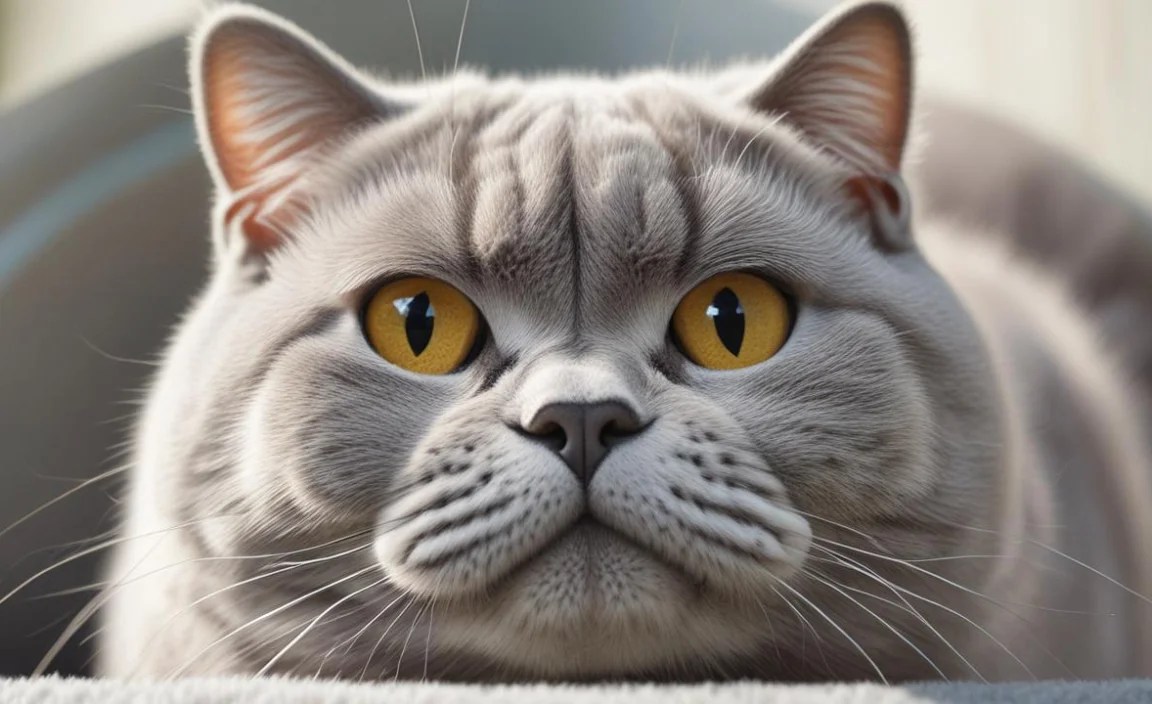
Forgetting to rinse thoroughly is a big mistake. Leftover shampoo can irritate a cat’s skin. It can cause itching, redness, and inflammation. Rinse your cat thoroughly after shampooing. Use lukewarm water. Rinse until the water runs clear. Pay attention to hard-to-reach areas. The belly, legs, and tail. Make sure all the shampoo is gone. If you are not sure, rinse again. It is better to over-rinse than to leave shampoo behind. Protect your cat’s skin by rinsing thoroughly. This will prevent skin irritation and discomfort.
Fun Fact or Stat: Skin irritation from leftover shampoo is one of the most common reasons for post-bath discomfort in cats. Thorough rinsing can prevent this issue.
Summary
Bathing your British Shorthair can be a pleasant experience. It requires patience and the right approach. Always use cat-friendly shampoo. Human shampoo can harm their skin. Make sure the water is lukewarm. Not too hot, not too cold. Dry your cat gently with a soft towel. You can use a hair dryer on a low setting. Brush their fur after the bath. This prevents mats. Regular grooming reduces the need for frequent baths. Remember to create a calm and positive environment. This makes the process easier for both of you. Following this british shorthair bathing guide will help you keep your cat clean and happy. A clean cat is a happy cat!
Conclusion
Bathing a British Shorthair might seem daunting. But with the right steps, it’s manageable. Remember to use cat-friendly products. Keep the water at a comfortable temperature. Dry your cat gently and brush their fur. Regular grooming is also key. This will help reduce the need for frequent baths. Making bath time a positive experience is important. With patience and care, you can keep your British Shorthair clean and healthy. Use this british shorthair bathing guide and enjoy a cleaner, happier kitty.
Frequently Asked Questions
Question No 1: How often should I bathe my British Shorthair?
Answer: British Shorthairs are known for their self-grooming habits. They usually only need a bath every few months. Over-bathing can strip their coat of natural oils. This can lead to dry skin and irritation. If your cat gets into something particularly messy, you may need to bathe them sooner. But in general, stick to bathing them only when necessary. Regular brushing can help reduce the need for frequent baths. This british shorthair bathing guide recommends only bathing when needed.
Question No 2: What kind of shampoo should I use for my British Shorthair?
Answer: Always use a shampoo that is specifically designed for cats. Human shampoo can be too harsh. It can disrupt the pH balance of their skin. Look for a gentle, pH-balanced cat shampoo. Oatmeal shampoos are a good choice for cats with sensitive skin. Avoid shampoos with strong fragrances or dyes. These can irritate their skin. Read the label carefully before using any new product on your cat. If you’re unsure, ask your veterinarian for recommendations. Our british shorthair bathing guide recommends gentle, cat-specific shampoos.
Question No 3: How can I make bath time less stressful for my British Shorthair?
Answer: Creating a calm and positive environment is key. Start by brushing your cat before the bath. This removes loose fur and helps them relax. Use lukewarm water. Avoid spraying water directly into their face. Speak to them in a soothing voice. Offer treats during the bath. Dry them gently with a soft towel. End the bath with praise and affection. If your cat is very stressed, don’t force it. Try again another day. Patience is key to making bath time a positive experience. This british shorthair bathing guide emphasizes calm and positive reinforcement.
Question No 4: What should I do if my British Shorthair is afraid of water?
Answer: If your cat is afraid of water, take it slow. Start by getting them used to the sound of running water. Then, try wetting a small part of their fur with a damp cloth. Gradually increase the amount of water you use. Offer treats and praise during each step. Never force them to do anything they don’t want to do. If they start to get stressed, stop and try again later. You can also try using cat wipes instead of a full bath. Desensitization takes time and patience. This british shorthair bathing guide advises a slow and gentle approach.
Question No 5: How do I dry my British Shorthair after a bath?
Answer: Start by wrapping your cat in a soft, absorbent towel. Gently pat them dry. Don’t rub too hard, as this can cause tangles. You can also use a hair dryer on a low, cool setting. Hold the dryer a few inches away from their fur. Move the dryer around to avoid overheating one spot. If your cat gets scared of the hair dryer, stop using it. You can also let them air dry in a warm place. Make sure they don’t get chilled. Proper drying is important to prevent skin problems. This british shorthair bathing guide recommends gentle drying techniques.
Question No 6: What are some common mistakes to avoid when bathing a British Shorthair?
Answer: Avoid using human shampoo. Don’t get water in their ears. Avoid spraying water directly into their face. Don’t leave them unattended in the tub. Never force them if they are too stressed. Don’t forget to rinse thoroughly. And don’t skip the drying process. Making these mistakes can make bath time unpleasant or even dangerous. Always prioritize your cat’s safety and well-being. Following this british shorthair bathing guide can help you avoid common pitfalls.


